Why Is Korean Skincare So Good

You’ve probably heard about how Korean skincare is shaking up the beauty scene, but do you know what makes it so special compared to other skincare routines?

Let’s dive into the fascinating science behind Korean skincare, the powerhouse ingredients that make it work wonders, and the magic of its multi-step routine.

Get ready to explore the cultural influences that play a role in its success and snag some tips on how you can seamlessly weave Korean skincare into your daily routine.

Join us as we uncover the mysteries behind why Korean skincare has become such a global sensation and how it’s leaving its mark on the beauty industry.

What Makes Korean Skincare Different?

What Makes Korean Skincare Different?

You’re probably aware of Korean skincare’s reputation for blending traditional beauty practices, cutting-edge skincare methods, and a strong cultural emphasis on achieving flawless skin and overall skin health.

The Korean skincare industry has been a trailblazer in introducing game-changing products like sheet masks, essences, and double cleansing techniques to the global scene. These innovations have stirred up a worldwide obsession with K-beauty, prompting skincare fans everywhere to want to adopt Korean methods in their own routines.

The holistic approach of Korean skincare, which puts a premium on prevention rather than just treating skin issues, has given the skincare industry a fresh outlook. It underscores the significance of self-care and the long-term health of your skin.

The Science Behind Korean Skincare

In terms of Korean skincare, you’re diving into a world of scientific wonders. They’re all about using cutting-edge ingredients like antioxidants, collagen boosters, and natural extracts to work their magic and tackle your skin issues head-on.

Key Ingredients and Their Benefits

You should know that Korean skincare formulations are packed with key ingredients that work wonders for your skin. From hydration boosters to moisture-locking agents and powerful anti-aging properties, these products are all about giving you youthful and radiant skin.

These formulations often include ingredients like hyaluronic acid, which works its magic by keeping your skin deeply hydrated and plump. It attracts moisture and locks it in, leaving you with a complexion that’s supple and fresh.

You’ll also find nourishing botanical extracts in these products, like green tea and ginseng. These ingredients are famous for their antioxidant powers, fighting off free radicals and environmental damage to keep your skin looking young. By making these powerhouse ingredients a part of your daily skincare routine, you can expect to see your complexion glow with radiance, firmness, and rejuvenation.

Why Korean Skincare is Effective

You’ll find that the secret sauce of Korean skincare is all about taking a holistic approach to your skincare routine. It’s all about using gentle yet powerful formulas that work wonders on your skin, giving you that radiant glow and deeply nourishing your skin from the inside out.

The Impact of a Multi-Step Routine

The Impact of a Multi-Step Routine

In your skincare routine, you want to make sure you’re getting the most out of each product. The Korean beauty regimen is all about optimizing the benefits of your products to give you a comprehensive skincare routine that targets your specific skin concerns and promotes overall skin health and rejuvenation.

Each step in the Korean skincare routine serves a specific purpose. You start with double cleansing to get rid of all the impurities, then move on to toning to balance your skin’s pH levels and get it ready to absorb products better. Applying essence is a crucial step that deeply hydrates your skin and preps it for serums and ampoules that pack a punch with concentrated active ingredients.

Next up, sheet masks come into play to amp up the hydration and tackle any specific skin concerns you might have. Finally, moisturizers and sunscreens are your best friends for sealing in that moisture and shielding your skin from environmental damage.

Cultural Factors that Contribute to Success

Your interest in Korean skincare isn’t just a passing trend – it’s steeped in cultural traditions that have been influencing beauty practices for ages. The Korean culture values sharing beauty secrets within the community and embracing traditional remedies, leading to a constant stream of new skincare ideas.

This cultural emphasis on overall beauty shines through in the use of natural ingredients like ginseng, rice water, and red ginseng, which have been vital to Korean skincare routines for generations. The Korean skincare philosophy centers around the importance of gentle cleansing, deep hydration, and shielding skin from the sun’s harsh rays. They believe that healthy skin is the key to true beauty.

The famous Korean skincare routine, with its multiple steps, has captured global attention for its preventive approach to skincare. Instead of fixing issues after they arise, this routine is all about maintaining skin health proactively. It’s like saying, “Why wait for problems when you can prevent them from happening in the first place?”

How to Incorporate Korean Skincare into Your Routine

When you bring Korean skincare into your daily routine, it’s all about choosing products that suit your skin type, picking up some pro skincare advice, and getting the hang of key techniques to make the most out of each step. This way, you can achieve a healthier and more radiant complexion.

Choosing the Right Products for Your Skin Type

In terms of your skincare routine, choosing the right Korean products that match your skin type is key. You want to make sure you’re using formulations approved by dermatologists that target your specific skin concerns with powerful and beneficial ingredients.

If you have oily or acne-prone skin, keep an eye out for Korean skincare products that include ingredients like salicylic acid, tea tree oil, or Centella Asiatica. These can help control excess oil and fight off breakouts effectively.

For those with dry skin, go for products that are packed with hydrating ingredients such as hyaluronic acid, ceramides, or shea butter. These will help boost your skin’s moisture levels and restore its natural hydration barrier.

If your skin is on the sensitive side, consider choosing products with calming ingredients like green tea extract, chamomile, or aloe vera. These soothing ingredients can help ease any irritation and reduce redness, giving your skin the care it needs.

Tips for Optimal Results

Tips for Optimal Results

To achieve optimal results with your Korean skincare routine, you should incorporate tips for maintaining a glowing complexion, mastering advanced skincare techniques, and integrating beauty hacks that enhance the effectiveness of your skincare routine for radiant and healthy skin.

Consistency is key when it comes to Korean skincare. Make sure you follow a routine consistently to see long-lasting results. Stay hydrated by drinking plenty of water and incorporating hydrating products into your skincare regimen. Don’t forget the importance of sunscreen to protect your skin from harmful UV rays. Experiment with different products to find what works best for your skin type, and remember that a little goes a long way with Korean skincare products due to their potent ingredients.

The Popularity of Korean Skincare

You’ve probably noticed how Korean skincare has taken the beauty world by storm. It’s got everyone talking, from beauty gurus to skincare junkies, all raving about the amazing results, unique trends, and wide selection of products that address all sorts of skin issues and needs.

Influence on Global Beauty Industry

You can see the impact of Korean skincare on the global beauty industry through its transformative effects on skincare trends, the rise of luxury brands, and the incorporation of holistic beauty practices that have changed the industry landscape with a focus on innovation and effective formulas.

This trend has caused a significant shift in what consumers are looking for all around the world. There’s a growing desire for natural ingredients, multi-step routines, and cutting-edge technology in skincare products. The detailed approach of Korean skincare routines, which prioritize hydration, brightening, and anti-aging solutions, has really struck a chord with beauty enthusiasts worldwide. It’s inspired many beauty companies to adopt similar principles. The emphasis on self-care and sustainability in Korean beauty practices has set a whole new standard for the industry, encouraging a more mindful approach to beauty that goes beyond just surface-level treatments.

Frequently Asked Questions

Why is Korean skincare so good?

Why is Korean skincare so good?

Korean skincare is known for its innovative and effective products that are designed to improve skin health and appearance. The Korean beauty industry prioritizes research and development, resulting in cutting-edge formulas that produce visible results.

What sets Korean skincare apart from others?

Korean skincare focuses on a multi-step routine that includes cleansing, toning, moisturizing, and treating with specialized products. This approach allows for thorough and targeted care, resulting in healthy, glowing skin.

How does Korean skincare differ from Western skincare?

Western skincare often relies on harsh chemicals and aggressive exfoliation, which can damage the skin barrier. Korean skincare, on the other hand, emphasizes gentle and natural ingredients that work to nourish and strengthen the skin.

Why is hydration such an important aspect of Korean skincare?

Proper hydration is crucial for maintaining healthy skin. In Korean skincare, hydration is achieved through multiple layers of light, watery products that penetrate deeply into the skin. This helps to lock in moisture and keep the skin supple and youthful.

What makes Korean sheet masks so popular?

Korean sheet masks are made with thin, lightweight material that adheres tightly to the skin, allowing for maximum absorption of the product’s beneficial ingredients. They are also available in a variety of formulas to target specific skin concerns.

Are Korean skincare products suitable for all skin types?

Yes, Korean skincare products are formulated to be gentle and suitable for all skin types, including sensitive and acne-prone skin. However, as with any skincare routine, it’s important to patch test new products and choose those that are best suited for your individual skin needs.
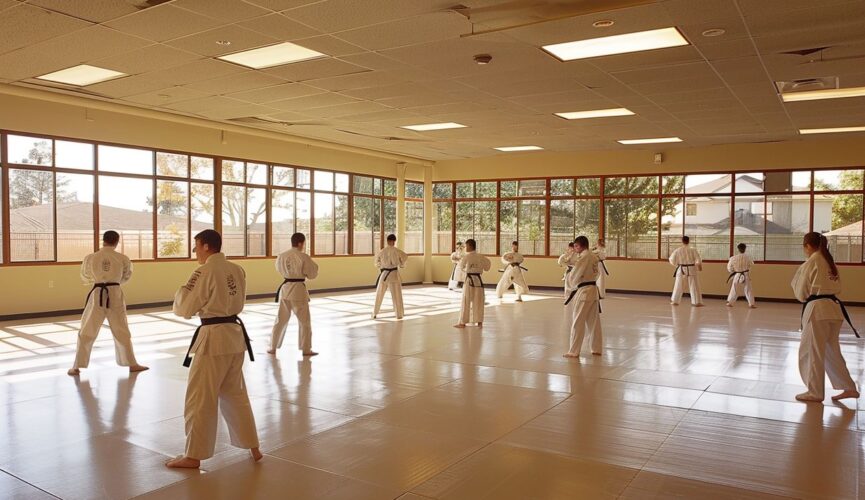
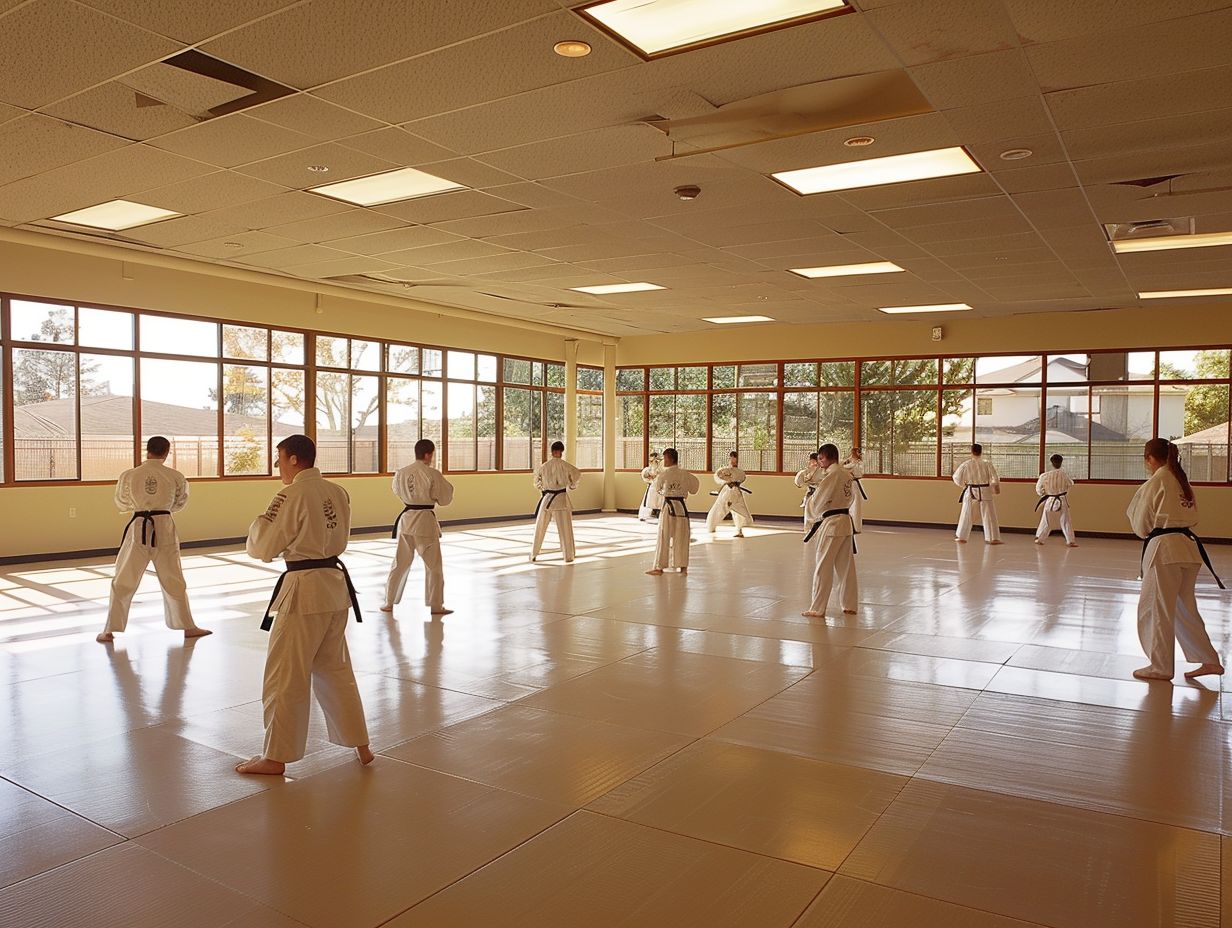
Kempo Karate History

You’re about to dive into the world of Kempo Karate, a martial art with deep roots and an interesting journey through history.

We’re going to explore the origins of Kempo Karate and shine a spotlight on the key figures who have influenced its growth. From fundamental beliefs to combat moves, we’ll dig into the principles of this martial art and how it’s applied today, even branching out into other disciplines.

Discover how Kempo Karate has left a mark on popular culture, from its portrayal in the media to its rising fame on a global scale.

The Origins of Kempo Karate

The Origins of Kempo Karate

When you look into it, you’ll see that the Origins of Kempo Karate go way back to the martial arts practices that started in Japan. It’s got some real self-defense wisdom behind it and sticks to those old-school techniques. The influence of Japanese culture has been huge on Kempo Karate, molding its principles and techniques over the years.

History and Evolution

The history and evolution of Kempo Karate are a fascinating mix of Chinese and Okinawan martial arts influences passed down through generations by respected masters. The combat techniques have developed over time to shape the unique style and form that you see in Kempo Karate today.

You can trace these martial arts roots back centuries, with Chinese martial arts bringing in foundational principles like strikes, kicks, and stances, and the Okinawan influence focusing on speed, agility, and adaptability. Masters like Choki Motobu and William K.S. Chow were key players in refining and spreading Kempo Karate techniques, each adding their own special insights to the art. This evolution isn’t just about physical techniques; it also delves into a deeper philosophical understanding of discipline, respect, and self-improvement.

Key Figures in Kempo Karate

Regarding Kempo Karate, you can’t ignore the key figures who really made their mark. These founders and influential masters played a huge role in shaping the art, passing down their lineage, principles, and making some serious contributions to its development. Their influence can be felt all around the globe, showing just how culturally significant Kempo Karate truly is.

Founders and Influential Masters

When you dive into the world of Kempo Karate, you’ll discover that the founders and influential masters weren’t just skilled fighters – they were also wise philosophers who shared some deep insights on self-improvement, discipline, and honor. Their techniques and forms embody the very soul of Kempo Karate’s philosophy.

As you delve deeper into Kempo Karate, you’ll see how their focus on constant self-improvement hits home, pushing you to strive for personal growth and mastery. Discipline isn’t just about what you do physically; it’s about building mental strength that gives you resilience and sharp focus on and off the mat.

The code of honor these masters instilled is like the beating heart of Kempo Karate, molding you to embody values of respect, integrity, and righteousness in every aspect of your life – whether you’re on the mat or out in the world.

Principles and Techniques of Kempo Karate

Principles and Techniques of Kempo Karate

In Kempo Karate, the principles and techniques are all about honing your fighting style. It’s all about nailing those accurate strikes, pulling off effective blocks, mastering those complex kata sequences, and really embodying self-control and respect in every single move you make.

Core Beliefs and Fighting Style

In Kempo Karate, you’re all about meditation for mental clarity, precise punches, grappling skills, self-awareness, etiquette, and discipline.

Regarding meditation in Kempo Karate, you know it’s not just about mental clarity—it’s also about staying focused and calm during training and battles. By mastering precise and powerful strikes, you really get a feel for how your body moves and the impact of each hit.

You also get down with grappling techniques in Kempo Karate, which are all about effective close-range combat moves that make you versatile in different fighting situations. Self-awareness is a big deal too, helping you recognize your strengths and weaknesses for constant personal growth.

And let’s not forget about etiquette—respect and humility are key in the world of martial arts. The discipline you learn in Kempo Karate teaches you to push through, stay dedicated, and develop a killer work ethic.

Modern Applications of Kempo Karate

Incorporate modern combat techniques, innovative training programs, and different combat situations to demonstrate Kempo Karate’s adaptability and effectiveness in today’s world.

Integration with Other Martial Arts

When you combine Kempo Karate with other martial arts, you’re not just enhancing your combat skills – you’re tapping into a whole cultural experience that’s all about self-improvement, staying fit, and growing as a person.

This fusion of Kempo Karate with other martial arts isn’t just about mixing techniques – it’s a meeting of minds that brings together values like discipline, respect, and the pursuit of excellence. These shared beliefs go beyond individual fighting styles, uniting everyone in a shared journey of personal development and health.

By mixing up different training methods, you’re not just getting stronger physically – you’re also sharpening your mind and inner resolve. This blend of approaches highlights the wide-ranging advantages of martial arts, promoting a holistic path to self-betterment and overall well-being.

Kempo Karate in Popular Culture

Kempo Karate in Popular Culture

In popular culture, Kempo Karate has made its mark with significant representation in various media forms, helping boost its fame and bringing Kempo Karate tournaments into the mainstream sports and entertainment scene.

Representation in Media and Popularity

When you see Kempo Karate portrayed in the media, it’s all about that journey to the prestigious black belt rank. They focus on the tough competition and athletic skills that make Kempo Karate stand out as a sport and a discipline.

In Kempo Karate, that black belt isn’t just about skill – it’s a symbol of your dedication and commitment to the intense training routine. The sport’s competitive vibe pushes you to constantly test your limits and aim for nothing less than excellence.

The media loves showcasing how Kempo Karate blends physical strength with mental focus, setting it apart from other martial arts. Fans are in awe of the precision in techniques, the smooth movements, and the perfect balance of power and control in every move. It’s like watching a thrilling show that keeps you hooked from start to finish.

Frequently Asked Questions

What is the history of Kempo Karate?

Kempo Karate has roots in China and Japan, with influences from both countries. It was developed as a fighting style to defend against the armed and unarmed attacks of bandits in the Ryukyu Kingdom, now known as Okinawa, in the 17th century.

Who is considered the founder of Kempo Karate?

Who is considered the founder of Kempo Karate?

Kempo Karate is said to have been founded by a Chinese Buddhist monk named Chang San-feng. Legend has it that he combined elements of the Shaolin Temple’s martial arts with his own philosophies to create a unique fighting style.

When did Kempo Karate spread to Japan?

Kempo Karate was introduced to Japan in the early 20th century by Gichin Funakoshi, the founder of Shotokan Karate. He learned the style from Anko Itosu, a master who had refined Kempo Karate during the Meiji era.

How did Kempo Karate evolve in Japan?

In Japan, Kempo Karate underwent changes to become more sport-oriented and less focused on self-defense. This led to the creation of different styles such as Shorinji Kempo, Kyokushin, and Gensei-ryu. However, some schools still maintain a more traditional approach to Kempo Karate.

What role did Kempo Karate play in modern martial arts?

Kempo Karate influenced the development of many other martial arts styles, including Karate, Judo, Aikido, and Kung Fu. It also played a significant role in the spread of martial arts to the Western world, with many early pioneers of martial arts in the US being Kempo Karate practitioners.

How has Kempo Karate changed over time?

Kempo Karate has evolved over time to incorporate new techniques and principles, as well as to adapt to different cultural and social norms. Some schools focus more on the spiritual and philosophical aspects of Kempo Karate, while others prioritize physical conditioning and competition. Despite the changes, Kempo Karate remains rooted in its original purpose of self-defense and personal development.

Kajukenbo History

Explore the fascinating history and evolution of Kajukenbo, a unique martial art that blends elements of Karate, Judo, Jujitsu, Kenpo, and Boxing. You can dive into the founding masters and influences, as well as the modern applications of Kajukenbo in self-defense and fitness. This article will take you through how Kajukenbo has spread to different countries and styles.

Discover the various lineages, principles, and values that have shaped this dynamic martial art and see how it continues to thrive in today’s martial arts world.

Origins of Kajukenbo

Origins of Kajukenbo

When you look into the roots of Kajukenbo, you’ll find yourself in the diverse mix of Hawaii, where a group of martial artists came together to create a self-defense system tailored for street fights. This martial arts mash-up brings together bits of karate, judo, kenpo, Chinese boxing, and Filipino boxing, blending different techniques and philosophies to make a unique self-defense style.

Taking inspiration from the various martial arts traditions of Hawaii, Kajukenbo was born out of the need to tackle the street violence on the island. The founders saw the demand for a versatile and effective fighting method and combined techniques from their own backgrounds, resulting in a well-rounded combat style. Emphasizing adaptability, practicality, and the ability to defend oneself in tough situations, Kajukenbo’s core principles focus on efficiency and real-world usability.

Founding Masters and Influences

You might find it interesting to know that Kajukenbo was actually founded by a group of martial arts experts, including Adriano Emperado, William Chow, Joe Holck, Frank Ordonez, and Peter Choo. Each of these founding masters brought their own special skills and viewpoints to the table, resulting in the development of this unique self-defense system.

Emperado, who had a background in Kenpo and Escrima, made sure to weave these disciplines into Kajukenbo, focusing on practical techniques that could be used in real-world street combat situations. Chow’s background in Chinese martial arts brought a sense of flow and adaptability to the style, while Holck’s expertise in Judo and Jujitsu added effective grappling moves to the mix. Ordonez, being a boxer, threw in some powerful and precise striking techniques. Choo’s influences from Tang Soo Do and Shotokan Karate added some lively kicks and stances to the system.

When you put all these diverse experiences together, you get Kajukenbo’s unique hybrid approach to martial arts.

Development of Kajukenbo

When you dive into the world of Kajukenbo, you’re diving headfirst into a martial art that’s all about practical self-defense and building up your self-discipline and mental strength. Developed with street fighting in mind, Kajukenbo has evolved to tackle the ever-changing challenges of self-protection and personal growth.

As you get deeper into Kajukenbo, you’ll notice how it hones in on real-life combat scenarios. This martial art really stresses the importance of being able to adapt to any situation that comes your way and building up the mental strength to take on tough opponents in challenging environments. Through tough training and hands-on experience, Kajukenbo helps you build up resilience and flexibility, getting you ready not just for physical fights but also for the mental hurdles that come with conflict. This approach sets Kajukenbo apart as a martial art that values preparedness and practicality above all else.

Evolution of Techniques and Philosophy

In terms of Kajukenbo, you’ll see a unique mix of different martial arts styles, practical self-defense moves, and effective combat strategies. This blend has left its mark on modern combat sports and mixed martial arts, showcasing a diverse range of innovative martial arts techniques.

In Kajukenbo, they bring together Karate, Judo, Jujitsu, Kenpo, and Boxing to create a versatile self-defense approach. The focus is on quick counterattacks and smooth defensive moves. The philosophy behind Kajukenbo is all about being practical and adaptable, geared towards real-world combat situations rather than strict forms or rituals.

This practical approach has struck a chord with practitioners and scholars alike, leading to its ongoing evolution and wide acceptance in various martial arts communities. The lineage of Kajukenbo masters has had a big impact on shaping modern combat sports and fueling the growth of mixed martial arts as a dynamic, multi-disciplinary fighting style.

Spread of Kajukenbo

The influence of Kajukenbo spreads beyond Hawaii to other countries, inspiring the development of new styles and approaches to martial arts. This diffusion of Hawaiian martial arts traditions contributes to the global recognition of Kajukenbo as a practical self-defense system.

The fusion of karate, judo, jujutsu, kenpo, and boxing in Kajukenbo creates a versatile and effective fighting system that resonates with practitioners worldwide. As Kajukenbo gains popularity, martial artists in different nations begin incorporating its principles into their own training methodologies, leading to the emergence of hybrid martial arts styles like Kenpo-Karate in the United States, Kajukenpo in Brazil, and Kajukenbo in Europe. The emphasis on practical self-defense and adaptability ingrained in Kajukenbo’s philosophy paves the way for a new wave of innovative martial arts practices across the globe.

Expansion to Other Countries and Styles

Expansion to Other Countries and Styles

When you think about it, Kajukenbo really stepped up its game when it started spreading its wings to different countries. That’s when they brought in all these cool self-defense moves, a mix of fighting styles, some solid sparring sessions, and a whole belt ranking system. It’s like they juiced up Kajukenbo to make it this all-in-one, top-notch self-protection martial art.

Because they were smart and picked the best self-defense moves from different martial arts, Kajukenbo became this versatile combat system that can handle pretty much any situation. With a bag of tricks that includes strikes, blocks, kicks, and joint locks, anyone learning this stuff gets a solid set of skills. And when they go toe-to-toe in sparring, it’s all about getting that real-world experience to make those moves stick. Plus, the belt ranking system? It’s like having a roadmap that shows you how far you’ve come and where you’re headed in mastering defense tactics and battle strategies.

Modern Applications of Kajukenbo

In modern times, you can still appreciate Kajukenbo for its benefits in self-improvement, staying fit, and toughening up mentally. Its deep roots in Asian martial arts show just how relevant it is in today’s world.

Kajukenbo’s special mix of karate, judo, and kenpo techniques gives you a versatile set of skills that not only boost your physical strength and agility but also help you build discipline and focus. By putting in the hard work during training, you can sharpen your awareness, resilience, and inner strength, which all come in handy beyond the dojo when facing everyday challenges. The values of respect, perseverance, and humility that are at the core of Kajukenbo’s traditional teachings act as guiding lights for personal growth, turning it into a well-rounded art form that nurtures both your body and mind.

Uses in Self-Defense and Fitness

Incorporate Kajukenbo into your routine for a mix of self-defense and fitness benefits. This martial art covers defensive tactics, attack responses, and proven techniques to help you feel more confident in real-life combat situations.

You can count on Kajukenbo to equip you with the necessary skills to handle a variety of combat scenarios effectively. By combining elements from karate, judo, jujitsu, kenpo, and boxing, Kajukenbo gives you a diverse set of tools for self-defense. Its training includes blocking strikes, countering attackers, and managing close-quarters combat. With its focus on controlled aggression and strategic awareness, Kajukenbo boosts your mental sharpness and physical readiness in challenging situations. This martial art not only enhances your defensive abilities but also improves your overall fitness levels.

Incorporation into Martial Arts Competitions

When you see Kajukenbo being brought into martial arts competitions, it’s like shining a spotlight on its unique philosophy, practical self-defense methods, rigorous training approaches, and effective combat techniques. Its presence in those competitive settings really shows off how adaptable and versatile Kajukenbo is as a martial arts discipline.

This eclectic martial art, mixing karate, judo, kenpo, and boxing, takes a well-rounded approach to fighting. It’s all about being practical and focusing on real-world scenarios, equipping you with the skills and confidence to handle whatever physical challenges come your way.

The intense training methods in Kajukenbo are all about boosting your agility, strength, and mental toughness. Not only do they get you ready for competitions, but they also help you build discipline and work on self-improvement.

In terms of tournaments, Kajukenbo’s combat techniques – blending striking, grappling, and defense seamlessly – really shake things up. They bring a whole new level of challenge to opponents and leave a mark on the world of martial arts competitions.

Kajukenbo Lineages

The diverse lineages of Kajukenbo have given rise to different branches, each with its own unique characteristics and focuses in the martial art. These lineages go way back to the founding masters and continue to influence how Kajukenbo evolves in their own special ways.

In some branches of Kajukenbo, you’ll find a strong emphasis on the traditional martial arts stuff like striking and grappling techniques. Others mix it up by adding elements from other disciplines like judo or karate. Each lineage showcases the specific training and skills of its founders, resulting in differences in how they train and strategize for combat. With the variety of approaches in Kajukenbo, practitioners get to dabble in a range of skills and philosophies, adding to the depth and excitement of this dynamic martial art.

Different Branches and Their Characteristics

Different Branches and Their Characteristics

In Kajukenbo, you’ll find different branches, each with its spin on the self-defense system, fighting techniques, sparring methods, belt rankings, and self-protection strategies. Every branch brings something unique to the table when it comes to Kajukenbo’s core principles and how they play out in real combat situations.

Take the Original Method branch, for example. They’re all about blending karate, judo, jiu-jitsu, kenpo, and Chinese boxing to create a well-rounded self-defense system. On the flip side, the Tum Pai branch leans more towards traditional Chinese martial arts, with a focus on circular movements and joint locks. Then there’s the Emperado Method branch, which hones in on street fighting and practical self-defense techniques. These different approaches cater to individual tastes and add to the overall growth and flexibility of Kajukenbo as a lively martial art.

Kajukenbo Principles and Values

In your journey through the world of Kajukenbo, you’ll encounter a solid foundation of core principles and values that act as guiding stars. These principles are like the North Star of Kajukenbo, helping you navigate your path of martial arts growth and development.

You’ll find that respect, discipline, and humility are key players in both your training and everyday life. Whether it’s showing appreciation to your teachers, demonstrating compassion towards your fellow practitioners, or carrying yourself with integrity, these values are woven deep into the fabric of Kajukenbo. They’re not just about the physical techniques you learn; they’re about shaping your character and mindset. By sticking to these principles, you’ll build a strong moral compass and sense of duty, ultimately contributing to a unified and balanced martial arts community.

Core Tenets and Ideals

In Kajukenbo, you’ll find the core tenets and ideals centered around self-discipline, effective street fighting techniques, combat readiness, and continuous personal development. These values are the heart and soul of Kajukenbo’s philosophy, molding you into a versatile martial artist.

Kajukenbo places a strong emphasis on self-discipline, teaching you to build mental toughness and inner strength to tackle challenges both on and off the mat. The street fighting techniques are all about real-life situations, equipping you with practical self-defense skills for unpredictable scenarios. By focusing on combat readiness, you’ll develop alertness and preparedness, sharpening your reflexes and strategic thinking.

As you commit to dedicated practice and perseverance, Kajukenbo nurtures your personal growth, inspiring you to strive for continuous improvement and self-discovery throughout your martial arts journey.

Frequently Asked Questions

What is the history of Kajukenbo?

Kajukenbo is a martial art that originated in Hawaii in the 1940s. It was created by a group of martial artists from different backgrounds who wanted to develop a self-defense system that was effective and practical for real-life situations.

Who were the founders of Kajukenbo?

Who were the founders of Kajukenbo?

The founders of Kajukenbo were Peter Choo, Frank Ordonez, Joe Holck, George Chang, and Clarence Chang. They were students of different martial arts styles including Karate, Judo, Kung Fu, and Boxing.

What does the name ‘Kajukenbo’ mean?

The name ‘Kajukenbo’ is a combination of the first two letters of each founder’s martial art style: Ka (Karate), Ju (Judo), Ken (Kempo), and Bo (Boxing).

How has Kajukenbo evolved over time?

Kajukenbo has continuously evolved over the years as different generations of instructors have added their own techniques and adaptations to the original system. Today, there are several variations of Kajukenbo, each with its own unique style and emphasis.

What are the main principles of Kajukenbo?

Kajukenbo is based on five principles: simplicity, economy of motion, simultaneous blocking and striking, explosive counter-attacks, and using any means necessary to defend oneself.

What is the significance of Kajukenbo in the martial arts world?

Kajukenbo is recognized as one of the first mixed martial arts styles and has influenced the development of other popular martial arts such as Brazilian Jiu-Jitsu and MMA. It is also known for its practical and effective self-defense techniques, making it a valuable style for personal protection.

How Often Do Mma Fighters Fight

Curious about how often you, as an MMA fighter, step into the cage to compete?

Let’s dive into the factors that influence the frequency of fights for you, including your training schedules, recovery time, and contractual obligations.

We’ll also look at the physical demands of MMA fighting and discuss strategies for you to maintain a high frequency of fights.

Let’s examine the pros and cons of frequent fighting for you, highlighting the benefits and potential risks associated with this intense sport.

The Frequency of MMA Fights

The Frequency of MMA Fights

In the world of MMA, how often you step into the ring can make or break your career. Whether you’re a UFC fighter, a Bellator contender, a seasoned pro, or a newbie in the game, knowing how frequently you should fight can really shape your path in mixed martial arts.

How Often Do MMA Fighters Compete?

The frequency of MMA fights varies greatly among fighters based on numerous factors such as your individual preferences, career goals, and contractual obligations. While some fighters may compete multiple times a year, you might opt for a more calculated approach with fewer matches.

Factors like your training intensity, injuries, recovery time, and strategic planning play pivotal roles in determining your fight schedule. High-level athletes often carefully balance their training camps, ensuring you peak at the right times for crucial bouts. This meticulous planning can lead to you strategically selecting specific opponents and events that align with your career trajectory.

The impact of fight frequency on your overall performance, physical health, and mental resilience cannot be understated, highlighting the importance of finding a balance that optimizes both your career progression and well-being.

Factors That Affect Frequency of Fights

Your frequency of fights as an MMA fighter is heavily influenced by a variety of factors. Things like your training schedule, the setup of your fight camps, and how intensely you prepare all come into play. These factors are crucial in deciding how often you can step into the ring and still perform at your absolute best.

Training and Recovery Time

If you want to keep up a high fight frequency in MMA, it’s all about finding that sweet spot between intense training and giving your body the recovery time it needs. Pairing effective training methods with proper recovery strategies and rest days is key to boosting performance and lowering the chance of burnout or injuries.
Adding rest days to your training routine is crucial for letting your body bounce back and adjust to the tough workouts, ultimately ramping up your overall performance. Recovery techniques like massage therapy, stretching, and nailing your nutrition are all game-changers in helping you recover faster and stay clear of injuries.

By smartly weaving these recovery tricks into your routine, you’ll not only level up your physical game but also keep your mental game strong. That way, you’ll be sharp and focused during training and when it’s time to step into the ring.

Contractual Obligations

Your fighting schedule in MMA is heavily influenced by contractual obligations and how promotions set up bouts for you. It’s all about making sure your personal goals match up with what you’ve agreed to on paper, which then shapes how often you’ll be stepping into the ring.

When you’re in the world of MMA, your fight schedule is pretty much determined by your contracts. You’ve got to find that sweet spot between what you want to achieve and what the promoters expect from you. It’s a tough balancing act for fighters trying to climb the ranks in the MMA scene.

Your fight camps are meticulously planned out to sync up with what your contracts require. The goal is to have you fully prepared for your upcoming matches, taking into account things like recovery time, how hard you’re training, and making sure you’re absolutely ready to give it your all on fight night.

The Physical Demands of MMA Fighting

The Physical Demands of MMA Fighting

When you’re in the world of MMA fighting, you’re signing up for a whole world of physical challenges. It’s not just about the hard-hitting fight camps – you’ve also got to tackle the tough training sessions, conditioning work, and strength training to get yourself ready for those battles in the ring. All of these physical elements play a crucial role in boosting your performance and toughness when you step inside that octagon.

Impact on the Body and Mind

In the demanding world of MMA fighting, you’re not only pushing your body to its limits but also testing your mental strength. To keep up your performance and tackle the mental pressures of the sport, it’s crucial to manage your recovery time well, maintain a resilient mindset, and make sure you’re mentally prepared.

Success in the competitive MMA scene hinges on finding that sweet spot of balancing both your physical and mental well-being. During those intense fight camps, it’s not just about refining your fighting skills but also about toughening up mentally. Strengthening your mental game involves techniques like visualization, mindfulness, and positive self-talk. By giving equal importance to your psychological readiness and physical training, you can boost your overall performance and handle the mental hurdles that come with stepping into the cage.

Strategies for Maintaining a High Frequency of Fights

If you want to keep up a high frequency of fights, you need to put in place some effective strategies. That means following structured training routines, using specialized recovery strategies, and making the most of cutting-edge tools and techniques. These personalized approaches are all about boosting your performance, reducing injuries, and getting you ready for the next fight.

Training Methods and Techniques

When you’re gearing up for MMA fights, it’s all about having the right training methods in your corner. You’ve got to mix it up with sparring sessions, specific drills, weight-cutting tips, and agility training to level up your skills, endurance, and overall performance when you step into the cage.

Sparring sessions are like your dress rehearsals for the big show, helping you sharpen your reactions and skills under pressure. Specific drills are your secret weapon, fine-tuning your techniques and transitions so you can pull them off effortlessly during fights. And don’t forget about those weight-cutting strategies – they’re key to hitting your weight class target and maximizing your strength-to-weight ratio.

Agility training is your ticket to nimble footwork, speed, and coordination, giving you an edge in the fast-paced world of MMA competitions. By weaving these different training methods into your routine, you’ll be arming yourself with the tools you need to boost your capabilities and be ready to tackle any challenge that comes your way in the octagon.

Nutrition and Recovery Practices

In your MMA fight camp prep, nailing down your nutrition and recovery routines is key. How you balance your diet, rest periods, recovery techniques, and supplements can make a major difference in how your body copes with the intense grind of training and bouts.

You’ve got to make sure you’re getting enough of those key nutrients – proteins, carbs, and fats – to keep your muscles happy, aid recovery, and power you through those tough workouts. Strategically planning your rest days during training lets your body heal up and adapt, sidestepping the risks of overtraining and injuries.

Don’t forget about recovery methods like ice baths, massages, and stretching – they’ll help your muscles bounce back faster and keep you limber, boosting your overall performance. With personalized nutrition plans and tailored recovery strategies, you’re setting yourself up for better health, top-notch performance, and a longer run in the demanding world of MMA.

The Pros and Cons of Frequent Fighting

The Pros and Cons of Frequent Fighting

When you’re constantly in the ring in MMA, you’ve got both perks and pitfalls coming your way. Sure, you’ve got chances to improve, learn new skills, and adapt to different situations. But at the same time, you’re facing risks like injuries, dealing with recovery, and having to keep a tough mindset to handle setbacks and hurdles that come your way.

Benefits of Frequent Fights

In your MMA journey, stepping into the ring frequently presents you with chances to keep progressing, improving yourself, and refining your skills. Regularly engaging in fights helps you build up perseverance, cultivate a success-oriented mindset, and pushes you toward steady growth and accomplishments.

Being in the ring often allows you to polish your techniques, adapt to different fighting styles, and gain insights from each match, ultimately helping you develop a versatile skill set.

Whether it’s preparing for upcoming fights, studying your opponents, or perfecting your strategies, this process instills in you a sense of dedication and discipline, shaping you into a tough and focused athlete.

As you face the challenges that each fight brings, you’re nurturing a growth mindset that propels you forward, driving you towards continuous improvement and success in the ever-evolving realm of mixed martial arts.

Potential Risks and Drawbacks

In the world of MMA, when you’re constantly stepping into the ring, you’re also facing a bunch of risks that can throw you off your game. From dealing with recovery setbacks to tackling all sorts of challenges, fighters like you have to find a way to push through.

It’s all about building up that resilience, bouncing back from setbacks, and figuring out how to handle whatever curveballs come your way if you want to keep up a high fight frequency.

You’ve got to make sure you’re taking recovery seriously to offset the toll that all those fights can take on your body. If you’re not giving yourself enough time to rest up, those training injuries can snowball, messing with your performance and slowing down your healing process.

And let’s not forget about the mental strain of constantly being in the ring – it can really wear you down, messing with your drive and focus.

To keep that high fight frequency going strong, you’ve got to be smart about your training routines, make sure you’re building in enough downtime, and reach out for professional help to keep your body and mind in top shape.

By working on building up your resilience and taking a proactive approach to recovery, you’ll be able to handle whatever challenges MMA throws your way like a champ.

Frequently Asked Questions

How often do MMA fighters typically fight?

The frequency of fights for MMA fighters can vary, but on average, professional fighters typically have around 3-4 fights per year.

What factors can affect how often an MMA fighter fights?

What factors can affect how often an MMA fighter fights?

Several factors can play a role in how often an MMA fighter competes, including their level of experience, injuries, and scheduling conflicts with promotions.

Is there a minimum or maximum number of fights per year for MMA fighters?

There is no set rule for the minimum or maximum number of fights per year for MMA fighters. It ultimately depends on the individual fighter and their circumstances.

Do MMA fighters have a specific timeline for training and fighting?

No, there is no set timeline for MMA fighters in terms of training and fighting. Some fighters may take time off between fights to recover and train, while others may prefer to compete more frequently.

How often do amateur MMA fighters typically fight?

Amateur MMA fighters tend to have fewer fights per year than professional fighters, with the average being 1-2 fights per year. This is due to the fact that they often have other jobs and commitments outside of fighting.

Do MMA fighters have control over how often they fight?

In most cases, MMA fighters have some control over how often they fight. They can choose which promotions to compete in and negotiate their fight contracts, which can include the frequency of fights.

How Many Volts Is A Police Taser

Curious about police tasers and their voltage levels? Let’s dive into the world of police tasers, including their voltage levels, what affects taser voltage, and how they stack up against other weapons.

We’ll also look into taser voltage safety, how effective they are, their impact on the human body, and the rules surrounding their use. Ready to learn more about police tasers and their voltage levels?

Understanding Police Tasers

Understanding Police Tasers

Understanding Police Tasers involves knowing their role as crucial non-lethal tools in law enforcement, designed to incapacitate suspects without causing fatal harm. You should be aware that these stun guns are equipped with safety mechanisms and adhere to strict safety standards to minimize risks during deployment.

Regarding police tasers, law enforcement officers use them in various scenarios, like subduing combative individuals or diffusing potentially dangerous situations. Their non-lethal nature is particularly beneficial because it reduces the likelihood of severe injury or loss of life during encounters. By offering a less lethal option compared to firearms, tasers are essential for enhancing officer and public safety. Remember, the training provided to officers on the proper use of tasers is crucial for ensuring effective deployment while prioritizing the well-being of all individuals involved.

How Many Volts is a Police Taser?

When you look at a Police Taser, you’ll notice that the voltage varies depending on the model and what it’s used for. This high-voltage shock is designed to effectively incapacitate targets, keeping both officers and suspects safe.

The reason behind the high voltage in police Tasers is pretty important. It’s what allows them to quickly and reliably take down targets. The engineering of these devices has to carefully balance voltage strength with safety precautions. By reaching those high voltage levels, Tasers can mess with the nervous system’s signals, giving the target a temporary time-out without causing any lasting harm. To ensure safety and prevent misuse, features like automatic shut-offs and training programs are put in place to reduce any risks that come with using these high-voltage shocks.

Factors Affecting Taser Voltage

Regarding Taser voltage, you’ve got a few key factors at play. First up, you’ve got the power of the battery, the specific model of your Taser, and how the electrical pulses are delivered. These factors work together to determine how well your Taser works and how reliable it is.

Your battery is like the MVP here, providing the juice needed to zap out those high-voltage pulses. The more power your battery can dish out, the higher the voltage output you’ll get.

Next, the model of your Taser is a big deal too. It affects how efficiently that power from the battery gets turned into an electrical shock. The tech behind those electrical pulses involves capacitors and switches that charge up and release that jolt in a flash.

All these components come together to make sure your Taser delivers a precise and reliable shock, keeping you safe and sound in law enforcement situations.

Comparing Taser Voltage to Other Devices

When you compare Taser voltage to other electrical discharge weapons like conducted energy devices, Police Tasers really shine for their effectiveness in taking down targets while keeping long-term harm to a minimum. These devices strike a good balance between power and safety in law enforcement situations.

The moderate voltage levels of Police Tasers allow them to bring down suspects without causing lasting harm, which is why they’re a top choice for law enforcement officers. By giving suspects a jolt that messes with their muscles and nerves, Tasers can swiftly incapacitate individuals. This helps promote cooperation and reduces the need for using more serious force. This precise use of electrical current sets Tasers apart from other conducted energy devices, giving law enforcement a tool that can effectively eliminate threats while keeping the risk of severe consequences low.

Safety and Effectiveness of Taser Voltage

Safety and Effectiveness of Taser Voltage

You need to understand the critical role that Taser voltage plays in their effectiveness as reliable tools for law enforcement. Knowing how these weapons affect suspects’ behavior is key to using them correctly and reducing risks.

Regarding quickly incapacitating suspects with minimal harm, law enforcement officers turn to Tasers. The right balance of voltage strength and exposure time is crucial in determining how well the device can subdue individuals.

Proper training in deploying Tasers not only keeps officers safe but also encourages de-escalation tactics. By following strict guidelines on when and how to use these weapons, law enforcement agencies can reduce the risks involved and ensure the safety of both officers and suspects.

Impact on Human Physiology

When a Police Taser zaps you with an electric shock, it messes with your body’s electrical signals, putting your muscles on temporary lockdown. The shock’s impact depends on the electrical current and resistance in your body.

The electrical current, measured in amperes, is what dictates how hard you feel the shock. It decides how far the electric jolt travels in your body, messing with your nerves and muscles. Resistance, measured in ohms, also plays a role in how the electricity flows and how your muscles react. When there’s a high current and low resistance, brace yourself for a seriously intense shock. These factors show how the dance between current and resistance determines just how effective Tasers are at taking down their targets.

Regulations and Guidelines for Taser Use

You need to pay close attention to the regulations and guidelines for Taser use in law enforcement. They lay out safety precautions, procedures, and policies that control how these stun guns are used. Following these regulations is key to making sure these non-lethal force options are used safely and effectively.

These rules aren’t just about protecting the people law enforcement deals with—it’s also about keeping the officers safe. Following these guidelines affects departmental policies and influences the training that officers get on using Tasers. Law enforcement agencies put their personnel through intense training programs to make sure they understand the legal, ethical, and practical sides of Taser use. By sticking to these regulatory frameworks, law enforcement agencies work to reduce risks and maintain accountability in their use of force protocols.

Exploring the Voltage Range

When you dive into the world of stun guns, you’ll uncover a whole range of voltages that show off the different ways these conducted electrical weapons can work. It’s key for law enforcement officers to know how effective these different voltage levels are so they can pick the right tool for each situation.

The voltage range in stun guns is a big deal when it comes to how much punch they pack. Cops have to really think about these voltage levels to make sure they can take down suspects without causing serious harm. Knowing the best voltage settings lets officers manage the stun gun’s impact, so they can quickly stop someone without things getting out of hand. Being able to adjust the voltage for each scenario shows just how versatile and useful stun guns can be for keeping things under control without turning to lethal force.

Battery Power and Taser Model

Battery Power and Taser Model

Regarding stun guns, you’ve got to pay attention to the battery power and the type of Taser you’re using. Law enforcement agencies know this well – they carefully pick out the right battery capabilities and weapon models to make sure those stun guns work reliably and can be deployed effectively.

In the stun gun world, the advancements in battery tech are game-changers. They determine how long and how strong those electrical discharges will be, which directly affects how effective the weapon is in stopping someone in their tracks.

Different Taser models have different features – like range, accuracy, and extra safety measures – that are tailored to meet the specific needs of law enforcement folks. Understanding electrical resistance is key for officers because it affects how that electrical current moves through a person’s body, which in turn impacts how well and how safely stun guns can be used in law enforcement scenarios.

How Taser Voltage Compares to Other Weapons

When you compare Taser voltage to other electroshock weapons, you start to see just how reliable and safe these non-lethal tools are. It’s important for you, especially if you’re in law enforcement, to understand the differences in Taser voltage compared to other weapons so you can make smart decisions during your operations.

Tasers are really good at taking down a target because they deliver high-voltage shocks that mess up the nervous system, basically knocking them out temporarily. On the flip side, regular stun guns usually work with lower voltage levels, which might not be as effective in quickly stopping a threat.

One thing that makes Tasers stand out is their safety features. They’ve got all these built-in safeguards to prevent using them too much and to lower the chances of them going off accidentally. That’s why they’re seen as a reliable and safe option for law enforcement and self-defense situations.

How Taser Voltage Compares to Other Weapons

When you compare Taser voltage to other electroshock weapons, you can really see the reliability and safety features of these non-lethal tools. It’s important for law enforcement personnel like you to understand how Taser voltage differs from other weapons so you can make smart decisions in the field.

Another crucial factor to consider is range when it comes to electroshock weapons. Tasers stand out because they can reach targets from a safe distance, giving you an edge in handling potentially dangerous situations. Plus, Tasers are built with strict safety standards to reduce the risk of unintended harm to both you and your target. These unique qualities make Tasers a dependable and safe tool in the array of non-lethal force options available to law enforcement.

Frequently Asked Questions

What is the voltage of a police taser?

What is the voltage of a police taser?

A police taser typically has a voltage of around 50,000 volts.

How does the voltage of a police taser compare to other stun guns?

Compared to other stun guns, a police taser typically has a much higher voltage. Some stun guns may only have around 5,000 volts.

Why do police tasers have such high voltage?

The high voltage of police tasers is necessary in order to penetrate through clothing and effectively disable a target.

Is the voltage of a police taser dangerous?

The voltage of a police taser can be dangerous and potentially lethal, especially if used improperly. It is important for law enforcement officers to receive proper training on taser usage.

Can the voltage of a police taser be adjusted?

Yes, the voltage of a police taser can typically be adjusted to different levels depending on the situation and the target.

Are there any regulations on the voltage of police tasers?

Yes, there are regulations in place to ensure that police tasers do not exceed a certain voltage level. These regulations may vary by state or country.

History Of Jiu Jitsu In Japan

Jiu Jitsu, a martial art with ancient roots in Japan, has a rich history shaped by early forms and influences. Originally developed as a crucial skill for samurais, Jiu Jitsu has played a significant role in Japanese culture and has integrated with other fighting styles.

Today, Jiu Jitsu continues to evolve with modernization, leaving its impact not only in martial arts but also in various sports globally. Come along as you explore the fascinating journey of Jiu Jitsu in Japan and its influence on the world.

Origins of Jiu Jitsu in Japan

Origins of Jiu Jitsu in Japan

The history of Jiu Jitsu in Japan dates back centuries, evolving from traditional combative techniques practiced by Samurai warriors. These techniques were refined over time, leading to the development of a unique martial art that emphasized self-defense and strategic combat.

In the context of samurai culture, Jiu Jitsu was not only a means of combat but also a way of life, promoting discipline, honor, and respect. The incorporation of grappling, joint locks, and throws showcased the intricate and versatile nature of Jiu Jitsu techniques. As Japanese combat sports continued to evolve, Jiu Jitsu played a pivotal role in shaping the foundation for modern martial arts practices. Its historical significance transcends the boundaries of time, reflecting the enduring legacy of Japan’s martial heritage.

Early Forms and Influences

In the early days, Jiu Jitsu was all about Japanese martial arts history. Picture ancient warriors sharpening their combat skills and mastering the art of self-defense. They drew inspiration from traditional techniques and cultural customs, shaping Jiu Jitsu into its own unique form.

Fast forward through the centuries, and these early practitioners were on a mission to perfect their craft. They mixed in elements of grappling, striking, and joint locks, creating a well-rounded fighting style. Back in feudal Japan, where battlefield combat was a daily reality, Jiu Jitsu techniques had to be on point.

The spirit of bushido, the samurai code of honor, cast a long shadow over Jiu Jitsu. Discipline, respect, and humility were all part of the package. Through intense training and real-world experience, Jiu Jitsu transformed into a martial art that’s all about using leverage, mastering technique, and staying adaptable.

Development of Jiu Jitsu as a Martial Art

In terms of the development of Jiu Jitsu as a martial art, you can’t ignore the major players like the Gracie family and the Kodokan school. These folks played a big role in turning Jiu Jitsu from an old-school practice into a hip, dynamic sport that’s got deep cultural roots.

One key moment in Jiu Jitsu’s journey was when the Gracie family rolled out Brazilian Jiu Jitsu back in the early 20th century. This version of Jiu Jitsu really honed in on ground fighting and leverage moves, totally shaking things up in the martial arts scene.

The Gracies’ domination in mixed martial arts fights put Jiu Jitsu on the map worldwide, sparking new ideas for training and competition rules. As the sport kept getting bigger, fighters from all walks of life brought in fresh techniques, mixing traditional Jiu Jitsu with other martial arts styles. The result? A well-rounded, powerful fighting approach.

Rise of Samurai Culture and Training

When you delve into the history of Jiu Jitsu, you can’t ignore the impact of samurai culture in Japan. Samurai warriors were the OGs of martial arts training, learning techniques like Jiu Jitsu in specialized schools passed down through generations.

At these schools, honor and discipline were the name of the game. Loyalty, courage, and integrity were the key values instilled in every student. The samurai way of life, with its emphasis on mastering mind and body, heavily influenced how Jiu Jitsu practitioners trained.

By pushing through grueling physical workouts, building mental toughness, and honing situational awareness, students not only learned self-defense moves but also picked up essential values like respect and humility. The tradition of teachers passing down knowledge to their students ensured that the art of Jiu Jitsu stayed true and effective for centuries.

Integration with Other Fighting Styles

Integration with Other Fighting Styles

When you mix Jiu Jitsu with other fighting styles like Judo, you’re contributing to the evolution of Brazilian Jiu Jitsu (BJJ). This combo of techniques and philosophies enriches the martial arts traditions and opens up a whole new world of combat sports for you. By blending the ground-fighting skills of Jiu Jitsu with the throws and grappling moves of Judo, you’re able to craft a versatile and powerful martial art form. The focus on leverage, control, and submission holds in BJJ shows how both Jiu Jitsu and Judo have left their mark on it.

Over time, BJJ has grown into a dynamic discipline that’s not just about physical strength, but also about mental sharpness and strategic thinking. This shift in techniques and mindset cements the unique identity of Brazilian Jiu Jitsu in the martial arts scene.

Spread of Jiu Jitsu in Japan

The spread of Jiu Jitsu in Japan really took off thanks to martial arts schools that offered all-encompassing training programs. Competitions and tournaments played a big role in boosting Jiu Jitsu’s popularity, bringing in practitioners from all walks of life.

These tournaments aren’t just about showing off skills – they’re also great spots for learning and improvement. As Jiu Jitsu became more popular, specialized training centers popped up, catering to different levels of experience and interests among practitioners. This wider range of training options has led to more people getting involved, with enthusiasts attracted to the discipline’s deep history and its focus on both physical and mental development.

Popularization and Schools of Jiu Jitsu

As you dive into the world of Jiu Jitsu in Japan, you’ll see how this martial art has deep roots in the rich tradition of martial arts. The Jiu Jitsu schools were like treasure troves dedicated to preserving its history and promoting its practice.

Picture yourself stepping into one of these schools, not just to perfect your physical skills, but to soak in the philosophy and artistry of Jiu Jitsu. It wasn’t just about learning self-defense; it was a journey of discipline, respect, and finding that sweet spot where your mind, body, and spirit are in perfect harmony.

These schools were like time capsules, passing on the essence and legacy of Jiu Jitsu from one generation to the next. They kept the flame of Japanese martial arts culture burning bright, ensuring that the tradition lives on.

Modernization of Jiu Jitsu

You’ve probably noticed how Jiu Jitsu has evolved over time, right? The modernization of this martial art has brought some big changes in techniques and training methods to keep up with today’s sport standards. Thanks to innovations in teaching practices and competition formats, there’s a whole new vibe in the world of Jiu Jitsu.
And check this out – practitioners have started to get all science-y with their approach. They’re adding strength and conditioning programs that are custom-made to boost Jiu Jitsu performance. Plus, they’re diving into sports psychology to get their mental game on point for those intense matches.
But that’s not all! The evolution of instructional resources has been a game-changer. Online tutorials and seminars have made it super easy to spread knowledge and help athletes improve their skills. These advancements have not only raised the bar for competition in Jiu Jitsu but have also drawn in a whole new crowd of fans. It’s like Jiu Jitsu is taking over the world, one match at a time!
Changes in Techniques and Training Methods

Changes in Techniques and Training Methods

In terms of Jiu Jitsu, you’ll notice a shift towards a more practical use of self-defense techniques in tournaments. This change in approach has really shaken up the competitive side of Jiu Jitsu.

In today’s Jiu Jitsu tournaments, it’s not just about the physical moves. Mental strength is key. Practitioners focus on values like respect, discipline, and humility to guide how they train and compete. By incorporating these principles into their routines, they not only improve their physical abilities but also develop a mindset of always growing and bettering themselves. This all-encompassing approach has given rise to a new generation of athletes who not only dominate the technical side of the sport but also embody qualities like integrity and sportsmanship.

Impact of Jiu Jitsu on Japanese Culture

The impact of Jiu Jitsu on Japanese culture goes way beyond just the world of martial arts. It has left its mark on other combat sports and traditional customs, shaping the cultural landscape with its focus on discipline and respect, which are at the core of Japanese martial arts.

You see, these values of discipline and respect, which are at the heart of Jiu Jitsu’s teachings, have had a deep influence on Japanese society. The idea of self-improvement, perseverance, and humility that Jiu Jitsu instills has spread into many aspects of Japanese life, molding not only athletes but people from all walks of life. The philosophy of harmony and balance that Jiu Jitsu promotes has also made its way into Japanese aesthetics, traditional ceremonies, and even business practices, making it a rich cultural force that touches all aspects of life.

Influence on Other Martial Arts and Sports

The influence of Jiu Jitsu on other martial arts and sports in Japan has really left its mark on the landscape of martial arts development. Its historical significance and deep-rooted philosophy have added some serious depth to the history of Japanese martial arts.

You can see this strong connection through the shared philosophies and historical ties that bind Jiu Jitsu with other traditional martial arts in Japan. The values of discipline, respect, and constant self-improvement are like the OG principles that run through all kinds of martial arts practices.

As techniques and strategies evolved in Jiu Jitsu, they ended up shaping the development of other Japanese martial arts too. This whole process has created a culture of innovation and adaptability that’s spread throughout the wider martial arts community.

Globalization of Jiu Jitsu

The globalization of Jiu Jitsu has brought its rich heritage and competitive spirit to practitioners like you all over the world, creating a global community of athletes and enthusiasts. International tournaments and philosophical exchanges have played a key role in shaping the evolution of Jiu Jitsu on a global scale.

This centuries-old martial art, originally from Japan, has gained immense popularity across different continents by blending traditional techniques with modern training methods. The interconnectedness of the Jiu Jitsu community has made it possible for knowledge and culture to be exchanged, breaking through language barriers and geographical distances.

When practitioners from various backgrounds come together on the mats, they not only sharpen their physical skills but also embrace the core values of respect, discipline, and humility that are deeply rooted in the art.

The unity found in the Jiu Jitsu community is proof of the martial art’s ability to bring people together, fostering camaraderie and mutual growth among practitioners like yourself.

Frequently Asked Questions

Frequently Asked Questions

What is the history of jiu jitsu in Japan?

Jiu jitsu originated in Japan during the feudal period as a form of unarmed combat used by samurai warriors. It was developed to defend against armed opponents in close combat situations.

How was jiu jitsu practiced in Japan?

Originally, jiu jitsu was taught and practiced in secret by select families and clans. It was passed down through generations and often kept within the same family or clan.

When did jiu jitsu become popular in Japan?

Jiu jitsu gained popularity in the late 19th century during the Meiji restoration, when Japan opened up to western influences. It was often practiced by the police and military and eventually spread to the general public.

What role did jiu jitsu play in the development of martial arts in Japan?

Jiu jitsu has had a significant impact on the development of martial arts in Japan. It served as the foundation for other martial arts such as judo, aikido, and karate.

Why did jiu jitsu decline in popularity in Japan?

In the early 20th century, jiu jitsu faced a decline in popularity due to the rise of more modern and competitive martial arts. However, it experienced a resurgence in the 1990s with the popularity of mixed martial arts.

How has jiu jitsu evolved in modern Japan?

In modern times, jiu jitsu has become a popular self-defense and combat sport in Japan. It has also been influenced by other martial arts, leading to the development of different styles and techniques.

What Is Stacking In Pickleball

Curious about stacking in pickleball? This technique can give you a leg up on the competition, helping you cover more of the court and refine your strategy.

You’ll learn how to incorporate stacking into your game and pick up tips and techniques for mastering it. Find out when to use stacking strategically and be aware of any potential drawbacks. Whether you’re just starting out or seeking to elevate your game, this article will give you the lowdown on stacking in pickleball.

Explanation of the Technique

Explanation of the Technique

When you’re playing pickleball, ‘stacking‘ is a smart move you can use in doubles to make sure you and your partner are in the best spots on the court.

This trick is all about switching up who serves and receives to give you a better advantage, especially when one of you has a killer shot or skill. By stacking, you can use your strengths and cover more of the court without wasting energy. It messes with how your opponents see the court, maybe making them mess up or leaving openings. When you stack effectively, you’re not just improving your court coverage, you’re keeping a strong offense and defense going all game long.

Advantages of Stacking

If you start using the stacking technique in pickleball, you’ll notice a bunch of benefits that can really level up your game. You’ll see better teamwork, improved coordination, and rock-solid performance on the court.

Improved Court Coverage and Strategy

One of the key advantages of stacking in pickleball is the improved court coverage it provides you, allowing you to strategically position yourself for both offensive and defensive plays, enhancing your overall technique on the court.

By utilizing the stacking technique, you can effectively control the tempo of the game by constantly adjusting your positioning in relation to your partner. Offensively, this strategic alignment enables you to execute powerful shots from different angles, keeping your opponents on their toes. Defensively, stacking allows for seamless coverage of the court, minimizing gaps that opponents could exploit. This technique fosters better communication and coordination between players, creating a more cohesive gameplay experience.

How to Implement Stacking in Your Game

To master stacking in your pickleball game, you need to:

  1. Communicate clearly with your partner
  2. Work together as a team
  3. Really get the technique down to squeeze out all the benefits on the court

Tips and Techniques for Successful Stacking

Tips and Techniques for Successful Stacking

When you’re aiming for successful stacking in pickleball, you’ve got to really know your stuff. Think about your skill level, nail down your tactical positioning, and be ready to switch up your strategies on the fly.

First things first, take a good look at your skill set. This will help you figure out who should be the stacker and who should be the partner. The stacker needs to own that court and bring some aggressive gameplay, while the partner’s role is to complement those moves.

Tactical positioning is another biggie. You’ve got to know when to shift from defense to offense, keep the right distance, and coordinate your shots. Stay adaptable and be ready to tweak your tactics based on your opponents’ strengths and weaknesses. Oh, and don’t forget to chat it up with your partner to make sure your game plan is on point.

When to Use Stacking

You should know when to use the stacking technique in pickleball – it can completely change the game for you. This strategy can give you a leg up in competitive play and boost your odds of scoring those key points on the court.

Strategic Situations for Stacking

In pickleball, you can really up your game by strategically stacking with your partner. This tactic works wonders in defensive scenarios, during net play, and when you need to smoothly switch positions to keep a solid defensive stance on the court.

When you find yourself on the defensive, using stacking helps you cover more ground efficiently, making it harder for your opponents to find weak spots in your defense. And when you’re up at the net, mastering the stacking technique can build a strong wall at the kitchen line, putting pressure on your opponents and limiting their offensive moves. Plus, seamlessly switching positions with your partner can throw your opponents off their game, messing with their rhythm and setting the stage for some killer strategic plays.

Potential Drawbacks of Stacking

When you’re stacking in pickleball, you’ve got a lot of perks on your side. But, watch out for those tricky teamwork dynamics, positioning hurdles, and making sure your movements are efficient. Keep those in check to level up your game and ace your performance!

Considerations and Alternatives

Considerations and Alternatives

When you’re thinking about stacking in pickleball, it’s important to really weigh the pros and cons. Consider things like the coordination challenges you might face, the need to stay aware of the court dynamics, and how consistent you need to be in your gameplay. And don’t forget to keep an open mind about other strategies that might work better for your style of play.

One thing you should definitely think about when deciding on stacking is how well you and your teammates can work together. Stacking requires everyone to be on the same page, anticipating each other’s moves, and smoothly switching between offense and defense. Court awareness is key too, as you have to adjust to the ever-changing positions and dynamics while making sure you’re in the right spot strategically. And of course, consistency is crucial for stacking to pay off in the long run.

Frequently Asked Questions

What is stacking in pickleball?

Stacking in pickleball is a strategic positioning technique used by doubles teams to gain an advantage over their opponents. It involves one player positioning themselves closer to the net while their partner stays back at the baseline.

How does stacking work in pickleball?

When a team is stacking, the player at the net takes on a more aggressive role, intercepting shots and putting pressure on the opposing team. Meanwhile, the player at the baseline provides coverage and creates a strong defensive stance.

Why is stacking used in pickleball?

Why is stacking used in pickleball?

Stacking is used in pickleball to create confusion and disrupt the opposing team’s rhythm. By having one player at the net and one at the baseline, it forces the other team to constantly adjust their shots and can lead to more unforced errors.

Is stacking allowed in pickleball?

Yes, stacking is an allowed strategy in pickleball. However, it is important for players to communicate and switch positions when necessary in order to avoid any confusion or penalty points.

Can stacking be used in singles pickleball?

No, stacking is a strategy specifically used in doubles pickleball. In singles, players must stay in their designated areas and are not allowed to cross the centerline of the court.

Are there any downsides to stacking in pickleball?

While stacking can be an effective strategy, it also leaves one player vulnerable to angled shots and lobs. It is important for the player at the net to have good reflexes and for both players to communicate effectively in order to avoid any weaknesses in their defense.

Best Pickleball Paddle Weight

If you’re new to the game of pickleball and trying to figure out the ideal paddle weight for your playing style, you’re in the right place. It’s all about understanding how pickleball paddle weight can really amp up your game on the court.

In this article, we’re going to dive into what pickleball paddle weight means, why it’s so important, and the key factors to think about when picking the right weight for you. We’ll also chat about the pros and cons of different paddle weights and offer some advice on how to figure out the best weight for your game.

Whether you’re just starting out or a seasoned pro, keep reading to learn how you can level up your pickleball game with the perfect paddle weight.

Understanding Pickleball Paddle Weight

Understanding Pickleball Paddle Weight

Understanding Pickleball Paddle Weight is crucial for enhancing your gameplay performance. The weight of your pickleball paddle plays a significant role in determining your control, power, and maneuverability on the court.

Your paddle’s weight can influence how quickly you react to shots, your ability to generate spin, and how comfortable you feel during long games. It’s important to find the best pickleball paddle weight that suits your playing style to improve your skills and reduce the risk of fatigue or injury.

The weight of the paddle doesn’t just affect your swings but also impacts your wrist and arm movements, which can affect your endurance and accuracy. That’s why choosing the right paddle weight that matches your strength and playing technique is key to reaching your peak performance on the pickleball court.

What is Pickleball Paddle Weight?

When looking at Pickleball Paddle Weight, you’re basically checking out how heavy or light the paddle is, and this all depends on what it’s made of. The materials used in the paddle’s construction play a big role in determining its weight – the core material, surface material, and overall design.

If you’re into maneuverability and control, you might want to go for a graphite paddle. They’re super light and perfect for those looking to zip around the court with ease. On the flip side, polymer paddles are a bit heavier but they offer killer touch and power. Then there are composite paddles that mix things up, combining materials like fiberglass with polymer or graphite for a nice balance between weight and performance.

You’ve got options when it comes to weight – you can go for a lightweight paddle (under 7.5 ounces) if you’re all about speed, a mid-weight paddle (7.5-8.4 ounces) for a bit of everything, or a heavyweight paddle (over 8.5 ounces) if you’re all about that power play. It’s all about picking what fits your playing style and preferences.

Why Does Weight Matter?

In pickleball, the weight of your paddle is a big deal because it directly impacts how you perform on the court. It affects things like control, power, spin potential, maneuverability, balance, hitting sweet spot consistency, and even how much vibration you feel.

When your paddle is heavier, you’ve got more oomph behind your shots, giving you extra power to slam that ball. But if you’re using a lighter paddle, you’ll have an easier time zipping around the court and making those precise shots in a flash.

It’s not just about the overall weight, though. How that weight is distributed across your paddle can make a world of difference. The right balance can give you that perfect mix of power and control. And don’t forget about vibration dampening – it’s all about finding that sweet spot in weight distribution for a smoother, more comfortable play.

Factors to Consider When Choosing Paddle Weight

When you’re picking out a pickleball paddle weight, remember to think about your player skill level, playing style, and physical ability. Your game can be seriously affected by the weight of the paddle, depending on these factors.

For example, if you’re an aggressive player, you might find a heavier paddle gives you that extra power and stability you need for your shots. But if you rely on quick reactions and being nimble, a lighter paddle could help you up your speed and control.

Your physical abilities also come into play when choosing a paddle, with things like handle length and grip size affecting how comfortable and how well you perform. With so many weight options out there, it’s all about experimenting to figure out the best paddle weight for you, one that fits your unique needs and makes your playing experience even better.

Player Skill Level

Your skill level as a player is a key factor in choosing the right paddle weight. Whether you’re playing in tournaments, casual matches, or professional competitions, different skill levels call for specific weight distributions to get the most out of your performance.

If you’re just getting started or playing for fun, a lighter paddle weight might be the way to go. It gives you better control and maneuverability, making it easier to work on your technique and accuracy.

But as you level up and dive into competitive play or the pro scene, you might want to consider a slightly heavier paddle weight. This can give you more power and stability, allowing you to pull off faster shots with pinpoint precision.

Knowing how your skill level affects your paddle weight choice is crucial for bringing out the best in your game on the court.

Playing Style

Playing Style

Your playing style is crucial when it comes to picking the right paddle weight for your game. Things like the type of edge guard, surface texture, and shot accuracy requirements all play a part in determining the best weight for your playing style.

Regarding edge guard options, if you tend to have a defensive style of play, you might find that a heavier paddle gives you better control and stability during defensive shots. But if you lean more towards an offensive style, a lighter paddle could be the way to go for added maneuverability and power in your attacking moves.

The surface texture of the paddle is another key factor. A smoother surface can help you generate more spin, while a rougher texture offers better grip for precise shots. Finding the right balance between all these factors ensures that your paddle weight matches up perfectly with the demands of your gameplay.

Physical Ability

Your physical ability is key in figuring out the best weight range for your pickleball paddle. Make sure that factors like handle circumference, hitting surface, and overall weight range match up with what you can handle.

Regarding handle circumference, getting it right is crucial for a good grip and moving around the court with ease. If the handle is too thick or thin, you might end up feeling uncomfortable and it could mess with your game.

Your preference for a textured or smooth hitting surface matters too, affecting the spin and control you can have over the ball. You’ll want to strike a balance between power and control that fits how you play.

Choosing the right weight range is key to pulling off shots effectively without straining your muscles or losing out on accuracy. It’s all about finding that sweet spot that matches your physical abilities.

Benefits and Drawbacks of Different Paddle Weights

To pick the perfect paddle that matches your playing style, you need to understand the benefits and drawbacks of different paddle weights. Whether you lean towards a lightweight, heavy, or midweight paddle, each weight category has its own perks and things to think about.

If you go for a lightweight paddle, you’ll enjoy the agility and quick moves it offers. Perfect for players who value speed and finesse, though they might lack power as there’s less weight behind each shot. On the flip side, heavy paddles bring the muscle and stability, allowing for powerful shots but sacrificing some maneuverability.

Midweight paddles strike a balance between power and control, giving players a versatile choice. Don’t forget to consider how the weight is spread across the paddle – it can affect how the paddle feels and responds when you’re in the game. Also, the shape of the paddle is key, influencing spin potential and the hitting surface.

Lightweight Paddles

You prefer Lightweight Paddles for their agility and quick maneuverability on the court. The lightest paddle options usually come with improved surface textures for better spin control and increased shot accuracy.

These fancy surface textures not only boost grip but also help you generate more spin on the ball, giving you better control over the trajectory of your shots. This extra control is key in improving shot accuracy, letting you put the ball right where you want it on the court. Plus, the lightweight design of these paddles lets you make swift moves, stepping up your agility and maneuverability during those intense gameplay moments.

Middleweight Paddles

When you pick up a Middleweight Paddle, you’re getting the best of both worlds – control, power, and maneuverability all rolled into one. These paddles are designed to give you a versatile playing experience, often packed with advanced core materials to take your game up a notch.

With a Middleweight Paddle, you’ll have more control over your shots while still being able to pack a punch when you need to. The core materials used in these paddles make them super responsive, giving you a great feel for the ball and lightning-fast reflexes during those nail-biting rallies.

These paddles are all about agility and quick movements on the court. They’re perfect for players who want to zip around and make lightning-fast transitions. Middleweight paddles offer a well-rounded playing experience that suits different playing styles and skill levels.

Heavyweight Paddles

Heavyweight Paddles

When you’re out on the court, Heavyweight Paddles are your go-to for that extra punch and stability. These paddles are all about durability and top-notch vibration dampening, perfect for players who want a strong hitting experience.

Thanks to their hefty build, you can really pack a punch with your shots, nailing the ball with power and precision. Plus, that weight adds a whole lot of stability to your game, giving you better command over your hits. Heavyweight paddles are built tough, so they can handle all the action without wearing down too quickly. And with their advanced vibration dampening tech, you’ll feel less of that impact feedback, giving you a smooth and comfy experience with every shot.

How to Determine the Best Paddle Weight for You

When determining the best paddle weight for your playing style, you need to think about a few key factors. Consider things like weight distribution, paddle construction, shot accuracy requirements, and what you personally prefer. Getting the weight just right is important for making sure you perform well and feel comfortable during your games.

Take a look at the materials used in paddle construction. Whether it’s wood, carbon fiber, or composite blends, the materials can affect the weight and durability of the paddle. How the weight is spread out across the paddle matters too. Whether it’s evenly distributed or concentrated in certain areas can impact how easy it is to move the paddle and how much power you can put behind your shots.

The weight of the paddle also plays a role in shot accuracy. Factors like control and spin can be influenced by paddle weight. Lighter paddles are usually easier to maneuver for quick shots, while heavier paddles might provide more stability for powerful strokes. Finally, what you prefer is crucial when picking the right paddle weight. It’s all about finding what works best for your playing style and comfort.

Testing and Adjusting

When you’re on the court, testing out different paddle weights can give you a leg up by unlocking the competitive edge each weight brings to your game. Why not give top-rated paddles from well-known brands a shot and factor in user reviews to fine-tune your choice for top-notch performance?

By playing around with different paddle weights, you can really dial in your gear to match your playing style and up your game on the court. Top-rated paddles from trusted brands give you a whole range of options to explore – from lightweight paddles for nimble moves to heavier ones for more powerful shots. Checking out user reviews can give you the inside scoop on things like paddle durability, control, and spin potential, helping you make smart choices when it comes to picking the perfect paddle for your game.

Tips for Using a Paddle of a Different Weight

When you’re dealing with a paddle that’s a different weight than what you’re used to, you’ll need to tweak your technique a bit and put in some time practicing with different paddle weights. These tips will help you make a smooth transition and up your game, no matter the weight variation you’re facing.

If you’re holding a paddle that’s heavier or lighter than your usual one, pay attention to your grip and stroke mechanics. A heavier paddle might require more core and upper body strength, while a lighter one could need faster and more precise movements.

Try out paddles of different weights during your practice sessions to build up muscle memory and flexibility. It’s not just about power—it’s also about finesse and control. The key is to practice consistently with various paddle weights to improve your overall playing skills.

Adjusting Your Technique

When you’re switching to a paddle with a different weight, you need to tweak your technique to get the best out of it. Things like balance, handle length, grip size, and overall feel are crucial to focus on for optimizing your performance with the new paddle weight.

Getting the right balance is key when you’re making the switch to a paddle with a different weight. It affects how smoothly you can handle the paddle and hit the ball. The length of the handle is also important as it determines your comfort and reach while playing. And don’t forget about the grip size – it directly impacts your control and power when taking shots. By making these technical adjustments, you can level up your game and make playing with a paddle that suits your style and abilities feel just right.

Practicing with Different Paddle Weights

Practicing with Different Paddle Weights

When you practice with Different Paddle Weights, you get to try out a range of paddle shapes, sizes, weights, and technical specs. This helps you get used to different paddle features and level up your overall gameplay skills.

When you incorporate various paddle weights into your training, you start to understand how different paddle shapes and specs can impact your game. Getting familiar with different weight ranges improves your ability to handle any paddle that comes your way on the court.

Regular practice helps you grasp the ins and outs of each paddle type, making you sharper in your strategic gameplay and more responsive during those intense matches.

Frequently Asked Questions

What is the ideal weight for a pickleball paddle?

The best weight for a pickleball paddle is a personal preference and can vary depending on the player’s strength and playing style. The average weight for a pickleball paddle is between 7.3-8.4 ounces.

How does the weight of a pickleball paddle affect performance?

The weight of a pickleball paddle can greatly impact performance. A heavier paddle can provide more power and stability, while a lighter paddle can offer more control and maneuverability.

What are the benefits of a lightweight pickleball paddle?

A lightweight pickleball paddle can be easier on the arm and shoulder, reducing the risk of injury. It also allows for quicker reaction times and easier control of shots.

Are there any disadvantages to using a heavy pickleball paddle?

Using a heavy pickleball paddle can put more strain on the arm and shoulder, leading to potential injuries. It can also be more challenging to maneuver and may require more strength to use effectively.

What is the recommended weight for beginner pickleball players?

For beginners, it is recommended to start with a lighter weight paddle (around 7.3-7.8 ounces) to allow for easier control and to prevent strain on the arm and shoulder. As players become more experienced and develop their skills, they can experiment with different weights to find what works best for them.

How can I determine the best weight for my pickleball paddle?

The best way to determine the best weight for your pickleball paddle is to try out different weights and see which one feels most comfortable and effective for your playing style. You can also consult with a pickleball coach or experienced player for recommendations.

How Long Has Pickleball Been Around

If you’re curious about pickleball, a sport that’s been making waves lately, you’ll love learning about its intriguing history. From its simple roots to becoming a favorite pastime, we’re diving into the journey of pickleball.

We’ll also cover the game’s rules, the equipment you need to play, and the fantastic physical and mental health perks it brings. Whether you’re new to the game or a seasoned pro, there’s something in this article for everyone keen on the world of pickleball.

The History of Pickleball

The History of Pickleball

You can trace the history of pickleball back to 1965, when it was invented in the Pacific Northwest by Joel Pritchard, Barney McCallum, and Bill Bell. This dynamic paddle sport combines elements from various racquet sports and quickly became popular for its unique mix of fun and competitiveness.

Originally just a backyard game to keep their families entertained, pickleball soon made its way to local recreational centers and YMCA facilities. People of all ages were drawn to its easy-to-learn rules and engaging gameplay. As its fanbase grew, tournaments and leagues started popping up, shaping pickleball from a casual hobby into a structured sport with standardized rules and competitive events. Nowadays, pickleball is enjoyed all over the world, with players dedicating themselves to honing their skills and participating in professional-level competitions.

Origins of the Game

If you’re curious about how pickleball came to be, let me tell you a fun story! Back in 1965 in the Pacific Northwest, Joel Pritchard, Barney McCallum, and Bill Bell put their heads together to create a new recreational activity. They wanted something that mixed elements of tennis, badminton, and table tennis to make it super fun and exciting.

Pickleball was actually born out of a cool idea to make these popular sports more accessible and enjoyable for everyone. What really made pickleball stand out was its unique court size – smaller than a tennis court but bigger than a badminton court. Plus, they used a special plastic ball with little holes that made the game slower and more controlled. The inventors even came up with rules that promoted friendly competition and teamwork, making pickleball a welcoming and inclusive game for people of all skill levels and ages.

Evolution of Pickleball

Since you started playing pickleball, you’ve seen it change from a laid-back hobby to a sport recognized worldwide. The creation of the USAPA (USA Pickleball Association) back in 2005 really gave pickleball a competitive edge, setting solid rules and structure in place that fueled its fast growth.

This was a huge shift for pickleball, moving it from just being a backyard or community center game to a well-organized sport with official tournaments and standard rules. Thanks to the USAPA, players now have a platform for organized competitions and a full-blown competitive circuit that brings in players of all levels. With these changes, pickleball gained more attention and credibility, not just in the US but across the globe. It’s no wonder we’re now seeing pickleball clubs and associations popping up all around the world.

Popularity of Pickleball

The popularity of pickleball has surged in recent years, becoming a fast-paced sport craze embraced by players of all ages. It has particularly resonated with seniors looking for a fun and engaging way to stay active, while also attracting a growing number of young players eager to experience its dynamic gameplay.

If you’re thinking about giving pickleball a shot, you’re in for a treat! This sport’s got something for everyone, whether you’re just starting out or you’ve been playing for years. The game’s court size and rules are designed to be beginner-friendly yet still offer a challenge to seasoned pros, so no matter your skill level, you’ll find pickleball to be a blast.

One of the coolest things about pickleball is how social it is. It’s all about teamwork, friendly competition, and building a supportive community. So, whether you’re a newbie or a seasoned player, you’ll love the inclusive and welcoming vibe that pickleball brings. It’s a great way for people from all walks of life to come together, have a good time, and enjoy the game.

Growth in Recent Years

In recent years, you’ve probably noticed pickleball skyrocketing in popularity, going from a casual pastime to a seriously competitive sport. Just take a look at all the new players signing up for tournaments and leagues – it’s clear that the pickleball community is thriving and everyone’s got that competitive fire burning.

This surge in interest has really shaken up the pickleball scene, bringing in players of all ages and skill levels to compete in matches, both local and international. The sport’s fast pace and easy accessibility have even caught the attention of athletes from other sports, adding more talent to the mix and stepping up the competition. Now, pickleball is seen as this dynamic and tough sport that calls for some serious strategic thinking, physical prowess, and mental sharpness from all players involved.

Celebrities Who Play Pickleball

Celebrities Who Play Pickleball

You’ve probably noticed that pickleball has caught the eye of various celebrities, who see it as a great way to connect with others and build a sense of community. Their support not only brings more attention to the sport but also adds to the inclusive and fun vibe that the pickleball community is known for.

When celebrities join in pickleball events or share their love for the game on social media, it has a ripple effect. Their fans get inspired to give pickleball a shot too. This surge in interest not only gets more people playing the sport but also helps to create new bonds and friendships among players of all levels.

With celebrities shining a light on pickleball, it’s becoming a trendy and approachable activity. It encourages folks to get involved in friendly competition and enjoy some recreational playtime.

Rules and Equipment

To enjoy pickleball to the max, you gotta understand the rules and gear first. It’s all about nailing the right serve technique and knowing the court’s layout to really rock that pickleball game.

In pickleball, serving rules are where it’s at to keep things fair. You gotta stand behind that baseline and serve diagonally to your opponent’s service court. If your serve goes out or touches the non-volley zone, you’re looking at a fault.

And don’t forget about court dimensions! A typical pickleball court is 20 feet wide and 44 feet long, with a non-volley zone on each side. That kitchen area stops players from busting out those volleys right at the net.

Official Rules of Pickleball

In pickleball, you need to know the official rules like the back of your hand. These rules cover everything from how to serve properly to the boundaries set by the kitchen line and non-volley zone. Following these rules is key to keeping the game fair and enjoyable for everyone.

When you’re serving in pickleball, make sure you stick to that underhand swing and hit the ball below waist level. And when it comes to volleying, remember that you have to be outside the non-volley zone, or the kitchen, to make your shots. This zone, marked by a clear line, is crucial for keeping the game balanced and preventing players from getting too close to the net. By following these guidelines, you’ll not only level the playing field but also amp up the competition in the game.

Essential Equipment for Playing

When you’re a pickleball enthusiast, having the right gear is key. Your paddle and ball are like your trusty sidekicks on the court, so it’s essential to understand those equipment ratings like 4.0 and 5.0 to make sure you’re picking the perfect gear for your skill level and play style.

Pickleball paddles come in different materials like graphite, composite, or wood, each with its own perks in power, control, and spin. You’ll want to choose a paddle that matches how you like to play and what feels right for you.

Just like paddles, pickleball balls also have their differences. Indoor balls are all about that precise control, while outdoor balls are tough enough for those rough surfaces. Those equipment ratings, like 4.0 or 5.0, are there to help you figure out the gear that suits your level and experience, so you can really up your game on the court.

Benefits of Pickleball

Pickleball doesn’t just offer you a great workout – it goes way beyond that. It’s like a total package deal, giving you benefits that cover everything from sharpening your thinking skills and agility to boosting coordination and building connections with others, no matter your skill level.

When you play pickleball, you’re not just working on your game strategy – you’re also giving your brain a serious workout. This fast-paced sport forces you to make split-second decisions, which can really improve your quick thinking skills. Plus, all that hand-eye coordination you need for those precise shots? It’s like a brain workout that helps you focus better and think sharper in your daily life. And don’t forget about the social side of things – playing with others builds a sense of community and friendship that can really boost your overall well-being.

Physical and Mental Health Benefits

Physical and Mental Health Benefits

Engaging in pickleball gives you a unique mix of physical exercise and mental stimulation, which promotes overall fitness, skill improvement, and better coordination. The sport’s dynamic nature ensures that you not only keep active but also have a fulfilling and challenging recreational experience.

The repetitive yet strategic movements in pickleball help refine your hand-eye coordination and agility. As you make quick decisions and swift moves on the court, you boost your cognitive abilities and reflexes.

The mental focus needed during gameplay can improve your concentration and give you a sense of accomplishment as you master different shots and strategies. The social side of pickleball allows you to connect with fellow enthusiasts, which adds to your emotional well-being and overall happiness.

How to Get Started with Pickleball

Embarking on your pickleball journey is such a thrilling adventure, whether you’re just starting out and trying to nail down the basics, or if you’re already in the intermediate stage looking to polish your skills, or even if you’re a pro aiming to master all the ins and outs of the game. It’s all about getting a good grip on the learning process and finding the right tools to get your pickleball experience rolling.

If you’re a beginner, your focus should be on getting those fundamental techniques down pat – think serving, volleying, and footwork. Get started by mastering the right grip, stance, and getting a handle on the basic rules of the game.

For you intermediate players out there, honing your shot placement, strategy execution, and beefing up those serves is the way to go. Dive into practicing different shots like dinks, drives, and smashes to take your gameplay up a notch.

And if you’re an advanced player, it’s all about fine-tuning that mental game, predicting your opponents’ moves, and honing those advanced techniques like spinning shots and controlled power hits. It’s time to level up your pickleball game!

Finding Courts and Partners

To get the most out of your pickleball experience, it’s crucial to find the right courts and partners. Whether you’re into the competitive scene of tournaments, the teamwork of doubles matches, or the strategic play of singles games, having the perfect venues and players can really enhance your game.

Indoor facilities are great for playing year-round without having to worry about the weather, while outdoor courts give you that fresh air and beautiful views that many players enjoy. Tournaments are perfect for testing your skills against different opponents and maybe even winning some prizes. On the other hand, casual doubles matches are all about having fun and working together as a team.

If you’re up for the challenge, singles games focus on individual strategy and skill development. Look into online platforms, community centers, or local clubs to join leagues and connect with other pickleball enthusiasts who share your love for this exciting sport.

Frequently Asked Questions

How long has pickleball been around?

Pickleball has been around since 1965.

When was pickleball invented?

When was pickleball invented?

Pickleball was invented in 1965 by Joel Pritchard, Bill Bell, and Barney McCallum.

Who invented pickleball?

Pickleball was invented by Joel Pritchard, Bill Bell, and Barney McCallum in 1965.

Is pickleball a new sport?

No, pickleball has been around for over 50 years and continues to grow in popularity.

How did pickleball get its name?

The game was originally played with pickleball paddles, which were made by cutting the handles off of a badminton racket. The inventor’s dog, Pickles, would often chase after the ball during the game, giving the sport its name.

What is the history of pickleball?

Pickleball was invented as a backyard game for the families of Joel Pritchard, Bill Bell, and Barney McCallum. It quickly gained popularity and is now played in over 6,200 locations worldwide.

Graphite Vs Composite Pickleball Paddle

If you’re trying to step up your pickleball game but feeling lost about which paddle to go for, we’ve got your back.

Let’s break down the distinctions between graphite and composite pickleball paddles. We’ll chat about the composition, features, pros, and cons of each type, plus the perks and drawbacks of composite paddles.

Our goal is to help you figure out which paddle suits your playing style best. So, let’s jump right in and discover the ideal paddle for you!

What are Pickleball Paddles?

What are Pickleball Paddles?

When you’re stepping onto the pickleball court, don’t forget that pickleball paddles are your trusty sidekicks. They’re specially crafted for the game of pickleball, with a unique design and material that cater to the game’s dynamics.

Whether you’re just starting out or you’re a seasoned player, having the right paddle can really level up your performance. With different styles, materials, and grips to choose from, you can pick a paddle that matches your playing style and techniques. These paddles are super versatile, letting you customize your gear to fit your gameplay preferences. It’s all about enhancing the fun and competition for everyone out there on the court!

Understanding Graphite Paddles

When you’re looking for a pickleball paddle, you want one that’s top-notch. That’s where graphite paddles come in. They’re made with the latest materials and technology to boost your game and make sure your paddle lasts. These paddles are all about being light and bringing some fresh design to the court.

Composition and Characteristics

The composition of graphite paddles contributes to their lightweight nature, providing you with maneuverability and control. The stiffness of the material offers excellent impact resistance, while the textured surface enhances spin and shot accuracy.

These characteristics make graphite paddles a popular choice among players seeking precision and power on the court. The weight of graphite paddles allows for quick reactions and swift movements during gameplay, giving you an edge in fast-paced exchanges. The stiffness of the material ensures consistent performance and durability, with minimal flex for enhanced control over shots. The textured surface of graphite paddles creates more friction with the ball, resulting in improved spin generation for aggressive plays and accurate placements. The unique composition of graphite paddles significantly influences your style and effectiveness on the pickleball court.

Pros and Cons

When you’re out on the court, graphite paddles are your go-to for top-notch performance. They help you crank up the power and nail those shots with precision. Sure, they’re durable and deliver the goods in terms of performance, but they do come with a few downsides like a higher price tag and a bit less ‘feel’ compared to other paddle materials.

Even with those drawbacks, plenty of players swear by graphite paddles because they’re all about that power and accuracy. The fact that graphite paddles are lightweight means you can zip around the court faster and play those long matches without wearing out your arm. And let’s not forget how tough graphite paddles are – they can handle some serious play without falling apart. Of course, the higher cost might put off some players, especially those ballin’ on a budget or just dipping their toes into the sport.

Exploring Composite Paddles

Exploring Composite Paddles

When you’re out there on the pickleball court, composite paddles are your best friend. They mix up different materials to give you that perfect combo of strength, flexibility, and control. Not only do these paddles feel great in your hand, but they also help you get some serious spin going during the game.

Composition and Advantages

Composite paddles are designed to give you the perfect balance of power and control during gameplay, so you can handle those intense shots like a pro. The great thing about composite paddles is their versatility – they can adapt to your playing style, no matter how you like to hit the ball.

These paddles are built with some pretty cool materials, like fiberglass, carbon fiber, and polymer cores, which make them super responsive and durable. That means you get a solid hitting surface and a comfy grip for those long matches.

Because of their unique construction, composite paddles give you awesome spin control and maneuverability on the court. You’ll be able to place your shots exactly where you want with precision and finesse. That’s why pickleball enthusiasts love using composite paddles to take their game to the next level.

Limitations and Considerations

While using composite paddles can give you great power and control on the court, you might notice that they aren’t as easy to maneuver due to how they’re made. Plus, these paddles can be a bit pricier than others, so it’s important for you to think about your budget and playing style before making a choice.

The stiffness of composite paddles could change how you feel the ball during play, especially if you’re all about those finesse shots. And when it comes to flexibility, these paddles might not have the same give as wooden ones, affecting how much spin you can put on the ball.

Don’t forget that composite paddles are more prone to damage from accidental drops or hits, so you’ll need to handle them carefully if you want them to last and perform well in the long run.

Comparing Graphite and Composite Paddles

When you compare graphite and composite paddles, you’ll see clear variations in surface texture and materials, but you’ll also spot some shared performance-boosting features. Each type of paddle brings its own set of perks, catering to various player preferences and playing techniques.

Key Differences and Similarities

Key Differences and Similarities

In terms of graphite and composite paddles, the difference is all about how they play and feel when you hit the ball. Graphite paddles have a more rigid feel, while composite paddles give you a softer touch. Both types of paddles let you customize them to boost your game and match your strengths.

Graphite paddles are all about strength, which makes them a hit with players who want a stiff paddle for big, powerful shots. On the flip side, composite paddles are great at absorbing shock, so you won’t feel as much strain on your wrists and elbows during long matches.

And whether you go with graphite or composite, you can tweak the grip size, weight, and surface texture to fit your style and preferences, so you can play your best game.

Which Paddle is Right for You?

In terms of choosing the right paddle, it all comes down to you and what you need. Your skill level, how you play, and what kind of customization you’re looking for all play a part.

Whether you’re just playing for fun and want something comfortable or you’re aiming to dominate the competition as a pro, finding the perfect paddle is all about thinking about what suits you best.

Factors to Consider

When you’re looking for a pickleball paddle, think about things like build quality, power potential, shot accuracy, and any customization options available. These factors are super important in figuring out if the paddle will match your game style and how well you’ll perform on the court.

You’ve gotta pay attention to the construction quality because it affects how durable and comfortable the paddle feels while you’re playing. A solidly built paddle can handle all the action on the court like a champ.

Don’t forget about power – some paddles pack a punch to give you that extra oomph for killer shots. And shot accuracy is crucial for nailing those precise placements and keeping control over the ball. If you can customize the paddle, that’s a major bonus. You can tweak things like weight, grip size, and surface textures to make sure the paddle feels just right and helps you play your best game.

Frequently Asked Questions

What is the difference between a graphite and composite pickleball paddle?

What is the difference between a graphite and composite pickleball paddle?

A graphite pickleball paddle is made entirely of graphite material, while a composite pickleball paddle is made with a combination of different materials such as fiberglass, carbon fiber, and polymer.

Which one is better, graphite or composite pickleball paddle?

It ultimately depends on personal preference. Graphite paddles are typically lighter and have a more responsive feel, while composite paddles offer more power and control.

Do graphite and composite paddles have different levels of durability?

Yes, graphite paddles are known to be more fragile and susceptible to cracking, while composite paddles are generally more durable and can withstand impact better.

Can I find both graphite and composite paddles in different sizes and shapes?

Yes, both graphite and composite paddles come in a variety of sizes and shapes to cater to different players’ needs and playing styles.

Are graphite and composite paddles allowed in all pickleball tournaments and leagues?

Yes, both graphite and composite paddles are approved for use in all pickleball tournaments and leagues, as long as they meet the required standards.

How can I determine which paddle is right for me, graphite or composite?

The best way to determine which paddle is right for you is to try out both types and see which one feels more comfortable and suits your playing style better.