
Curious about stacking in pickleball? This technique can give you a leg up on the competition, helping you cover more of the court and refine your strategy.
You’ll learn how to incorporate stacking into your game and pick up tips and techniques for mastering it. Find out when to use stacking strategically and be aware of any potential drawbacks. Whether you’re just starting out or seeking to elevate your game, this article will give you the lowdown on stacking in pickleball.
Explanation of the Technique
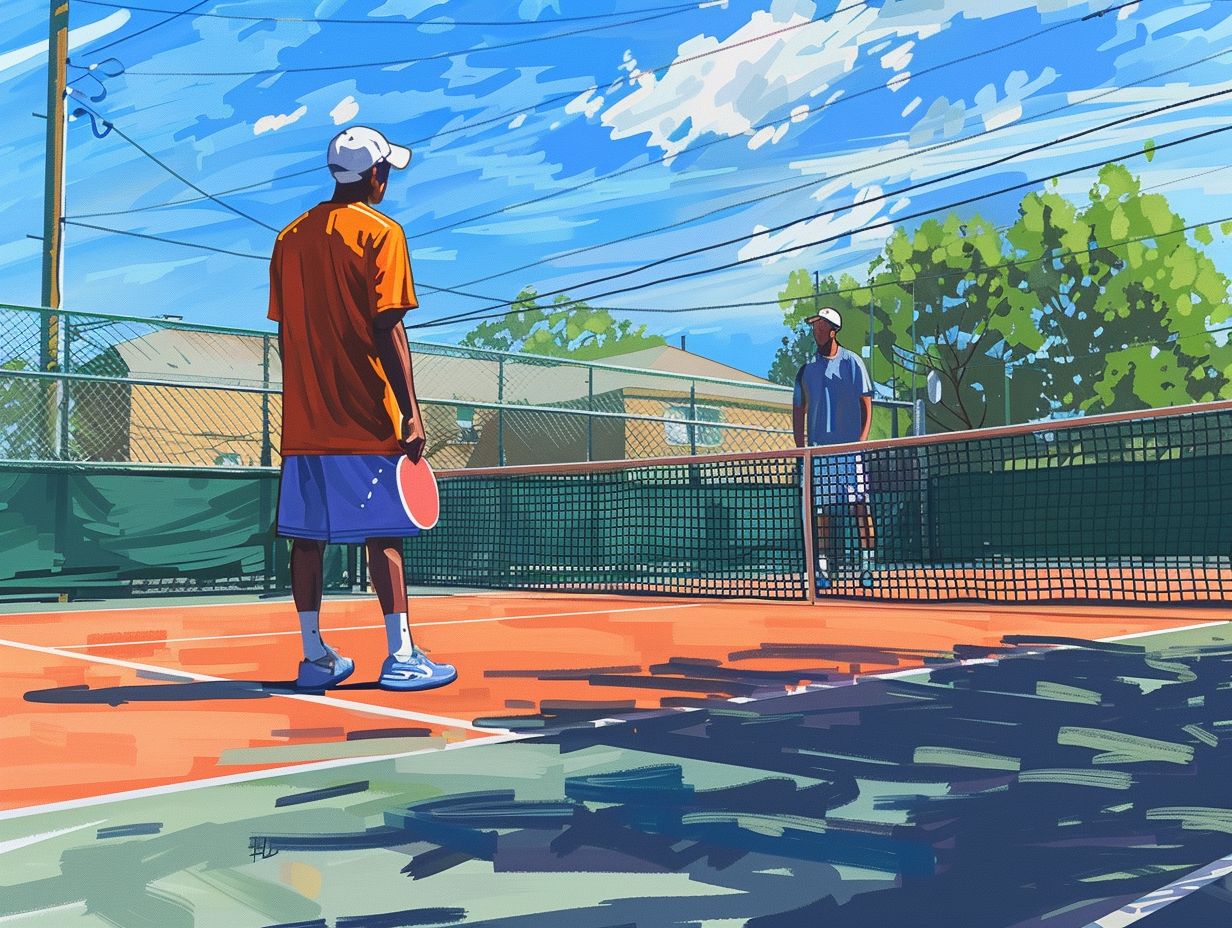
When you’re playing pickleball, ‘stacking‘ is a smart move you can use in doubles to make sure you and your partner are in the best spots on the court.
This trick is all about switching up who serves and receives to give you a better advantage, especially when one of you has a killer shot or skill. By stacking, you can use your strengths and cover more of the court without wasting energy. It messes with how your opponents see the court, maybe making them mess up or leaving openings. When you stack effectively, you’re not just improving your court coverage, you’re keeping a strong offense and defense going all game long.
Advantages of Stacking
If you start using the stacking technique in pickleball, you’ll notice a bunch of benefits that can really level up your game. You’ll see better teamwork, improved coordination, and rock-solid performance on the court.
Improved Court Coverage and Strategy
One of the key advantages of stacking in pickleball is the improved court coverage it provides you, allowing you to strategically position yourself for both offensive and defensive plays, enhancing your overall technique on the court.
By utilizing the stacking technique, you can effectively control the tempo of the game by constantly adjusting your positioning in relation to your partner. Offensively, this strategic alignment enables you to execute powerful shots from different angles, keeping your opponents on their toes. Defensively, stacking allows for seamless coverage of the court, minimizing gaps that opponents could exploit. This technique fosters better communication and coordination between players, creating a more cohesive gameplay experience.
How to Implement Stacking in Your Game
To master stacking in your pickleball game, you need to:
- Communicate clearly with your partner
- Work together as a team
- Really get the technique down to squeeze out all the benefits on the court
Tips and Techniques for Successful Stacking

When you’re aiming for successful stacking in pickleball, you’ve got to really know your stuff. Think about your skill level, nail down your tactical positioning, and be ready to switch up your strategies on the fly.
First things first, take a good look at your skill set. This will help you figure out who should be the stacker and who should be the partner. The stacker needs to own that court and bring some aggressive gameplay, while the partner’s role is to complement those moves.
Tactical positioning is another biggie. You’ve got to know when to shift from defense to offense, keep the right distance, and coordinate your shots. Stay adaptable and be ready to tweak your tactics based on your opponents’ strengths and weaknesses. Oh, and don’t forget to chat it up with your partner to make sure your game plan is on point.
When to Use Stacking
You should know when to use the stacking technique in pickleball – it can completely change the game for you. This strategy can give you a leg up in competitive play and boost your odds of scoring those key points on the court.
Strategic Situations for Stacking
In pickleball, you can really up your game by strategically stacking with your partner. This tactic works wonders in defensive scenarios, during net play, and when you need to smoothly switch positions to keep a solid defensive stance on the court.
When you find yourself on the defensive, using stacking helps you cover more ground efficiently, making it harder for your opponents to find weak spots in your defense. And when you’re up at the net, mastering the stacking technique can build a strong wall at the kitchen line, putting pressure on your opponents and limiting their offensive moves. Plus, seamlessly switching positions with your partner can throw your opponents off their game, messing with their rhythm and setting the stage for some killer strategic plays.
Potential Drawbacks of Stacking
When you’re stacking in pickleball, you’ve got a lot of perks on your side. But, watch out for those tricky teamwork dynamics, positioning hurdles, and making sure your movements are efficient. Keep those in check to level up your game and ace your performance!
Considerations and Alternatives

When you’re thinking about stacking in pickleball, it’s important to really weigh the pros and cons. Consider things like the coordination challenges you might face, the need to stay aware of the court dynamics, and how consistent you need to be in your gameplay. And don’t forget to keep an open mind about other strategies that might work better for your style of play.
One thing you should definitely think about when deciding on stacking is how well you and your teammates can work together. Stacking requires everyone to be on the same page, anticipating each other’s moves, and smoothly switching between offense and defense. Court awareness is key too, as you have to adjust to the ever-changing positions and dynamics while making sure you’re in the right spot strategically. And of course, consistency is crucial for stacking to pay off in the long run.
Frequently Asked Questions
What is stacking in pickleball?
Stacking in pickleball is a strategic positioning technique used by doubles teams to gain an advantage over their opponents. It involves one player positioning themselves closer to the net while their partner stays back at the baseline.
How does stacking work in pickleball?
When a team is stacking, the player at the net takes on a more aggressive role, intercepting shots and putting pressure on the opposing team. Meanwhile, the player at the baseline provides coverage and creates a strong defensive stance.
Why is stacking used in pickleball?
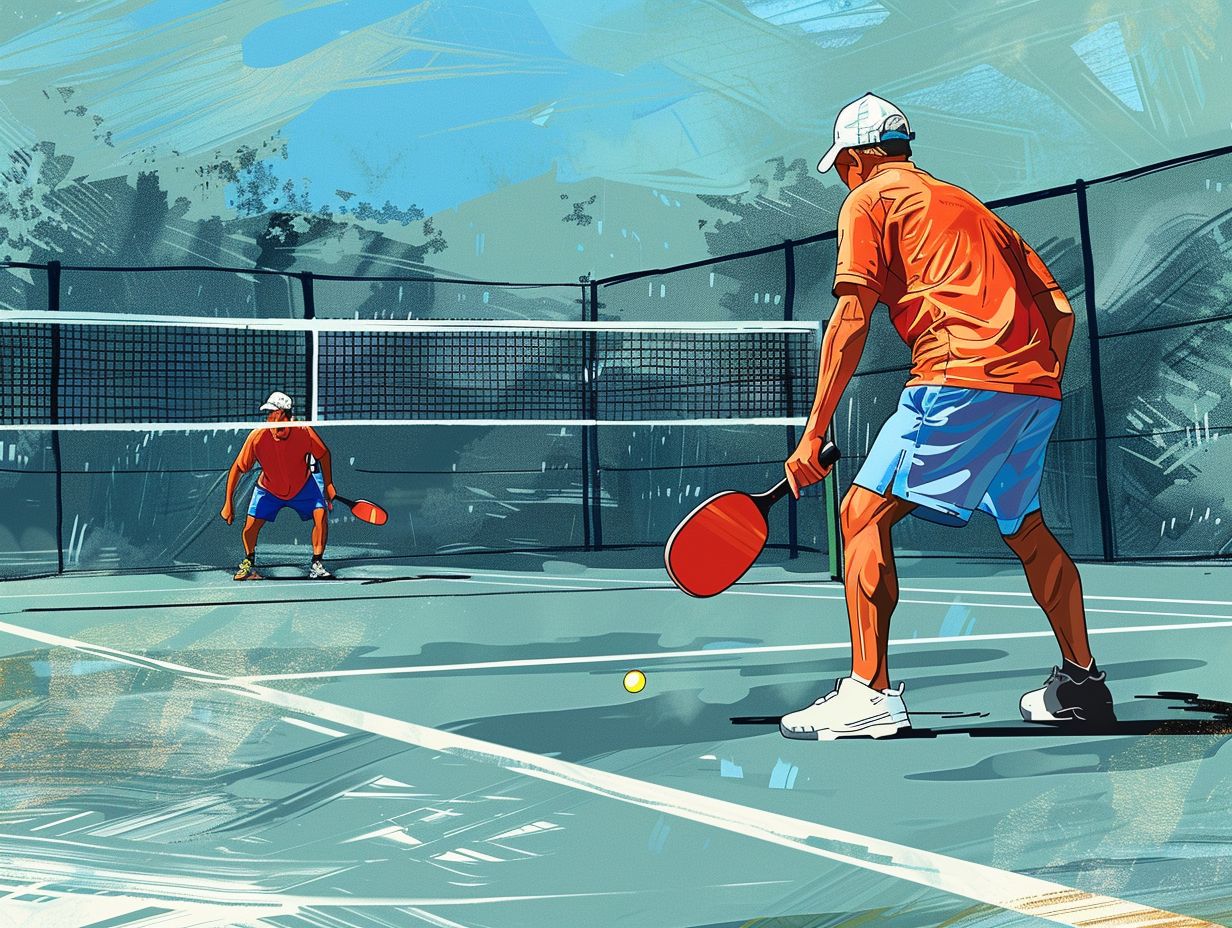
Stacking is used in pickleball to create confusion and disrupt the opposing team’s rhythm. By having one player at the net and one at the baseline, it forces the other team to constantly adjust their shots and can lead to more unforced errors.
Is stacking allowed in pickleball?
Yes, stacking is an allowed strategy in pickleball. However, it is important for players to communicate and switch positions when necessary in order to avoid any confusion or penalty points.
Can stacking be used in singles pickleball?
No, stacking is a strategy specifically used in doubles pickleball. In singles, players must stay in their designated areas and are not allowed to cross the centerline of the court.
Are there any downsides to stacking in pickleball?
While stacking can be an effective strategy, it also leaves one player vulnerable to angled shots and lobs. It is important for the player at the net to have good reflexes and for both players to communicate effectively in order to avoid any weaknesses in their defense.