Tag: USAPA

Best Pickleball Court Colors

Looking to spruce up your pickleball court with a fresh new color? In terms of choosing the right color, it’s not just about looks – it can also impact your gameplay.

Let’s dive into the most popular pickleball court colors like blue, green, and red, and check out some other options too. Remember to think about factors like location, climate, cost, and maintenance when picking a color. And don’t forget to keep that color looking fresh with cleaning and protection tips.

Whether you’re a pro or just starting out, learn how to make your pickleball court stand out and own the court!

What are Pickleball Court Colors?
What are Pickleball Court Colors?

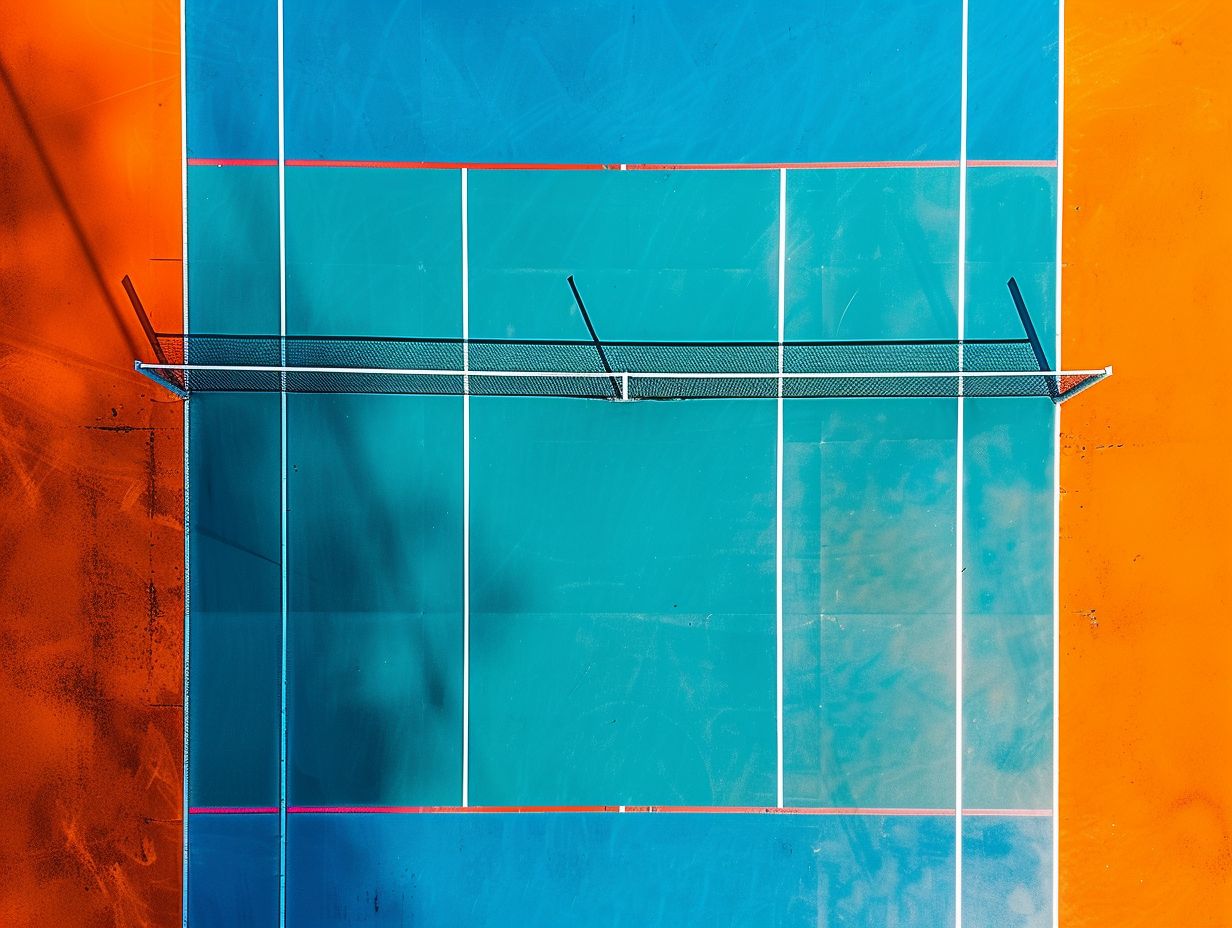
In terms of pickleball courts, the colors are more than just a pretty sight – they’re essential for both style and function. Choosing the right hues can make a big difference in how the court looks and performs.

Pickleball court colors aren’t just for show; they’re practical too. Bright, contrasting colors make it easy for players to see the court boundaries, especially during intense games, which can help prevent arguments over line calls. The right colors can also affect how well players can see the ball, making it easier to track its movements. Paying attention to these color details ensures that the court doesn’t just look good but also improves the gameplay experience for everyone involved.

Importance of Choosing the Right Color

In terms of picking the right color for your pickleball court, you’ve got a lot to think about. It’s not just about looks – the color can affect how well you can see, how you play, and how easy it is to maintain the court.

The color you choose can really make a difference in how you play. A color scheme with high contrast can help you see the ball better, making it easier to keep up with the game. Plus, picking practical colors that don’t show dirt or need constant cleaning can save you a lot of maintenance hassle. And don’t forget about durability – certain colors might fade or wear out faster with all that action on the court and exposure to the elements.

Impact on Gameplay and Aesthetics

When you’re choosing pickleball court colors, remember it’s not just about looks – it can also affect how you play the game. The colors you pick can influence player appeal, visual contrast, performance, and practicality, shaping your whole gameplay experience.

Imagine stepping onto a court with vibrant, contrasting colors – it can amp up your focus and agility, making you ready to take on the game. The color combos on the court can even mess with your depth perception, either making it easier to track the ball or adding an extra challenge to your game.

And let’s not forget the practical side of things. Court colors can affect visibility under different lighting conditions and play a role in how easy it is to maintain the court surface. So, when you’re choosing those colors, think about how they’ll impact your game and overall playing experience.

Popular Pickleball Court Colors

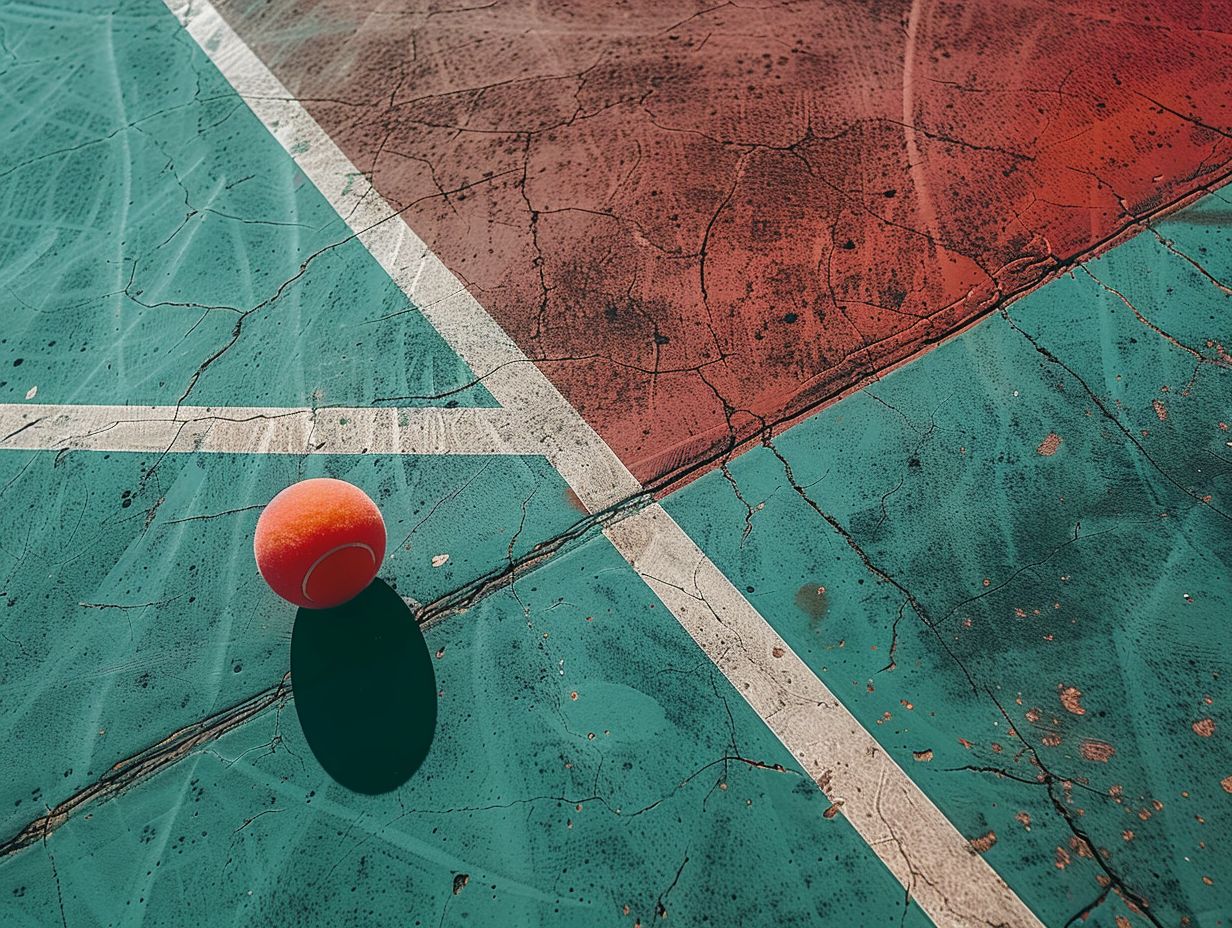
In terms of pickleball court colors, you have a variety to choose from, like shades of blue, green, red, white, and yellow. Each color brings its own style and visibility to the court.

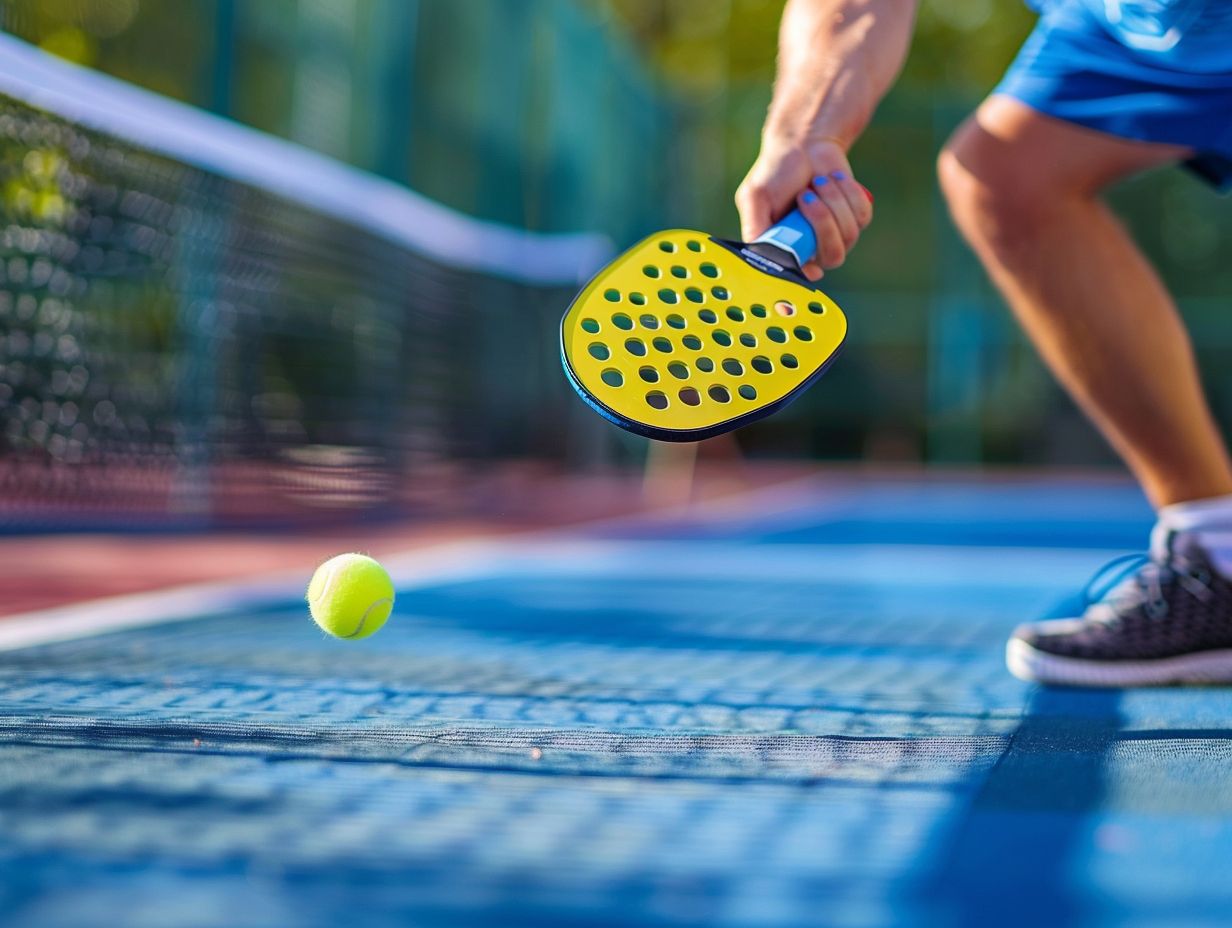
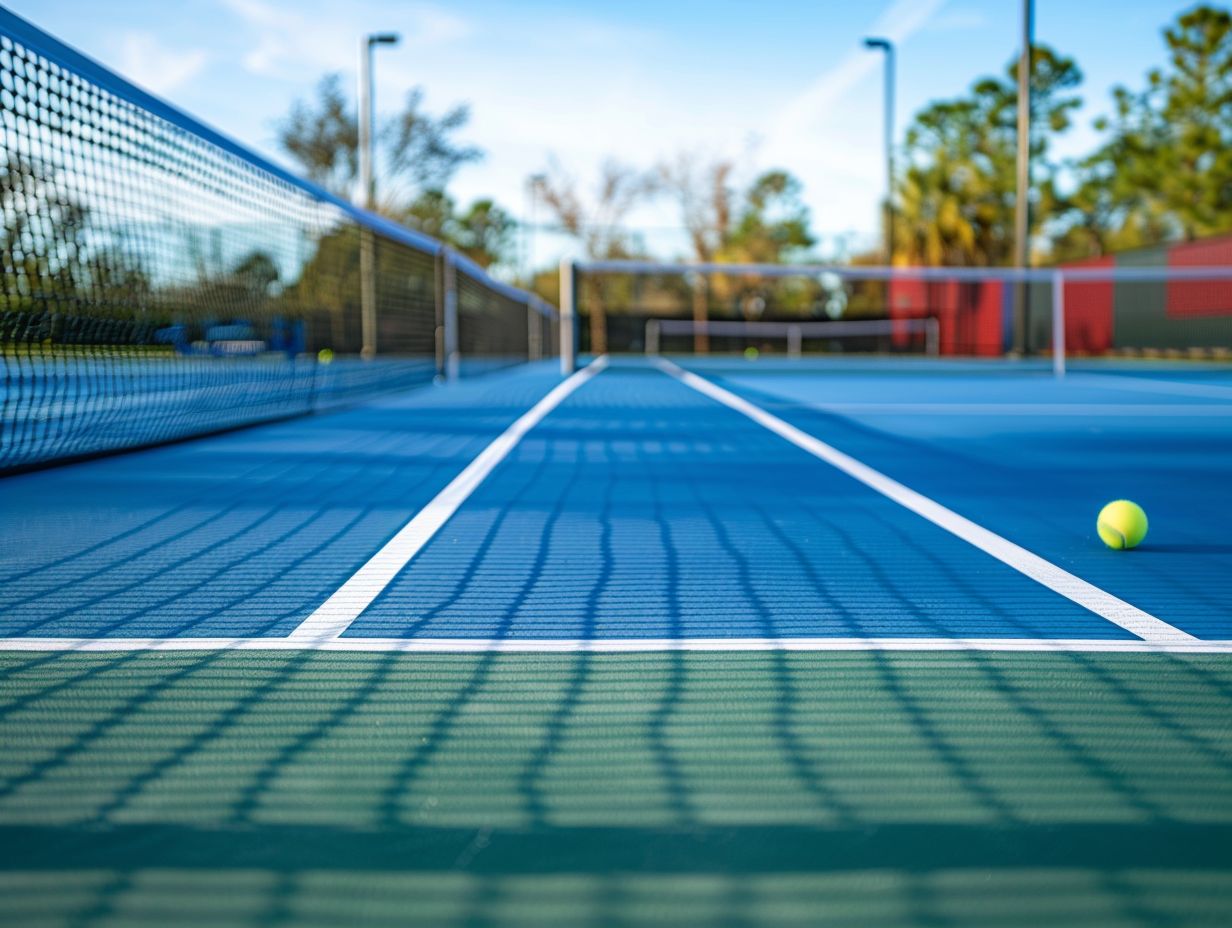
You might opt for a blue pickleball court if you’re looking for a calming vibe and better contrast with the bright yellow pickleball. It can help you keep track of the ball, especially during those intense, fast-paced games.

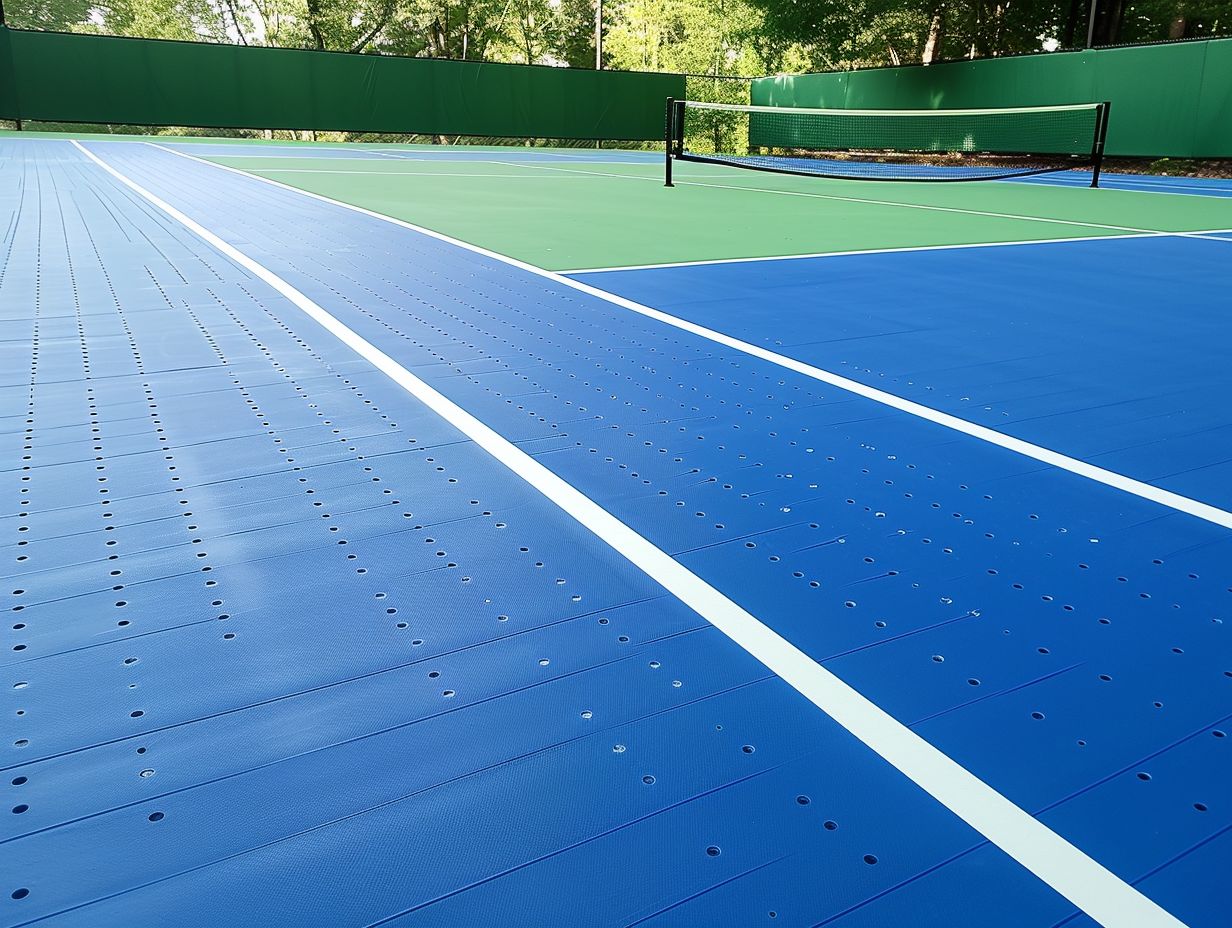
Alternatively, green pickleball courts give off a natural look that blends in nicely with outdoor settings and helps reduce glare from the sun. And if you’re into adding a pop of color, red pickleball courts bring a vibrant energy to the court that can amp up both players and spectators with their bold hue.

Blue

Opting for blue as the color for your pickleball courts is a smart move. It’s not just visually appealing, but it also helps players see the ball better, especially during tournaments.

The bright blue shade doesn’t just look cool on the court; it also makes it easier to spot the vibrant yellow pickleball. This contrast is a game-changer during intense matches, keeping players on top of their game. Plus, the calming vibe of blue sets the perfect tone for competitive play. It strikes a balance between focus and fun, creating an ideal setting for tournaments where precision and skill are everything.

Green
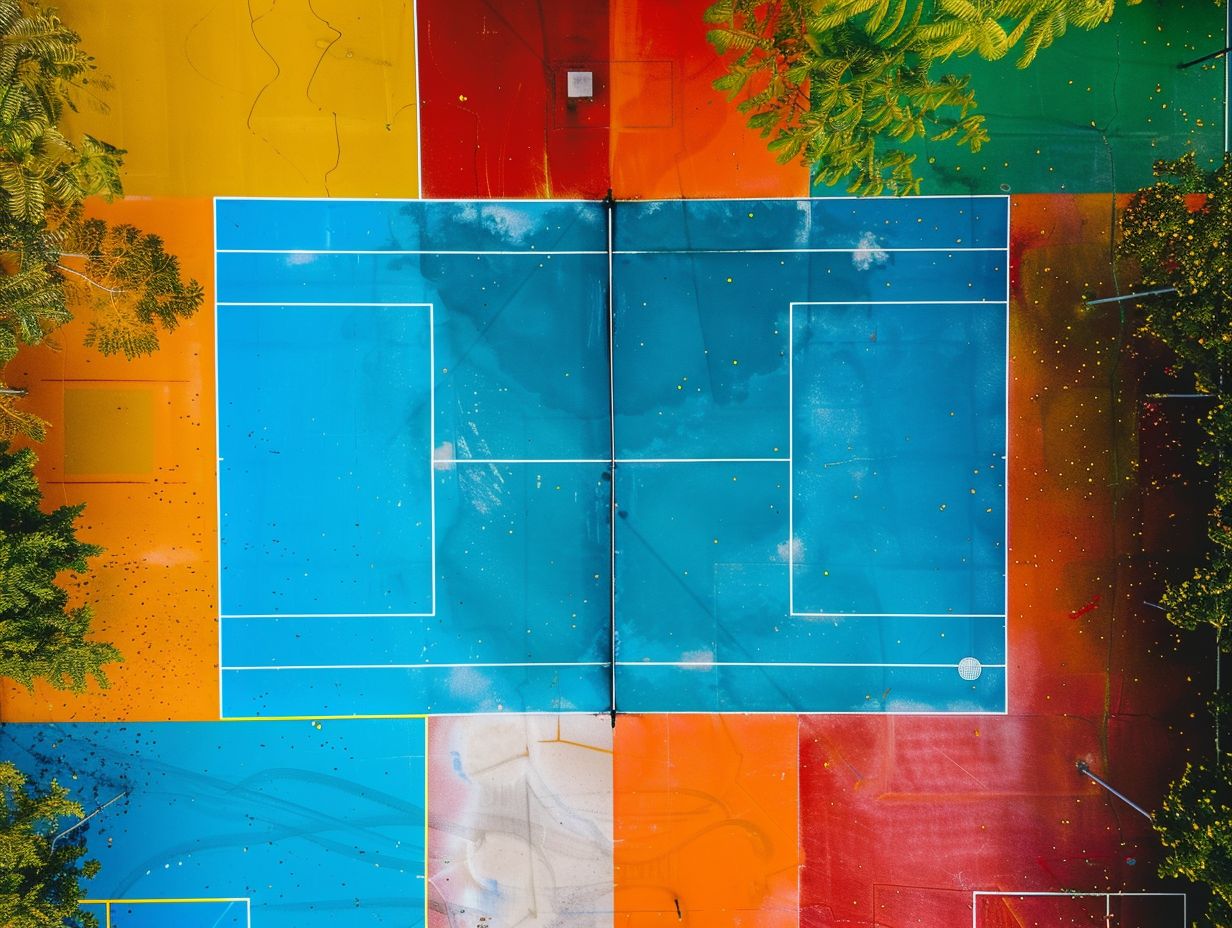
Green

When you’re choosing colors for your pickleball court, green is a solid option that hits all the right notes. It’s got that perfect mix of visual appeal, contrast, player-friendly features, and practicality that players and organizers love.

Plus, that vibrant green really kicks up the look of the court and makes that bright yellow ball pop. It’s all about keeping your eye on the ball during those intense games, and the green court helps you do just that. And let’s not forget about how green can actually boost your game by helping you track that ball like a pro.

And hey, green courts are tough cookies too. They can handle the wear and tear of some serious play and are a breeze to maintain. So, when you’re thinking pickleball court colors, green is where it’s at – stylish, practical, and all-around player-approved.

Red

You should consider red pickleball court colors for a few key reasons. The striking aesthetics not only look cool but also make it easier to see the court and improve your game.

The vibrant red stands out against the lines and boundaries, helping you keep track of the ball during intense rallies. This visibility leads to smoother gameplay and fewer missed shots.

Plus, the color red can actually amp you up mentally, boosting your energy and focus to enhance your performance on the court. So, why not give red a shot next time you hit the court?

Other Color Options

When you’re on the pickleball court, you’ve got more color choices than just the usual blue, green, and red. Pickleball courts offer a whole rainbow of options for you to pick from, letting you jazz up your game and court style.

Whether you’re feeling the bright vibes of yellows and oranges or going for a more sophisticated look with greys and purples, the range of colors for pickleball courts is pretty diverse. When you’re deciding on the perfect colors for your court, you’ve got to think about things like how visible they’ll be in different lighting, how well they stand out against the ball, and the overall vibe you want for the court. Picking the right colors can help you track the ball better and make sure you see those court boundaries clearly. By adding some color customization, you can create a totally unique atmosphere that not only amps up your gameplay but also boosts the court’s overall appeal.

Factors to Consider When Choosing a Color

When you’re choosing a color for your pickleball court, you’ve got to think about a few key things like where the court is, what the weather’s like there, how much it’ll cost, and what kind of upkeep it’ll need.

The location of your court is a big deal when it comes to picking a color. If it’s an outdoor court in a sunny area, darker colors might soak up more heat, making the court scorching on hot days. On the flip side, in colder places, lighter colors could bounce back light and heat, helping with visibility and keeping players comfy.

Money matters too. Some color choices might need more touch-ups to keep looking fresh, which can drive up maintenance costs. It’s all about finding that sweet spot between looks, practicality, and making sure your court stays in top shape for the long haul.

Location and Climate

When choosing colors for your pickleball court, take into account the location and climate of the site. These factors are key in selecting colors that can withstand the weather, handle temperature changes, reflect light, and ensure the safety of players.

In areas with hot weather, you’ll want to go for lighter colors that don’t absorb as much heat, keeping the court surface cool for a more comfortable game. On the flip side, if you’re in a colder region, darker colors might be better to soak up warmth. And don’t forget about reflectivity – choosing colors that minimize glare can improve visibility and reduce the risk of accidents.

Safety is also a big consideration, so think about using contrasting colors to clearly mark the court boundaries and help players stay oriented during matches.

Cost and Maintenance
Cost and Maintenance

When you’re thinking about the cost and maintenance of a pickleball court, you’ve gotta find that sweet spot between looks, practicality, durability, and budget-friendly upkeep. The color you pick for your court can really set the vibe, affecting how players feel and even showing off your facility’s style.

As you decide on a color, think about the practical stuff too. You want to make sure players can see the lines clearly and that the color doesn’t blend into the background. It’s all about safety and making sure everyone has a good time. Plus, you need a color that can handle all the action, weather, and upkeep without fading or wearing out too quickly.

So, aim for a color that not only looks good but also won’t break the bank when it comes to maintenance. Finding that balance between aesthetics and cost-effective care is key when choosing the color for your pickleball court.

Tips for Maintaining the Color of Your Pickleball Court

To keep your pickleball court looking sharp and colorful, it’s important to use effective cleaning and protection methods to maintain the vibrancy and durability of the court surface.

You should make it a habit to clean the court regularly with a gentle detergent and water mix to prevent dirt buildup and keep those colors popping. Adding a UV-protective sealant will help shield the court from sun damage and preserve its original hues. Don’t forget to set up a maintenance routine to check for cracks or damages and fix them right away to keep the color quality intact. By following these cleaning, protection, and maintenance tips, you’ll be able to prolong the life and brightness of your pickleball court.

Cleaning and Protection Techniques

You need to make sure you’re taking care of your pickleball courts properly to keep them in top shape for the long haul. Stay in the loop about what’s trending in court maintenance, from lighting options to ideal dimensions and cleaning routines.

Don’t overlook how important lighting is for the overall pickleball experience. LED lights are getting all the hype for being energy-efficient and giving off a nice, bright glow.

And don’t forget about those court dimensions – sticking to the standard sizes is key for fair play and everyone’s safety.

In terms of cleaning, using the right methods isn’t just about appearances. It also helps prevent damage and makes sure your courts last longer.

Keep yourself informed about the latest court maintenance trends so you can keep your pickleball courts looking sharp for years down the line.

Frequently Asked Questions

What are the best pickleball court colors to use?

The most commonly used and recommended colors for pickleball courts are green and blue. These colors provide good visibility for players and are easy on the eyes.

Are there any other recommended colors for pickleball courts?
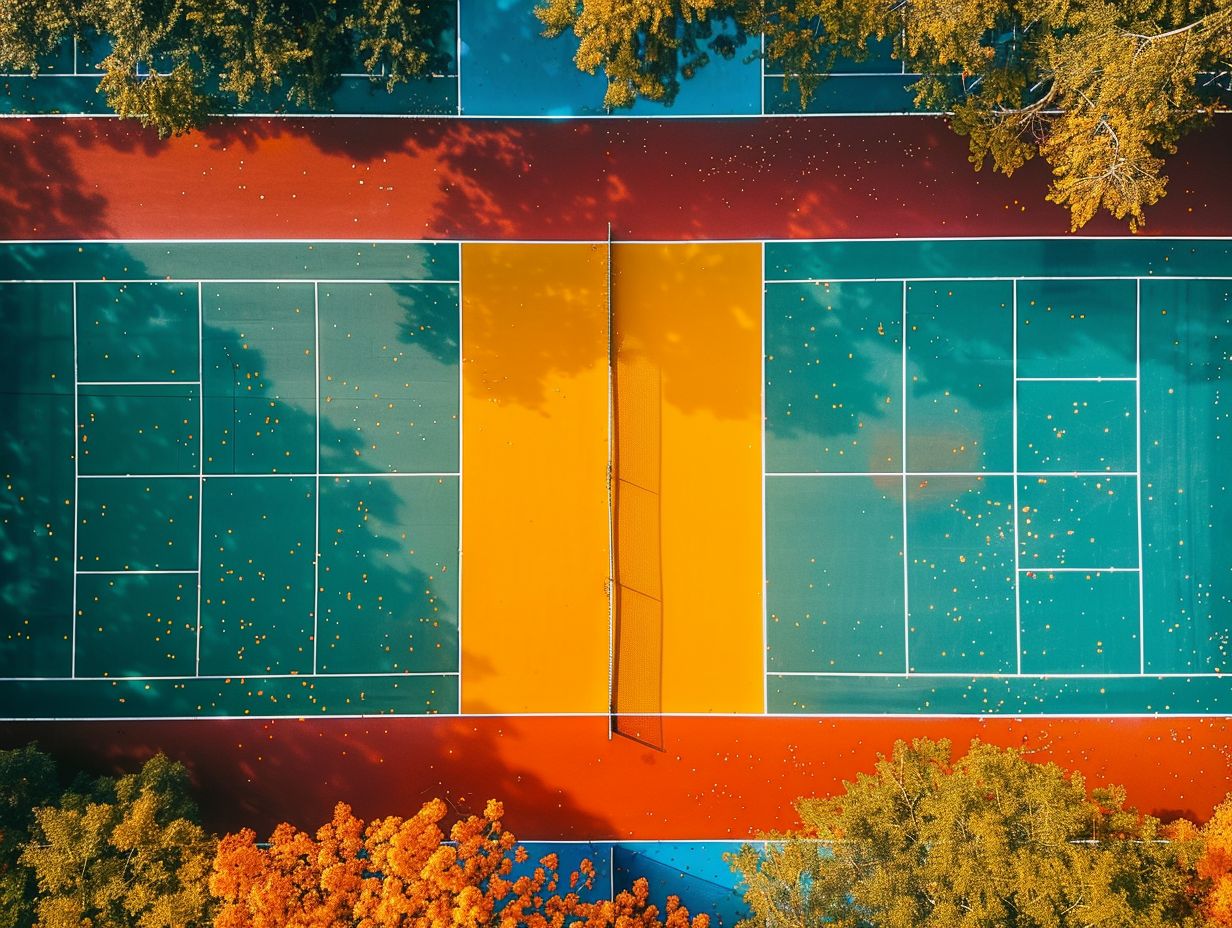
Are there any other recommended colors for pickleball courts?

Some other popular colors used for pickleball courts include red, black, and even purple. However, it is important to consider the contrast with the surrounding environments and lighting conditions when choosing these colors.

Why are green and blue considered the best colors for pickleball courts?

Green and blue are the best pickleball court colors because they provide good contrast with the yellow pickleball and make it easier for players to track the ball during gameplay. These colors also tend to blend well with the natural surroundings of outdoor courts.

Do different court surfaces affect the choice of pickleball court colors?

Yes, the color of the court surface can also play a role in determining the best pickleball court colors. For example, if the court surface is already a bright color, a darker court color may be more suitable for contrast and visibility purposes.

Can I choose any color for my pickleball court?

While there are recommended colors for pickleball courts, you are free to choose any color you prefer for your personal court. Just keep in mind the importance of contrast and visibility for gameplay purposes.

Are there any colors that should be avoided for pickleball courts?

Yes, colors that blend in too much with the surroundings or are too bright and distracting should be avoided for pickleball courts. Examples include white, yellow, and orange, which can make it difficult for players to track the ball.

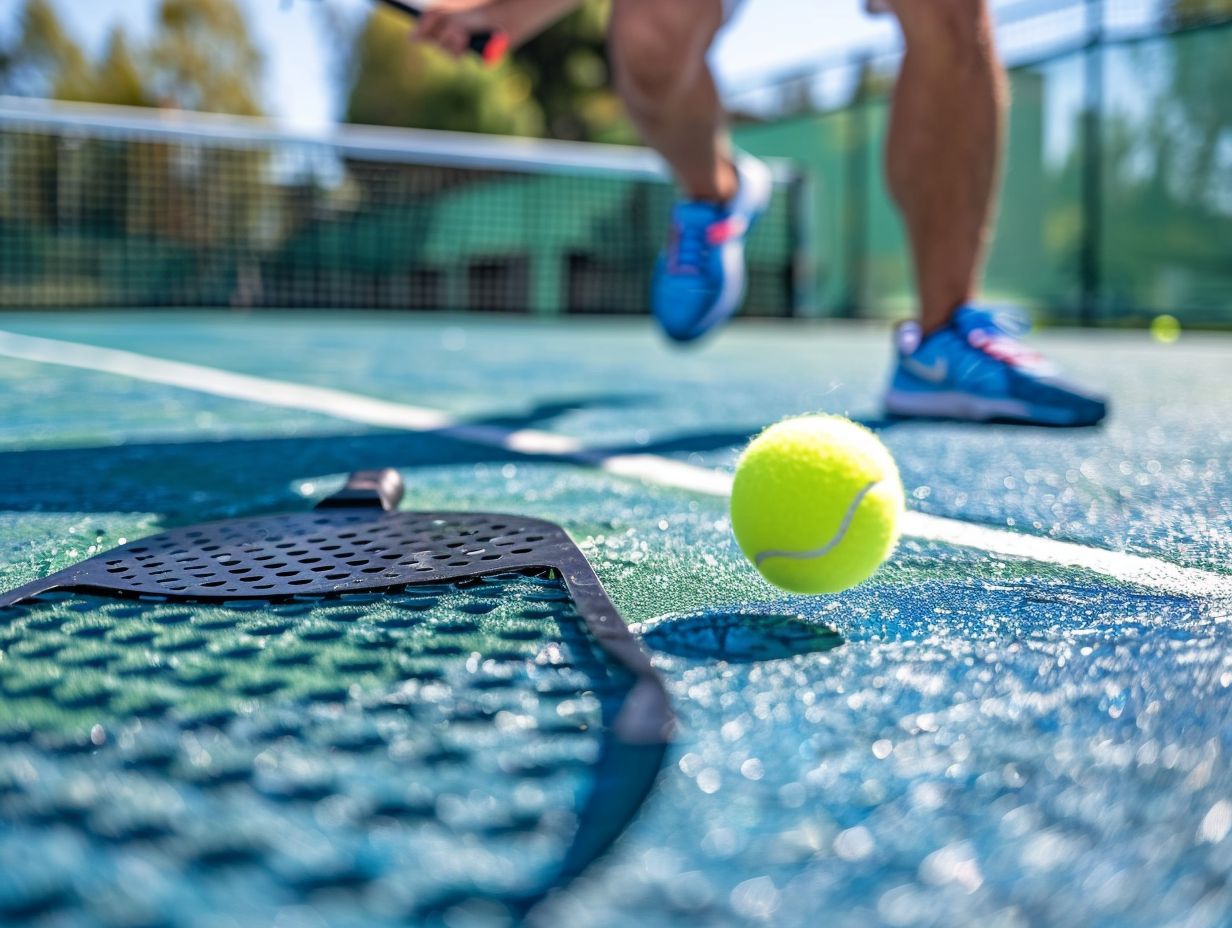
How To Become A Professional Pickleball Player

Curious about the world of professional pickleball? Let’s take you on a journey from being a beginner to becoming a successful pickleball player.

We’ll explore the steps you need to take in developing your skills, entering tournaments, and building a reputation in the pickleball community.

We’ll dive into the importance of training, physical conditioning, mental preparation, and strategy to help you excel in the sport.

Stay tuned for some valuable tips on maintaining a balanced lifestyle and continuing your growth as a professional player.

What is Pickleball?

What is Pickleball?

Pickleball is a paddle sport that’s all the rage these days, mixing up elements from tennis, badminton, and table tennis. You play it on a court with a net, smacking around a plastic ball with little holes in it. And hey, you can play it solo or partner up, so it’s super flexible and keeps things interesting.

What makes pickleball stand out is its smaller court size compared to traditional tennis. That means it’s open to players of all ages and skill levels, no sweat. Plus, the game is all about strategy and finesse, blending power and precision to outsmart your opponents. It’s that perfect combo that hooks both newbies and seasoned players alike.

The best part? Pickleball’s rules are simple and it’s super easy to get into. So, you can dive right in and start having a blast with the game from the get-go.

The Path to Becoming a Professional Pickleball Player

Embarking on the journey to becoming a professional pickleball player requires dedication, hard work, and a strategic approach to skills development and tournament participation. It’s a path that demands commitment and a passion for the sport, along with a focus on continuous improvement.

As you transition from a casual player to a professional athlete, it is vital to dedicate time to training sessions, refining techniques, and enhancing physical conditioning. Engaging in regular practice matches and seeking coaching feedback are instrumental in identifying areas for growth and fine-tuning gameplay strategies. Actively participating in local and regional tournaments provides invaluable experience, exposing you to different playing styles and fostering a competitive mindset. Developing a deep understanding of the game’s nuances and mastering advanced techniques are crucial steps towards achieving success in the professional pickleball circuit.

Starting as a Beginner

As a beginner in the world of pickleball, you need to focus on developing foundational skills like proper grip techniques, paddle control, and basic shot selection. Make sure you dedicate yourself to regular practice sessions to master these fundamental aspects of the game.

Consistent practice routines will not only improve your technical abilities but also help you develop strategic thinking and court awareness. Remember to stay patient with yourself as you progress because mastering pickleball is a journey that takes time and effort. Treat every mistake as an opportunity to learn and grow.

Surround yourself with experienced players who can provide guidance and support along the way. Embrace challenges and setbacks as part of the learning process, and maintain a positive attitude towards continuous improvement.

Developing Skills and Techniques

Building expertise in pickleball involves embarking on a journey of experience where you measure success by hitting your personal goals and milestones. It’s all about continuous learning, fine-tuning your techniques, and keeping a growth mindset to tackle those challenges.

As you navigate your pickleball journey, setting specific goals can be a game-changer in boosting your skills. Breaking down those big objectives into smaller, achievable targets lets you monitor your progress and keep that fire burning.

Every game and practice session is a goldmine of insights that can help you tweak your strategy and technique. Being able to adapt on the fly during a match lets you try out new tactics, sharpen your skills, and stay sharp when facing different opponents and game situations.

Entering Tournaments and Competitions

When you participate in pickleball tournaments, you open yourself up to valuable opportunities for player development. Teamwork and sportsmanship are key players in shaping your competitive spirit and ethical conduct on the court.

Being part of tournaments isn’t just about showcasing your skills; it’s also about learning from others, building camaraderie, and fostering mutual respect.

By going up against different opponents and facing challenging situations, you have the chance to develop resilience and adaptability – qualities that are not only essential in sports but in life, too.

Tournaments emphasize fair play and uphold the principles of sportsmanship, creating a positive environment where you can shine while maintaining integrity and showing respect for your fellow competitors.

Networking and Building a Reputation

Networking and Building a Reputation

Networking within the pickleball community can really help you show off your talent, love for the sport, and dedication to being the best you can be. When you build a positive reputation among your peers and other pros, you’re opening up all kinds of new doors for yourself.

By getting involved with the community, whether that’s through tournaments, hanging out at social events, or chatting online, you’re setting yourself up to make some valuable connections. These connections could lead to sponsorships, coaching gigs, or even cool partnerships for new projects.

Keep up the great work on the court and stick to your strong work ethic. Not only will you improve your skills, but you’ll also show everyone how committed you are to pickleball. That kind of dedication doesn’t go unnoticed – you’ll earn respect and recognition from your fellow players and influencers in the industry.

Building up a solid reputation is the key to long-term success and growth in the ever-evolving world of pickleball.

Training and Practice for Pickleball

In your pickleball journey, effective training and practice routines are your best buddies. They cover all bases, from boosting your fitness levels, agility, and speed to honing specific skills that’ll take your game to the next level. A well-rounded training plan is your ticket to reaching peak performance on the court.

In terms of physical fitness in pickleball, the name of the game is enhancing your overall health and maximizing your on-court potential. It’s all about incorporating exercises that amp up your agility, speed, and strength, giving you the edge in endurance and mobility during those intense matches.

For players like you, drills that focus on footwork, reaction time, and swift movements are golden. These drills help you position yourself like a pro for killer shots and returns. By sticking to consistent practice sessions that target these crucial elements, you’re building up that muscle memory and reflexes. This translates to sharper decision-making and laser precision in your gameplay. Trust me, it’s game-changing stuff.

Physical Conditioning and Endurance

When you’re gearing up for pickleball, don’t forget about the importance of physical conditioning and endurance training. You need those speed drills, agility exercises, and cross-training routines to make sure you’ve got the stamina and resilience to rock the court. It’s all about keeping your peak performance up when you’re in it for the long haul.

By adding speed drills into your routine, you’ll level up your footwork and reaction time, which are key for zipping around the court like a pro. Agility exercises? They’ll boost your coordination, balance, and overall agility, making those quick moves and tough shots a piece of cake.

And don’t sleep on cross-training! Whether you’re hitting the pool, hopping on a bike, or flowing through some yoga poses, mixing up your workouts will target different muscle groups and amp up your fitness game. Diversifying your routine with these activities will enhance your athletic skills and endurance, setting you up for a killer performance on the pickleball court. Time to get that all-around edge!

Improving Technique and Strategy

In terms of enhancing your technique and strategic gameplay in pickleball, it’s all about mastering shot selection, keeping your performance consistent, refining your footwork, and developing tactical strategies that can adapt to different opponents and game situations.

You’ve got to put in the practice and focus on mixing up your shots to not only challenge your opponents but also throw them off their game. Consistency is key when it comes to executing your strokes and movements – it’s like building a rock-solid foundation for your overall performance. And don’t forget about nailing your footwork to efficiently reach the ball and maintain proper court positioning.

Strategic planning is where you anticipate your opponent’s next move and adjust your game plan to stay one step ahead and gain that competitive edge.

Mental Preparation and Focus

In terms of elite pickleball performance, you need to be mentally prepared and focused. It’s all about having a strong mindset, staying resilient under pressure, understanding sports psychology principles, making quick decisions, and reacting fast to seize opportunities during those intense matches.

To keep your mental game strong on the court, having a positive mindset is key. Try using visualization techniques to picture yourself succeeding and boost your confidence. Deep-breathing exercises can also help you manage those nerves and stay cool in high-pressure situations. Don’t forget to stay in the moment and trust all that training you’ve put in during your matches.

Make sure to do regular mental exercises and practice mindfulness to take your mental preparation and overall performance in pickleball to the next level. It’s all about getting your head in the game!

Tips for Success as a Professional Pickleball Player

Tips for Success as a Professional Pickleball Player

To achieve success as a professional pickleball player, you need to find the right balance between your on-court performance, working on self-improvement, and leading a well-rounded lifestyle that takes care of your physical, mental, and emotional well-being.

It’s all about growing continuously and evaluating yourself to make sure you can keep succeeding in this competitive world.

Don’t be scared to reach out to experienced players and coaches for advice and mentorship as you go down this path. Embrace challenges as chances to learn and grow, no matter if you win or lose.

And always remember to take care of your body and mind, making sure to include rest and recovery in your training routine.

Keep yourself on track by setting realistic short-term and long-term goals to stay motivated. Keep a positive attitude and surround yourself with a network of supportive players and mentors to help you grow and excel.

Maintaining a Balanced Lifestyle

To maintain a balanced lifestyle as a pickleball athlete, you need to make mindful choices when it comes to nutrition, hydration, and recovery strategies. Fueling up right, staying hydrated, and practicing effective recovery techniques are key to keeping your performance at its peak and feeling your best both on and off the court.

In terms of nutrition, make sure you’re getting a well-rounded diet packed with lean proteins, complex carbs, healthy fats, and a mix of vitamins and minerals. Including colorful fruits and veggies, whole grains, and lean protein sources can give your body the nutrients it needs for energy and muscle repair.

Don’t forget about hydration! It’s crucial for athletes to keep that fluid balance in check by sipping on water regularly throughout the day and during training sessions.

After a tough match, focus on recovery by doing things like stretching, foam rolling, and getting plenty of rest. These activities help your body repair and adapt, setting you up for even better performance in the long run.

Continuing Education and Growth

In terms of your pickleball journey, it’s all about embracing growth and learning. Start by focusing on injury prevention strategies to keep yourself in top shape. By putting in the effort to understand how to prevent injuries, you’re not just taking care of yourself but also ensuring you can keep enjoying the game for years to come.

Consider getting coaching certifications to up your game. It’s a great way to deepen your knowledge, sharpen your teaching skills, and help out fellow players looking to improve.

And don’t forget about professional leagues! They’re not just about competition – they can also be a fantastic way to connect with other players, industry pros, sponsors, and maybe even discover new career opportunities outside the court. So, get out there, keep growing, and see where pickleball can take you!

Final Thoughts and Recommendations

In the grand scheme of things, you need to nurture both an athlete mindset and a competition mindset to thrive in the cutthroat world of pickleball. Embrace a mentality of always striving to get better, bouncing back from setbacks, and pushing yourself to be the best player you can be.

Keep a positive outlook on growth, and be ready to learn from both your wins and losses. Set goals that are challenging but doable, and make sure you stick to your training and practice routines. Getting advice from seasoned coaches, analyzing your opponents’ strategies, and getting out there in tournaments will give you the experience you need.

Having a strong work ethic, being able to adapt to different game conditions, and having a supportive group of fellow players by your side will give you that competitive edge you need in the thrilling world of pickleball.

Frequently Asked Questions

What skills do I need to become a professional pickleball player?

What skills do I need to become a professional pickleball player?

To become a professional pickleball player, you will need to have exceptional hand-eye coordination, speed, agility, and strategic thinking abilities. You should also have a strong serve, accurate shots, and the ability to anticipate your opponent’s moves.

Do I need to have prior experience in other sports to become a professional pickleball player?

While prior experience in sports such as tennis, badminton, or ping pong can be beneficial, it is not necessary to become a professional pickleball player. Pickleball is a unique sport and many professional players come from diverse sporting backgrounds.

What kind of training should I do to become a professional pickleball player?

To become a professional pickleball player, it is important to focus on developing your overall fitness, including strength, endurance, and flexibility. You should also dedicate time to practicing specific pickleball skills, such as footwork and shot accuracy, and play against opponents of varying skill levels.

Can I make a living as a professional pickleball player?

Yes, it is possible to make a living as a professional pickleball player. The sport is gaining popularity and there are opportunities for prize money, sponsorships, and endorsements. However, it is important to have a backup plan and be financially stable, as professional pickleball is still a relatively new and growing sport.

Do I need to compete in tournaments to become a professional pickleball player?

While competing in tournaments can be a great way to gain experience and exposure, it is not the only path to becoming a professional pickleball player. You can also focus on improving your skills and networking with other players and coaches to get noticed.

What mindset do I need to have to become a professional pickleball player?

To become a professional pickleball player, you need to have a competitive mindset and be willing to put in the hard work and dedication required. You should also be open to learning and continuously striving to improve your skills. Mental toughness and the ability to handle pressure and setbacks is also important in this sport.

What Is A Pickleball Court Made Of

Interested in learning about what goes into making a pickleball court?

In this article, you’ll delve into the materials used for pickleball courts.

  • We’ll cover the common court materials, weigh the pros and cons of different options, explore factors to keep in mind when selecting a court material, and share tips for maintenance.
  • We’ll also chat about the upkeep and longevity of pickleball courts, along with cost comparisons of various court materials.
  • Keep reading to uncover more about the intriguing world of pickleball court construction!

What is Pickleball?

What is Pickleball?

When you step onto the pickleball court, you’re diving into a paddle sport mashup of tennis, badminton, and table tennis. The game unfolds on a rectangular court with a net slicing it in half, and your goal is to volley a plastic ball with holes over the net using your paddle.

Back in 1965, Joel Pritchard, Bill Bell, and Barney McCallum cooked up Pickleball on Bainbridge Island, Washington. Thanks to its simple rules and social vibe, Pickleball quickly became a hit for players of all ages. The USA Pickleball Association (USAPA) takes the lead in the sport, setting the official rules and overseeing the game in the US.

Your Pickleball gear typically includes paddles crafted from composite materials or wood, and a plastic ball with precisely drilled holes to slice through the wind. The International Tennis Federation (ITF) has also hopped on the Pickleball bandwagon, recognizing it as a sport on the rise globally, complete with tournaments and leagues popping up all over the world.

Materials Used for Pickleball Courts

When you’re building a pickleball court, it’s important to pick the right materials that will give you durability and top-notch performance. The materials for your pickleball court can depend on things like where you’re putting it (inside or outside), your budget, and the kind of playing experience you want.

Overview of Common Court Materials

Regarding pickleball courts, you’ve got options like acrylic, asphalt, and concrete to choose from. Each material brings its own flair to the game, affecting things like bounce, texture, speed, and grip.

Acrylic courts are all about that consistent bounce, giving you a reliable playing surface to work with. The smooth texture of acrylic also amps up the ball speed, perfect for those who like a fast-paced game. Just watch out for the grip – it can be a bit tricky during those quick side-to-side moves.

On the flip side, asphalt courts give you killer grip thanks to their slightly rough texture, letting you really dial in your shots. But keep in mind, the bounce on asphalt can be a bit unpredictable, adding an element of surprise to your play.

Then there’s concrete – tough, affordable, but maybe not the kindest to your joints. The hard surface texture might not be as forgiving, so you might feel it in those knees after a long match.

Pros and Cons of Different Court Materials

You need to understand the pros and cons of different pickleball court materials to make a smart choice. Sure, materials like fiberglass are tough and easy to take care of, but remember to think about things like how often they might need resurfacing.

Factors to Consider for Choosing Court Material

Factors to Consider for Choosing Court Material

When you’re picking out a material for your pickleball court, there are a few things you need to think about. Consider factors like dimensions, specifications, and where you’ll be playing. Each material choice can really make a difference in how your court plays and how long it lasts.

Make sure the court dimensions match up with official standards so you can have a fair game every time. The material specifications, like surface texture and resilience, are super important for player safety and performance. Think about where you’ll be playing – indoors or outdoors – to figure out the best material for your court. By looking into all these factors, you’ll be able to create a killer pickleball court that not only follows the rules but also improves your playing experience.

Maintenance and Durability of Pickleball Courts

You know that taking care of pickleball courts is crucial to keeping them in top shape. Regular maintenance, like resurfacing and repainting, is key to making sure the court lasts a long time and offers the best playing experience.

Tips for Maintaining Different Court Materials

Regarding maintaining different court materials, you need to follow specific care routines to keep them in top shape for the long haul. Things like regular striping and surface treatments can go a long way in preserving the quality of your court over time.

For asphalt courts, make sure to fill any cracks pronto to stop water from seeping in and causing damage. Keeping a close eye on the surface for signs of wear and tear is crucial to maintaining its smoothness and integrity.

If you have concrete courts, giving them a fresh coat of acrylic paint not only boosts their looks but also adds a protective layer for added durability.

And for clay courts, nailing the watering and grooming techniques is key to keeping dust at bay and ensuring a consistent playing surface.

Cost Comparison of Different Court Materials

When you’re planning and budgeting for a pickleball court, you need to compare the costs of different materials. Think about things like how much it’ll cost to install each option and whether you can do it yourself. These factors will play a big role in determining the overall cost of building your pickleball court.

Factors Affecting Cost and Potential Savings

Factors Affecting Cost and Potential Savings

When building your pickleball court, there are a few things that can sway the overall cost, like labor expenses, professional contractor fees, and material costs. Take a closer look at these factors to sniff out some potential savings.

Professional contractor fees are a big part of the cost puzzle. Sure, hiring pros might mean shelling out more upfront, but their skills can lead to a smoother, top-notch build that saves you money on maintenance in the long run.

Choosing the right materials at the planning stage is key to balancing quality and affordability. Opt for cost-effective options that don’t skimp on durability. By exploring different materials and teaming up with contractors to make the most of resources, you can cut costs without sacrificing the look and function of your pickleball court.

Frequently Asked Questions

What is a pickleball court made of?

A pickleball court is typically made of a hard, smooth surface such as concrete, asphalt, or wood. These materials provide a sturdy and consistent playing surface for the game.

What is the most common material used for pickleball courts?

Concrete is the most common material used for pickleball courts, as it is durable and easily accessible. Many public parks and recreational centers have concrete courts available for use.

Can a pickleball court be made of other materials?

Can a pickleball court be made of other materials?

Yes, in addition to concrete, pickleball courts can also be made of asphalt, which is a more affordable option, or wood, which is popular for indoor courts. Some courts may also use synthetic materials or turf.

What is the ideal size for a pickleball court?

A standard pickleball court is 20 feet wide and 44 feet long, with a 36-inch-high net in the center. However, court sizes may vary depending on the available space and court regulations in different locations.

Are there any specific requirements for the playing surface of a pickleball court?

Yes, the surface of a pickleball court must be smooth and free of any cracks or irregularities. It should also have minimal bounce and be able to provide traction for players to make quick movements on the court.

Can a pickleball court be used for other sports?

Yes, a pickleball court can also be used for other sports such as tennis or badminton. The court dimensions and net height may need to be adjusted accordingly, but the surface material can still be the same.