
Tag: how to

Home Remedies For Sinus Congestion – Get Relief

Are you tired of dealing with sinus congestion? Whether it’s caused by allergies, a cold, or a sinus infection, the symptoms can be uncomfortable and bothersome.

In this article, we will explore the common causes of sinus congestion, the typical symptoms you may experience, and some effective ways to find relief.

From steam inhalation to natural remedies like apple cider vinegar and ginger, we’ve got you covered. Say goodbye to sinus congestion and hello to clear breathing!

What Causes Sinus Congestion?

What Causes Sinus Congestion?

Sinus congestion can be triggered by various factors, including allergies, common cold, sinus infections, and deviated septum. These causes can lead to the inflammation and blockage of your sinus passages, resulting in discomfort and pressure.

Allergies, for instance, can prompt your body to release histamines in response to allergens, such as pollen or dust particles, causing your nasal passages to swell and produce excess mucus. Similarly, a common cold can inflame your sinus lining, leading to congestion and difficulty breathing. Infections, whether viral or bacterial, can also contribute to your sinus congestion by causing your sinuses to fill with fluid and become inflamed. Structural issues like a deviated septum can create an obstruction in your nasal passages, impeding proper airflow and drainage, further exacerbating your sinus congestion.

1. Allergies

Allergies might be the culprit behind your sinus congestion, as your body’s immune system reacts to allergens by causing inflammation in your sinus passages. Watch out for common allergens like pollen, dust mites, pet dander, and certain foods that can make your sinus issues worse.

When you’re exposed to pollen, you might start experiencing hay fever symptoms. This can make your sinuses swell up, inflame them, and make it hard to breathe. Dust mites, cozying up in your bedding and upholstery, can stir up allergic reactions in those with sensitivities, adding to your sinus congestion. Pet dander, those little skin flakes shed by animals, is another usual suspect that can make your sinus problems even worse. Watch certain foods like dairy or nuts too, as they could set off allergic reactions in some folks, leading to more sinus congestion trouble.

2. Common Cold

When you catch a common cold, that pesky viral infection can really mess with your sinuses. You might find yourself dealing with nasal congestion, sinus pressure, and struggling to breathe. The virus basically throws a party in your nasal passages and sinuses, causing inflammation and giving you those classic symptoms of sinus congestion.

Because of this inflammation, your sinus tissues puff up and can block the normal flow of mucus and air in your sinuses. This blockage can then bring on even more trouble like facial pain, headaches, and maybe even mess with your sense of smell. The congestion might also lead to postnasal drip, coughing, and a sore throat. It’s super important for you to tackle these symptoms right away to ease the discomfort and avoid any potential issues that could pop up from having congested sinuses for too long.

3. Sinus Infection

Sinus infections, also known as sinusitis, can really mess with your sinuses, causing some serious congestion thanks to that inflammation of the sinus lining. When pesky bacteria or viruses decide to crash the party, you can end up with a whole lot of mucus buildup, blockages, and pressure in those sinuses of yours.

Once those sinuses get infected, your body kicks into gear with that immune response, trying to fend off those invaders. This whole defense mechanism triggers inflammation, causing the blood vessels in your sinuses to widen, leading to swelling and mucus production going into overdrive. All this congestion makes it tough for mucus to flow out properly, leaving you with pain and pressure in your face, especially around your eyes and nose.

Knowing whether you’re dealing with bacterial or viral sinusitis is key. Bacterial infections might need antibiotics to kick ’em to the curb, while viral infections usually clear up on their own with some good symptom management.

4. Deviated Septum

If you have a deviated septum, where your nasal septum is all crooked or displaced, it can really mess up your airflow and sinuses. This can cause all sorts of congestion and pressure, making your sinuses act up all the time.

When your nasal septum is off-kilter, it can throw off the whole sinus operation. Mucus doesn’t drain right, and air has trouble flowing smoothly. That can mean you’re stuck dealing with stuff like nasal congestion, constant sinus infections, face pain, and trouble breathing. Plus, having your septum out of whack can mess with your oxygen levels and sleep patterns, thanks to all the breathing issues that pop up at night.

What Are The Symptoms Of Sinus Congestion?

Sinus congestion can really throw a wrench in your day with symptoms like difficulty breathing, headaches, nasal discharge, and facial pain. These signs are like red flags signaling inflammation and blockages in your sinus passages.

When you’re having trouble breathing, even simple tasks can feel like climbing a mountain, leaving you feeling tired and like you just can’t catch a break.

Headaches often buddy up with sinus congestion, bringing along a pounding pain that can knock you off your feet.

Nasal discharge, whether clear or not-so-clear, is a surefire way to mess with your breathing and tip you off to sinus inflammation.

And don’t forget about facial pain! That achiness around your eyes or cheekbones can mess with your focus and overall mood, making it tough to tackle your to-do list.

1. Difficulty Breathing

If you’re having trouble breathing, sinus congestion might be the culprit. When your sinuses and nasal passages are all inflamed, it’s like they’re putting up a “Road Closed” sign for airflow. You could feel like your nose is all stuffed up or congested, making it tough to take a deep breath.

This congestion happens because your body is reacting to inflammation in your sinus cavities, making the tissues swell up and block the air’s usual path. And to make matters worse, when your sinuses are inflamed, they start pumping out more mucus, which just adds to the traffic jam in your nasal passages. As a result, you might struggle to breathe deeply and feel like there’s a ton of pressure in your sinuses.

Plus, this congestion party often brings along pain, headaches, and a weak sense of smell, making the whole experience even more uncomfortable.

2. Headache

2. Headache
If you’re dealing with sinus congestion, chances are you’ve experienced those pesky headaches that come along with it. The pressure building up in your sinuses can be a real pain, literally.

When your sinuses get all blocked up or inflamed, you might feel different kinds of headaches, like ones that pound in your forehead or ache in your cheeks and behind your eyes.

These headaches can hang around and get worse when you bend over or lie down, messing with your day and making you feel uncomfortable.

Knowing how sinus congestion and headaches are linked is key to managing your symptoms effectively and finding the right treatment to ease both your sinus troubles and the head pain that comes with them.

3. Nasal Discharge

If you’re dealing with nasal discharge, aka a runny nose, chances are your sinuses are all clogged up and producing mucus in response to some inflammation. That goop leaking out can be clear, white, yellow, or green, depending on what’s causing the issue.

When your sinuses get all fired up from allergies, infections, or nasty stuff like pollutants, they start churning out extra mucus as a shield. And that mucus might start dribbling out of your nose, giving you that lovely nasal discharge.

The color of the gunk can actually give you clues about how bad things are. Clear or white mucus usually shows up in the early stages of inflammation, while yellow or green goop might mean a bacterial infection has set in. Understanding the color of your nasal discharge can help you figure out what’s going on in your sinuses and steer you toward the right treatment.

4. Facial Pain

Facial pain can be a real pain when your sinuses are all clogged up. The pressure and inflammation in your sinuses can make your cheeks, forehead, and around your eyes feel downright uncomfortable. You might notice tenderness or soreness in those areas.

This discomfort usually feels like a dull, achy sensation that gets even worse when you bend over or experience sudden changes in pressure (hello, air travel woes). The congestion might also give you a heavy or tight feeling in your face, so you’re constantly reminded of that sinus-related discomfort. Plus, since your sinuses are cozying up to your facial nerves, you might end up with headaches or even tooth pain on top of the facial discomfort. Pain in the face – what a party!

How To Relieve Sinus Congestion?

If you’re dealing with annoying sinus congestion, there are a few tricks up your sleeve to help you find some relief. You can try out different methods like steam inhalation, nasal irrigation, applying warm compresses, staying hydrated, and even using essential oils to help clear up those stuffed sinuses.

One popular way to tackle sinus congestion is through steam inhalation. All you have to do is boil some water, take it off the heat, and add a few drops of essential oil like eucalyptus. Then, lean over the pot with a towel over your head and breathe in the steam for about 10-15 minutes.

Another helpful method is nasal irrigation, where you flush out mucus and allergens from your nasal passages using a saline solution. You can give a neti pot or nasal spray a try to help irrigate your sinuses.

For some immediate relief, try applying warm compresses to your face, especially around your sinuses. This can help reduce inflammation and give you a bit of comfort. So, give these methods a shot and say goodbye to that pesky sinus congestion!

1. Steam Inhalation

When you’re feeling all stuffed up from sinus congestion, turning to steam inhalation can be a game-changer. The warm vapor works like a charm to give your nasal passages some much-needed moisture and tone down the inflammation. Inhaling that steam is like a hug for your sinuses, offering instant relief and helping to clear out all that blockage.

This natural approach is a winner for easing nasal congestion by loosening up mucus and encouraging it to make a run for it, so you can breathe easier. The steam’s cozy warmth is like a spa day for your sinuses, calming down any irritation and pressure you might be feeling. And hey, on top of all that, steam inhalation helps to widen those airways, making it easier for you to take deep breaths and giving your respiratory system a nice little boost.

To give steam inhalation a whirl, just boil some water, pour it into a bowl, toss in a few drops of essential oils like eucalyptus or peppermint for some extra perks, lean over the bowl with a towel over your head to lock in that steamy goodness, and take nice, deep breaths for around 5-10 minutes. Trust me, it’s like a mini spa day for your sinuses!

2. Nasal Irrigation

When you’re dealing with sinus congestion, nasal irrigation is your go-to solution. It’s all about using a saline solution to rinse out your nasal passages, helping to clear out mucus and allergens. By doing this, you’ll notice that your breathing becomes clearer, and your sinuses feel more comfortable.

So, here’s how it goes: gently pour the saline solution into one nostril and let it flow out of the other. This whole process effectively cleanses your sinuses, getting rid of any trapped bacteria, viruses, and irritants. This helps to reduce inflammation and congestion, making you feel way better.

This simple and natural method is often recommended for folks dealing with allergies, sinus infections, or colds. Doing regular nasal irrigation can also improve your sinus drainage and prevent those pesky recurrent sinus infections. It’s a safe and drug-free way to ease your sinus discomfort for sure.

3. Warm Compress

When you’re dealing with sinus congestion, try using a warm compress on your face. It can really help by easing inflammation and encouraging sinus drainage. The gentle heat from the compress can give you some much-needed relief from the pressure and discomfort in your sinuses.

Heat therapy is a great way to boost circulation, and that can be super helpful for clearing up sinus congestion. Just apply a warm compress to your face to get the blood flowing and reduce any swelling or congestion in your sinuses. Better circulation can also give your body’s natural healing processes a little boost, making it easier to clear out your sinuses.

To use a warm compress effectively, all you have to do is soak a clean cloth in warm water, squeeze out the extra water, and then place it on your sinuses for 5-10 minutes at a time. You can repeat this as often as you need throughout the day for some soothing relief.

4. Stay Hydrated

4. Stay Hydrated

Staying hydrated is key for managing sinus congestion. You need those fluids to help thin out mucus and ensure it drains properly. So, make sure you’re sipping on water, herbal teas, and clear broths to stay hydrated and ease those pesky sinus symptoms.

Hydration is crucial for keeping your mucous membranes nice and moist. This helps prevent that thick, sticky mucus from building up and making your congestion worse. By making sure you drink enough fluids, you’ll support your nasal function and reduce inflammation in your sinuses. Toss in some hydrating fruits and veggies into your diet and steer clear of dehydrating drinks like alcohol and caffeine to keep your sinuses happy and healthy.

5. Use Essential Oils

You know those essential oils like eucalyptus, peppermint, and tea tree oil? They’re like the superheroes of sinus congestion relief, with their decongestant and soothing powers. When you breathe them in or put them directly on your skin, it’s like giving your sinuses a big ol’ hug.

Peppermint oil’s menthol is like a breath of fresh air for your stuffy nose, opening up those congested airways. And eucalyptus oil? It’s like a germ-fighting ninja, thanks to its antibacterial properties.

If you want to use essential oils safely for sinus relief, just remember to mix them with a carrier oil before smearing them on your skin. You can also spread their goodness by diffusing them in a room or adding a few drops to a bowl of hot water for some steam therapy. These tricks will help you breathe easy and chill out with those decongestant and calming effects.

What Are Some Natural Remedies For Sinus Congestion?

When dealing with sinus congestion, consider trying out some natural remedies for effective relief. Options like apple cider vinegar, turmeric, ginger, peppermint, and eucalyptus oil can be helpful in reducing inflammation, clearing sinuses, and easing discomfort.

You might want to give apple cider vinegar a shot because it’s known for its antibacterial and anti-inflammatory properties, making it a go-to option for tackling sinus congestion. Another contender is turmeric, a powerful anti-inflammatory spice that can help reduce swelling in your nasal passages. And don’t forget about ginger – its warming effects can actually help promote sinus drainage.

If you’re into minty freshness, peppermint could be your jam. The menthol in peppermint gives a cool sensation that can really help with breathing troubles. And let’s not overlook eucalyptus oil – it’s got decongestant properties that work wonders in opening up your airways for smoother breathing.

1. Apple Cider Vinegar

You can turn to apple cider vinegar as a natural remedy for sinus congestion. It’s known to thin mucus, reduce inflammation, and promote sinus drainage, offering relief from those pesky congestion symptoms.

The magic of apple cider vinegar lies in its ability to break down mucus, making it easier for your body to kick it out and giving you relief from your congested sinuses. Its anti-inflammatory powers also come in handy by reducing swelling in your nasal passages, easing your discomfort.

To get that sinus relief with apple cider vinegar, try mixing one to two tablespoons with a cup of warm water and sipping on it. Or, you can breathe in some steam with a dash of apple cider vinegar to help decongest your sinuses. Keep using apple cider vinegar regularly to keep your sinuses healthy and steer clear of future congestion woes.

2. Turmeric

You can turn to turmeric when dealing with sinus congestion, thanks to its awesome anti-inflammatory properties. Try incorporating turmeric into your routine by mixing it with warm milk or adding it to your favorite dishes to help ease sinus inflammation and boost your respiratory health.

This bright yellow spice contains curcumin, a compound known for its potent anti-inflammatory powers. Curcumin works by putting the brakes on inflammatory enzymes and cytokines, which are major players in causing sinus congestion.

A dash of turmeric in your morning smoothie or a cozy cup of turmeric tea are easy and effective ways to enjoy the health benefits of this spice. You can even whip up a turmeric-ginger paste for cooking or blend turmeric with honey for a natural throat-soothing remedy.

3. Ginger

You should definitely consider adding ginger to your routine if you’re dealing with sinus congestion. This versatile herb has anti-inflammatory properties that can really help ease those pesky sinus symptoms. Try sipping on some ginger tea or tossing fresh ginger into your meals to calm that inflammation and get some relief from congestion.

The fact that ginger can reduce inflammation naturally makes it a great go-to for sinus troubles. For a quick fix, whip up a ginger steam by grating some ginger into a bowl of hot water, then cover your head with a towel and breathe in that steam. If you prefer something more straightforward, ginger capsules or tinctures are super convenient ways to get your daily dose of ginger for sinus relief. And hey, why not get creative in the kitchen with some ginger-infused recipes? Not only will your meals be tastier, but you’ll also give your sinus health a little boost.

4. Peppermint

When dealing with sinus congestion, you can turn to peppermint for some refreshing relief, thanks to its menthol content. Inhaling peppermint oil or sipping on peppermint tea can work wonders in clearing up those stuffy airways.

The menthol found in peppermint acts as a natural decongestant, giving you a nice cooling sensation that can calm those inflamed sinuses and make breathing a whole lot easier. Plus, peppermint’s anti-inflammatory properties can help reduce any swelling in your nasal passages, making it even easier to clear up that congestion.

For a simple and effective way to use peppermint for sinus troubles, try adding a few drops of peppermint essential oil to a bowl of hot water and breathe in the steam. This method can help clear out mucus, relieve that sinus pressure, and keep your respiratory system in tip-top shape.

5. Eucalyptus

5. Eucalyptus

You might have heard that eucalyptus oil is a go-to solution for sinus congestion, thanks to its decongestant and antibacterial properties. Breathing in those eucalyptus oil vapors or using it in steam inhalation can work wonders in clearing out your sinuses and giving you some sweet relief.

The antibacterial powers of eucalyptus oil can take on infections in your sinus passages, boosting your overall respiratory health. To make sure you use eucalyptus oil safely, just dilute a few drops in a carrier oil like coconut or almond oil before applying it to your skin. Running an oil diffuser is another nifty trick to spread that lovely aroma around the room, making it easier to breathe. And hey, tossing a few drops of eucalyptus oil into a warm bath can help kick that nasal congestion to the curb, making it a versatile and effective remedy for sinus relief.

Frequently Asked Questions

What are some effective home remedies for sinus congestion?

There are several effective home remedies for sinus congestion, including steam inhalation, saline nasal irrigation, and using a humidifier. You can also try drinking plenty of fluids, using a warm compress, and taking over-the-counter pain relievers.

How does steam inhalation help with sinus congestion?

Steam inhalation helps to loosen mucus and relieve sinus congestion by moistening the nasal passages and reducing inflammation. You can do this by breathing in steam from a bowl of hot water or by using a facial steamer.

What is saline nasal irrigation and how does it help with sinus congestion?

Saline nasal irrigation involves using a saline solution to flush out the nasal passages, which helps to clear out mucus and reduce inflammation. You can purchase a saline nasal spray or make your own solution at home using salt and water.

Can using a humidifier help with sinus congestion?

Yes, using a humidifier can help to relieve sinus congestion by adding moisture to the air, making it easier to breathe. However, be sure to clean and maintain your humidifier regularly to prevent bacterial growth.

Are there any dietary changes that can help with sinus congestion?

Certain dietary changes may help to alleviate sinus congestion, such as increasing your intake of vitamin C and avoiding dairy products which can thicken mucus. Spicy foods, ginger, and garlic have also been known to help with sinus congestion.

When should I see a doctor for my sinus congestion?

If your sinus congestion persists for more than a week or is accompanied by severe pain, fever, or other concerning symptoms, it is best to see a doctor. They can determine the underlying cause and prescribe appropriate treatment.

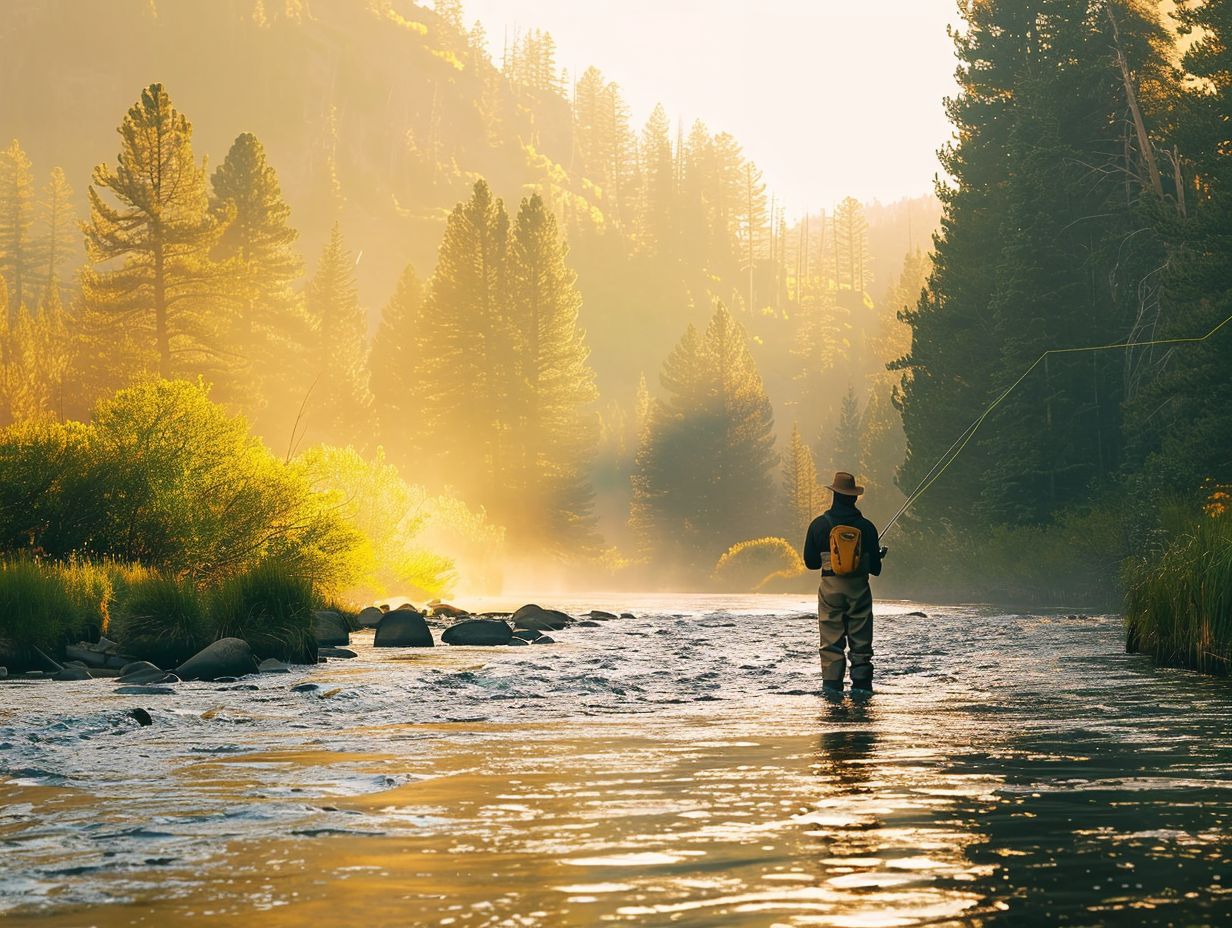
How To Become A Fly Fishing Guide

Are you someone who’s really into fly fishing and thinking about diving into the world of being a fly fishing guide? Let’s take a closer look at what it takes to make it in this field. We’ll cover everything from the day-to-day responsibilities and essential skills to how you can carve out a successful path for yourself.

We’ll talk about the certifications and licenses you’ll need, and we’ll also dive into how you can get some valuable experience under your belt and connect with others in the fly fishing community. So, come along with us as we peel back the layers on what it’s like to be a fly fishing guide – the challenges, the perks, and everything in between.

What is Fly Fishing?

What is Fly Fishing?

When you engage in fly fishing, you’re using a lightweight lure known as an artificial fly to hook fish in rivers, streams, and lakes. Unlike traditional bait fishing, fly fishing relies on casting techniques that imitate the movements of aquatic insects or other prey.

This peaceful activity of fly fishing in natural water bodies gives you a chance to connect with nature and appreciate the tranquil surroundings while you work on your skills. Casting flies to attract fish species requires precision and finesse, as you need to present the fly in a way that lures the fish into striking.

Using the right gear is essential in fly fishing, from choosing the appropriate fly rod and reel to selecting the right fly pattern. Different techniques, like dry fly fishing or nymphing, are used to make the artificial fly appear like a real insect, enticing fish to take the bait.

What is a Fly Fishing Guide?

You need a fly fishing guide when you want a pro to lead you on a fishing expedition, sharing their expert knowledge and skills to make your outdoor experience unforgettable. These guides are all about organizing fishing trips, giving lessons on casting techniques, and making sure everything’s safe and sound for your adventure.

Because they know the local waters and fish behavior like the back of their hand, they can lead you straight to the prime fishing spots, boosting your chances of reeling in a big catch. Fly fishing guides are also great at chatting with guests, customizing their guidance to match your skill level. And it’s not just about the fishing—these guides often throw in cool tidbits about the wildlife around you, making your outdoor adventure even more exciting with fun facts and observations.

What are the Responsibilities of a Fly Fishing Guide?

As a fly fishing guide, your main focus is on keeping your clients safe and sound during those guided fishing trips. You gotta show off your casting skills and expert knowledge on fly selection, while also preaching the good word on conservation efforts to protect those natural ecosystems you’re working in.

Make sure you’re a pro at communicating to your clients why catch-and-release practices are key for keeping fish populations healthy and thriving. It’s super important to be up-to-date on all the local rules and regulations to keep everything on the up and up and safeguard the environment. And don’t forget to brush up on your first aid skills and emergency protocols in case anything unexpected goes down during your fishing adventures.

By putting safety first and supporting those conservation movements, you’re a crucial player in preserving the beauty and integrity of the landscapes where you guide those fishing escapades.

What Skills and Qualifications are Needed to Become a Fly Fishing Guide?

To become a successful fly fishing guide, you need a mix of technical skills, people skills, and a real love for the sport. You’ve gotta be good at casting, know your fish behavior, have great communication with clients, and be able to handle all your fishing gear like a pro.

Getting certified is a big deal if you want to be a fly fishing guide. It shows you’re legit and serious about your work. Knowing your equipment inside and out is a must – you’ve got to be comfortable with rods, reels, lines, and flies.

Providing top-notch customer service is key. You’ve gotta make sure your clients have a blast and feel safe and happy throughout the experience. And don’t forget about mentorship – learning from experienced guides can really sharpen your skills and give you some valuable insights.

What Experience is Required?

To excel as a fly fishing guide, you need to gain hands-on experience in diverse water bodies like rivers, streams, and lakes. Understanding different fish species, honing your client communication skills, and mastering fly presentation are all crucial components in building a successful guiding career.

When you dive into various fishing environments, you’ll learn how to adapt to the unique challenges that different water bodies throw your way. This will teach you valuable navigation and safety skills, helping you become a well-rounded guide.

Encountering a range of fish species – from elusive trout to feisty bass – will deepen your knowledge and enhance your ability to effectively guide clients. Interacting with diverse anglers will also help you build essential interpersonal skills needed to tailor experiences for each client, ensuring they have a memorable and productive outing.

Perfecting the art of fly presentation and adjusting techniques to suit changing conditions will set you apart as a guide, allowing you to deliver successful fishing opportunities time and time again.

What Certifications or Licenses are Needed?

When you’re a fly fishing guide, it’s crucial to have the right certifications and licenses under your belt. Not only do these show that you’re following industry rules and know your stuff when it comes to wildlife conservation and the environment, but they also prove your dedication to responsible fishing practices.

By going after these certifications and licenses, you’re making sure you meet the standards set by the folks who regulate fishing. That means you’re doing your part to keep fishing sustainable and protect aquatic habitats. Plus, these credentials let everyone know that you’re all about preserving nature and getting other anglers on board with being good stewards of the environment.

Having those professional credentials says a lot about you as a guide. It shows that you’re committed to improving your skills, keeping up with the latest and greatest in fishing techniques, and making sure fly fishing sticks around for the long haul as a top-notch recreational activity.

What Other Skills are Beneficial?

What Other Skills are Beneficial?

If you want to be a successful fly fishing guide, it’s not just about knowing your way around the water. You also need to have some serious business savvy, killer marketing skills, be involved in the angling community, and genuinely love being outdoors. These extra skills are what really set you up for success in the guiding world.

Being on top of your business game means you can handle the financial side of things like a pro – think budgeting for new gear or keeping track of client payments. And when it comes to marketing, having a solid strategy is key to attracting new clients, keeping your regulars happy, and standing out in a crowded industry.

Getting involved in the angling community is more than just making friends – it’s about staying in the loop with what’s happening, knowing the latest rules and trends, and finding new opportunities to connect. And last but not least, having a true passion for the great outdoors means you’ll not only be preserving nature but also sharing your love for fishing with others and giving back to your local environment.

How to Gain Experience as a Fly Fishing Guide?

If you want to gain valuable experience as a fly fishing guide, you should consider exploring diverse fishing spots, participating in guided excursions, engaging with the angling community, and actively networking with fellow guides and industry professionals. These hands-on opportunities pave the way for a successful guiding career.

When you visit various fishing spots, you get to understand different terrains, water bodies, and fish behaviors, which can enhance your adaptability and knowledge. Joining guided excursions exposes you to diverse fishing techniques and strategies, expanding your skill set. By connecting with the angling community, you have a platform to share experiences, gain insights, and stay updated on industry trends. Building a robust network within the fly fishing industry can open doors to collaborations, mentorship, and potential job opportunities, contributing to your growth as a fly fishing guide.

What are the Best Places to Gain Experience?

The best places for you to gain experience as a fly fishing guide are at renowned fishing spots in various rivers, lakes, and streams. Here, you’ll have the chance to come across different fish species and work on honing your outdoor recreation skills. It’s exploring these wilderness areas that will help you nail down navigation techniques vital for guiding trips.

These top-notch locations don’t just give you plenty of chances to get hands-on experience in fly fishing. They also create the perfect environment for you to observe and learn about the behavior of a wide array of fish species in their natural habitats. By fully immersing yourself in these diverse water bodies, you’ll not only boost your fishing skills but also cultivate a deeper understanding of aquatic ecosystems and the significance of conservation efforts.

How to Network and Make Connections in the Fly Fishing Industry?

Networking and forging connections within the fly fishing industry are crucial for aspiring guides like yourself. Engage with industry professionals, participate in the angling community, seek out mentorship opportunities, and think about enrolling in educational programs to broaden your knowledge base and establish valuable relationships that can push your guiding career forward.

When you actively engage with industry experts, you not only get insider knowledge but also show your dedication to the craft. Immersing yourself in the angling community lets you build connections with fellow enthusiasts and potential clients. Getting advice from experienced mentors can give you valuable insights and quick wins in the guiding business. Taking part in educational opportunities like workshops or certifications can enhance your skills and credibility, making you a more appealing resource for clients and industry collaborators.

How to Obtain the Necessary Certifications and Licenses?

To become a fly fishing guide, you need to get the right certifications and licenses. This involves completing training programs, studying up on the necessary materials, and getting a good grasp of environmental conservation practices. These certifications show that you know your stuff and are dedicated to sustainable angling practices.

When you take formal training courses for fly fishing guiding, you’ll learn all kinds of useful stuff like different techniques, safety rules, and regulations. Delving into materials on fish biology, stream ecology, and river mapping will help you understand the local ecosystems better and how crucial they are for fish populations. With environmental awareness baked into the certification process, guides can do their part in operating responsibly, reduce their impact on delicate habitats, and promote a conservation-minded ethos in the fly fishing world.

What are the Requirements for Each Certification or License?

When you’re looking to become a fly fishing guide, each certification or license you pursue will have its own set of requirements. These can cover everything from regulations and catch-and-release rules to boat handling skills and safety precautions. It’s essential that you understand and meet these prerequisites if you want to kickstart a successful guiding career.

By making sure you comply with regulations, you’re showing that you respect the laws and guidelines put in place to protect the environment and fish populations. Mastering catch-and-release techniques is key for conservation efforts and keeping the ecosystem in balance. Having solid skills in boat handling not only ensures safe navigation but also improves the overall experience for your clients. And don’t forget about following safety protocols – not only does this keep your clients safe, but it also shows your professionalism and dedication to providing a secure and enjoyable fishing trip.

Where to Find Training and Study Materials?

Where to Find Training and Study Materials?

For aspiring fly fishing guides like you, there are some great ways to gain valuable training and study materials. You can check out educational programs, attend fly tying workshops, and dive into resources about aquatic insects and fish behavior. These are all awesome avenues for picking up practical knowledge and getting some hands-on experience to level up your guiding skills.

By joining workshops for fly tying, you’ll really sharpen your skills in making effective and personalized flies for all kinds of fishing scenarios. Digging into info about aquatic insects can help you understand the ecosystem better, which leads to smarter fly selection strategies. And don’t forget to look into resources about fish behavior – they’ll give you key insights into things like feeding habits, movement patterns, and where different fish like to hang out. This knowledge will help you predict and adapt to changing fishing conditions like a pro.

What are the Steps to Becoming a Successful Fly Fishing Guide?

As you embark on the journey to become a successful fly fishing guide, it’s all about building a strong reputation and client base. You need to keep improving your knowledge and skills, staying on top of regulations and safety rules, connecting with others in the industry, and always putting exceptional customer service first to create unforgettable experiences for your clients.

To really shine in this competitive field, you should focus on sharpening your casting techniques, mastering the art of fly tying, and diving deep into fish behavior. Keeping yourself updated on the latest equipment and technology trends can help you work more efficiently and effectively on the water.

Remember, following regulations is key to conserving resources and ensuring sustainability. Networking strategically can open up doors to valuable partnerships and opportunities. And always keep a customer-centric mindset by actively listening to your clients, anticipating their needs, and going that extra mile to exceed their expectations.

1. Build a Strong Reputation and Client Base

If you want to be a successful fly fishing guide, the first thing you gotta do is focus on building up a solid reputation in the angling community. It’s all about getting your name out there and growing your client base through smart marketing strategies. Having a good rep doesn’t just open up job opportunities, but it also helps you build trust and credibility with potential clients.

To reel in those customers, you gotta get strategic with your marketing. Put yourself out there on social media platforms where fishing folks hang out, and team up with outdoor gear stores for referrals. Show off your skills and provide top-notch service in fly fishing to get people talking about you. Word-of-mouth recommendations can really boost your reputation and keep clients coming back for more.

2. Continuously Improve and Expand Knowledge and Skills

If you want to dominate the world of fly fishing guiding, you’ve gotta keep learning and honing those skills. Sign up for educational programs, keep up with the latest fly fishing techniques, and get to know the newest fishing gear. This way, you can level up your guiding game and deliver top-notch service to your clients.

Get yourself into workshops, seminars, and specialized courses to fine-tune your knowledge and techniques. This will give you valuable insights into fish behavior and environmental factors. Mastering advanced casting methods like roll casting or double hauling can make a big difference in helping your clients nail those perfect casts and catch more fish.

Stay in the loop on the latest fishing gear trends, whether it’s new rod materials or cutting-edge fly designs. This way, you can recommend top-of-the-line equipment and take your clients’ fishing experience to a whole new level.

3. Stay Up-to-Date on Regulations and Safety Protocols

To be a successful fly fishing guide, you need to stay informed about industry regulations, follow safety measures, keep up with required licenses, and make sure you’re practicing environmental stewardship. Following these guidelines is crucial to being an ethical and sustainable guide.

Knowing the rules and regulations set by governing bodies isn’t just about professionalism – it’s about maintaining the integrity of the guiding industry. By staying updated on license requirements and safety protocols, you can ensure a safe and fulfilling experience for your clients while also contributing to the conservation of natural resources. Environmental ethics are key in preserving the ecosystems of fly fishing areas, underscoring the guides’ responsibility in safeguarding these environments for future generations.

4. Network and Collaborate with Other Guides and Industry Professionals

Networking and collaborating with fellow guides and industry professionals, engaging with the angling community, seeking mentorship opportunities, and fostering connections are key strategies to expand your job prospects and enhance your guiding career. Building a strong network opens doors to new opportunities and enriches your guiding experience.

By actively participating in industry events, workshops, and seminars, you can stay updated on the latest trends and techniques in fly fishing, which can significantly improve your skills and offerings as a guide. Connecting with other guides allows for knowledge sharing, collaboration on trips, and potentially referrals, which can boost your client base and reputation in the industry. Remember, networking isn’t just about exchanging business cards; it’s about building meaningful relationships that can support your growth and success as a fly fishing guide.

5. Provide Excellent Customer Service and Create Memorable Experiences for Clients

5. Provide Excellent Customer Service and Create Memorable Experiences for Clients

When you’re a fly fishing guide, giving top-notch customer service and creating unforgettable experiences for your clients is crucial. Your success hinges on how well you communicate with your clients, pay attention to details during trips, and genuinely love outdoor adventures.

To keep your clients happy and build lasting relationships, focus on customizing each guiding experience. By tailoring every trip to fit your clients’ unique preferences and skill levels, you not only make the experience better but also create memories that they’ll treasure forever. Your dedication to enhancing outdoor activities, whether it’s teaching advanced fishing techniques or showcasing the beauty of nature, adds extra value to your clients’ journey. Ultimately, your dedication to providing exceptional customer service is what will keep clients coming back for more and earn you a reputation as a trusted and in-demand guide.

What are the Challenges and Rewards of Being a Fly Fishing Guide?

As you step into the role of a fly fishing guide, you’re diving into a world that’s both challenging and rewarding, tailor-made for those who have a deep passion for the great outdoors and the art of angling. Sure, you’ll encounter hurdles like unpredictable weather and clients who are a handful, but the job also serves up a ton of satisfaction by crafting unforgettable experiences for your clients, championing environmental responsibility, and becoming a key player in the angling community.

Interacting with a diverse bunch of folks – from newbies eager to master the art of fly fishing to seasoned pros hungry for fresh adventures – brings a whole new exciting dimension to your gig. Guiding isn’t just about teaching skills; it’s also about spreading the word on conservation practices, making sure that the fragile ecosystems are treated with care and kept safe for the generations to come. And the bond you build with your clients doesn’t stop at the water’s edge; it blossoms into lasting friendships rooted in a shared love for nature and thrilling escapades.

Frequently Asked Questions

What qualifications are needed to become a fly fishing guide?

To become a fly fishing guide, you will need a valid fishing license, first aid and CPR certification, and knowledge of fly fishing techniques and equipment. Previous experience in customer service or guiding can also be beneficial.

Do I need to have my own fishing equipment to become a fly fishing guide?

While it is not required to have your own fishing equipment, it can be helpful to have a basic understanding of the different types of equipment and how to use them. Many training programs or guide services will provide equipment for you to use.

What kind of training is necessary to become a fly fishing guide?

There are several options for training to become a fly fishing guide, including guide schools, apprenticeships, and online courses. It is important to choose a reputable program that covers topics such as safety, local regulations, and customer service.

Are there any age restrictions for becoming a fly fishing guide?

The minimum age requirement to become a fly fishing guide varies depending on the location and company. Some may require you to be at least 18 years old, while others may allow younger individuals to guide with a parent or guardian present.

Is it necessary to have a specific skill level in fly fishing to become a guide?

While having a high skill level in fly fishing can be beneficial, it is not always necessary to become a guide. As long as you have a solid understanding of the fundamentals and are able to teach and assist others, you can still excel as a guide.

How can I find job opportunities as a fly fishing guide?

There are many ways to find job opportunities as a fly fishing guide, such as networking with other guides, applying to guide services or lodges, and attending trade shows or conferences. It is also helpful to have a strong online presence and marketing yourself to potential clients.

How To Become A Bounty Hunter In Florida

Curious about becoming a bounty hunter in Florida? We’ll explore everything you need to know to pursue a career in this exciting field. From the minimum age requirement to the necessary training and licensing process, we’ll cover all the ins and outs of becoming a bounty hunter in the Sunshine State.

You’ll learn about the responsibilities, salary, and job outlook for bounty hunters in Florida. Let’s dive in!

What is a Bounty Hunter?

You know those bounty hunters, right? They go by other names like bail enforcement agents. They’re the ones you call in to hunt down fugitives who decided to skip bail or ghost on their court appearance after making bail.

These folks operate under the bail bonds system, getting those fugitives back into the legal groove.

Their gig is pretty important in the whole legal scene. They help nab individuals who broke the rules of their release. By teaming up with law enforcement and bail bond peeps, bounty hunters put their detecting and surveillance skills to work to find those fugitives and bring them back to the slammer.

This whole fugitive-catching process is key to keeping the bail system in check and making sure those facing criminal charges face up to their responsibilities.

What are the Requirements to Become a Bounty Hunter in Florida?

If you’re looking to become a bounty hunter in Florida, you’ve got to play by the rules laid out in state statutes and regulations. That means getting yourself a valid license, going through the necessary training, and meeting all the qualifications set by the state.

Before you can start hunting down fugitives in Florida, you’ll need to pass a background check to prove you’ve got a squeaky-clean record with no felonies or major offenses. The state won’t take any chances when it comes to bounty hunters—they have to stick to the law and follow strict guidelines for apprehensions and interactions with fugitives. Knowing the legal ins and outs is key, especially in Florida, where there are specific rules governing the bail enforcement process to protect everyone’s rights, from the accused to the bail bondsmen.

What is the Minimum Age Requirement?

If you’re in Florida and thinking about becoming a licensed bounty hunter, you’ll need to be at least 18 years old.

If you meet this age requirement, you can start your journey into the world of bounty hunting by following the specific licensing rules set by the state. The Florida Department of Financial Services is in charge of the licensing process, which involves completing necessary training, passing background checks, and meeting other eligibility criteria. As a budding bounty hunter, you’ll need to show that you can handle responsibilities and operate within the law to keep both yourself and your targets safe. By sticking to these guidelines, you can kickstart your career as a bounty hunter while staying compliant with Florida’s legal standards.

Do You Need a High School Diploma or GED?

If you’re thinking about becoming a bounty hunter in Florida, you’ll need to have a high school diploma or GED to meet the educational requirements for getting licensed.

Having a high school diploma or GED is like the entry ticket for aspiring bounty hunters. It ensures that you’ve got the basics down before diving into the field. This educational standard not only shows that you’re serious about learning but also equips you with important skills like reading, critical thinking, and problem-solving. By getting that diploma or its equivalent, you’re proving that you’re up for the challenge and meeting Florida’s licensing qualifications for this exciting and fast-paced profession.

Do You Need Law Enforcement or Military Experience?

If you’re looking to become a bounty hunter in Florida, having previous law enforcement or military experience can really give you an edge. It’s not always a must-have, but it can bring some valuable skills and insights to the table.

Folks with a background in law enforcement or military training tend to have rock-solid situational awareness, tactical prowess, and experience handling high-pressure situations. These qualities are like gold in the fast-paced and sometimes risky world of bounty hunting. With that kind of background, you might already be a pro at surveillance, investigations, and handling firearms – all key skills for success in this line of work. The discipline, physical fitness, and teamwork drilled into you during your time in law enforcement or the military can seriously level up your game as a bounty hunter.

Do You Need a Background Check?

If you’re looking to become a bounty hunter in Florida, you’ll need to go through a comprehensive background check during the licensing process. This step is essential to make sure you meet all the required qualifications and legal standards.

The background check is a big deal because it confirms your criminal history, ensuring you don’t have any offenses that could put public safety at risk. It also verifies that you’ve completed all the necessary training and certifications as mandated by the state. By thoroughly reviewing your background, authorities can uphold the integrity of the bounty hunting field and ensure everyone follows Florida’s licensing rules.

What Training is Required to Become a Bounty Hunter in Florida?

What Training is Required to Become a Bounty Hunter in Florida?

When you’re training to become a bounty hunter in Florida, you’ll dive into instruction on firearm handling, defensive tactics, physical agility, and other essential skills needed for safe and successful fugitive recovery missions. These training requirements are key to getting you ready to tackle the challenges you’ll encounter out in the field.

Knowing how to handle firearms safely and effectively is crucial since there can be some serious risks involved in capturing fugitives. Learning defensive tactics will arm you with the skills to keep yourself and others safe in high-pressure situations. And don’t forget about the physical fitness training – it’s all about making sure you’ve got the stamina and strength to track down and nab those fugitives like a pro.

Are There Specific Courses or Certifications Needed?

You might need to complete certain courses and certifications if you’re thinking about becoming a bounty hunter in Florida. These programs can really level up your skills in stuff like apprehension techniques, skip tracing, and legal procedures.

These training programs aren’t just about gaining expertise in chasing down fugitives and dealing with legal stuff. They can also help you fine-tune your communication and negotiation skills, which are super important in this line of work.

If you’re aiming to be a bounty hunter, courses focusing on handling weapons and self-defense are key. They’ll give you the training you need to stay safe and follow the rules in potentially risky situations.

Plus, diving into courses about criminal psychology and conflict resolution can be a game-changer. Understanding how fugitives think and learning how to professionally calm down tense situations can really set you apart in the field.

Are There Any Physical Fitness Requirements?

You need to be in top physical shape if you’re a bounty hunter in Florida because the job is no joke. You’ll be doing a lot of running, climbing, and tackling physically challenging tasks.

To track down and capture fugitives effectively, you’ve got to be super agile and have great endurance. The training to become a bounty hunter focuses on building up your strength, speed, and overall fitness. Being able to perform under pressure in all kinds of environments and scenarios is a big part of being successful in this line of work. Meeting specific physical fitness requirements isn’t just about keeping yourself safe but also about nailing those missions where you need to act fast and decisively.

How to Get a Bounty Hunter License in Florida?

To get your hands on a bounty hunter license in Florida, you’ll need to dive into the state’s specific procedures, get all the required documents ready, and make sure you meet the criteria set by the folks in charge.

First off, you need to be at least 18 years old and have a high school diploma or something equivalent. You’ll also have to roll up your sleeves and tackle a state-approved training course covering everything from the laws of the trade to nabbing fugitives and handling firearms safely. And don’t forget the background check – it’s like the bouncer at the door making sure you’re all clear.

After jumping through all those hoops, you’ve gotta take a written exam to show you’ve got what it takes to be a responsible and ethical bounty hunter in the Sunshine State.

What is the Process for Obtaining a License?

When you’re looking to get your bounty hunter license in Florida, the first step usually involves filling out an application, going through some background checks, and meeting specific requirements to show you’re good to go.

Once you’ve sent in your application, you’ll have to wait for the results of your background checks. They want to make sure you don’t have any sketchy criminal history that could disqualify you. It’s super important to give them all the right info and any necessary documents during the application process to speed things up.

If your background check comes back clean, you might still need to meet other state criteria like finishing certain training programs or showing off your skills. Following these rules is key to keep moving forward in the licensing process and snag the approval you need to kickstart your bounty hunter career in Florida.

What Documents are Required?

If you’re looking to get a bounty hunter license in Florida, you’ll need to gather up some specific paperwork. That means rounding up things like your ID, training certificates, and the results of your background check – all to meet the state’s licensing requirements.

These documents are pretty crucial in the application process. They’re there to make sure you measure up to the tough standards set by the state. On top of your ID, you’ll usually have to show proof that you’ve finished a state-approved training program. That’s key to show you’ve got the skills and knowledge needed for the job.

And don’t forget about the background check – it’s a must-have to check if you’re fit for a license. They’ll dig through your past to see if you’ve got any skeletons in your closet, all to make sure only the right folks get the green light to work as bounty hunters in Florida.

What is the Cost of Obtaining a License?

What is the Cost of Obtaining a License?

When you’re looking to snag a bounty hunter license in Florida, keep in mind that the cost can vary based on a few factors like application fees, training costs, and other expenses required by the state.

You’ve got to be mindful of the financial side of things when going after that bounty hunter license in Florida. The application fees can be anywhere from $100 to $500, depending on where you’re applying. And don’t forget about the training – that can set you back anywhere from $500 to $2,000. Plus, you’ll need to cover costs for background checks, insurance, and weapon permits, which might add up to a few hundred bucks. Make sure you plan your budget carefully to handle these expenses smoothly and get through the licensing process without a hitch.

What are the Responsibilities of a Bounty Hunter in Florida?

As a bounty hunter in Florida, your duties include working alongside law enforcement agencies, carrying out fugitive recovery operations, and making sure you follow legal procedures and safety measures to catch fugitives effectively.

When you team up with law enforcement in Florida, they provide you with essential info on fugitives, helping you plan successful missions. By sticking to strict legal guidelines, you ensure that all your actions are lawful, protecting the rights of both the fugitive and the public. Safety is key, so proper training, protective gear, and risk assessment are crucial in keeping dangers at bay during apprehensions. This dedication to justice showcases the professionalism and commitment of bounty hunters in Florida.

What is the Role of a Bounty Hunter in the Criminal Justice System?

As someone in Florida, you know how bounty hunters play a crucial role in the criminal justice system. They help nab fugitives, execute warrants, and make sure everything is done by the book when capturing individuals who’ve violated bail conditions.

Their authority comes from the legal system that guides their actions, giving them the go-ahead to track down and capture those who’ve skipped bail or missed their court dates. Bounty hunters are pros when it comes to criminal procedures, and they team up with law enforcement to track down fugitives and bring them to justice.

By sticking to strict rules and regulations, bounty hunters are key players in upholding the legal system’s integrity and ensuring the safety of everyone involved in the pursuit.

What are the Legal Limitations and Regulations for Bounty Hunters in Florida?

When you’re out there hunting bounties in Florida, it’s crucial to play by the rules set by the state laws and regulations. You’ve got to navigate the legal landscape and ethical standards that govern the fugitive recovery processes to ensure you’re on the right side of the law.

In Florida, bounty hunting is no walk in the park – it’s full of high-stakes situations that require you to use your professional judgment wisely. You’ve got to be well-versed in the regulations that control your actions, like knowing when to use force and how to make apprehensions properly.

Keeping things ethical is key. You’ve got to show respect for people’s rights and maintain the integrity of the legal system at all times. By staying up-to-date on the legal dos and don’ts, you can protect not only your own rights but also the rights of those you’re chasing after.

What is the Salary and Job Outlook for Bounty Hunters in Florida?

Your salary and job prospects as a bounty hunter in Florida depend on your experience, connections, and how much people need fugitive recovery services. If you build a solid professional network and stick to ethical standards, you’ll open up more job opportunities and potential for higher earnings.

Seasoned bounty hunters who have a track record of successful captures can charge more for their services, giving them a chance to earn a pretty penny. Keeping up with the latest trends and techniques in fugitive recovery can boost your reputation, making you more attractive to high-paying job offers.

With the demand for skilled bounty hunters on the rise in Florida, those who prove themselves as dependable and effective pros can expect better job security and financial benefits.

What is the Average Salary for Bounty Hunters in Florida?

In Florida, your earnings as a bounty hunter can vary widely, from starting out with entry-level pay to bringing in bigger bucks as you gain experience and expertise. Your salary depends on things like how in-demand your skills are, your personal know-how, and how successful you are at nabbing fugitives.

Market trends really shape how much you can make as a bounty hunter. When demand for bounty hunters is high, salaries go up. If you’re new to the game, you’ll probably start on the lower end of the pay scale, but as you gain experience and build a name for yourself, your earnings will likely go up.

Your skills also come into play. If you’ve got specialized training in things like tactical operations or negotiation, you can expect to rake in more cash for your work. And as you climb the career ladder and build up a solid track record of successful captures, you’ll find yourself earning those top-tier salaries that seasoned bounty hunters command.

What is the Job Outlook for Bounty Hunters in Florida?

What is the Job Outlook for Bounty Hunters in Florida?

Your outlook as a bounty hunter in Florida depends on various factors like industry demand, professional associations, and the need for fugitive recovery services. You’ll find a range of job opportunities working alongside bail bondsmen, law enforcement agencies, and private investigation firms.

As a bounty hunter, your success hinges on forming strong partnerships to track down and capture individuals who have skipped bail. It’s crucial to be part of professional groups like the Florida Bail Agents Association or the National Association of Fugitive Recovery Agents to boost your credibility and expand your network in the field.

To boost your chances in Florida, make sure you keep up with industry trends and actively connect with key players in the industry. This way, you can maximize your employment prospects and build a successful career as a bounty hunter.

Frequently Asked Questions

What are the requirements to become a bounty hunter in Florida?

To become a bounty hunter in Florida, you must be at least 18 years old, have a high school diploma or GED, pass a background check, and complete a state-approved training program.

Do I need a license to become a bounty hunter in Florida?

Yes, you are required to obtain a Class “CC” license from the Florida Department of Agriculture and Consumer Services before you can legally work as a bounty hunter in Florida.

What is the process to obtain a Class “CC” license for bounty hunting in Florida?

The process includes completing a state-approved training program, submitting an application and fingerprints to the Florida Department of Agriculture and Consumer Services, passing a written exam, and paying a fee.

What type of training is required to become a bounty hunter in Florida?

Florida requires a minimum of 40 hours of training, which includes topics such as state laws and regulations, defensive tactics, and firearms training.

Are there any restrictions on bounty hunting in Florida?

Yes, Florida has certain restrictions on bounty hunting, including not being allowed to carry a weapon while making an arrest, not being able to enter a residence without permission, and not being able to use excessive force.

Is there a specific bond required to become a bounty hunter in Florida?

Yes, Florida requires that bounty hunters have a $5,000 surety bond in place to cover any potential damages or losses during their work. This bond must be renewed every two years.

How To Get Sponsored Bodybuilding

If you’re a bodybuilder looking to kick things up a notch, getting sponsored could be a game-changer for you. It can hook you up with financial backing, exposure in the fitness world, and access to all sorts of resources and supplements.

So, how do you go about getting sponsored in the bodybuilding world? Well, it’s all about beefing up your online presence, competing in events, and rubbing shoulders with the right people in the industry. Companies dig athletes with killer physiques, a solid social media following, and a stellar reputation.

To land that sponsorship deal, you’ve got to do your homework, target the right companies, put together a pro proposal, and keep following up like your gains depend on it. Once you’re sponsored, make sure you deliver on your end, keep it pro, and always strive to level up to keep that partnership going strong.

Ready for more insider tips on how to crush it in the world of sponsored bodybuilding? Stay tuned!

Why Do People Want To Get Sponsored For Bodybuilding?

Why Do People Want To Get Sponsored For Bodybuilding?

If you’re into bodybuilding, you probably dream of snagging a sponsorship deal. Why? Well, besides the cash, these sponsorships offer exposure and perks that can really amp up your game in the cutthroat fitness world.

Athletes like you are constantly on the lookout for sponsorship opportunities to take their training, nutrition, and competition game to the next level, teaming up with brands to show off their gains, strength training, and fitness journey.

When you land a sponsorship, it’s not just about the money. You also get support for gym memberships, supplements, and expert trainers. Plus, you get to expand your reach through social media, events, and promotional stuff.

Sponsored athletes often get access to top-notch training facilities, elite coaching, and the latest gear, all of which can supercharge their performance and drive them to greater heights.

By teaming up with respected brands in the bodybuilding scene, athletes like you can score partnerships that don’t just fuel your physical growth but also boost your rep and credibility in the competitive fitness world.

1. Financial Support

In the world of bodybuilding, financial support is key. When you’re sponsored, you get that financial boost from fitness brands and companies. This helps you chase your fitness dreams without worrying about money.

Having that support lets you really focus on your training and getting ready for competitions. Plus, it gives you the chance to get in on high-level events and competitions that might’ve been out of reach financially. Sponsors hook you up with top-notch facilities, specialized training programs, nutrition plans, and all the gear you need to succeed in the competitive fitness world.

Being part of sponsorship programs also gets you noticed, respected, and trusted in the bodybuilding community. And that exposure could lead to cool collaborations and career opportunities down the line.

2. Exposure and Recognition

When you’re part of the bodybuilding community, exposure and recognition are what drive you to seek sponsorships. Being sponsored means you get to boost your visibility through social media, endorsements, and teaming up with fitness influencers, all of which help you stand out in the fitness world.

Having that visibility is crucial for you as an athlete. It’s what helps you build your personal brand and connect with a bigger audience. And the more eyeballs on you, the more chances you have to score sponsorships and partnerships with big-time fitness influencers. Thanks to social media, you can use platforms to your advantage, showing off your journey, engaging with fans, and catching the attention of potential sponsors. Plus, getting endorsements from top fitness influencers isn’t just a pat on the back—it’s a stamp of approval that boosts your credibility and puts you in front of new audiences who trust the word of these influential figures.

3. Access to Resources and Supplements

When you’re a sponsored bodybuilder, you’ve got the VIP pass to a whole arsenal of tools and supplements crucial for your training and nutrition. Picture this – you’ve got access to top-notch workout gear that hones in on specific muscle groups, giving you the edge in your progress and performance.

And let’s not forget those premium supplements custom-made to supercharge your recovery, muscle growth, and energy levels. With personalized nutrition plans at your fingertips, you can be sure you’re feeding your body the right stuff at the right times, fueling your training goals and hitting those peak results. It’s like having your own dream team behind you, guiding you to crush it in competitions and take your physical game to the next level.

How To Prepare For Sponsored Bodybuilding?

Preparing for sponsored bodybuilding involves building a strong online presence, actively participating in competitions and events, and networking with other bodybuilders and companies to enhance sponsorship opportunities.

To build a solid online presence, engage consistently on social media platforms by sharing workout routines, progress updates, and nutritional tips to showcase your dedication and expertise in the fitness industry. Actively participating in various competitions not only allows you to gain valuable experience but also increases your visibility among potential sponsors. Networking with fellow bodybuilders can open doors to collaboration opportunities and helpful advice, while connecting with companies can lead to potential sponsorships and endorsements to support your bodybuilding journey.

1. Build a Strong Online Presence

Establishing a robust online presence is crucial for you as an aspiring sponsored bodybuilder. Use social media platforms to showcase your fitness modeling, share workout routines, and connect with fitness influencers to broaden your reach in the fitness community.

When you actively share your fitness journey on platforms like Instagram, YouTube, and TikTok, you’re not just motivating others but also catching the eye of potential sponsors who want to team up with influential fitness figures like yourself. Social media is your playground to establish credibility, grow a loyal following, and craft a brand that truly connects with your target audience.

Collaborating with fitness influencers can supercharge your online presence, boost your visibility, and introduce your brand to a bigger network of fitness enthusiasts. This interconnected online world of engagement is key for locking in sponsorships and partnerships in the competitive fitness scene.

2. Participate in Competitions and Events

2. Participate in Competitions and Events

Engaging in competitions and events is a key step in preparing for sponsored bodybuilding. You should compete in fitness competitions, seek out workout sponsorships, and aim for recognition in prestigious bodybuilding championships to elevate your profile in the industry.

When you participate in these events, you get to show off all your hard work and dedication. Plus, it opens doors to potential sponsors and opportunities for growth. By competing in fitness competitions, you can showcase your skills and commitment to a wider audience, which can catch the eye of sponsors looking for motivated individuals.

Looking for workout sponsorships not only gives you financial support but also shows industry recognition and backing for your journey. Ultimately, striving for success in well-known bodybuilding championships can strengthen your position as a competitive force and a sought-after athlete in the bodybuilding world.

3. Network with Other Bodybuilders and Companies

Networking with fellow bodybuilders and health companies is crucial for creating sponsorship opportunities. You need to build connections to explore potential sponsorship deals, forge fitness brand partnerships, and expand your presence in the bodybuilding industry.

By engaging with like-minded individuals and industry professionals, you can not only gain valuable insights and knowledge but also establish meaningful relationships that can lead to lucrative sponsorship agreements. Leveraging your network allows you to showcase your skills and dedication, making you a more attractive partner for fitness brands seeking to align themselves with successful and influential figures in the bodybuilding community. Networking opens doors to collaborations and endorsements that can elevate your personal brand and help you reach a wider audience of enthusiasts and supporters.

What Are Companies Looking For In Sponsored Bodybuilders?

When companies are on the lookout for sponsored bodybuilders, they have certain traits in mind. They want someone with an aesthetic physique, a strong influence on social media, and a good reputation paired with a solid work ethic.

These companies totally get how important visuals are in the fitness world. It’s all about a bodybuilder who can rock that ideal physique with muscle definition, symmetry, and an overall appealing look that draws in consumers.

Having a solid social media game is a must in today’s digital world. It lets companies connect with a wider audience and engage with fans on a more personal level. And you’ve gotta keep that professional reputation in check – sponsors want athletes who bring their A-game in competitions and in their everyday behavior.

1. Aesthetic Physique

To attract companies looking for sponsored bodybuilders, you need to focus on building an aesthetic physique that stands out. Show off your muscle growth, make use of bodybuilder supplements, and get involved in fitness modeling to demonstrate your physical strength in the fitness industry.

Regarding sculpting a striking physique, it’s not just about getting big muscles – it’s also about achieving balanced proportions and visual appeal that catch the attention of sponsors. Incorporating a mix of bodybuilder supplements like protein powders, creatine, and BCAAs into your routine can help boost muscle growth and recovery, resulting in a more defined physique. Plus, taking part in fitness modeling gigs not only highlights your commitment to fitness but also gives you exposure to potential sponsors on the lookout for athletes who embody the perfect combination of strength and aesthetics.

2. Social Media Influence

Regarding catching the eye of companies looking to sponsor bodybuilders, having a solid social media following is key. You need to make the most of your presence on social platforms, team up with other fitness influencers, and dive into influencer marketing to really boost your reach and influence.

Being active on platforms like Instagram, YouTube, and TikTok is your ticket to showing off your hard work and progress. This is how you can grab the attention of fitness fans and potential sponsors. Partnering up with well-known fitness influencers can help you spread your message to a broader audience that fits your target market. By jumping into influencer marketing efforts, you not only get more exposure but also build up your credibility and trust in the fitness community.

This respect and trust can open doors to more brand partnerships and opportunities, cementing your status as a respected player in the industry.

3. Good Reputation and Work Ethic

To become a sponsored bodybuilder, you need to focus on maintaining a good reputation and a strong work ethic. Make sure you’re always professional and honest throughout your fitness journey to build credibility in the industry.

Look for endorsements that align with your values and fitness objectives – this not only boosts your public image but also shows your authenticity to your audience. Your consistent dedication to your training and nutrition is key, as it demonstrates a solid work ethic and reinforces your commitment to the fitness lifestyle that companies seek in brand ambassadors.

Embodying these qualities will lay the groundwork for your long-term success and growth in the competitive world of sponsored bodybuilding.

How To Approach Companies For Sponsorship?

How To Approach Companies For Sponsorship?

When you’re looking to secure sponsorship from companies, you’ve got to have a game plan and bring your A-game. Do your homework to find the right companies, put together a killer sponsorship proposal, and get out there and show off your stuff at fitness events to prove you’re a top-notch brand ambassador.

Before you start pitching to potential sponsors, make sure you’ve done your homework. You need to know their business goals inside and out and understand who their target audience is. This way, you can tailor your pitch to hit all the right notes. Show off what makes you stand out as a brand ambassador, highlighting your passion for fitness and how well you connect with their ideal customers.

When you’re putting together your sponsorship proposal, keep it snappy, make it look good, and make sure it’s all about the perks of teaming up with you. And don’t just sit around waiting for sponsors to come to you – get out there and strut your stuff at fitness events! Not only will you showcase your skills, but you’ll also have the chance to mingle with potential sponsors and make some industry connections.

1. Research and Target Specific Companies

When you’re on the hunt for sponsorship opportunities, start by doing some deep-dive research to find companies that share your values and goals. Look into partnerships within the fitness industry and check out existing sponsorships to customize your approach.

Take a closer look at market trends and what your competitors are up to with sponsorships. This will give you an inside look at successful strategies and where there might be room for your unique offerings. Understanding what companies in the fitness industry are after can help you build partnerships that work for both parties.

Dig into the audience reach and demographics of companies already sponsoring fitness-related ventures. This will help you pick the right brands to collaborate with that match your target market and personal brand image.

2. Create a Professional Sponsorship Proposal

Crafting a professional sponsorship proposal is crucial if you want to impress companies and snag those sponsorships. So, outline your strengths, pitch some cool collaboration ideas for workout sponsorships, and show off your potential as a fitness brand ambassador in your proposal.

To really stand out from the crowd, make sure to highlight your unique selling points and achievements. Share your fitness journey, accomplishments, and how you totally vibe with the sponsor’s values.

Think about teaming up on special workout events, product promos, or killer social media campaigns to sweeten the deal. By coming across as a super knowledgeable and enthusiastic brand ambassador who can genuinely represent the company’s products, you’ll seriously up your chances of scoring that sponsorship.

3. Follow Up and Be Persistent

When seeking sponsorships in the fitness industry, it’s crucial for you to follow up and demonstrate persistence. Keep engaged with companies, show your dedication to your fitness journey, and go after those fitness sponsorships with determination and consistent follow-ups.

Don’t forget to continuously reach out to potential sponsors and keep them in the loop with your progress. This not only demonstrates your commitment but also helps you build a strong relationship with these companies. Remember, securing sponsorships is a journey that requires perseverance and a proactive mindset.

By regularly connecting with sponsors, sharing your wins and struggles, and showcasing your love for fitness, you’ll be more likely to attract sponsorship opportunities that match your goals. Stay focused, stay consistent, and always be sure to follow up on leads to boost your chances of success in the competitive fitness sponsorship world.

What Are Some Tips For Maintaining A Sponsorship?

To maintain a sponsorship, you need to fulfill your obligations, give a shoutout to the sponsoring company, and keep it pro throughout your partnership. And hey, don’t forget to keep leveling up as a bodybuilder to bring even more value to the table.

Consistency is your best bud when it comes to keeping a successful partnership alive in the bodybuilding world. Make sure you’re pulling your weight in the sponsorship deal by getting involved with the company’s products and services. Share your workout routines, drop some nutrition know-how, and keep your followers updated on your progress across social media.

Getting in on promotions like events, contests, or online campaigns can pump up your brand exposure and show that you’re all in on this partnership. Show off your reliability, enthusiasm, and dedication, and you’ll be on track to building a strong, long-term relationship with your workout sponsor.

1. Fulfill Obligations and Promote the Company

To successfully maintain a sponsorship, you need to fulfill your commitments and actively promote the sponsoring company. Make sure your fitness goals align with the company’s values and embody a fitness lifestyle that resonates with your audience.

Consistently meeting your obligations as a sponsored athlete not only shows professionalism but also demonstrates loyalty to the brand. When your fitness journey matches the values and image of the sponsoring company, it creates a compelling story that engages your followers.

Promoting the company through social media, events, and other channels not only increases brand visibility but also strengthens the partnership. This alignment of goals and values establishes a mutually beneficial relationship that fosters long-term collaboration and success.

2. Stay Professional and Positive

2. Stay Professional and Positive

To have a successful sponsorship journey in the bodybuilding industry, you need to maintain a professional and positive attitude. By actively upholding professionalism and showing a positive mindset, you are not only demonstrating your dedication to your sponsors but also setting a high standard for others in the industry.

Engaging with the sponsor’s program in a proactive way helps you build a strong relationship based on mutual respect and trust. Collaborating with fitness influencers can also boost your reach and credibility, creating a synergy that benefits both parties. Remember, a positive brand image isn’t just about looks; it reflects your values and integrity, making you an attractive partner for potential sponsors.

3. Continuously Improve and Grow as a Bodybuilder

For you to maintain a successful sponsorship as a bodybuilder, it’s crucial to focus on continuous self-improvement and growth. Make sure to grab those workout sponsor opportunities, chase after fitness sponsorships, and work on improving both your skills and physique to open up more doors for yourself.

When you consistently push yourself in the gym, mentally and physically, you not only boost your own performance but also increase your chances of landing those sweet sponsorships. The trick is to show how committed you are to your craft, jump on any workout sponsor opportunities that come your way, and sharpen your skills to shine in a competitive market.

As you move forward on your fitness journey, remember that growth isn’t just about gaining muscle; it’s also about creating a strong brand and professional image that will catch the eye of potential sponsors.

Frequently Asked Questions

1. How can I get sponsored for bodybuilding?

To get sponsored for bodybuilding, you need to first build a strong and impressive physique through consistent training and competition. You should also establish a strong online presence through social media and create a professional portfolio showcasing your achievements and credentials.

2. What are some potential sponsors for bodybuilding?

Potential sponsors for bodybuilding include supplement companies, fitness brands, sports apparel companies, and fitness equipment manufacturers. You can also reach out to local businesses and gyms for sponsorship opportunities.

3. What do sponsors look for in a bodybuilder?

Sponsors typically look for bodybuilders who have a large following, a strong online presence, and a successful track record in competitions. They also look for bodybuilders who align with their brand values and can effectively promote their products or services.

4. How can I approach potential sponsors for bodybuilding?

When approaching potential sponsors for bodybuilding, it’s important to have a professional and well-crafted pitch. You can start by researching the company and their target audience, then tailor your pitch to showcase how you can help promote their brand to their desired demographic.

5. What benefits can I expect from being sponsored for bodybuilding?

Being sponsored for bodybuilding can provide you with various benefits such as free products, financial support for competitions, exposure and recognition, and potential endorsement deals. It can also open up new opportunities for networking and collaboration within the fitness industry.

6. How can I maintain a good relationship with my bodybuilding sponsor?

To maintain a good relationship with your bodybuilding sponsor, it’s important to fulfill your obligations and commitments to them, such as promoting their products or services and representing their brand positively. You should also communicate regularly and provide updates on your progress and future plans.

How To Become A Bikini Model

Interested in pursuing a career as a bikini model but not sure where to start? This comprehensive guide will explore what it takes to become a successful bikini model. From the physical requirements to the professional expectations, we’ll cover everything you need to know to kickstart your career in the industry.

We’ll provide tips on how to prepare for a bikini model career, best practices for success, and the challenges you may face along the way. Let’s dive in together and discover what it takes to make it as a bikini model!

What Is a Bikini Model?

What Is a Bikini Model?

If you’re thinking about becoming a bikini model, you’re basically in the business of showing off swimwear or lingerie products. You’ll be strutting your stuff in photoshoots, runway gigs, or promotional campaigns, all in the beauty and fashion world. As a bikini model, you’ve got to ooze confidence and glamour, embodying those beauty standards and following industry rules on how to look and pose. It’s all about selling that beachy vibe and making those swimsuits look amazing!

What Are the Requirements to Become a Bikini Model?

If you want to kickstart a successful bikini modeling career, you need to meet certain requirements when it comes to your physique. This means keeping up with a healthy diet, sticking to a tailored exercise routine, and owning your body positivity to show off that confidence and shake up those old-school beauty standards.

But hey, it’s not just about the physical stuff. Mental toughness and self-promotion skills are just as crucial in this cutthroat industry. You’ve got to build up your resilience to handle rejection and criticism like a boss, and be able to shamelessly promote yourself on social media.

The pros in the bikini modeling world know how vital it is to network, keep things professional, and always be honing their skills to stay in the game. And remember, living a healthy lifestyle isn’t just about looks; it’s about having a strong mind, emotional balance, and a positive attitude to tackle the industry’s challenges with style and persistence.

What Are the Physical Requirements?

In terms of bikini modeling, you need to meet specific physical requirements like body measurements and body composition goals. It’s all about staying fit to match your personal and career development objectives. You’ve got to embrace body acceptance and be open to potential transformations to maintain a positive body image in the industry.

To rock the ideal bikini model physique, you’ve got to have those toned muscles, killer abs, a slim waist, and curves in all the right places. Most models go for a healthy body fat percentage of around 15-20% to show off that sculpted look that enhances their natural beauty. It’s important to set achievable fitness goals and focus on making sustainable changes. Build up your strength and endurance to thrive in this competitive industry that values both your physical appearance and inner confidence.

What Are the Personality Traits?

When aiming to make it big as a bikini model, you need to have certain personality traits in your arsenal. Confidence is key, along with top-notch networking skills to build those all-important industry connections. Plus, being open to activities like modeling workshops and image consulting can really help up your game professionally.

To slay on the runway or during those glamorous photoshoots, you’ve got to cultivate a strong sense of self-assurance. And when it comes to making moves in the industry, nailing networking is a must. It’s all about forming solid relationships with the right people like industry insiders, photographers, and designers. By getting involved in workshops and getting advice from image consultants, you can polish your skills, refine your unique style, and stay on top of all the latest fashion trends. Keep working on yourself in these areas, and not only will your career prospects get a boost, but your confidence and presence in the industry will soar.

What Are the Professional Requirements?

When you’re pursuing a career as a bikini model, you’ve got to check off a few key boxes to make it big. First up, you need a solid agency backing you, opening doors to industry connections, casting calls, and expert advice.

Don’t forget about building a killer portfolio that shows off your range and experience – the more styles and settings you cover, the more clients and projects you’ll attract. And when it comes to getting your name out there, you’ve gotta be your own biggest fan. Use social media, hit up industry events, and network like a pro to boost your visibility and credibility in the cutthroat fashion world.

How to Prepare for a Bikini Model Career?

To get ready for a bikini model career, you need to create a compelling portfolio that shows off your versatility. Make sure to include a mix of shots with different poses, angles, and styles to really showcase your range. Having a strong social media presence is key. Engage with your audience, team up with brands, and give them a peek behind the scenes of your journey.

Participating in runway shows is a great way to get industry exposure. Practice your walk and stage presence to make a lasting impression. Don’t forget to network with industry pros. This can lead to collaborations, endorsements, and other awesome career opportunities.

1. Create a Strong Portfolio

1. Create a Strong Portfolio

To build a strong portfolio as a bikini model, you need to collaborate on photoshoots to show off your versatility, curate a collection of top-notch images with beauty products and lifestyle content, and create an engaging online portfolio to catch the eye of the industry.

You’ve got to mix things up in your photoshoots to prove you can handle different looks and themes with ease. Incorporating beauty products into your shots lets you demonstrate your skills with various cosmetics and boosts your overall appeal. And don’t forget to include lifestyle content to give your portfolio more depth and showcase the different stories and settings you can embody.

Make sure to optimize your online presence by having a killer portfolio website and active social media profiles. This will help you reach a wider audience and make a splash in the competitive world of modeling.

2. Build a Strong Social Media Presence

When you’re working on establishing yourself as a bikini model on social media, it’s all about strategic self-promotion and forming brand partnerships with fitness influencers. You’ll want to engage with other social media influencers to expand your reach and lock down some impactful collaborations.

To really build a strong online presence, you’ve got to keep pumping out content that speaks to your audience. Keep that feed looking fresh with shots of your fitness journey and bikini modeling shots to reel in followers who dig your vibe. Using Instagram Stories and interacting with your followers through polls, Q&A sessions, and behind-the-scenes peeks will help make your brand more relatable and forge a connection with your audience. Teaming up with fitness influencers who vibe with your style and values will help get your profile in front of more people, naturally growing your follower count.

3. Attend Casting Calls and Auditions

When you’re an aspiring bikini model, you’ve gotta hit up those casting calls and auditions. That’s where you can snag modeling gigs, get some real industry experience, and show up at events and promotions to boost your visibility and career chances.

These gigs are your chance to shine! You get to flaunt your skills and personality in front of the big shots in the industry. By diving headfirst into casting calls and auditions, you can rub elbows with the folks who call the shots, the photographers, and designers. That’s how you crack open doors for potential collabs and future gigs. Nailing those auditions builds up your rep, paving the way for more opportunities and setting a strong foundation for your modeling journey.

So, when you’re prepping for a casting call or an audition, bring your A-game. Strut in with confidence, professionalism, and a killer attitude to leave a lasting mark.

4. Find and Work with a Reputable Agency

When you’re a bikini model looking to take your career to the next level, teaming up with a reputable agency is key. By working with an agency, you can score professional representation, tap into valuable industry connections, hammer out those agency contracts, and handle your public relations like a pro.

Agents are like your guiding stars in the modeling world, helping you navigate through the competitive terrain and snag those sweet gigs. In terms of hashing out contracts, make sure you’re crystal clear on your rights and responsibilities so you can lock in fair deals that work for everyone.

Building strong relationships with industry bigwigs can open up a world of opportunities and boost your profile in the biz. And don’t forget, maintaining a killer public image through savvy social media moves and community involvement is key to sustaining success in the long run.

What Are the Best Practices for Bikini Modeling?

To excel in bikini modeling, you need to adopt the best practices. This includes sticking to a structured fitness routine to keep your physique in check, mastering posing techniques to show off your body effectively, incorporating body sculpting for that extra aesthetic boost, and using beauty tips to present yourself professionally.

To get that enviable bikini body, you have to commit to a regular workout regimen that includes both strength training and cardio exercises. Understanding how to strike the right poses is crucial for flaunting your body in the best possible way and sending a message with each pose. It’s also important to stay in the loop with industry trends, competitions, and networking events to remain relevant and informed.

To achieve a well-toned physique, make sure to incorporate body sculpting techniques like targeted exercises and a balanced diet. Lastly, don’t forget to embrace skincare and makeup routines that enhance your natural beauty. These can make a big difference in photoshoots and on the runway, giving you that extra edge.

1. Maintain a Healthy and Fit Body

To maintain a healthy and fit body as a bikini model, you need to commit to your fitness goals, follow wellness tips, embrace body positivity, build body confidence, and focus on keeping your body composition optimal.

When you prioritize a healthy physique, you’re not just improving your physical appearance but also boosting your overall well-being and confidence in the competitive field of bikini modeling. By setting clear fitness objectives, you’ll stay motivated and disciplined. Plus, incorporating wellness habits like eating balanced meals and working out regularly will ensure you can keep it up long-term.

It’s crucial to embrace body positivity and practice confidence-building exercises to maintain a positive self-image, especially in an industry that tends to scrutinize physical features. Managing your body composition through custom workout routines and mindful food choices is essential for achieving lasting success and thriving in the challenging world of bikini modeling.

2. Practice Posing and Facial Expressions

2. Practice Posing and Facial Expressions

Perfecting your posing techniques and facial expressions is crucial for bikini models like you to radiate glamour, professionalism, and style. It takes practice, attending modeling workshops, and gaining insights into the beauty and fashion world to refine those runway tips.

When you focus on honing your posing skills and mastering your facial expressions, you can take your runway presence to the next level and charm audiences with your confidence and charisma. Joining workshops not only gives you valuable feedback but also offers guidance to enhance your performance. Understanding the intricacies of the beauty industry equips you with the knowledge to embody the latest trends and aesthetics on the catwalk. By blending these skills and industry insights, you ensure that you, as a bikini model, shine brightly in the competitive fashion industry, setting the stage for your success in the spotlight.

3. Develop a Unique Style and Brand

To stand out as a bikini model, you need to develop your own unique style and personal brand. This involves getting creative with your image consulting, forming partnerships with brands, taking part in fashion events, and using your industry connections to create a distinctive and marketable identity.

When you focus on honing your unique style and brand, you can really capture the attention of your audience and make a splash in the competitive world of bikini modeling. Work with image consultants to refine your visual presence and leave a lasting impression on everyone you meet. Partnering up with well-known brands and designers not only boosts your credibility but also helps you reach new audiences. Attending fashion events gives you a chance to showcase your individuality and meet important figures in the fashion industry. By building relationships with industry pros, you open up doors to exciting opportunities and show that you’re a cut above the rest.

4. Be Professional and Punctual

To foster a successful modeling career as a bikini model, you need to exemplify professionalism and punctuality. This will help you get industry exposure, stand out in casting calls, and create top-notch promotional materials that show your dedication and reliability.

By setting a high standard of professionalism, you not only increase your chances of getting noticed but also open doors to various opportunities in the industry. Make sure to prioritize punctuality at casting calls and events to show respect for others’ time and your commitment to your craft. Maintaining a professional attitude during interactions with clients and industry professionals can build long-lasting relationships and lead to repeat bookings, ultimately boosting your career prospects.

What Are the Challenges of Being a Bikini Model?

When diving into the world of bikini modeling, you’ll face a bunch of challenges. From meeting those tough beauty standards to managing how others see your body, competing in a super dynamic industry, keeping up with all the latest trends, making sure you take care of yourself, and always promoting yourself to keep that modeling career going strong.

As a bikini model, you’re always feeling the heat to keep up a certain look that fits those super specific beauty standards in the industry. And dealing with that constant scrutiny can really mess with your body image and confidence, affecting not just how you feel physically but messing with your mental health too.

In this cutthroat industry, you’ve gotta be ready to switch gears and go with the flow of what’s hot and what’s not. Being on top of the latest trends and what the market wants is key. But among all this chaos, taking care of yourself is a must to keep that work-life balance in check and boosting your self-esteem.

To keep your spot in the limelight in this fast-paced world, you gotta keep putting yourself out there. Self-promotion is key to staying visible and relevant, especially when new faces are popping up left and right.

1. Constant Pressure to Maintain a Certain Look

As a bikini model, you’re no stranger to the intense scrutiny of beauty pageants, where the pressure to conform to a specific ideal is always looming. To navigate these demands successfully, you need unwavering body confidence, a commitment to self-care, insights from the wellness industry, the right beauty products, and a strong focus on body acceptance.

It’s common for models like you to stick to strict fitness routines and dietary plans to maintain the desired physique. The wellness industry has a big influence here, promoting trends like clean eating and holistic wellness practices that you might find beneficial.

Taking care of your mental well-being is just as important. Many models incorporate mindfulness techniques and self-care rituals to combat stress and boost self-esteem. Despite the challenges you face, embracing body acceptance and recognizing your unique beauty can be a powerful way for you to not just survive but thrive in the competitive world of modeling.

2. Dealing with Rejection

When you’re navigating the world of bikini modeling, dealing with rejection is just part of the deal. You’ve got to have resilience, perseverance, and a positive attitude to tackle those challenges head-on.

Tips like using audition advice, beauty insights, polishing your modeling skills, and boosting your confidence are key to bouncing back from setbacks.

In the competitive realm of bikini modeling, it’s crucial to remember that rejection doesn’t define your value as a model. Adopting a growth mindset and seeing rejections as chances to grow and improve can help shape a more robust and resilient perspective.

Keep focusing on developing your skills, refining your own unique style, and staying authentic to who you are on this journey. With a positive mindset, determination in the face of obstacles, and seeking advice from seasoned pros, you can handle rejection with grace and persistence as you strive to make it big in the industry.

3. Balancing a Busy Schedule

3. Balancing a Busy Schedule

Juggling a hectic schedule is a common challenge for bikini models like you. You need to have effective time management skills to balance all your commitments – from runway shows and promotional events to creating lifestyle content, making event appearances, and diving into strategic marketing initiatives. It’s all about maximizing your visibility and seizing career opportunities.

For you, it’s crucial to allocate your time efficiently across different aspects of your career. Whether you’re at a photo shoot or working on brand collaborations, each task deserves your full attention and dedication. And let’s not forget about engaging with your followers on social media – that’s a whole other layer of responsibility. Being able to smoothly transition from a high-energy event to a peaceful beach photoshoot requires adaptability and laser focus.

To tackle all these demands successfully while staying true to your brand and personal values, you’ve got to have solid organization and communication skills. It’s all about navigating the professional world of a bikini model like a pro.

Additional Resources

When you’re looking to level up your bikini modeling game, dive into some extra resources. Check out options like model training to refine your skills, networking with industry insiders, attending casting calls, becoming a brand ambassador, and gaining valuable insights into the beauty biz for your ongoing growth and career advancement.

Joining model training programs – think runway workshops, posing classes, and photography sessions – can really amp up your performance and portfolio. At events like networking mixers, fashion shows, and industry expos, you can rub elbows with photographers, designers, and talent scouts, expanding your professional circle.

Don’t miss out on casting calls – they’re your chance to flaunt your versatility and snag different modeling gigs. Plus, teaming up as a brand ambassador for swimwear or fashion labels can boost your visibility and set you up for long-term success. Stay in the loop with beauty industry trends by keeping an eye on online platforms, magazines, and social media. It’s the key to staying relevant and adaptable in this cutthroat industry.

Frequently Asked Questions

What are the physical requirements to become a bikini model?

While the specific requirements may vary depending on the agency or company, generally, bikini models are expected to have a toned and fit body with curves in all the right places. They should also have clear skin and a photogenic face.

Do I need to have previous modeling experience to become a bikini model?

No, previous modeling experience is not always necessary to become a bikini model. However, having some experience can give you an advantage as it shows that you have an understanding of the industry and are comfortable in front of the camera.

How important is confidence in becoming a successful bikini model?

Confidence is a crucial factor in becoming a successful bikini model. As a bikini model, you will be required to pose in revealing swimwear, and having confidence in your body and yourself will make it easier for you to showcase the product and project a positive image.

What type of photos should I include in my portfolio to become a bikini model?

Your portfolio should include a variety of photos that showcase your body, face, and versatility as a model. These can include headshots, full-body shots, and bikini photos in different poses and settings.

Is there a specific age requirement to become a bikini model?

There is no specific age requirement to become a bikini model, as long as you have the physical attributes and confidence to fulfill the role. However, most agencies and companies prefer models to be at least 18 years old.

What are some tips for maintaining a fit and toned body as a bikini model?

As a bikini model, it is essential to maintain a healthy and toned physique. Some tips include following a balanced diet, staying hydrated, and incorporating regular exercise into your routine. It is also essential to listen to your body and find a workout routine that works best for you.

How To Become A Detective In Texas

Becoming a detective in Texas can be a rewarding and challenging career path for you. It’s going to take a mix of education, training, experience, and specific skills to reach that goal. You’ve got to meet the basic requirements and go through a series of steps to apply for a detective position.

Let’s dive into the requirements, steps, skills, salary, job outlook, and duties of a detective in Texas. Whether you’re into law enforcement or aiming to climb the career ladder, this guide will give you some useful insights into the realm of detective work.

What are the Requirements to Become a Detective in Texas?

What are the Requirements to Become a Detective in Texas?

If you’re dreaming of becoming a detective in Texas, you’ll need to check off some specific boxes set by the Texas Department of Public Safety. They’ve got a list of requirements that include things like educational qualifications, relevant experience, and certification.

To snag that detective role in Texas, you’ll typically need at least a high school diploma or GED. But hey, a lot of agencies prefer candidates with a bachelor’s degree in criminal justice or a related field. Having some prior experience in law enforcement or investigative work is a big plus too – many detectives start off as police officers. And don’t forget about getting certified, like scoring that Texas Commission on Law Enforcement (TCOLE) certification. The Texas Department of Public Safety is the big boss in charge of the selection process, handling background checks, interviews, and other assessments to make sure you’re up to snuff for the detective gig in the Lone Star State.

1. Education and Training

Your journey to becoming a detective in Texas starts with getting the right education and training in fields like criminal justice and law enforcement. You’ll dive into understanding criminal behavior and psychology, which are key aspects of this training.

To kick off your career as a detective in Texas, you’d typically kick things off by snagging a Bachelor’s degree in criminal justice or a related field. This educational background sets you up with a solid grasp of the legal system, investigative techniques, and forensic science. Taking specialized courses that focus on criminal behavior and psychology gives you valuable insights into how perpetrators think, which can be a game-changer when cracking tough cases.

Getting practical experience through internships or starting off in entry-level roles at law enforcement agencies will give your skill set an extra boost. This hands-on experience will help you get ready for the challenges that come with detective work in Texas.

2. Experience

In your journey to becoming a detective in Texas, experience is key. Getting hands-on with criminal cases, surveillance, and evidence collection is where the real learning happens.

When you’re out there in the field, not only do you sharpen your investigative skills, but you also get to flex your critical thinking muscles and make quick decisions on the fly. It’s all about getting that firsthand knowledge of how to gather evidence, decode clues, and piece together those intricate puzzles that crack cases wide open. Being able to adapt to whatever comes your way and think fast are crucial skills in detective work, and the best way to develop and refine these skills is through practical experience.

3. Physical Requirements

As someone aspiring to be a detective in Texas, you must meet specific physical requirements, which include fitness standards and firearm training. It’s also crucial for you to be familiar with state regulations and jurisdictional limits.

Your physical fitness is vital for your success as a detective. You’ll need to keep up your endurance and stamina to tackle the demands of the job effectively. Additionally, firearm training is a must to make sure you’re ready to handle any potentially dangerous situations that may arise.

It’s essential to follow state regulations and jurisdictional rules to maintain the integrity of investigations and ensure that all procedures are correctly adhered to. By meeting these requirements, you’ll be fully equipped to take on the challenges that come with being a detective in Texas.

4. Background Check and Drug Test

When you’re gunning to be a detective in Texas, get ready for the whole shebang – background checks and drug tests all the way. It’s not just about ticking boxes; showing that you’ve got the integrity and slick surveillance skills is key.

This whole process isn’t just about keeping the law enforcement agency on the up and up. It’s also about making sure the public’s trust in detectives stays rock-solid. By digging into a candidate’s background – think criminal records and professional behavior – the department can really suss out who’s fit to champion justice and fairness.

And let’s not forget drug testing. That’s not just about ticking another box; it’s about keeping the task force sharp and focused. That’s crucial for making those split-second calls in high-pressure moments. Mix in ethical standards and top-notch sleuthing skills, and you’ve got detectives who can handle any twisty case both professionally and ethically.

5. Age and Citizenship

To become a detective in Texas, you’ve got to meet some specific age and citizenship requirements. These rules are in place to make sure you’re all legal and good to go for the job.

In the Lone Star State, if you’re looking to snag that detective badge, you’ve gotta be at least 21 years old and a U.S. citizen. These requirements are there to maintain the integrity and credibility of law enforcement. By having age and citizenship standards, Texas ensures that only folks with the right maturity and dedication can handle the duties that come with being a detective. Following these guidelines is key to keeping the detective squad in Texas top-notch and effective.

What are the Steps to Becoming a Detective in Texas?

If you’re thinking about becoming a detective in Texas, get ready to follow a structured roadmap laid out by law enforcement agencies and the Texas Department of Public Safety. These steps are there to help you navigate the process smoothly.

First things first – make sure you meet the basic requirements. That usually means being 21 years old, having a high school diploma or GED, and being a U.S. citizen or legal resident.

Then comes the application process. Get ready for a thorough background check, a written exam, and maybe even some physical fitness tests.

Once you’ve aced those steps, you might need to go through formal training at a recognized law enforcement academy. And getting some hands-on experience in law enforcement or related fields can give you a leg up on your path to becoming a detective.

1. Meet the Basic Requirements

If you want to become a detective in Texas, the first thing you need to do is meet the basic requirements laid out by law enforcement agencies. Showing that you’ve got what it takes and a real passion for sleuthing is key at this point.

If you’re looking to dive into the world of detective work, you’ve got to have a solid grasp of law enforcement practices. This could come from relevant academic qualifications or past experience in the field. Paying attention to details, thinking critically, and being able to untangle complex situations are all essential skills for anyone aiming to make it in this challenging profession.

Having a sharp eye for detail and the ability to communicate your findings clearly are crucial parts of being a detective. This highlights the importance of sharpening your investigative skills right from the start of your detective career journey.

2. Apply to a Law Enforcement Agency

2. Apply to a Law Enforcement Agency

Once you’ve got all the basic requirements in check, you’re ready to take the next step towards becoming a detective in Texas. That means it’s time to start applying to reputable law enforcement agencies. Get those necessary documents and certifications in order, and submit them for consideration.

Before you hit send on those applications, make sure you dive into the specific requirements of each agency you’re interested in. They might have some slight differences in what they’re looking for. You’ll want to gather up proof of your education, work history, and any relevant training or courses you’ve taken. And don’t forget about certifications like peace officer licenses or specialized investigative training – they can really boost your application.

Make sure all your paperwork is squared away and accurate. Even the smallest mistake or missing detail could cause a snag in the application process. Some agencies might even require you to go through background checks and interviews before they make their final decision. So, get those documents organized and polished to give yourself the best shot at landing that detective gig.

3. Complete the Academy Training

When you’re on the path to becoming a detective in Texas, academy training is a must. Completing structured programs in law enforcement degrees or criminal justice sets you up for a well-rounded training experience.

As you dive into the coursework, you’ll not only soak up theoretical knowledge but also hone practical skills that are vital for navigating intricate investigative processes. These programs go deep into specialized areas like forensics, criminal law, and critical thinking, all crucial for handling the real deal out in the field. By running through different scenarios and getting hands-on with exercises, you’ll be well-prepped to tackle the nitty-gritty of crime scene analysis, evidence collection, and interrogation techniques. It’s all about getting you ready to face the challenges of criminal investigations head-on once you’ve got that diploma in hand.

4. Gain Experience as a Police Officer

Building experience as a police officer is a crucial step in your journey towards becoming a detective in Texas. You need to understand criminal behavior and gain practical insights into law enforcement at this stage.

By immersing yourself in various cases and situations, you’ll develop a keen eye for detail and a deep understanding of criminal psychology. The skills you hone during patrol work, like communication, observation, and quick decision-making, will set a solid foundation for more intricate investigative tasks.

Interacting with diverse communities can broaden your perspective and enhance your interpersonal skills, which are essential for building trust and gathering information as a detective.

5. Apply for a Detective Position

Once you’ve gained the necessary experience, it’s time to set your sights on becoming a detective in a Texas law enforcement agency. This move is a big deal and a major step forward in your career journey.

Becoming a detective isn’t a walk in the park. You’ll have to go through a series of tough assessments and evaluations to prove that you’ve got what it takes for the job. This could mean written tests, interviews that’ll have you sweating, and even some physical fitness challenges.

On top of that, you’ll need to spill all the beans about your background, undergo thorough checks, and show off your investigative skills. But once you secure that detective position, it’s not just a pat on the back – it’s an opportunity to level up with specialized training and more chances to advance in the law enforcement field.

What Skills and Qualities are Needed to Become a Detective in Texas?

To become a successful detective in Texas, you’ll need to have a diverse skill set and specific qualities. Strong communication skills, critical thinking, problem-solving abilities, keen observation, teamwork, and ethical conduct are all key components of being a competent detective.

Regarding effective communication skills, they’re super important for a detective’s daily interactions with colleagues, witnesses, victims, and suspects. Being able to clearly explain findings, listen well, and work together effectively really boosts the investigative process. Critical thinking is another crucial skill that helps detectives analyze complex situations, spot patterns, and draw logical conclusions. Using problem-solving techniques is handy for navigating tough cases, adapting to surprises, and coming up with new approaches to crack crimes. Being a team player is a big plus too since it encourages cooperation, sharing resources, and bringing in diverse viewpoints that can lead to solving cases successfully. And of course, maintaining ethical conduct is essential to keep things honest, fair, and following legal procedures in all your investigative work.

1. Critical Thinking and Problem-Solving Skills

In Texas, if you want to be a detective, you’ve got to have some serious critical thinking and problem-solving chops. These are the superpowers that help you crack cases, use forensic tools, and untangle tricky mysteries.

When you sharpen your critical thinking skills, you become a pro at sifting through evidence, spotting hidden clues, and piecing together those mind-boggling crime scenes. And those problem-solving skills? They’re your secret weapon for cutting through the noise, spotting patterns, and reaching those aha moments.

As a detective, you’ll rely on these skills big time when you’re grilling suspects, figuring out their motives, and weaving together a story that solves the case. But it’s not just about solving crimes – your critical thinking and problem-solving skills also come in handy for preventing future incidents and making sure justice is served.

2. Strong Communication and Interpersonal Skills

When you’re a detective in Texas, having top-notch communication skills is key. Whether you’re chatting with suspects or conducting interrogations, being able to communicate clearly and connect with others is crucial for getting the job done right.

Your ability to communicate well isn’t just important for getting info out of suspects and witnesses. It’s also vital for building trust and solid relationships throughout the investigation process. Detectives like you depend on your communication skills to handle tricky situations, defuse conflicts, and gather all the necessary details to crack a case wide open. By sharpening your interpersonal skills, you can smoothly work with a variety of people and team up with other law enforcement agencies. This teamwork boosts the effectiveness and accuracy of your investigations, making sure you’re on top of your game.

3. Attention to Detail and Observation Skills

In Texas, as a detective, you need to have keen attention to detail and sharp observation skills. These are crucial for every step of the investigative process, from collecting evidence to analyzing crime scenes. By honing these skills, you ensure that your investigations are thorough and your conclusions are accurate.

Your sharp eye for detail allows you to pick up on subtle clues that others might miss, leading to breakthroughs in even the most complex cases. By meticulously documenting every aspect of a case, you can reconstruct events with precision, piece together timelines, and identify patterns that are essential for connecting the dots.

Observing body language, nuances in behavior, and environmental factors can offer valuable insights into suspects, motives, and potential leads. Your ability to observe, interpret, and document meticulously can truly make a difference in bringing justice to victims and holding perpetrators accountable.

4. Physical and Mental Resilience

4. Physical and Mental Resilience

In Texas, you need to have some serious physical and mental grit to make it as a detective. Keeping yourself in top shape and finding ways to manage stress effectively are key to thriving in those tough investigative situations.

When you’ve got solid physical endurance, you can tackle all kinds of demanding tasks, whether it’s chasing down suspects on foot or navigating obstacles during operations. And let’s not forget about mental toughness – that’s what helps you stay sharp and focused when everything around you is chaotic and uncertain.

By sharpening these skills, you’ll be better equipped to handle the pressure of cracking those tough cases and making those split-second decisions. Building up a resilient mindset will help you bounce back from setbacks and deal with emotionally draining situations calmly, which will not only boost your job performance but also keep you feeling good overall.

What is the Salary and Job Outlook for Detectives in Texas?

If you’re thinking about becoming a detective in Texas, it’s important to know what the salary and job prospects look like in the Lone Star State. Texas offers competitive pay and bright career opportunities for detectives like you.

As a detective in Texas, you can expect to bring in anywhere from $60,000 to $100,000 a year, depending on things like your experience, where you work, and what areas you specialize in. The job outlook for detectives in Texas is looking pretty rosy, with steady growth on the horizon. This means there are plenty of chances for you to move up the career ladder and grow professionally. With a high demand for skilled investigators in a range of industries, Texas is a great place to kickstart a successful career in detective work.

1. Average Salary for Detectives in Texas

If you’re considering becoming a detective in Texas, you’re in for a treat when it comes to compensation. You can look forward to competitive salary packages that match your skills and experience in the field.

As a detective in Texas, your annual salary can vary between $50,000 and $120,000. Factors like your education level, years of experience, and specialization area all play a role in determining where you fall on that spectrum. The Lone Star State doesn’t just offer great BBQ – it also provides opportunities for career growth, with higher salary potential as you climb the ladder. On top of your base salary, perks like health insurance, retirement plans, and paid time off sweeten the deal, giving you not just financial rewards, but also stability and security in your career.

2. Job Outlook for Detectives in Texas

If you’re considering a career as a detective in Texas, you’re in luck! There are plenty of job openings waiting for you in various law enforcement agencies across the state. Get ready for a promising job market and a whole range of professional growth opportunities.

In Texas, law enforcement agencies offer a diverse array of specializations within detective work. You could find yourself working on anything from homicide investigations to financial crimes. And here’s the exciting part – detectives in Texas get to team up with federal agencies like the FBI and DEA, which can really amp up their skills and experience. Plus, with the state’s population and economy on the rise, the demand for talented detectives is expected to soar. That means you’ll have tons of chances to advance your career and specialize in hot areas like cybercrime and counterterrorism.

What are the Duties and Responsibilities of a Detective in Texas?

Understanding the core duties and responsibilities of a detective in Texas gives you a peek into the many sides of the job. From digging into crimes to getting involved in courtroom stuff, detectives are the unsung heroes of keeping the peace.

Your job as a detective involves a lot of investigating – collecting evidence, talking to witnesses, crunching data, and following up on leads to crack those tough cases. You’re the one in charge of handling and safeguarding evidence, making sure it holds up in court for a successful prosecution. When it’s time for court, you present your findings, give testimony, and team up with legal folks to build a solid case. Following all the right procedures, you’ve got to document every step of your investigation, stick to chain of custody rules, and always stay true to those ethical standards along the way.

1. Investigating Crimes and Gathering Evidence

Your job as a detective in Texas is to get down and dirty investigating crimes and pulling together all the important evidence. It’s all about preserving that crime scene and handling evidence like a pro – that’s the key to cracking those criminal cases.

When you’re on the case as a detective in Texas, you’ve got to follow a step-by-step method for digging into those investigations. It all kicks off with making sure every little detail at the crime scene is carefully documented. You’ve got to be super careful when collecting and preserving physical evidence like DNA samples, fingerprints, and other forensic goodies. And don’t forget those specialized techniques to keep everything squeaky clean and avoid any contamination. By keeping a tight grip on the chain of custody for all that evidence, you’re setting yourself up for success in court. Team up with those forensic pros, bring in the latest tech gear, and dive deep into analyzing the evidence – that’s how you uncover the juicy nuggets that crack open even the toughest cases.

2. Interviewing Witnesses and Suspects

When you’re playing detective in Texas, interviewing witnesses and suspects is key to cracking the case. Getting those witness accounts spot-on and handling interrogations like a pro are essential for solving mysteries.

Witnesses hold the keys to unlocking crucial insights that guide investigations, providing valuable clues and fresh perspectives. Skilled detectives down in Texas know their interrogation game, using tricks like building rapport, reading body language, and asking the right questions to dig out important details.

Customizing investigative tactics for each case is crucial for a thorough and unbiased approach, pinpointing key leads and evidence. By mastering the art of interviewing witnesses and suspects, you can unravel the truth and serve justice to those tangled up in criminal activities.

3. Writing Reports and Testifying in Court

When you’re a detective in Texas, documenting case details through comprehensive reports and testifying in court proceedings are key parts of the job. To really shine in the criminal justice system, you’ve got to be on top of courtroom procedures and legal research.

As you go about documenting evidence and findings, remember that you’re the one painting the picture of the crime for the court. Your reports are like gold for prosecutors, defense attorneys, and judges – they rely on your work to understand all the ins and outs of the case.

And when it’s time to take the stand, you’ve got to communicate your observations and analysis clearly. Stick to courtroom etiquette and decorum, and make sure your legal research is spot-on. This way, your testimony will line up perfectly with the laws and regulations, making the case presented in court even stronger.

4. Collaborating with Other Law Enforcement Agencies

4. Collaborating with Other Law Enforcement Agencies

In Texas, as a detective, you know that teaming up with various law enforcement agencies is a big part of your gig. When you work together and coordinate effectively with other agencies, it really amps up the investigative game and boosts overall law enforcement efforts.

When you team up and share info with other agencies, that’s when the magic happens. It’s all about cracking those tough cases that span across different jurisdictions. By collaborating with a mix of agencies, you get access to a whole range of expertise, resources, and viewpoints. This way, you can tackle investigations from all sorts of angles.

Teaming up also means pooling your resources, so you can respond faster to emergencies and allocate personnel more efficiently based on what a case needs. When you work with a variety of agencies, you build a vibe of backing each other up and trust. It’s like creating a united front against crime in the state.

Frequently Asked Questions

What are the requirements to become a detective in Texas?

In Texas, the requirements to become a detective include being a U.S. citizen, at least 21 years old, possessing a valid driver’s license, and having a high school diploma or GED. Some agencies may also require a college degree or prior law enforcement experience.

How do I apply to become a detective in Texas?

To become a detective in Texas, you must first become a police officer and gain experience in the field. Once you meet the eligibility requirements, you can apply for detective positions within law enforcement agencies. You may also need to pass a written exam and undergo a background check.

What training is required to become a detective in Texas?

Plus basic police academy training, detectives in Texas must complete specialized training in areas such as investigation techniques, evidence collection, and criminal law. This training can vary based on the specific agency and position.

What is the salary range for detectives in Texas?

The salary for detectives in Texas can vary depending on the agency and location. According to the U.S. Bureau of Labor Statistics, the average annual salary for detectives and criminal investigators in Texas is around $69,500.

Do I need to have a specific degree to become a detective in Texas?

While a college degree is not always required to become a detective in Texas, having a degree in criminal justice or a related field can be beneficial. It can also make you a more competitive candidate for open positions.

What qualities are important for a detective in Texas?

Some important qualities for a detective in Texas include strong communication skills, attention to detail, critical thinking abilities, and physical and emotional stamina. Detectives also need to have a strong sense of integrity and be able to handle high-pressure situations effectively.