Category: Health

CBD Gummies and Fitness: A Sweet Way to Support Recovery

a person holding a bottle

When most people think about fitness supplements, they picture protein shakes, pre-workout powders, or maybe an energy bar tucked in a gym bag. But there’s another option that’s been quietly gaining attention in the fitness world: CBD gummies.

Yep, those chewy little treats aren’t just for stress and sleep—they may also have a role in supporting an active lifestyle.


🍬 Why Athletes Are Curious About CBD Gummies

CBD (short for cannabidiol) is a natural compound from the hemp plant that’s non-psychoactive (meaning it won’t get you high). Instead, it interacts with the body’s endocannabinoid system, which helps regulate things like stress, sleep, inflammation, and pain perception.

For fitness enthusiasts, that translates into potential benefits like:

  • Post-Workout Recovery: Some people find CBD gummies help ease sore muscles and reduce exercise-related inflammation.
  • Better Sleep: Recovery starts with rest, and CBD may help support deeper, more consistent sleep.
  • Stress Management: Let’s be real—half the battle of staying fit is managing stress. CBD gummies can provide a gentle, calming effect.

🏋️‍♀️ CBD Gummies vs Traditional Supplements

Unlike powders or capsules, CBD gummies are:

  • Convenient: Toss a few in your gym bag—no mixing, no measuring.
  • Discreet: They look (and taste) like regular candy.
  • Steady-Release: Because they’re digested, the effects can last 4–6 hours—great for all-day recovery.

🌿 A Word of Caution

CBD gummies aren’t a magic replacement for proper training, hydration, and nutrition. They’re best used as part of a balanced routine. And quality matters—always choose lab-tested products from trusted sources.


✨ Final Thoughts

For fitness lovers looking to recover smarter, manage post-workout soreness, or just bring a little calm to a hectic training schedule, CBD gummies can be a sweet addition to the mix.

If you’re curious about how they fit into everyday wellness (not just the gym), check out CBDGummies300mg.com—a site dedicated to reviews, tips, and real talk about all things CBD gummies.

Bladder Infection Remedies At Home – What To Do

Are you feeling discomfort and pain when you pee? It might be a bladder infection you’re dealing with.

In this article, we’ll break down what a bladder infection is, its symptoms, causes, and most importantly, how you can take care of it at home.

  • From chugging more fluids to trying out herbal solutions, we’ll dive into different home remedies that could ease your symptoms.
  • We’ll also share some pointers on when to reach out for medical help and ways to steer clear of future bladder infections.

Ready to kickstart your journey towards feeling better? Let’s dive in!

What is a Bladder Infection?

What is a Bladder Infection?

Having a bladder infection, also known as a urinary tract infection (UTI), is like having an unwanted guest crashing in your bladder or urinary tract.

You might already know that bladder infections are pretty common and can come in different levels of annoying. Typically, they happen when pesky bacteria sneak into your urinary tract, causing inflammation and all sorts of discomfort. If you’re dealing with a bladder infection, you might experience things like feeling like you need to pee all the time, a burning sensation when you do pee, urine that’s cloudy or smells funky, and some pelvic pain.

It’s crucial to keep an eye on these urinary symptoms because they could point to some underlying bladder issues. UTIs tend to show up more in women than men, partly because of differences in anatomy and hormonal changes that make women more prone to these pesky bladder infections.

What Are the Symptoms of a Bladder Infection?

If you’re dealing with a bladder infection, you might notice a burning sensation when you pee, constantly feeling like you need to go, or your urine might be cloudy or smell strong.

You could also experience some lower abdominal discomfort, pressure in your pelvic area, and always feeling like you have to pee just a little. Sometimes, you might even feel tenderness in your bladder, fatigue, or just generally unwell.

It’s super important to catch these signs early because if you don’t, a bladder infection could get worse and lead to kidney problems. So, make sure you see a doctor ASAP and follow their advice to manage and ease the discomfort of a bladder infection.

What Causes Bladder Infections?

Bladder infections are mainly caused by the presence of E. coli bacteria in your urinary tract, as they love hanging out in that acidic environment.

When your immune system isn’t firing on all cylinders, it gives those bacteria a green light to party and cause an infection. Things like not drinking enough water can also contribute to bladder infections because staying hydrated helps to flush out toxins and keep bacterial growth in check.

Keeping up with good hygiene, especially during bathroom breaks, can go a long way in preventing the spread of bacteria that usually kick off these annoying infections.

How Can You Treat a Bladder Infection at Home?

When dealing with a bladder infection, you can try out a few at-home treatments and remedies to ease your symptoms and speed up the healing process.

One key thing to remember is to stay well-hydrated to ward off urinary tract infections. Drinking lots of water is crucial as it helps flush out bacteria from your bladder. Plus, staying hydrated can dilute your urine, which makes it less harsh on your bladder lining. Also, sipping on cranberry juice could also help prevent bacteria from latching onto your bladder wall.

Don’t forget about good hygiene habits too! Things like wiping from front to back and wearing loose-fitting clothes can lower your chances of getting infections. These simple actions can really help in keeping your bladder healthy and avoiding any future discomfort.

1. Increase Fluid Intake

One of the key steps in treating a bladder infection is to increase your fluid intake, especially water, to help flush out toxins and maintain your hydration levels.

Hydration plays a vital role in managing bladder infections as it not only helps in flushing out harmful bacteria but also helps to reduce inflammation in your bladder lining. Adequate fluid intake can support your bladder function by diluting your urine and preventing bacteria from sticking to your bladder walls. By ensuring you are well-hydrated, you are creating an environment in your bladder that is less hospitable to infection-causing microbes. Remember, staying hydrated is a simple yet effective way to support your body’s natural defense mechanisms against bladder infections.

2. Drink Cranberry Juice

When dealing with bladder infections, cranberry juice is your go-to natural remedy. It’s got those antibacterial superpowers that work wonders in reducing bacterial growth in your urinary tract.

On top of the perks of cranberry juice, you’ve also got cranberry supplements in your arsenal. They’re all about delivering concentrated doses of those active compounds found in cranberries, which are great at stopping bacteria from sticking to your bladder walls.

And hey, why stop there? Mix in some herbal remedies like uva ursi and goldenseal with your cranberry products for a well-rounded approach to kicking those bladder infections to the curb. These natural alternatives aren’t just good for your urinary health – they’re all about boosting your overall well-being by giving your immune system a leg up and helping your body fight off those pesky bacteria.

3. Take Probiotics

3. Take Probiotics

You can use probiotics to restore the balance of good bacteria in your gut and urinary system, which can help with healing and reducing the risk of recurrent bladder infections.

In terms of maintaining a healthy microbial environment, probiotics are your go-to pals for supporting overall bladder health. Not only do they bring back the good bacteria, but they also give your immune system a boost against potential intruders. Pairing probiotics with D-mannose, a natural sugar found in various fruits, can up the ante in supporting natural healing by stopping harmful bacteria from sticking to your bladder wall. This two-pronged strategy creates a solid defense mechanism against urinary tract infections, providing a natural and effective way to ease bladder discomfort.

4. Use a Heating Pad

When dealing with a bladder infection, try applying a heating pad or warm compress to your lower abdomen to ease the pain and discomfort.

Heating pads are your best friend in this situation, as they help increase blood flow to the area, reducing inflammation and relaxing those tense muscles. Just make sure the pad isn’t scorching hot to prevent burns, and keep each session under 15-20 minutes. Place a towel between your skin and the heating pad to avoid irritation. Using the heating pad alongside any prescribed medications can really amp up your comfort levels and speed up the healing process.

5. Take Over-the-Counter Pain Medications

If you’re dealing with that uncomfortable burning feeling from a bladder infection, consider reaching for over-the-counter pain meds like ibuprofen or acetaminophen. These little helpers can work wonders in easing your discomfort by reducing inflammation and bringing down any fever that comes with a UTI.

Not only do these meds help with pain relief, but they can also lower your chances of the UTI getting worse by tackling the root of the problem early on. Plus, these common OTC meds are known to give your immune system a boost, helping your body fight off infections better. Just remember to stick to the recommended dosage and chat with a healthcare pro if the symptoms hang around or get worse.

6. Try Herbal Remedies

If you’re dealing with bladder inflammation and irritation, herbal remedies like apple cider vinegar and herbal teas can be your new best friends. They have anti-inflammatory properties that work wonders.

But don’t stop there! Other holistic goodies like cranberry juice and uva ursi are also super popular for fighting bladder infections. These herbal powerhouses contain natural compounds that kick bacteria to the curb in your urinary tract, helping you heal and get back to tip-top urinary health.

To keep those bladder infections at bay, try incorporating a mix of herbal remedies into your daily routine. This well-rounded approach can give your immune system a boost and keep you feeling great overall.

When Should You See a Doctor?

If your symptoms persist or get worse even after giving home remedies a shot, it’s time to reach out for medical advice and consult a healthcare professional for the right diagnosis and treatment.

Seeking medical help becomes crucial when you find it tough to fight off infections or if you’re dealing with recurring bladder problems. Sometimes, bladder infections can be a sign of deeper issues that need medical attention. Getting checked out by a medical pro promptly helps in tackling these underlying problems effectively and stops the infection from spreading any further.

Just remember, being proactive about seeking medical help can help you manage bladder infections and keep your urinary health in check.

How Can You Prevent Bladder Infections?

To prevent bladder infections, you need to make some lifestyle changes and adopt habits that can lower your risk of getting recurrent infections.

Supporting your urinary health and promoting urinary tract health are crucial in preventing bladder infections. Make sure you drink plenty of water throughout the day to stay well-hydrated, which helps flush out bacteria from your urinary system. Good hygiene practices, like wiping from front to back after using the bathroom, can stop harmful bacteria from getting in. Adding probiotics to your diet can also help keep a healthy balance of bacteria in your urinary tract.

These simple lifestyle tweaks can really make a difference in reducing your chances of dealing with bladder infections.

1. Drink Plenty of Water

1. Drink Plenty of Water

To keep yourself healthy and avoid bladder infections, make sure you stay hydrated by drinking plenty of water throughout the day. Hydration doesn’t just prevent bladder infections; it’s also crucial for your overall health. Drinking enough water boosts your body’s immune system, helping it fight off infections. Plus, staying hydrated can calm irritation in your urinary tract and help flush out toxins.

By making a habit of staying hydrated, you can ensure your bladder functions properly and prevent the growth of harmful bacteria that can cause infections. So, remember to prioritize hydration in your daily routine to maintain your overall well-being.

2. Practice Good Hygiene

To prevent bladder infections, it’s essential that you maintain good hygiene practices. Make sure to wipe from front to back and keep your genital area clean.

Good hygiene isn’t just about preventing bladder infections; it also helps reduce bladder inflammation and strengthen your urinary system. By staying on top of your hygiene routines, you can greatly decrease your chances of developing urinary tract infections. It’s also important to wear clean underwear, stay hydrated, and follow regular bathroom routines to maintain overall urinary health.

If you incorporate these habits into your daily routine, you’ll be on your way to a healthier and more comfortable urinary system.

3. Urinate After Sexual Intercourse

Remember to pee after sexual intercourse to help flush out any bacteria that might have made their way into your urinary tract, reducing the risk of getting a bladder infection.

This simple step is key to keeping your bladder healthy and avoiding those pesky urinary tract infections (UTIs) caused by bacteria. During sex, bacteria can get pushed from the genital area into the urethra, making their way up to the bladder and causing discomfort and potential issues. By emptying your bladder after sex, you can kick out any lingering bacteria and lower the chances of an infection. Making this post-sex pee routine a habit can really make a difference in keeping your urinary health in check and maintaining your overall well-being.

4. Avoid Irritating Products

To reduce inflammation and maintain a healthy balance in your urinary tract, steer clear of irritating products like scented soaps or douches.

Choosing gentle, fragrance-free products for personal hygiene can really help in preventing irritation in your sensitive urinary area. Make sure to keep yourself hydrated by drinking enough water throughout the day to flush out bacteria and toxins.

To ward off future infections, always empty your bladder completely when you pee and try not to hold it in for too long. It’s also a good idea to include foods rich in antioxidants, vitamins, and minerals in your diet to boost your immune response and keep your urinary health in check.

5. Take Prophylactic Antibiotics

In some cases, you might be advised by your healthcare provider to take prophylactic antibiotics to help prevent recurrent bladder infections, especially if you’re someone who gets UTIs often.

These antibiotics are like little soldiers going after the bacteria in your urinary tract, ready to fight off infections before they even start. By stopping those pesky bacteria from growing, prophylactic antibiotics can lower your chances of having UTIs come back, giving you a proactive way to keep your bladder healthy.

Make sure you follow your healthcare provider’s directions exactly to get the most out of these antibiotics and keep infections at bay. While antibiotics might not be the answer for everyone, they can be a key player in preventing bladder infections for many people.

Frequently Asked Questions

What are some natural remedies for bladder infections that can be done at home?

What are some natural remedies for bladder infections that can be done at home?

There are several natural remedies for bladder infections that can be done at home, such as drinking plenty of water, taking cranberry supplements, and drinking unsweetened cranberry juice.

Does drinking cranberry juice really help with bladder infections?

Yes, studies have shown that drinking unsweetened cranberry juice can help prevent and treat bladder infections, as it contains compounds that prevent bacteria from attaching to the bladder wall.

How much water should I drink to help with my bladder infection?

It is recommended to drink at least 8 glasses of water per day to help flush out bacteria from the bladder and prevent future infections.

Are there any foods I should avoid while treating a bladder infection at home?

Yes, it is best to avoid foods and drinks that can irritate the bladder, such as caffeine, alcohol, spicy foods, and citrus fruits.

Can taking probiotics help with bladder infections?

Yes, probiotics can help maintain a healthy balance of bacteria in the gut and urinary tract, which can help prevent and treat bladder infections.

Is it safe to try home remedies for bladder infections before seeing a doctor?

It is generally safe to try natural remedies for bladder infections at home, but it is important to seek medical attention if symptoms persist or worsen. It is also important to consult with a doctor before trying any home remedies, especially if you have any underlying health conditions or are pregnant.

Acai Berry Benefits For Your Skin – Natural Skin Health

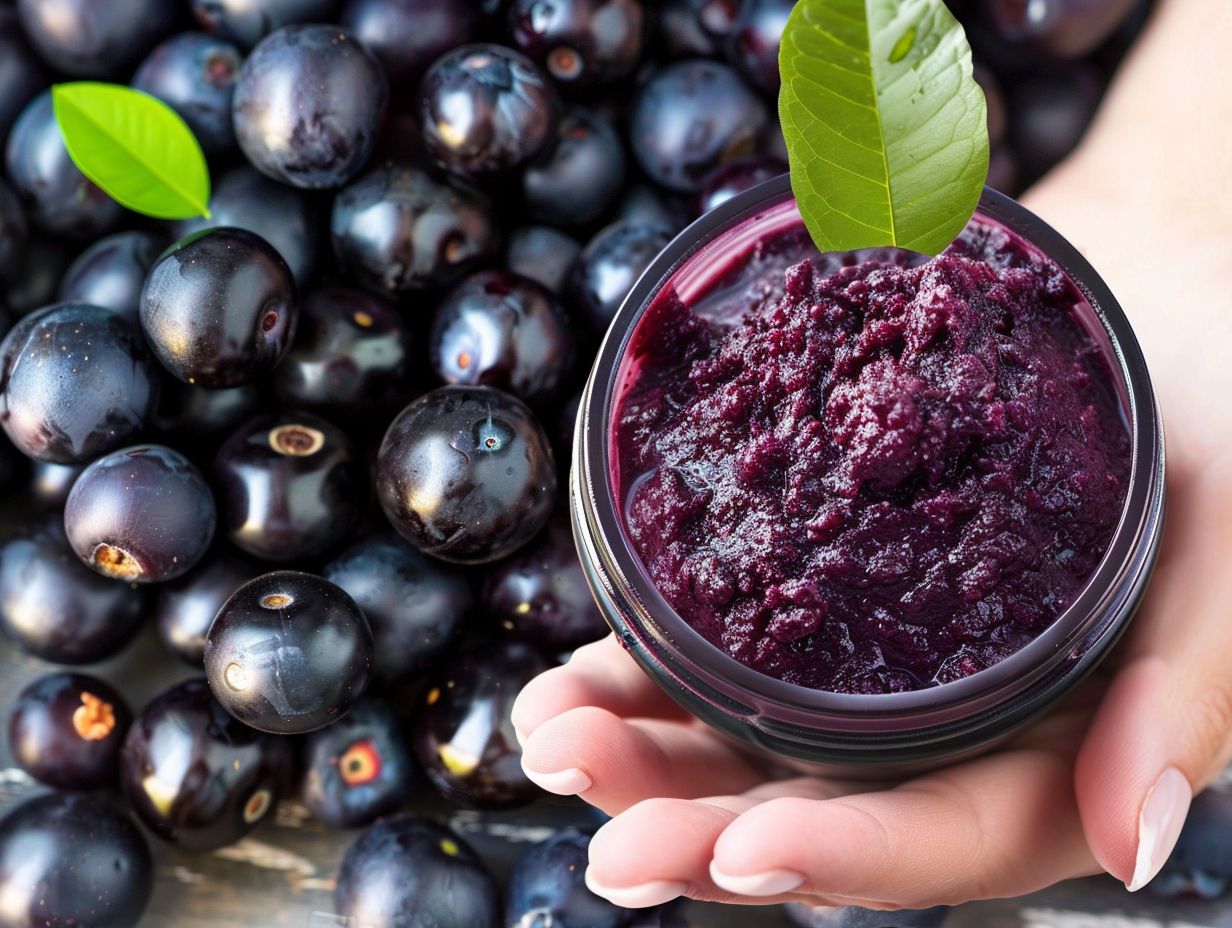
Looking for a natural way to improve your skin health? Acai berry, a superfood known for its numerous health benefits, may be the answer you’ve been searching for.

Let’s dive into the nutritional benefits of acai berry, its vitamins and minerals, and see how it stacks up against other superfoods. Find out how acai berry can work wonders for your skin, thanks to its antioxidant properties, and its potential to tackle anti-aging, skin elasticity, inflammation, acne, and other skin conditions.

You can easily add acai berry to your skincare routine, whether you opt for skincare products or decide to whip up your own DIY acai berry face mask. We’ll also touch on any potential risks or side effects of using acai berry on your skin.

If you’re curious about unlocking the secrets of acai berry for your skin, keep reading!

What Is Acai Berry?

You’ve probably heard of Acai Berry before – pronounced ah-sigh-EE, it’s a small, dark purple fruit that grows on the Acai Palm tree in the Amazon rainforest. People love it for its amazing nutritional value and all the health perks it brings.

The native tribes of the Amazon have been chowing down on acai berries for ages because they’re so energizing and jam-packed with antioxidants. These little berries are like nutrient powerhouses, loaded with vitamins A, C, and E, plus fiber and healthy fats.

When you taste acai berries, you’ll notice a cool mix of berry flavors with a hint of chocolate – it’s like a party in your mouth! That’s why they’re so popular in smoothie bowls, juices, and desserts. Growing acai palms is no joke; it takes just the right amount of sunlight, rain, and soil quality to make these superfood berries thrive.

What Are the Nutritional Benefits of Acai Berry?

You’ve got to check out the incredible nutritional benefits of Acai Berry. This superfood is packed with vitamins, minerals, and antioxidants that are game-changers for your overall health and vitality.

Acai Berry is like a treasure trove of nutrients, offering up essential vitamins such as Vitamin A, Vitamin C, and Vitamin E, along with minerals like potassium, calcium, and magnesium. These goodies are all about keeping your immune system in top shape, giving you that healthy glow, and keeping your energy levels up. Plus, the antioxidants in Acai Berry are like your personal army against oxidative stress, inflammation, and those pesky free radicals that can damage your cells. It’s all about ramping up your health and longevity with these powerful benefits.

What Vitamins and Minerals Does Acai Berry Contain?

Acai Berry packs a punch with essential vitamins like Vitamin A, Vitamin C, and Vitamin E, as well as minerals such as iron, calcium, and potassium. This fruit is like a nutritional superhero all in one!

These vitamins and minerals are like the Avengers, each playing a crucial role in keeping you healthy. Vitamin A is like the superhero for vision and immune function, Vitamin C is the immune system’s sidekick and helps keep your skin and tissues healthy, and Vitamin E is the powerful antioxidant saving the day. Iron is the oxygen carrier in your blood, calcium makes sure your bones and teeth are strong, and potassium is the regulator of fluid balance and muscle function. Adding Acai Berry to your diet is like enlisting these superheroes to ensure you’re getting all these essential nutrients.

How Does Acai Berry Compare to Other Superfoods?

When you look at superfoods, Acai Berry really shines with its incredible antioxidant levels, omega-3 fatty acids, and a special mix of plant compounds that do wonders for your health and energy.

These powerful antioxidants are like little warriors fighting off oxidative stress in your body, helping you age gracefully and keeping inflammation at bay. And with Acai Berry’s hefty dose of omega-3 fatty acids, you’re giving your heart some love by lowering cholesterol and getting that blood pumping smoothly. Plus, those plant compounds in Acai Berry? They’re like your immune system’s cheerleaders, and they’re great for managing your weight too. Acai Berry is like a health superhero, ready to give you all those awesome health perks.

How Can Acai Berry Benefit the Skin?

You should definitely consider adding Acai Berry to your skincare routine because it offers a ton of benefits for your skin. This little berry packs a punch with its anti-aging properties, hydration boost, and rejuvenating effects.

With its abundance of antioxidants, Acai Berry is like a shield against free radicals that speed up aging. Using it regularly can help you achieve a more youthful look by smoothing out those fine lines and wrinkles. Plus, the vitamin C in Acai Berry is a skin brightening champ, and it kickstarts collagen production to keep your skin firm and elastic. The nourishing goodness of Acai Berry also makes sure your skin stays moisturized, leaving you with a glowing and healthy complexion.

So, if you want to level up your skin game, adding some Acai Berry to your skincare routine can work wonders for your overall skin health.

What Are the Antioxidant Properties of Acai Berry?

What Are the Antioxidant Properties of Acai Berry?

The antioxidant properties of Acai Berry can do wonders for your skin, helping shield it from free radicals and oxidative stress. This leads to a youthful, glowing complexion.

You need those antioxidants in Acai Berry to battle the damaging effects of free radicals, which can make your skin age faster and look dull. Acai Berry swoops in to save the day by neutralizing these free radicals and keeping your skin firm and elastic. Plus, the vitamins and minerals in Acai Berry work their magic by nourishing and hydrating your skin from the inside out. So, if you want that healthy, radiant skin, make sure to add Acai Berry to your skincare routine.

Does Acai Berry Help with Anti-Aging?

You should definitely consider adding Acai Berry to your skincare routine. This superfood is a powerhouse when it comes to fighting signs of aging, helping boost collagen production, enhance skin elasticity, and minimize the appearance of wrinkles. With Acai Berry’s rich antioxidants, you can say goodbye to those pesky free radicals that harm your skin cells.

This superfood also promotes collagen synthesis, keeping your skin firm and resilient. Plus, its high vitamin C content works wonders for brightening your skin and evening out your overall skin tone. By incorporating Acai Berry products into your routine, you’ll notice a significant decrease in fine lines and a revitalized complexion, leaving you with a radiant and youthful glow.

Can Acai Berry Improve Skin Elasticity?

Incorporating Acai Berry into your skincare routine is a game-changer. This superfruit’s unique mix of vitamins and nutrients does wonders for your skin, helping to enhance elasticity and give you a firmer, suppler texture.

With Acai Berry’s rich vitamin C and E content, you’re in for a collagen boost that’s crucial for keeping your skin nice and bouncy. The antioxidants in Acai Berry are your skin’s shield against environmental harm, keeping premature aging at bay and helping you maintain that youthful glow. Plus, the essential fatty acids in Acai Berry are like a dose of hydration and radiance for your skin. Trust me, adding Acai Berry to your skincare routine is all about supporting your skin’s natural elasticity and overall health.

Does Acai Berry Have Anti-Inflammatory Properties?

With its powerful anti-inflammatory properties, Acai Berry can be your skin’s new best friend, helping to calm inflammation, ease various skin conditions, and boost your overall skin health.

Inflammation is the sneaky culprit behind many skin issues like acne, eczema, and psoriasis. But if you start adding Acai Berry to your skincare routine, you might just find some relief and a happier complexion. Thanks to the antioxidants in Acai Berry, your skin gets a shield against environmental stressors and premature aging, giving you that fresh-faced glow. Plus, its knack for calming inflammation could dial down redness and sensitivity, especially great news for folks with sensitive skin. Time to let Acai Berry work its magic in your skincare products!

Can Acai Berry Help with Acne and Other Skin Conditions?

With its natural properties, Acai Berry is your go-to for tackling acne and dealing with all sorts of skin issues. It’s like nature’s way of giving you clear and healthy skin.

Thanks to its anti-inflammatory and antioxidant-packed goodness, Acai Berry is a pro at calming down inflammation and redness that often come with acne. Plus, its stash of vitamins and minerals is all about promoting skin health from the inside out. Acai Berry can also help keep your skin from getting too oily, which is a major culprit behind pesky acne.

Whether you’re eating Acai Berry or using it in your skincare routine, this little berry can work wonders for giving you that balanced, glowing complexion with smoother skin – it’s like having a secret weapon for keeping your skin clear and radiant.

How Can You Incorporate Acai Berry into Your Skincare Routine?

How Can You Incorporate Acai Berry into Your Skincare Routine?

Incorporating Acai Berry into your skincare routine is a breeze and packs a punch, whether you go for skincare products with Acai Berry or whip up your own Acai Berry face masks for a pampering session.

To get the most out of Acai Berry in your skincare routine, try adding it to your daily skincare routine. Simply dab a bit of Acai Berry oil or serum on your clean face before putting on moisturizer. This will help keep your skin hydrated and shielded from antioxidants all day long.

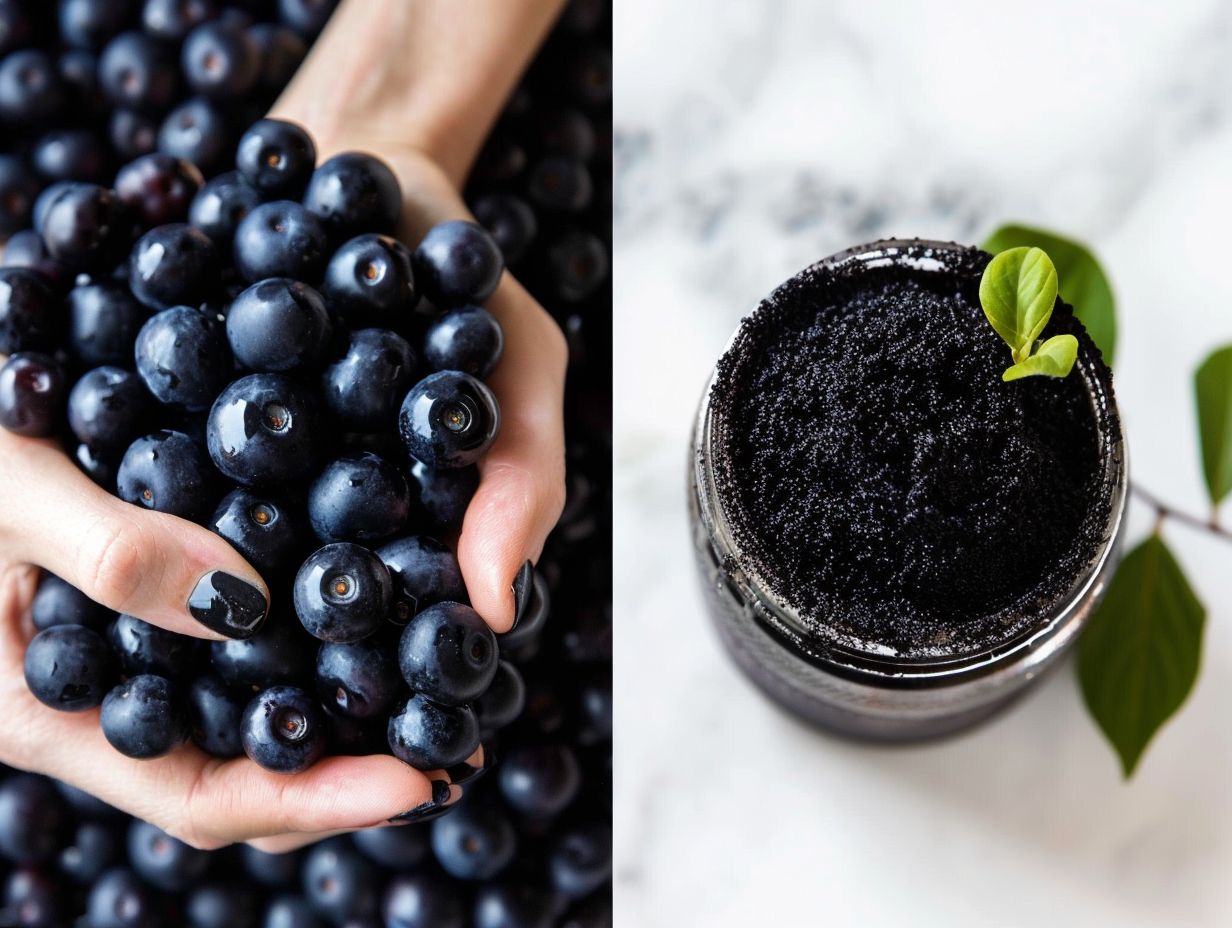
Mixing Acai Berry powder with some honey and yogurt can whip up a super hydrating face mask that leaves your skin smooth and glowing. Play around with different ways to bring Acai Berry into your skincare routine, and you’ll be rocking that radiant, well-nourished skin in no time.

What Skincare Products Contain Acai Berry?

You’ll find a variety of skincare products, like serums, moisturizers, masks, and cleansers, that use Acai Berry for its nourishing properties. This fruit is packed with natural ingredients that are great for rejuvenating your skin.

Acai Berry is a powerful antioxidant that can fight off free radicals and shield your skin from environmental stressors. It doesn’t just maintain skin elasticity; it also helps reduce signs of aging, leaving your skin looking fresh and revitalized.

These skincare products use natural ingredients, making sure your skincare routine is gentle yet effective, especially for those with sensitive skin. By leveraging the capabilities of nature, these Acai Berry-infused products provide a hydrating and rejuvenating experience for your skin.

How Can You Make Your Own Acai Berry Face Mask?

When you want to pamper your skin and get that radiant glow, why not try making your own DIY Acai Berry face mask? It’s super fun and easy to do, plus you get all the amazing benefits of Acai Berry.

To get started, grab the ingredients you’ll need: acai berry powder, honey, and yogurt. Acai berries are full of antioxidants that work wonders for your skin, honey locks in moisture like a boss, and yogurt gently exfoliates thanks to its lactic acid.

Now that you have everything, mix it all up in a bowl until you’ve got a nice, smooth paste. Slather that mask onto your clean, dry skin, making sure to steer clear of your peepers, and kick back for 15-20 minutes. Then just rinse it off with some warm water and admire that fresh, glowing skin!

Are There Any Risks or Side Effects of Using Acai Berry on the Skin?

While using Acai Berry products, you might want to keep in mind that it’s generally safe for topical application, but some folks could have allergies or sensitivity issues. To be on the safe side, do a patch test before diving in and don’t forget to slap on some sun protection to shield your skin from UV damage.

Be cautious about sun exposure when you’re using Acai Berry because it can up the chances of skin irritation thanks to its photosensitivity. If you’ve got sensitive skin or a history of allergies, play it safe when adding Acai Berry to your skincare routine. Remember, too much time in the sun without protection can speed up skin damage and aging. So, always remember to put on sunscreen with a high SPF when you’re using Acai Berry products to keep your skin safe from those pesky UV rays.

Frequently Asked Questions

What are the benefits of acai berry for skin?

What are the benefits of acai berry for skin?

Acai berry is rich in antioxidants, which can help protect the skin from environmental damage and improve overall skin health.

Can acai berry improve skin texture and tone?

Yes, acai berry contains vitamins and minerals that can help improve skin texture and tone, giving you a more radiant complexion.

How does acai berry help in anti-aging?

Acai berry is known to have anti-aging properties due to its high antioxidant content, which can help reduce the appearance of fine lines and wrinkles.

Does acai berry help with acne and blemishes?

Some studies have shown that acai berry may have anti-inflammatory properties, which can help reduce redness and inflammation associated with acne and blemishes.

Can acai berry be used topically on the skin?

Yes, acai berry oil or extract can be applied topically on the skin to reap its benefits, but it is important to patch test first and dilute it with a carrier oil.

Are there any potential side effects of using acai berry for skin?

In general, acai berry is considered safe for external use, but it is important to consult with a dermatologist if you have any allergies or sensitivities before incorporating it into your skincare routine.

Home Remedies For Sinus Congestion – Get Relief

Are you tired of dealing with sinus congestion? Whether it’s caused by allergies, a cold, or a sinus infection, the symptoms can be uncomfortable and bothersome.

In this article, we will explore the common causes of sinus congestion, the typical symptoms you may experience, and some effective ways to find relief.

From steam inhalation to natural remedies like apple cider vinegar and ginger, we’ve got you covered. Say goodbye to sinus congestion and hello to clear breathing!

What Causes Sinus Congestion?

What Causes Sinus Congestion?

Sinus congestion can be triggered by various factors, including allergies, common cold, sinus infections, and deviated septum. These causes can lead to the inflammation and blockage of your sinus passages, resulting in discomfort and pressure.

Allergies, for instance, can prompt your body to release histamines in response to allergens, such as pollen or dust particles, causing your nasal passages to swell and produce excess mucus. Similarly, a common cold can inflame your sinus lining, leading to congestion and difficulty breathing. Infections, whether viral or bacterial, can also contribute to your sinus congestion by causing your sinuses to fill with fluid and become inflamed. Structural issues like a deviated septum can create an obstruction in your nasal passages, impeding proper airflow and drainage, further exacerbating your sinus congestion.

1. Allergies

Allergies might be the culprit behind your sinus congestion, as your body’s immune system reacts to allergens by causing inflammation in your sinus passages. Watch out for common allergens like pollen, dust mites, pet dander, and certain foods that can make your sinus issues worse.

When you’re exposed to pollen, you might start experiencing hay fever symptoms. This can make your sinuses swell up, inflame them, and make it hard to breathe. Dust mites, cozying up in your bedding and upholstery, can stir up allergic reactions in those with sensitivities, adding to your sinus congestion. Pet dander, those little skin flakes shed by animals, is another usual suspect that can make your sinus problems even worse. Watch certain foods like dairy or nuts too, as they could set off allergic reactions in some folks, leading to more sinus congestion trouble.

2. Common Cold

When you catch a common cold, that pesky viral infection can really mess with your sinuses. You might find yourself dealing with nasal congestion, sinus pressure, and struggling to breathe. The virus basically throws a party in your nasal passages and sinuses, causing inflammation and giving you those classic symptoms of sinus congestion.

Because of this inflammation, your sinus tissues puff up and can block the normal flow of mucus and air in your sinuses. This blockage can then bring on even more trouble like facial pain, headaches, and maybe even mess with your sense of smell. The congestion might also lead to postnasal drip, coughing, and a sore throat. It’s super important for you to tackle these symptoms right away to ease the discomfort and avoid any potential issues that could pop up from having congested sinuses for too long.

3. Sinus Infection

Sinus infections, also known as sinusitis, can really mess with your sinuses, causing some serious congestion thanks to that inflammation of the sinus lining. When pesky bacteria or viruses decide to crash the party, you can end up with a whole lot of mucus buildup, blockages, and pressure in those sinuses of yours.

Once those sinuses get infected, your body kicks into gear with that immune response, trying to fend off those invaders. This whole defense mechanism triggers inflammation, causing the blood vessels in your sinuses to widen, leading to swelling and mucus production going into overdrive. All this congestion makes it tough for mucus to flow out properly, leaving you with pain and pressure in your face, especially around your eyes and nose.

Knowing whether you’re dealing with bacterial or viral sinusitis is key. Bacterial infections might need antibiotics to kick ’em to the curb, while viral infections usually clear up on their own with some good symptom management.

4. Deviated Septum

If you have a deviated septum, where your nasal septum is all crooked or displaced, it can really mess up your airflow and sinuses. This can cause all sorts of congestion and pressure, making your sinuses act up all the time.

When your nasal septum is off-kilter, it can throw off the whole sinus operation. Mucus doesn’t drain right, and air has trouble flowing smoothly. That can mean you’re stuck dealing with stuff like nasal congestion, constant sinus infections, face pain, and trouble breathing. Plus, having your septum out of whack can mess with your oxygen levels and sleep patterns, thanks to all the breathing issues that pop up at night.

What Are The Symptoms Of Sinus Congestion?

Sinus congestion can really throw a wrench in your day with symptoms like difficulty breathing, headaches, nasal discharge, and facial pain. These signs are like red flags signaling inflammation and blockages in your sinus passages.

When you’re having trouble breathing, even simple tasks can feel like climbing a mountain, leaving you feeling tired and like you just can’t catch a break.

Headaches often buddy up with sinus congestion, bringing along a pounding pain that can knock you off your feet.

Nasal discharge, whether clear or not-so-clear, is a surefire way to mess with your breathing and tip you off to sinus inflammation.

And don’t forget about facial pain! That achiness around your eyes or cheekbones can mess with your focus and overall mood, making it tough to tackle your to-do list.

1. Difficulty Breathing

If you’re having trouble breathing, sinus congestion might be the culprit. When your sinuses and nasal passages are all inflamed, it’s like they’re putting up a “Road Closed” sign for airflow. You could feel like your nose is all stuffed up or congested, making it tough to take a deep breath.

This congestion happens because your body is reacting to inflammation in your sinus cavities, making the tissues swell up and block the air’s usual path. And to make matters worse, when your sinuses are inflamed, they start pumping out more mucus, which just adds to the traffic jam in your nasal passages. As a result, you might struggle to breathe deeply and feel like there’s a ton of pressure in your sinuses.

Plus, this congestion party often brings along pain, headaches, and a weak sense of smell, making the whole experience even more uncomfortable.

2. Headache

2. Headache
If you’re dealing with sinus congestion, chances are you’ve experienced those pesky headaches that come along with it. The pressure building up in your sinuses can be a real pain, literally.

When your sinuses get all blocked up or inflamed, you might feel different kinds of headaches, like ones that pound in your forehead or ache in your cheeks and behind your eyes.

These headaches can hang around and get worse when you bend over or lie down, messing with your day and making you feel uncomfortable.

Knowing how sinus congestion and headaches are linked is key to managing your symptoms effectively and finding the right treatment to ease both your sinus troubles and the head pain that comes with them.

3. Nasal Discharge

If you’re dealing with nasal discharge, aka a runny nose, chances are your sinuses are all clogged up and producing mucus in response to some inflammation. That goop leaking out can be clear, white, yellow, or green, depending on what’s causing the issue.

When your sinuses get all fired up from allergies, infections, or nasty stuff like pollutants, they start churning out extra mucus as a shield. And that mucus might start dribbling out of your nose, giving you that lovely nasal discharge.

The color of the gunk can actually give you clues about how bad things are. Clear or white mucus usually shows up in the early stages of inflammation, while yellow or green goop might mean a bacterial infection has set in. Understanding the color of your nasal discharge can help you figure out what’s going on in your sinuses and steer you toward the right treatment.

4. Facial Pain

Facial pain can be a real pain when your sinuses are all clogged up. The pressure and inflammation in your sinuses can make your cheeks, forehead, and around your eyes feel downright uncomfortable. You might notice tenderness or soreness in those areas.

This discomfort usually feels like a dull, achy sensation that gets even worse when you bend over or experience sudden changes in pressure (hello, air travel woes). The congestion might also give you a heavy or tight feeling in your face, so you’re constantly reminded of that sinus-related discomfort. Plus, since your sinuses are cozying up to your facial nerves, you might end up with headaches or even tooth pain on top of the facial discomfort. Pain in the face – what a party!

How To Relieve Sinus Congestion?

If you’re dealing with annoying sinus congestion, there are a few tricks up your sleeve to help you find some relief. You can try out different methods like steam inhalation, nasal irrigation, applying warm compresses, staying hydrated, and even using essential oils to help clear up those stuffed sinuses.

One popular way to tackle sinus congestion is through steam inhalation. All you have to do is boil some water, take it off the heat, and add a few drops of essential oil like eucalyptus. Then, lean over the pot with a towel over your head and breathe in the steam for about 10-15 minutes.

Another helpful method is nasal irrigation, where you flush out mucus and allergens from your nasal passages using a saline solution. You can give a neti pot or nasal spray a try to help irrigate your sinuses.

For some immediate relief, try applying warm compresses to your face, especially around your sinuses. This can help reduce inflammation and give you a bit of comfort. So, give these methods a shot and say goodbye to that pesky sinus congestion!

1. Steam Inhalation

When you’re feeling all stuffed up from sinus congestion, turning to steam inhalation can be a game-changer. The warm vapor works like a charm to give your nasal passages some much-needed moisture and tone down the inflammation. Inhaling that steam is like a hug for your sinuses, offering instant relief and helping to clear out all that blockage.

This natural approach is a winner for easing nasal congestion by loosening up mucus and encouraging it to make a run for it, so you can breathe easier. The steam’s cozy warmth is like a spa day for your sinuses, calming down any irritation and pressure you might be feeling. And hey, on top of all that, steam inhalation helps to widen those airways, making it easier for you to take deep breaths and giving your respiratory system a nice little boost.

To give steam inhalation a whirl, just boil some water, pour it into a bowl, toss in a few drops of essential oils like eucalyptus or peppermint for some extra perks, lean over the bowl with a towel over your head to lock in that steamy goodness, and take nice, deep breaths for around 5-10 minutes. Trust me, it’s like a mini spa day for your sinuses!

2. Nasal Irrigation

When you’re dealing with sinus congestion, nasal irrigation is your go-to solution. It’s all about using a saline solution to rinse out your nasal passages, helping to clear out mucus and allergens. By doing this, you’ll notice that your breathing becomes clearer, and your sinuses feel more comfortable.

So, here’s how it goes: gently pour the saline solution into one nostril and let it flow out of the other. This whole process effectively cleanses your sinuses, getting rid of any trapped bacteria, viruses, and irritants. This helps to reduce inflammation and congestion, making you feel way better.

This simple and natural method is often recommended for folks dealing with allergies, sinus infections, or colds. Doing regular nasal irrigation can also improve your sinus drainage and prevent those pesky recurrent sinus infections. It’s a safe and drug-free way to ease your sinus discomfort for sure.

3. Warm Compress

When you’re dealing with sinus congestion, try using a warm compress on your face. It can really help by easing inflammation and encouraging sinus drainage. The gentle heat from the compress can give you some much-needed relief from the pressure and discomfort in your sinuses.

Heat therapy is a great way to boost circulation, and that can be super helpful for clearing up sinus congestion. Just apply a warm compress to your face to get the blood flowing and reduce any swelling or congestion in your sinuses. Better circulation can also give your body’s natural healing processes a little boost, making it easier to clear out your sinuses.

To use a warm compress effectively, all you have to do is soak a clean cloth in warm water, squeeze out the extra water, and then place it on your sinuses for 5-10 minutes at a time. You can repeat this as often as you need throughout the day for some soothing relief.

4. Stay Hydrated

4. Stay Hydrated

Staying hydrated is key for managing sinus congestion. You need those fluids to help thin out mucus and ensure it drains properly. So, make sure you’re sipping on water, herbal teas, and clear broths to stay hydrated and ease those pesky sinus symptoms.

Hydration is crucial for keeping your mucous membranes nice and moist. This helps prevent that thick, sticky mucus from building up and making your congestion worse. By making sure you drink enough fluids, you’ll support your nasal function and reduce inflammation in your sinuses. Toss in some hydrating fruits and veggies into your diet and steer clear of dehydrating drinks like alcohol and caffeine to keep your sinuses happy and healthy.

5. Use Essential Oils

You know those essential oils like eucalyptus, peppermint, and tea tree oil? They’re like the superheroes of sinus congestion relief, with their decongestant and soothing powers. When you breathe them in or put them directly on your skin, it’s like giving your sinuses a big ol’ hug.

Peppermint oil’s menthol is like a breath of fresh air for your stuffy nose, opening up those congested airways. And eucalyptus oil? It’s like a germ-fighting ninja, thanks to its antibacterial properties.

If you want to use essential oils safely for sinus relief, just remember to mix them with a carrier oil before smearing them on your skin. You can also spread their goodness by diffusing them in a room or adding a few drops to a bowl of hot water for some steam therapy. These tricks will help you breathe easy and chill out with those decongestant and calming effects.

What Are Some Natural Remedies For Sinus Congestion?

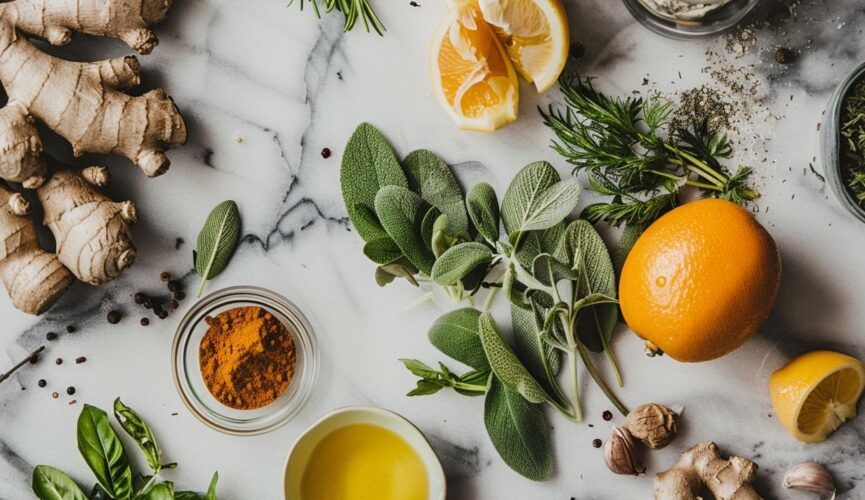
When dealing with sinus congestion, consider trying out some natural remedies for effective relief. Options like apple cider vinegar, turmeric, ginger, peppermint, and eucalyptus oil can be helpful in reducing inflammation, clearing sinuses, and easing discomfort.

You might want to give apple cider vinegar a shot because it’s known for its antibacterial and anti-inflammatory properties, making it a go-to option for tackling sinus congestion. Another contender is turmeric, a powerful anti-inflammatory spice that can help reduce swelling in your nasal passages. And don’t forget about ginger – its warming effects can actually help promote sinus drainage.

If you’re into minty freshness, peppermint could be your jam. The menthol in peppermint gives a cool sensation that can really help with breathing troubles. And let’s not overlook eucalyptus oil – it’s got decongestant properties that work wonders in opening up your airways for smoother breathing.

1. Apple Cider Vinegar

You can turn to apple cider vinegar as a natural remedy for sinus congestion. It’s known to thin mucus, reduce inflammation, and promote sinus drainage, offering relief from those pesky congestion symptoms.

The magic of apple cider vinegar lies in its ability to break down mucus, making it easier for your body to kick it out and giving you relief from your congested sinuses. Its anti-inflammatory powers also come in handy by reducing swelling in your nasal passages, easing your discomfort.

To get that sinus relief with apple cider vinegar, try mixing one to two tablespoons with a cup of warm water and sipping on it. Or, you can breathe in some steam with a dash of apple cider vinegar to help decongest your sinuses. Keep using apple cider vinegar regularly to keep your sinuses healthy and steer clear of future congestion woes.

2. Turmeric

You can turn to turmeric when dealing with sinus congestion, thanks to its awesome anti-inflammatory properties. Try incorporating turmeric into your routine by mixing it with warm milk or adding it to your favorite dishes to help ease sinus inflammation and boost your respiratory health.

This bright yellow spice contains curcumin, a compound known for its potent anti-inflammatory powers. Curcumin works by putting the brakes on inflammatory enzymes and cytokines, which are major players in causing sinus congestion.

A dash of turmeric in your morning smoothie or a cozy cup of turmeric tea are easy and effective ways to enjoy the health benefits of this spice. You can even whip up a turmeric-ginger paste for cooking or blend turmeric with honey for a natural throat-soothing remedy.

3. Ginger

You should definitely consider adding ginger to your routine if you’re dealing with sinus congestion. This versatile herb has anti-inflammatory properties that can really help ease those pesky sinus symptoms. Try sipping on some ginger tea or tossing fresh ginger into your meals to calm that inflammation and get some relief from congestion.

The fact that ginger can reduce inflammation naturally makes it a great go-to for sinus troubles. For a quick fix, whip up a ginger steam by grating some ginger into a bowl of hot water, then cover your head with a towel and breathe in that steam. If you prefer something more straightforward, ginger capsules or tinctures are super convenient ways to get your daily dose of ginger for sinus relief. And hey, why not get creative in the kitchen with some ginger-infused recipes? Not only will your meals be tastier, but you’ll also give your sinus health a little boost.

4. Peppermint

When dealing with sinus congestion, you can turn to peppermint for some refreshing relief, thanks to its menthol content. Inhaling peppermint oil or sipping on peppermint tea can work wonders in clearing up those stuffy airways.

The menthol found in peppermint acts as a natural decongestant, giving you a nice cooling sensation that can calm those inflamed sinuses and make breathing a whole lot easier. Plus, peppermint’s anti-inflammatory properties can help reduce any swelling in your nasal passages, making it even easier to clear up that congestion.

For a simple and effective way to use peppermint for sinus troubles, try adding a few drops of peppermint essential oil to a bowl of hot water and breathe in the steam. This method can help clear out mucus, relieve that sinus pressure, and keep your respiratory system in tip-top shape.

5. Eucalyptus

5. Eucalyptus

You might have heard that eucalyptus oil is a go-to solution for sinus congestion, thanks to its decongestant and antibacterial properties. Breathing in those eucalyptus oil vapors or using it in steam inhalation can work wonders in clearing out your sinuses and giving you some sweet relief.

The antibacterial powers of eucalyptus oil can take on infections in your sinus passages, boosting your overall respiratory health. To make sure you use eucalyptus oil safely, just dilute a few drops in a carrier oil like coconut or almond oil before applying it to your skin. Running an oil diffuser is another nifty trick to spread that lovely aroma around the room, making it easier to breathe. And hey, tossing a few drops of eucalyptus oil into a warm bath can help kick that nasal congestion to the curb, making it a versatile and effective remedy for sinus relief.

Frequently Asked Questions

What are some effective home remedies for sinus congestion?

There are several effective home remedies for sinus congestion, including steam inhalation, saline nasal irrigation, and using a humidifier. You can also try drinking plenty of fluids, using a warm compress, and taking over-the-counter pain relievers.

How does steam inhalation help with sinus congestion?

Steam inhalation helps to loosen mucus and relieve sinus congestion by moistening the nasal passages and reducing inflammation. You can do this by breathing in steam from a bowl of hot water or by using a facial steamer.

What is saline nasal irrigation and how does it help with sinus congestion?

Saline nasal irrigation involves using a saline solution to flush out the nasal passages, which helps to clear out mucus and reduce inflammation. You can purchase a saline nasal spray or make your own solution at home using salt and water.

Can using a humidifier help with sinus congestion?

Yes, using a humidifier can help to relieve sinus congestion by adding moisture to the air, making it easier to breathe. However, be sure to clean and maintain your humidifier regularly to prevent bacterial growth.

Are there any dietary changes that can help with sinus congestion?

Certain dietary changes may help to alleviate sinus congestion, such as increasing your intake of vitamin C and avoiding dairy products which can thicken mucus. Spicy foods, ginger, and garlic have also been known to help with sinus congestion.

When should I see a doctor for my sinus congestion?

If your sinus congestion persists for more than a week or is accompanied by severe pain, fever, or other concerning symptoms, it is best to see a doctor. They can determine the underlying cause and prescribe appropriate treatment.


24 Hour Detox Home Remedy – How To Get Ready For It

If you’re looking to give your body a refresh and kickstart your health journey, a 24-hour detox might be just what you need.

In this article, we’ll get right into the benefits and risks of a 24-hour detox and show you how to get ready for it. We’ll also give you some home remedies to boost the detox process and suggest activities to boost your overall well-being.

Stick around to find out how to keep up a healthy lifestyle after your detox!

What is a 24-Hour Detox?

Embarking on a 24-hour detox is a quick and effective way to give your body a refreshing cleanse and boost your overall well-being naturally. This holistic approach is all about getting rid of toxins and helping your body rejuvenate.

During a 24-hour detox, you give your body a much-needed break from processed foods, alcohol, and other toxins. By having nutrient-packed juices, herbal teas, and lots of water, you’re giving your body the vitamins and minerals it needs to support its natural detoxification processes. Not only does this flush out toxins, but it also ups your energy, improves digestion, and sharpens your mental focus. Plus, it can help with weight loss, ramp up your immune system, and give you healthier skin, hair, and nails.

What Are the Benefits of a 24-Hour Detox?

Engaging in a 24-hour detox can do wonders for your health and wellness. It’s like hitting the reset button for your body, flushing out all those toxins, and giving your system a much-needed boost.

When you give your digestive system a breather with a 24-hour detox, it gets the chance to repair and rejuvenate itself. This can lead to better digestion, nutrient absorption, and a noticeable increase in your energy levels. Not to mention, the detox process can help with managing your weight by getting rid of waste and excess water weight. And it’s not just your body that benefits – a detox can also work wonders for your mind, improving clarity, focus, and overall mood.

What Are the Risks of a 24-Hour Detox?

While embarking on a 24-hour detox might sound like a good idea to cleanse your system, it’s important to consider the risks involved. Quick detox methods, especially if you’re doing it at home, can actually be risky if not done safely.

Dehydration, electrolyte imbalances, and potential withdrawal symptoms are just some of the risks you might face. Rushing through a detox can put a lot of strain on your body and lead to health issues if not handled properly. Before diving into any detox program, especially those promising fast results, it’s crucial to chat with a healthcare professional.

If you don’t approach a 24-hour detox the right way, you could end up doing more harm than good. So, take it slow, get the right guidance, and make sure you’re detoxing safely and effectively.

How to Prepare for a 24-Hour Detox?

When you’re gearing up for a 24-hour detox, you need to take a strategic approach to make sure you’re flushing those toxins out like a champ. This whole detox journey is all about following specific steps to make sure you do it right.

One of the big things you’ve got to think about when you’re starting a detox is picking a method that actually lines up with what you want and what you like. Whether you’re going for a juice cleanse, a water fast, or a whole-food detox, make sure you’re choosing a method that really speaks to you.

Getting your environment all detox-ready is super important. Clear your calendar, get your hands on some healthy grub, and kick out any distractions to make sure your detox goes off without a hitch. And don’t forget about prepping your mind for the detox by setting some intentions, staying mindful, and keeping that positive attitude – it can make a huge difference in how well your cleanse works.

What Foods and Drinks Should You Avoid?

During a 24-hour detox, you need to steer clear of certain foods and drinks that might slow down the cleansing process. Your best bet is to go for natural, whole foods and make sure you stay hydrated to rock that detox.

Say goodbye to processed foods like fast food, packaged snacks, and refined sugars for the duration of your detox. These foods can overload your system with extra additives and preservatives, making it tougher for your body to kick those toxins to the curb.

Watch out for sugary drinks too, like soda, energy drinks, and sweetened juices. They can mess with your body’s detox game plan and send your blood sugar levels on a rollercoaster ride.

Stick to nutrient-packed fruits, veggies, lean proteins, and healthy fats to give your body the support it needs for its natural cleanup crew to do its thing. That way, you’ll be boosting your overall well-being in no time.

What Foods and Drinks Should You Consume?

When you’re on a 24-hour detox, it’s crucial to pick the right foods and drinks to give your body the support it needs. By mixing it up with a range of fruits, vegetables, herbs, and supplements, and making sure you stay hydrated, you can really rev up that detox process.

For fruits, think about adding in berries, apples, and citrus fruits – they’re all packed with antioxidants that can help take on those pesky free radicals in your system. And when it comes to veggies, go for leafy greens, broccoli, and bell peppers to load up on the essential vitamins and minerals your body needs for detoxification. Don’t forget about herbs like turmeric, ginger, and cilantro – they can really give your cleansing process a boost.

To take it up a notch, toss in some supplements like milk thistle, probiotics, and vitamin C. They’ll help your liver do its job and keep that detox train chugging along. Oh, and keep that water flowing all day long – it’s the key to flushing out toxins and keeping yourself nice and hydrated.

What Are Some Home Remedies for a 24-Hour Detox?

What Are Some Home Remedies for a 24-Hour Detox?

If you’re looking to kickstart a 24-hour detox journey, home remedies are your go-to solution. These DIY routines typically involve using herbs, self-care practices, and rejuvenating techniques to help your body with its natural cleansing process.

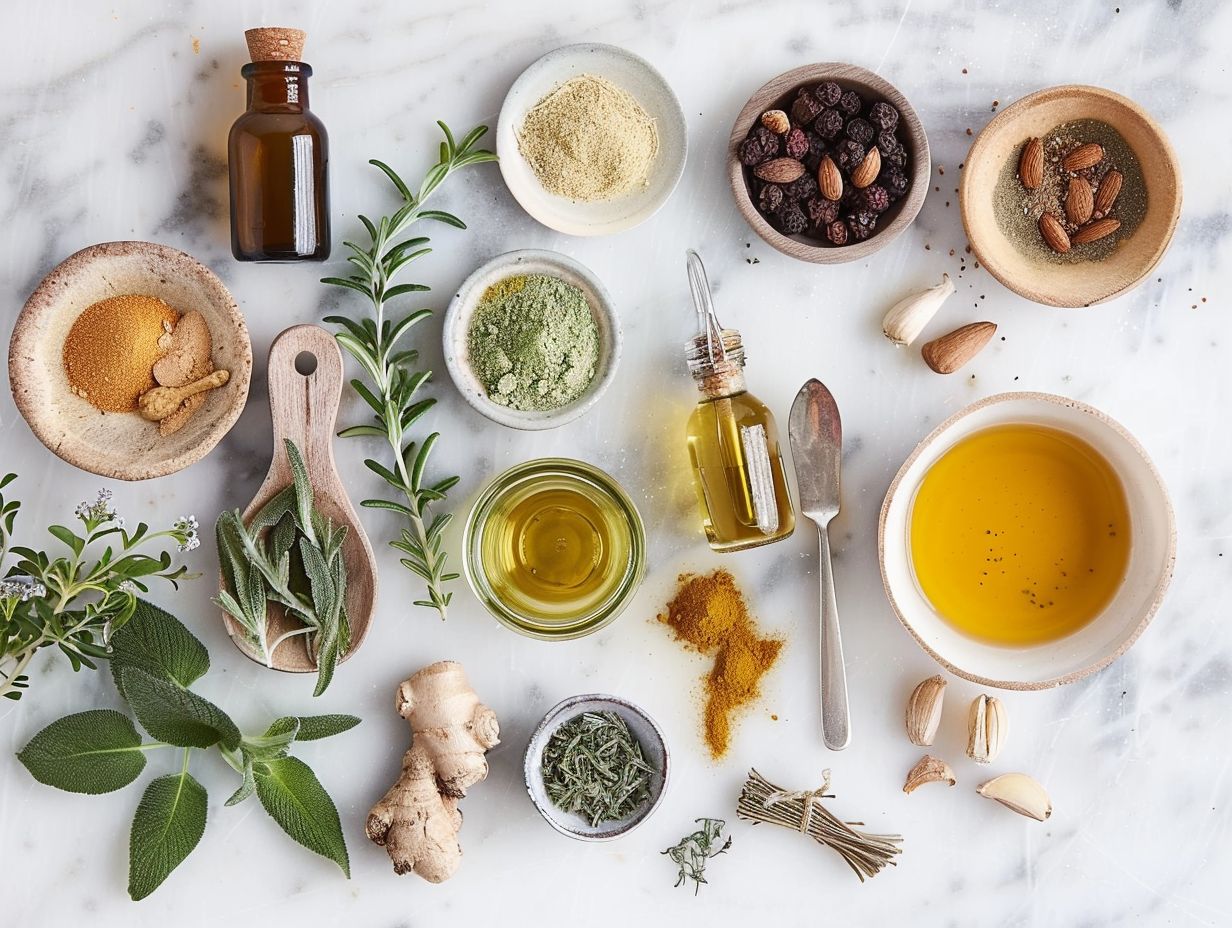
You can enhance your body’s detoxification abilities by incorporating herbal remedies like green tea, dandelion root, and ginger into your routine. Starting your day with lemon water and sipping on a warm turmeric-infused drink before bed can help flush out toxins. Along with these herbal remedies, self-care rituals such as dry brushing, oil pulling, and mindfulness practices can take your detox process to the next level.

By incorporating these natural methods into your daily routine, you not only support detoxification but also promote overall well-being and rejuvenation.

1. Lemon Water

You should consider giving lemon water a shot for your 24-hour detox. It’s a go-to option because of its cleansing and hydrating properties, helping to flush out toxins and keep you hydrated during the detox process.

Adding some lemon to your water not only makes it taste better but also enhances its benefits. The citric acid in lemons can aid in digestion and give your metabolism a little nudge. Making lemon water is as easy as squeezing fresh lemon juice into a glass of warm or cold water. For optimal results, try starting your day with lemon water on an empty stomach and sip on it throughout the day between meals. Incorporating lemon water into your detox routine can really amp up your overall health and well-being.

2. Green Tea

Green tea is like your best buddy during a 24-hour cleanse. Packed with antioxidants and a reputation for boosting metabolism, green tea is your go-to for flushing out toxins and feeling refreshed.

Its secret weapon? Catechins, especially epigallocatechin gallate (EGCG), are the MVPs in fighting oxidative stress and giving your cells a new lease on life.

Adding green tea to your detox routine is like hitting the “restart” button on your metabolism, giving your body a helping hand in its natural detox processes and overall wellness.

Whether you like it hot or cold, green tea is the perfect sidekick for your cleanse, keeping you feeling refreshed and healthy all day long.

With its gentle yet powerful detox effects, it’s no wonder green tea is a crowd favorite for anyone looking to revitalize their body and start fresh.

3. Apple Cider Vinegar

Apple cider vinegar is your go-to holistic remedy for supporting detoxification and purification processes in your body during a 24-hour detox. This natural ingredient is your sidekick in cleansing toxins and promoting overall purification.

It’s packed with acetic acid, famous for its antimicrobial and antioxidant powers that help flush out toxins and harmful substances from your body. By adding apple cider vinegar to your daily routine, you can balance your pH levels, boost digestion, and rev up your metabolism.

To make apple cider vinegar part of your detox plan, just mix a tablespoon of it with water and sip it before meals or drizzle it on your salad for a refreshing cleanse.

4. Detox Smoothies

You can give your body’s detoxification process a boost with delicious and nutritious detox smoothies while doing a 24-hour cleanse. These power-packed beverages are filled with fruits and vegetables that help clean out toxins and provide essential nutrients.

When you add detox smoothies to your cleansing routine, you’re giving your body a helping hand in its natural detox processes. With all the vitamins, minerals, and antioxidants these smoothies offer, your system gets a break from heavy, processed foods and a chance to refresh itself.

On top of that, the hydrating nature of these smoothies helps flush out toxins and keeps you well-hydrated. For a top-notch detox smoothie, think about tossing in ingredients like leafy greens, citrus fruits, ginger, and chia seeds to bump up the fiber content and detoxifying benefits.

What Are Some Activities to Enhance the Detox Process?

Engaging in specific activities can really boost your detox process and help you feel rejuvenated during a 24-hour cleanse. Things like exercise, yoga, and meditation all pitch in to support your body’s natural detox mechanisms.

When you exercise, you get that blood pumping and start sweating, which is like a cleanse from the inside out. It helps your body flush out toxins and get rid of the gunk.

Yoga is like a detox superhero with its mix of poses, breathing exercises, and mindfulness. It’s all about improving digestion and keeping stress at bay, which are key players in detoxification.

And meditation? It’s like a soothing balm for your mind. It helps calm things down, lower stress hormones, and boost emotional wellbeing, all of which can do wonders for your body’s detox efforts.

1. Exercise

1. Exercise

Incorporating exercise into your 24-hour detox routine can be highly beneficial for cleansing toxins and revitalizing your body. Physical activity helps stimulate circulation, promote detoxification, and energize your body.

When you engage in exercises like brisk walking, yoga, or swimming, you enhance your body’s natural detox processes. These activities not only help with sweating out toxins but also improve lymphatic flow, which is key for eliminating waste from your body. By adding strength training exercises, you can build muscle mass, boost metabolism, and increase overall energy levels. Just remember to stay hydrated and tune in to what your body needs while including exercise in your detox program for the best results.

2. Yoga

When you’re looking to detox, incorporating yoga into your routine can do wonders for cleansing toxins and rejuvenating your body. Yoga’s got your back with its all-encompassing approach that includes physical postures, breathwork, and mindfulness practices to support your detox journey.

Get your detox started with yoga poses like twists such as Bharadvajasana or Ardha Matsyendrasana. These poses work wonders in helping your liver and kidneys flush out toxins. Then, flip things upside down with inversions like Shoulder Stand or Legs-Up-The-Wall pose. These poses boost circulation and lymphatic drainage, helping your body get rid of waste.

And let’s not forget the mental detox – the meditative side of yoga helps kick stress to the curb. Lowering stress levels is key to detoxifying your mind, promoting mental clarity, and finding that emotional balance you’ve been craving. Give yoga a try and see how it can help you detox inside and out.

3. Meditation

When you’re working on your 24-hour detox plan, adding meditation into the mix can really level up your cleansing game. It’s all about bringing in some relaxation, mindfulness, and mental clarity to the table. Meditation not only helps you chill out and destress, but it also supports your body’s detox process and gives your mind and body a nice refresh.

So, carve out some time each day to meditate, letting your body unwind and release all that pent-up tension. This can actually help your body get rid of toxins more efficiently. Plus, the mental clarity you gain from meditation can help you make better choices when it comes to food and lifestyle habits during your detox journey. As you focus on your breath and quiet your mind, you’re creating the perfect zen space for your body to detox like a champ. With meditation as part of your detox routine, you’re taking a holistic approach to wellness that covers both your physical and mental well-being.

How to Maintain a Healthy Lifestyle After a 24-Hour Detox?

After you complete your 24-hour detox, it’s important to keep up with a healthy lifestyle to keep reaping the benefits of the cleanse. That means focusing on eating a balanced diet, staying hydrated, getting enough sleep, and watching your alcohol and caffeine intake.

Make sure you’re eating a variety of fruits, veggies, whole grains, and lean proteins to give your body the nutrients it needs to thrive post-detox. And don’t forget to drink plenty of water throughout the day to help flush out toxins and keep your digestion on track.

Getting a good night’s sleep is key for your overall well-being and helps your body recover, so make sure you’re catching those Z’s. And when it comes to alcohol and caffeine, remember to enjoy them in moderation to keep your daily routines in a healthy balance.

1. Stay Hydrated

Maintaining proper hydration levels is crucial after a 24-hour detox to support your body’s cleansing processes and overall well-being. You need to drink ample water and consume hydrating fruits and vegetables to stay properly hydrated post-detox.

Incorporating foods with high water content, like cucumbers, watermelon, and leafy greens, can also help rehydrate your body after detox. These foods not only give you essential hydration but also provide vital nutrients to support your body’s restoration process.

To keep yourself hydrated throughout the day, make sure to carry a reusable water bottle and set reminders to drink water regularly. Herbal teas and infused water can add flavor while keeping your hydration levels up. Making conscious choices to prioritize hydrating foods will contribute to your long-term well-being post-detox.

2. Eat a Balanced Diet

To maintain the benefits of your cleanse and keep your health in tip-top shape, it’s crucial to follow a balanced diet post-detox. Make sure to include nutrient-packed whole foods, lean proteins, and all the essential vitamins and minerals your body needs.

When planning your meals, throw in a variety of colorful fruits and veggies to get those antioxidants, fiber, and essential nutrients. And for lasting energy, go for whole grains like quinoa, brown rice, and oats. Don’t skimp on the good stuff – quality proteins from fish, poultry, legumes, and tofu are key for muscle repair and growth. And hey, healthy fats are your friends! Get ’em from avocados, nuts, and olive oil to keep your brain sharp and your heart happy.

A little meal prep goes a long way! By planning ahead and mixing up different food groups, you’ll make sure you’re getting all the nutrition you need to keep feeling vibrant and healthy.

3. Get Enough Sleep

3. Get Enough Sleep

Prioritizing enough sleep and rest is crucial for your post-detox rejuvenation and overall well-being. Quality sleep helps your body’s natural detox processes, repairs your cells, and boosts your energy levels.

After a detox, your body goes through significant changes, which makes the restoration from sleep even more important. While you sleep, your brain gets rid of toxins accumulated throughout the day, helping with detoxification. Getting deep, restorative sleep also strengthens your immune system, helping your cells repair and regenerate.

To enhance your sleep quality after detox, try sticking to a regular sleep schedule, creating a relaxing bedtime routine, and ensuring your sleep environment is comfortable. Prioritizing restful sleep after detox not only helps with your physical recovery but also improves mental clarity and emotional balance.

4. Limit Alcohol and Caffeine Intake

Limit your alcohol and caffeine intake after your detox to keep reaping the benefits and boost your overall health. Moderation is key – enjoy alcoholic drinks and caffeinated beverages in moderation to maintain the results of your detox and enhance your well-being.

Consuming too much alcohol and caffeine can really set you back, undoing all the progress you made during your detox. To cut down on alcohol, try out mocktails or alcohol-free options that still hit the spot without the alcohol. And for caffeine, consider switching to herbal teas or decaf versions of your faves to bring down your overall intake. Getting into activities like yoga, meditation, or some exercise can also help you manage stress after your detox, making it easier to kick any overreliance on alcohol and caffeine as your go-to coping methods.

Frequently Asked Questions

What is a 24 hour detox home remedy?

A 24 hour detox home remedy is a natural or homemade approach to cleansing your body of toxins and impurities within 24 hours.

What are the benefits of a 24 hour detox home remedy?

A 24 hour detox home remedy can help improve overall health, increase energy levels, promote weight loss, improve skin appearance, and boost immune system function.

What are some common ingredients used in 24 hour detox home remedies?

Lemon, water, cayenne pepper, ginger, apple cider vinegar, and green tea are some common ingredients used in 24 hour detox home remedies.

How do I prepare for a 24 hour detox home remedy?

Before starting a 24 hour detox home remedy, it is recommended to cut out processed foods, alcohol, and caffeine for a few days and increase water intake to help prepare your body.

Are there any potential side effects of a 24 hour detox home remedy?

Some people may experience side effects such as fatigue, headaches, or digestive discomfort during a 24 hour detox home remedy, but these are usually temporary and a sign that the detox is working.

Can a 24 hour detox home remedy be done regularly?

It is not recommended to do a 24 hour detox home remedy too frequently, as it can be taxing on the body. It is best to consult with a healthcare professional before starting any detox program.

Is Sitting Indian Style Bad For Your Knees

Have you ever wondered about the effects of sitting cross-legged on your knees? Let’s dive into the risks and potential benefits of this sitting position, talk about other sitting options and knee-strengthening exercises, and share some tips on how to ease knee pain while sitting and keep your posture in check.

If you’re aiming to upgrade your sitting routine and take care of your knees, stick around to find out more!

What Is Sitting Indian Style?

What Is Sitting Indian Style?

When you sit Indian style, also known as cross-legged, you’re basically plopping down on the floor with both legs crossed in front of you. It’s a position that’s been around for ages and is linked to various cultures.

In lots of Asian countries, sitting cross-legged is seen as a sign of respect and deference to elders or during religious rituals. It’s a pose that helps you stay mindful and focused, often used during meditation and yoga to find that inner peace and balance.

Some folks love sitting Indian style because it feels cozy and rooted, while others might feel a bit achy, especially in the hips and lower back. Sitting this way comes with perks like better posture, more flexibility, and improved digestion. But sitting like this for too long can make your knees and hips feel stiff and strained.

How Does Sitting Indian Style Affect The Knees?

When you sit cross-legged, it can have both good and bad effects on your knees. Doing this frequently can help increase your hip rotation flexibility, but it might also cause discomfort in your knees and possible joint pain.

As time goes on, sitting in this position can put too much pressure on your knees, affecting your joint health and alignment. The way your hips rotate outward in this position can make your knees bend at an odd angle, which could lead to issues like misaligned kneecaps or straining your ligaments.

Sitting cross-legged for a long time without breaks can make these problems even worse. To ease knee discomfort, try adding some regular stretching exercises to your routine. This can help improve flexibility and strengthen the muscles around your knees for better support.

What Are The Risks Of Sitting Indian Style?

Regarding sitting cross-legged, you should be aware of the risks involved, especially when it comes to your knees and overall joint health. Prolonged sitting in this position can cause discomfort that might lead to joint pain and impact your posture and flexibility.

Sitting cross-legged can put more pressure on your knee joint, potentially causing issues like reduced range of motion, stiffness, and even injuries over time. Additionally, not having support for your lower back while sitting cross-legged can strain your lumbar spine, resulting in discomfort and possible complications.

To lower these risks, try incorporating stretches to enhance hip and knee flexibility, changing positions during long periods of sitting, and using supportive cushions or props under your knees to reduce strain on your joints and promote better posture.

What Are The Potential Benefits Of Sitting Indian Style?

Despite the risks, sitting cross-legged offers you some potential benefits that can positively impact your flexibility and posture. This traditional sitting position can help improve your hip rotation and encourage you to have a more conscious posture.

Sitting in this position can assist you in strengthening the muscles around your hips, lower back, and core, which are crucial for maintaining good posture and preventing discomfort. By making this position a regular part of your routine, you may notice increased body awareness and enhanced flexibility. This can make it easier for you to participate in activities that require bending, twisting, or balancing.

These benefits go beyond just physical health. Improved posture and flexibility can have a positive impact on your mental well-being and overall quality of life. So, next time you settle in for a seated session, consider giving the cross-legged position a try for its potential advantages.

What Are Some Alternatives To Sitting Indian Style?

What Are Some Alternatives To Sitting Indian Style?

If sitting cross-legged isn’t your thing or it’s causing you discomfort, there are a bunch of other options you can try out to find a better sitting position that works for you and feels comfortable for your body and preferences.

One idea is to give a chair with good ergonomic support a shot. This can help you keep the right posture and reduce any strain on your back and joints. Sitting on a cushion might offer some extra padding and support, easing the pressure on your knees. Experimenting with different sitting positions, like sitting cross-legged or stretching your legs out, could also help spread your weight more evenly.

The key is to find a position that not only feels good but also helps support your overall health and well-being.

What Are Some Other Sitting Positions?

Aside from sitting cross-legged, there are plenty of other sitting positions you can test out to ease discomfort and improve your posture. These alternative sitting positions are designed to suit various body types and preferences, giving you a variety of choices for a healthier sitting experience.

  • One popular alternative sitting position is the kneeling chair. This chair encourages a more upright posture by positioning your hips forward and your back straight. It’s great for reducing lower back pain and improving spinal alignment.
  • Another option to consider is the standing desk. With this setup, you can switch between sitting and standing, reducing the risks of being sedentary and promoting better circulation.
  • And if you prefer a more laid-back position, the reclined chair might be your best bet. It provides back support and can help relieve pressure on your spine, making those long sitting sessions much more comfortable.

What Are Some Exercises To Strengthen The Knees?

To strengthen your knees and ease joint pain, you can benefit from adding specific exercises to your routine. These exercises focus on the muscles surrounding your knees, improving stability and flexibility in the joint.

For instance, a great exercise to try is the quad set. Sit with your legs straight and tighten the muscles on the top of your thigh, holding for a few seconds before releasing. You can also incorporate leg raises while lying down to strengthen the quadriceps, an important muscle group that supports your knees. Stretching exercises like hamstring stretches and calf stretches are also crucial for maintaining knee flexibility and reducing stiffness. Mixing up these exercises ensures a well-rounded approach to keeping your knees healthy.

How Can You Reduce The Risk Of Knee Pain While Sitting?

To reduce the risk of knee pain while sitting, especially in positions like Indian style, you should focus on improving your posture, adding movement, and taking care of your knee health. By making some simple changes and being mindful of your choices, you can ease discomfort and encourage better knee alignment.

Make sure your chair is at the right height so that your feet comfortably touch the floor and your knees form a 90-degree angle. It’s a small adjustment that can make a big difference in supporting your knees while you sit.

Try to take short movement breaks every 30 minutes to prevent stiffness and boost circulation in your knees. And don’t forget about some subtle knee-strengthening exercises like leg lifts and calf raises that you can do while seated. These exercises can help strengthen the muscles around your knee joint.

Consider setting up your sitting area with ergonomic furniture and cushions to reduce stress on your knees even further. By creating a supportive environment, you can make sitting more comfortable and keep your knees happy.

What Are Some Tips For Proper Sitting Posture?

What Are Some Tips For Proper Sitting Posture?

Maintaining proper sitting posture is key to reducing discomfort and promoting overall health. Whether you’re sitting Indian style or in another position, there are some key tips you can follow to align your spine, support your back, and avoid muscle strain.

Make sure your feet are flat on the floor and your knees are at a 90-degree angle to keep your spine in a natural, neutral position. Using a small cushion or lumbar support behind your lower back can give you extra support and maintain the natural curve of your spine. Keep your shoulders relaxed and resist slouching to prevent unnecessary strain on your neck and shoulders.

By making these mindful adjustments, you can significantly improve your sitting experience and enhance your overall well-being.

How Can You Incorporate Movement Into Your Sitting Routine?

To combat the negative effects of sitting for long periods, it’s important for you to incorporate movement into your routine. Doing simple exercises, stretches, and taking occasional breaks can help improve circulation, increase flexibility, and prevent muscle fatigue.

A great way to add movement is by doing desk stretches as part of your daily routine. These stretches can be easily done at your desk, helping to release muscle tension and keep you flexible.

Another effective strategy is to take short walks during breaks or lunchtime. This breaks up those long sitting sessions and gives you a quick burst of physical activity. Just remember, making movement and flexibility a priority throughout your day can really boost your overall well-being.

When Should You See A Doctor For Knee Pain?

If you’re dealing with persistent knee pain, especially after sitting cross-legged or doing activities that make it worse, it’s a good idea to see a doctor for a proper evaluation. Getting medical advice can help pinpoint any underlying issues, come up with a treatment plan, and stop things from getting worse.

Healthcare pros, like orthopedic specialists or physical therapists, know their stuff when it comes to knee troubles. If your knee pain sticks around for more than a couple of days, or if you notice swelling, instability, redness, or warmth in the joint, or if you’ve had a past injury, it’s a good call to get medical help ASAP.

A healthcare provider can do a thorough check-up, order tests like X-rays or MRIs, and suggest the right fixes like physical therapy, meds, injections, or even surgery to tackle the real cause of your knee woes.

Frequently Asked Questions

Is sitting indian style bad for your knees?

Is sitting indian style bad for your knees?

It can be, especially if you have preexisting knee problems or are sitting in the position for extended periods of time.

What are the potential risks of sitting indian style for your knees?

Sitting in this position can put excessive pressure on the knee joints and potentially lead to discomfort, pain, or even injury.

Can sitting indian style cause knee pain?

Yes, sitting in this position can cause knee pain, especially if you are not used to it or do not have the flexibility to sit comfortably in this position.

Are there any benefits to sitting indian style?

While it is a commonly used sitting position, there are no significant health benefits to sitting indian style. It is more of a cultural habit than a beneficial posture.

How can I prevent knee pain while sitting indian style?

You can avoid knee pain by taking frequent breaks and stretching your legs, avoiding sitting in the position for extended periods of time, and maintaining good posture while sitting.

Is there a better sitting position for my knees?

Yes, there are many alternative sitting positions that can be more comfortable and less strenuous on your knees, such as sitting with your feet flat on the ground or using a supportive chair with proper back and knee support.