Tag: karate

Kempo Karate History

You’re about to dive into the world of Kempo Karate, a martial art with deep roots and an interesting journey through history.

We’re going to explore the origins of Kempo Karate and shine a spotlight on the key figures who have influenced its growth. From fundamental beliefs to combat moves, we’ll dig into the principles of this martial art and how it’s applied today, even branching out into other disciplines.

Discover how Kempo Karate has left a mark on popular culture, from its portrayal in the media to its rising fame on a global scale.

The Origins of Kempo Karate
The Origins of Kempo Karate

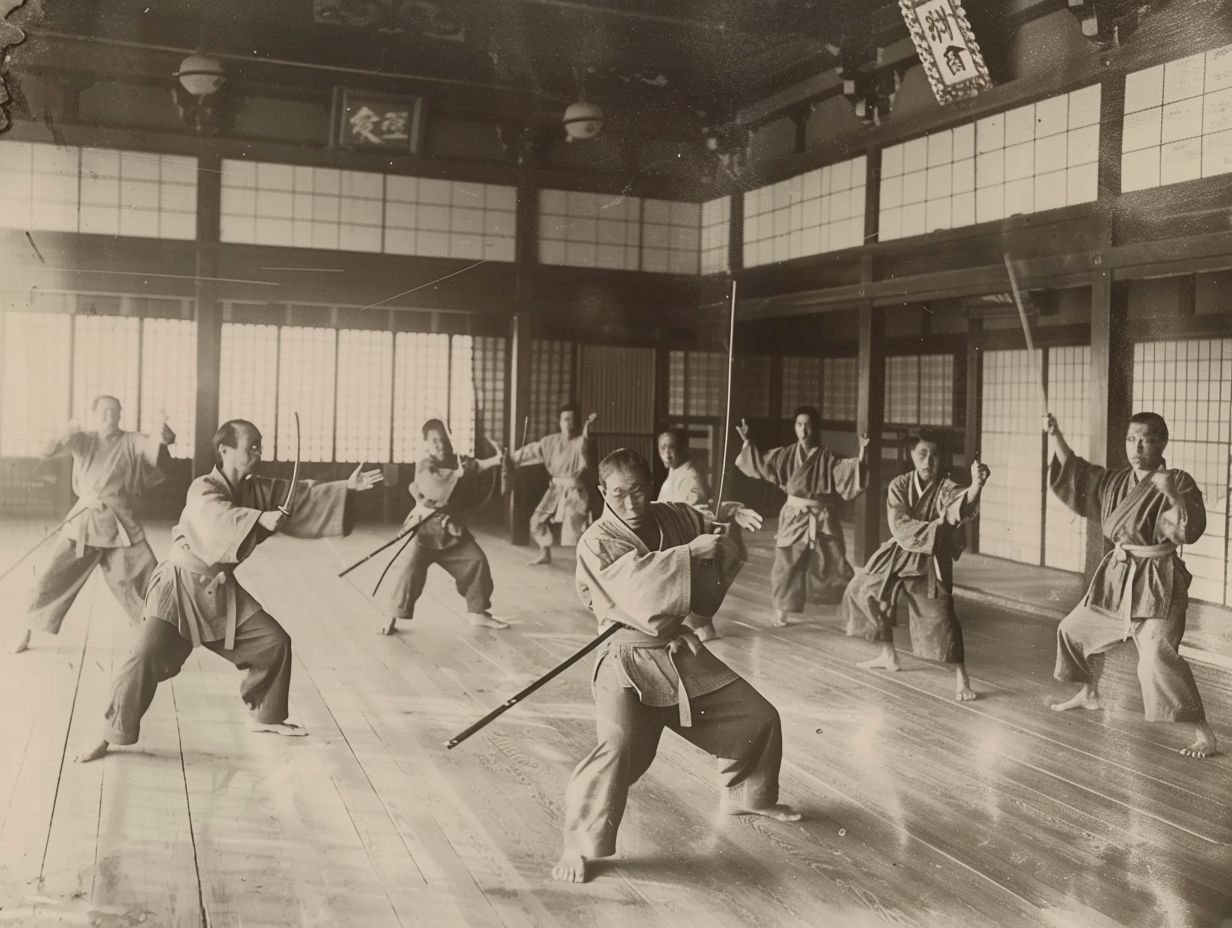
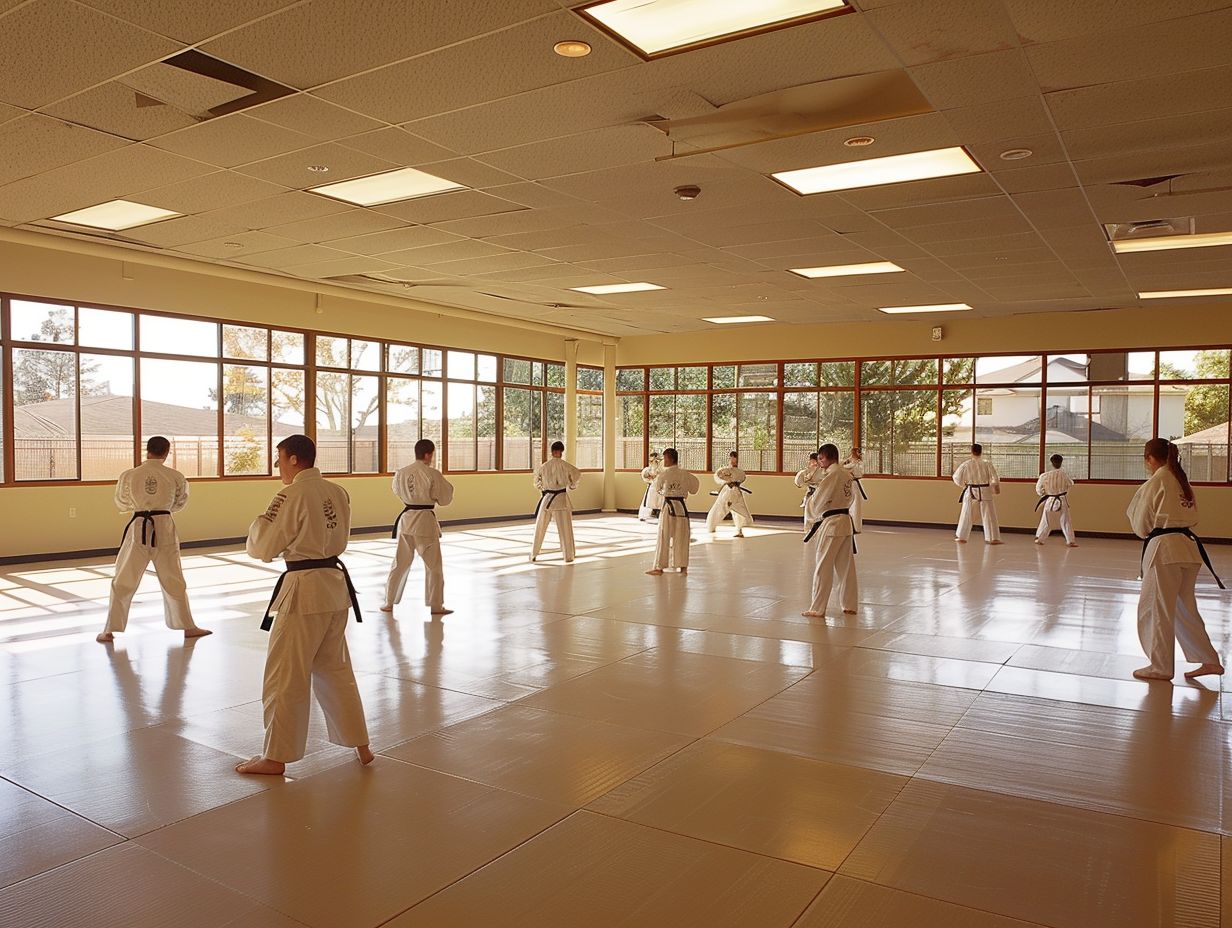
When you look into it, you’ll see that the Origins of Kempo Karate go way back to the martial arts practices that started in Japan. It’s got some real self-defense wisdom behind it and sticks to those old-school techniques. The influence of Japanese culture has been huge on Kempo Karate, molding its principles and techniques over the years.

History and Evolution

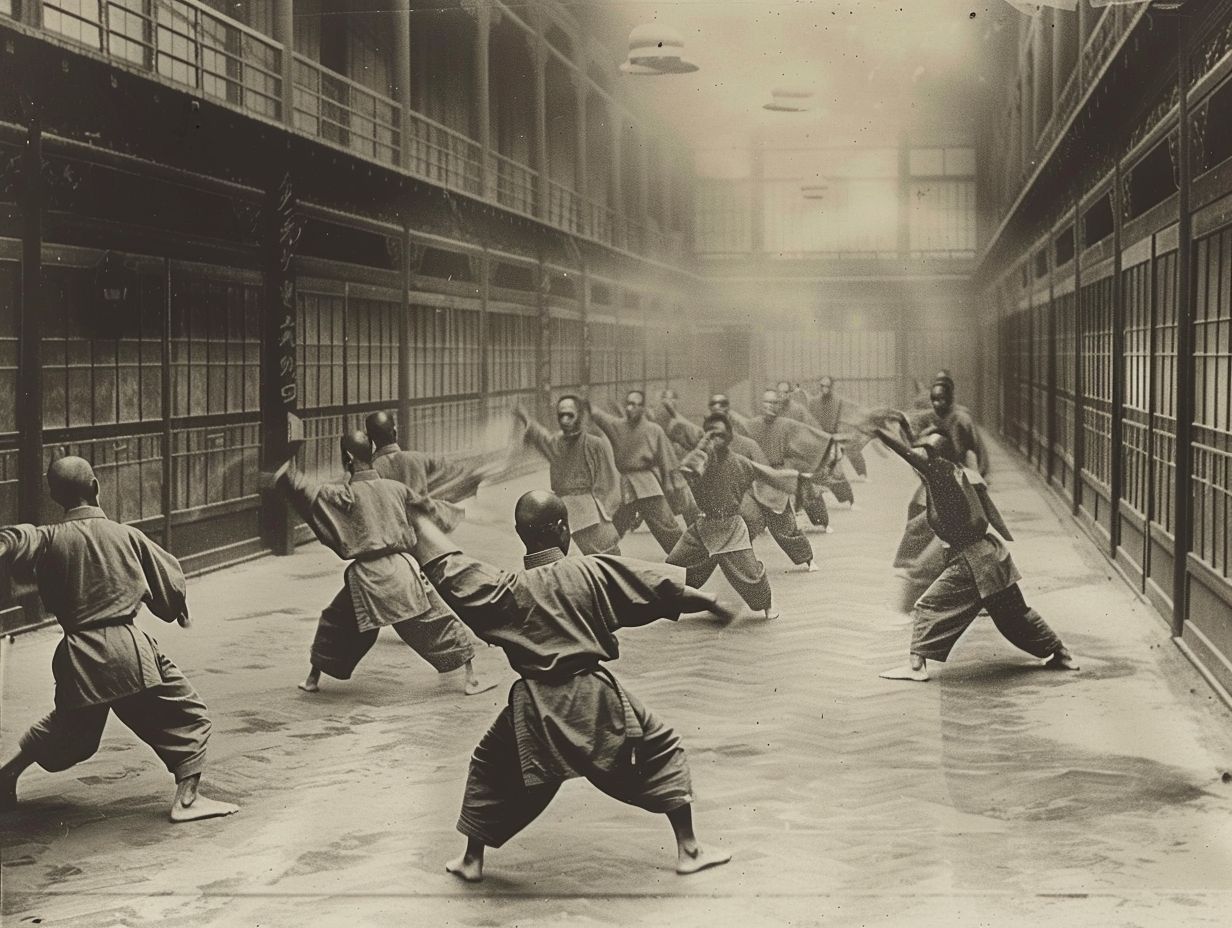
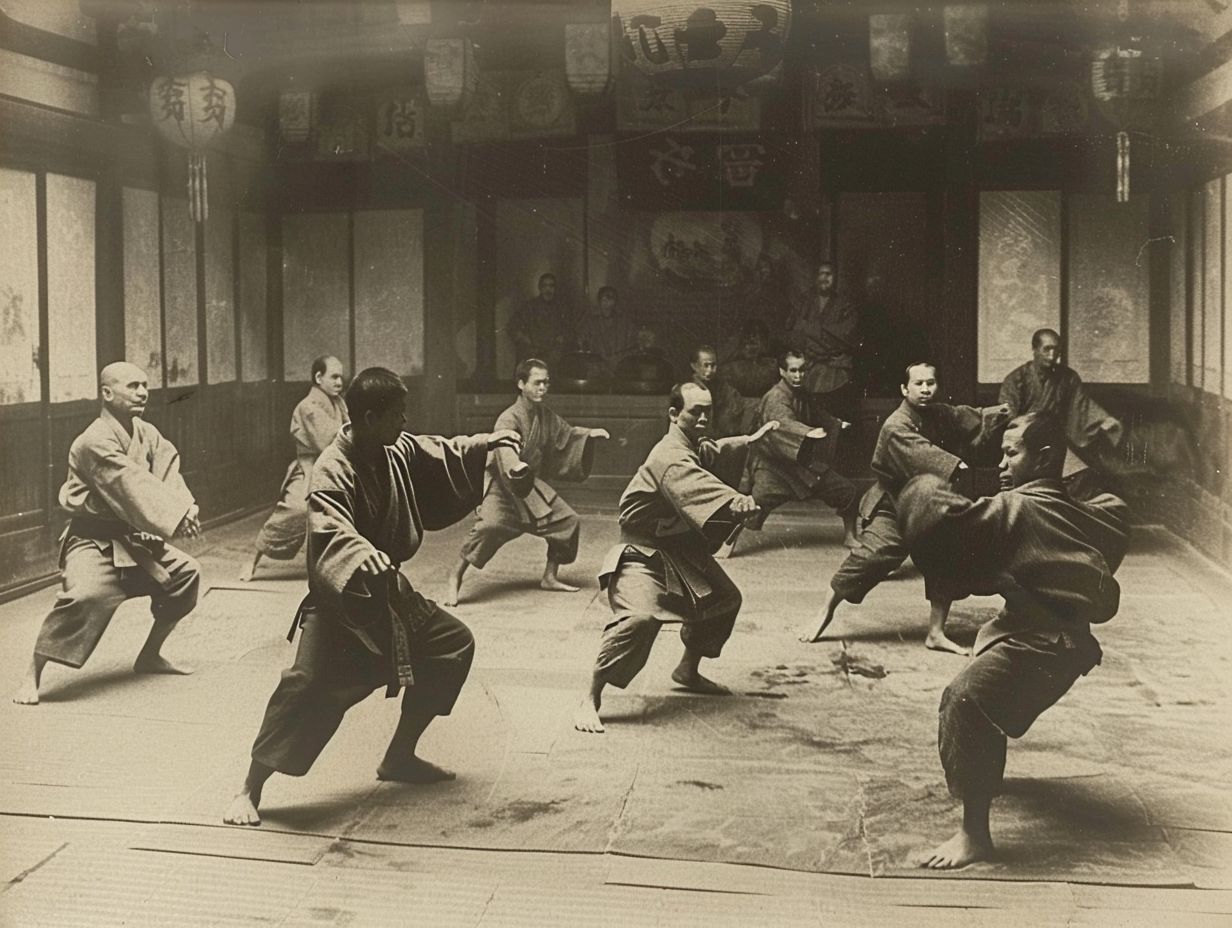
The history and evolution of Kempo Karate are a fascinating mix of Chinese and Okinawan martial arts influences passed down through generations by respected masters. The combat techniques have developed over time to shape the unique style and form that you see in Kempo Karate today.

You can trace these martial arts roots back centuries, with Chinese martial arts bringing in foundational principles like strikes, kicks, and stances, and the Okinawan influence focusing on speed, agility, and adaptability. Masters like Choki Motobu and William K.S. Chow were key players in refining and spreading Kempo Karate techniques, each adding their own special insights to the art. This evolution isn’t just about physical techniques; it also delves into a deeper philosophical understanding of discipline, respect, and self-improvement.

Key Figures in Kempo Karate

Regarding Kempo Karate, you can’t ignore the key figures who really made their mark. These founders and influential masters played a huge role in shaping the art, passing down their lineage, principles, and making some serious contributions to its development. Their influence can be felt all around the globe, showing just how culturally significant Kempo Karate truly is.

Founders and Influential Masters

When you dive into the world of Kempo Karate, you’ll discover that the founders and influential masters weren’t just skilled fighters – they were also wise philosophers who shared some deep insights on self-improvement, discipline, and honor. Their techniques and forms embody the very soul of Kempo Karate’s philosophy.

As you delve deeper into Kempo Karate, you’ll see how their focus on constant self-improvement hits home, pushing you to strive for personal growth and mastery. Discipline isn’t just about what you do physically; it’s about building mental strength that gives you resilience and sharp focus on and off the mat.

The code of honor these masters instilled is like the beating heart of Kempo Karate, molding you to embody values of respect, integrity, and righteousness in every aspect of your life – whether you’re on the mat or out in the world.

Principles and Techniques of Kempo Karate
Principles and Techniques of Kempo Karate

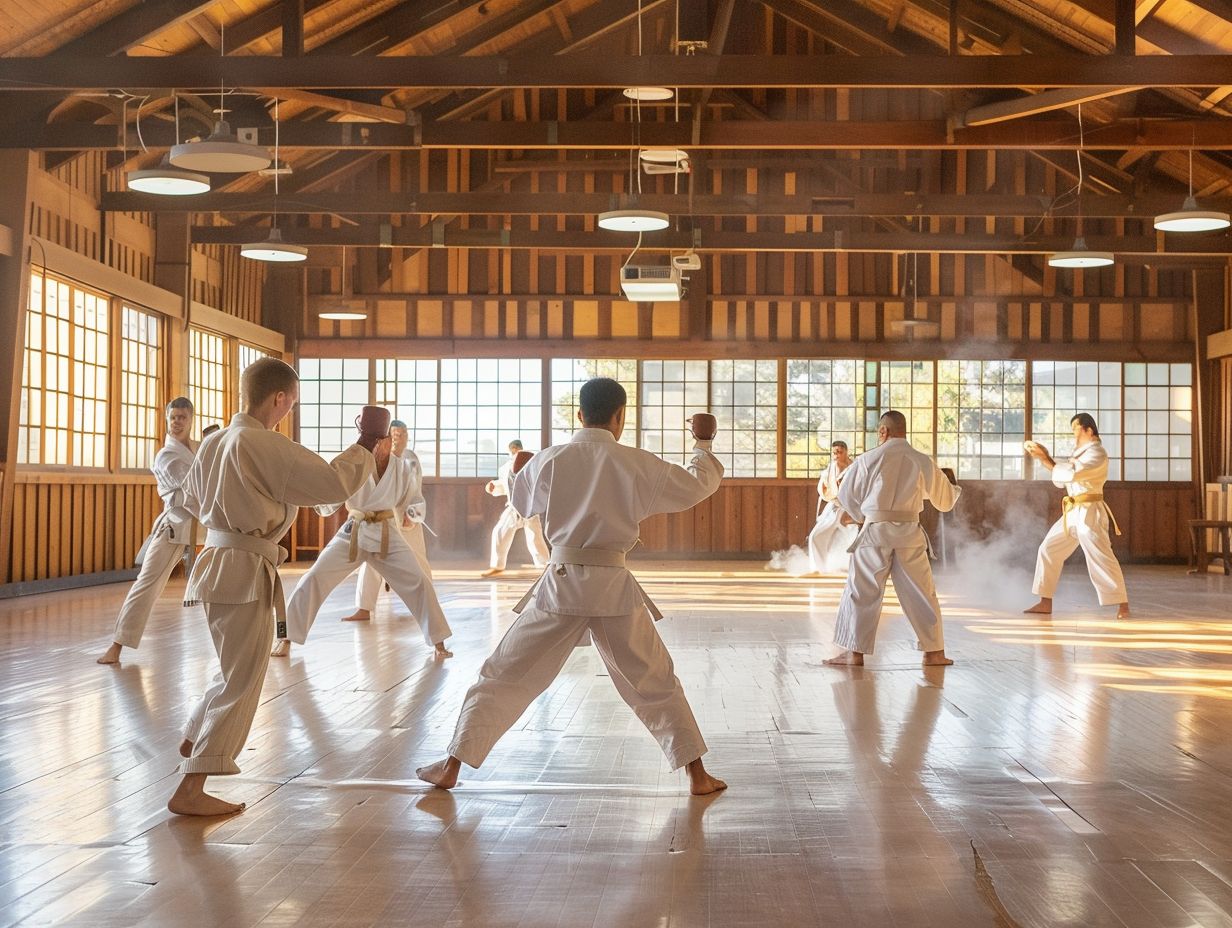
In Kempo Karate, the principles and techniques are all about honing your fighting style. It’s all about nailing those accurate strikes, pulling off effective blocks, mastering those complex kata sequences, and really embodying self-control and respect in every single move you make.

Core Beliefs and Fighting Style

In Kempo Karate, you’re all about meditation for mental clarity, precise punches, grappling skills, self-awareness, etiquette, and discipline.

Regarding meditation in Kempo Karate, you know it’s not just about mental clarity—it’s also about staying focused and calm during training and battles. By mastering precise and powerful strikes, you really get a feel for how your body moves and the impact of each hit.

You also get down with grappling techniques in Kempo Karate, which are all about effective close-range combat moves that make you versatile in different fighting situations. Self-awareness is a big deal too, helping you recognize your strengths and weaknesses for constant personal growth.

And let’s not forget about etiquette—respect and humility are key in the world of martial arts. The discipline you learn in Kempo Karate teaches you to push through, stay dedicated, and develop a killer work ethic.

Modern Applications of Kempo Karate

Incorporate modern combat techniques, innovative training programs, and different combat situations to demonstrate Kempo Karate’s adaptability and effectiveness in today’s world.

Integration with Other Martial Arts

When you combine Kempo Karate with other martial arts, you’re not just enhancing your combat skills – you’re tapping into a whole cultural experience that’s all about self-improvement, staying fit, and growing as a person.

This fusion of Kempo Karate with other martial arts isn’t just about mixing techniques – it’s a meeting of minds that brings together values like discipline, respect, and the pursuit of excellence. These shared beliefs go beyond individual fighting styles, uniting everyone in a shared journey of personal development and health.

By mixing up different training methods, you’re not just getting stronger physically – you’re also sharpening your mind and inner resolve. This blend of approaches highlights the wide-ranging advantages of martial arts, promoting a holistic path to self-betterment and overall well-being.

Kempo Karate in Popular Culture
Kempo Karate in Popular Culture

In popular culture, Kempo Karate has made its mark with significant representation in various media forms, helping boost its fame and bringing Kempo Karate tournaments into the mainstream sports and entertainment scene.

Representation in Media and Popularity

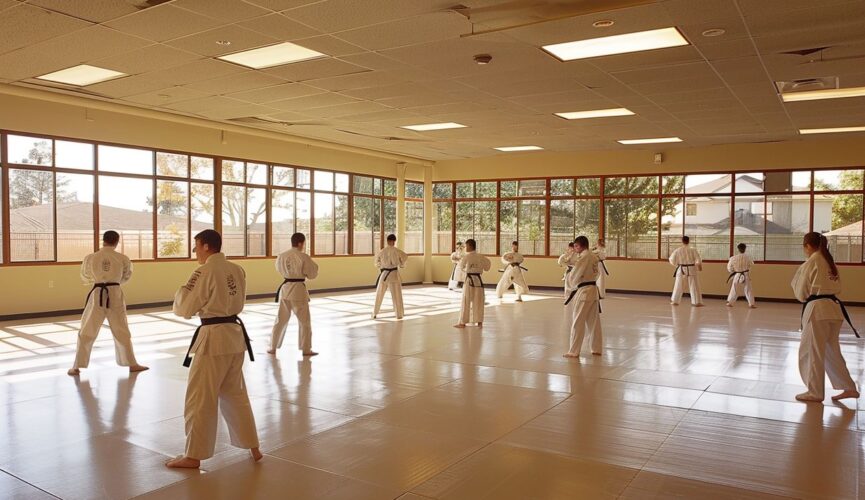
When you see Kempo Karate portrayed in the media, it’s all about that journey to the prestigious black belt rank. They focus on the tough competition and athletic skills that make Kempo Karate stand out as a sport and a discipline.

In Kempo Karate, that black belt isn’t just about skill – it’s a symbol of your dedication and commitment to the intense training routine. The sport’s competitive vibe pushes you to constantly test your limits and aim for nothing less than excellence.

The media loves showcasing how Kempo Karate blends physical strength with mental focus, setting it apart from other martial arts. Fans are in awe of the precision in techniques, the smooth movements, and the perfect balance of power and control in every move. It’s like watching a thrilling show that keeps you hooked from start to finish.

Frequently Asked Questions

What is the history of Kempo Karate?

Kempo Karate has roots in China and Japan, with influences from both countries. It was developed as a fighting style to defend against the armed and unarmed attacks of bandits in the Ryukyu Kingdom, now known as Okinawa, in the 17th century.

Who is considered the founder of Kempo Karate?
Who is considered the founder of Kempo Karate?

Kempo Karate is said to have been founded by a Chinese Buddhist monk named Chang San-feng. Legend has it that he combined elements of the Shaolin Temple’s martial arts with his own philosophies to create a unique fighting style.

When did Kempo Karate spread to Japan?

Kempo Karate was introduced to Japan in the early 20th century by Gichin Funakoshi, the founder of Shotokan Karate. He learned the style from Anko Itosu, a master who had refined Kempo Karate during the Meiji era.

How did Kempo Karate evolve in Japan?

In Japan, Kempo Karate underwent changes to become more sport-oriented and less focused on self-defense. This led to the creation of different styles such as Shorinji Kempo, Kyokushin, and Gensei-ryu. However, some schools still maintain a more traditional approach to Kempo Karate.

What role did Kempo Karate play in modern martial arts?

Kempo Karate influenced the development of many other martial arts styles, including Karate, Judo, Aikido, and Kung Fu. It also played a significant role in the spread of martial arts to the Western world, with many early pioneers of martial arts in the US being Kempo Karate practitioners.

How has Kempo Karate changed over time?

Kempo Karate has evolved over time to incorporate new techniques and principles, as well as to adapt to different cultural and social norms. Some schools focus more on the spiritual and philosophical aspects of Kempo Karate, while others prioritize physical conditioning and competition. Despite the changes, Kempo Karate remains rooted in its original purpose of self-defense and personal development.
Kajukenbo History

Explore the fascinating history and evolution of Kajukenbo, a unique martial art that blends elements of Karate, Judo, Jujitsu, Kenpo, and Boxing. You can dive into the founding masters and influences, as well as the modern applications of Kajukenbo in self-defense and fitness. This article will take you through how Kajukenbo has spread to different countries and styles.

Discover the various lineages, principles, and values that have shaped this dynamic martial art and see how it continues to thrive in today’s martial arts world.

Origins of Kajukenbo

Origins of Kajukenbo

When you look into the roots of Kajukenbo, you’ll find yourself in the diverse mix of Hawaii, where a group of martial artists came together to create a self-defense system tailored for street fights. This martial arts mash-up brings together bits of karate, judo, kenpo, Chinese boxing, and Filipino boxing, blending different techniques and philosophies to make a unique self-defense style.

Taking inspiration from the various martial arts traditions of Hawaii, Kajukenbo was born out of the need to tackle the street violence on the island. The founders saw the demand for a versatile and effective fighting method and combined techniques from their own backgrounds, resulting in a well-rounded combat style. Emphasizing adaptability, practicality, and the ability to defend oneself in tough situations, Kajukenbo’s core principles focus on efficiency and real-world usability.

Founding Masters and Influences

You might find it interesting to know that Kajukenbo was actually founded by a group of martial arts experts, including Adriano Emperado, William Chow, Joe Holck, Frank Ordonez, and Peter Choo. Each of these founding masters brought their own special skills and viewpoints to the table, resulting in the development of this unique self-defense system.

Emperado, who had a background in Kenpo and Escrima, made sure to weave these disciplines into Kajukenbo, focusing on practical techniques that could be used in real-world street combat situations. Chow’s background in Chinese martial arts brought a sense of flow and adaptability to the style, while Holck’s expertise in Judo and Jujitsu added effective grappling moves to the mix. Ordonez, being a boxer, threw in some powerful and precise striking techniques. Choo’s influences from Tang Soo Do and Shotokan Karate added some lively kicks and stances to the system.

When you put all these diverse experiences together, you get Kajukenbo’s unique hybrid approach to martial arts.

Development of Kajukenbo

When you dive into the world of Kajukenbo, you’re diving headfirst into a martial art that’s all about practical self-defense and building up your self-discipline and mental strength. Developed with street fighting in mind, Kajukenbo has evolved to tackle the ever-changing challenges of self-protection and personal growth.

As you get deeper into Kajukenbo, you’ll notice how it hones in on real-life combat scenarios. This martial art really stresses the importance of being able to adapt to any situation that comes your way and building up the mental strength to take on tough opponents in challenging environments. Through tough training and hands-on experience, Kajukenbo helps you build up resilience and flexibility, getting you ready not just for physical fights but also for the mental hurdles that come with conflict. This approach sets Kajukenbo apart as a martial art that values preparedness and practicality above all else.

Evolution of Techniques and Philosophy

In terms of Kajukenbo, you’ll see a unique mix of different martial arts styles, practical self-defense moves, and effective combat strategies. This blend has left its mark on modern combat sports and mixed martial arts, showcasing a diverse range of innovative martial arts techniques.

In Kajukenbo, they bring together Karate, Judo, Jujitsu, Kenpo, and Boxing to create a versatile self-defense approach. The focus is on quick counterattacks and smooth defensive moves. The philosophy behind Kajukenbo is all about being practical and adaptable, geared towards real-world combat situations rather than strict forms or rituals.

This practical approach has struck a chord with practitioners and scholars alike, leading to its ongoing evolution and wide acceptance in various martial arts communities. The lineage of Kajukenbo masters has had a big impact on shaping modern combat sports and fueling the growth of mixed martial arts as a dynamic, multi-disciplinary fighting style.

Spread of Kajukenbo

The influence of Kajukenbo spreads beyond Hawaii to other countries, inspiring the development of new styles and approaches to martial arts. This diffusion of Hawaiian martial arts traditions contributes to the global recognition of Kajukenbo as a practical self-defense system.

The fusion of karate, judo, jujutsu, kenpo, and boxing in Kajukenbo creates a versatile and effective fighting system that resonates with practitioners worldwide. As Kajukenbo gains popularity, martial artists in different nations begin incorporating its principles into their own training methodologies, leading to the emergence of hybrid martial arts styles like Kenpo-Karate in the United States, Kajukenpo in Brazil, and Kajukenbo in Europe. The emphasis on practical self-defense and adaptability ingrained in Kajukenbo’s philosophy paves the way for a new wave of innovative martial arts practices across the globe.

Expansion to Other Countries and Styles

Expansion to Other Countries and Styles

When you think about it, Kajukenbo really stepped up its game when it started spreading its wings to different countries. That’s when they brought in all these cool self-defense moves, a mix of fighting styles, some solid sparring sessions, and a whole belt ranking system. It’s like they juiced up Kajukenbo to make it this all-in-one, top-notch self-protection martial art.

Because they were smart and picked the best self-defense moves from different martial arts, Kajukenbo became this versatile combat system that can handle pretty much any situation. With a bag of tricks that includes strikes, blocks, kicks, and joint locks, anyone learning this stuff gets a solid set of skills. And when they go toe-to-toe in sparring, it’s all about getting that real-world experience to make those moves stick. Plus, the belt ranking system? It’s like having a roadmap that shows you how far you’ve come and where you’re headed in mastering defense tactics and battle strategies.

Modern Applications of Kajukenbo

In modern times, you can still appreciate Kajukenbo for its benefits in self-improvement, staying fit, and toughening up mentally. Its deep roots in Asian martial arts show just how relevant it is in today’s world.

Kajukenbo’s special mix of karate, judo, and kenpo techniques gives you a versatile set of skills that not only boost your physical strength and agility but also help you build discipline and focus. By putting in the hard work during training, you can sharpen your awareness, resilience, and inner strength, which all come in handy beyond the dojo when facing everyday challenges. The values of respect, perseverance, and humility that are at the core of Kajukenbo’s traditional teachings act as guiding lights for personal growth, turning it into a well-rounded art form that nurtures both your body and mind.

Uses in Self-Defense and Fitness

Incorporate Kajukenbo into your routine for a mix of self-defense and fitness benefits. This martial art covers defensive tactics, attack responses, and proven techniques to help you feel more confident in real-life combat situations.

You can count on Kajukenbo to equip you with the necessary skills to handle a variety of combat scenarios effectively. By combining elements from karate, judo, jujitsu, kenpo, and boxing, Kajukenbo gives you a diverse set of tools for self-defense. Its training includes blocking strikes, countering attackers, and managing close-quarters combat. With its focus on controlled aggression and strategic awareness, Kajukenbo boosts your mental sharpness and physical readiness in challenging situations. This martial art not only enhances your defensive abilities but also improves your overall fitness levels.

Incorporation into Martial Arts Competitions

When you see Kajukenbo being brought into martial arts competitions, it’s like shining a spotlight on its unique philosophy, practical self-defense methods, rigorous training approaches, and effective combat techniques. Its presence in those competitive settings really shows off how adaptable and versatile Kajukenbo is as a martial arts discipline.

This eclectic martial art, mixing karate, judo, kenpo, and boxing, takes a well-rounded approach to fighting. It’s all about being practical and focusing on real-world scenarios, equipping you with the skills and confidence to handle whatever physical challenges come your way.

The intense training methods in Kajukenbo are all about boosting your agility, strength, and mental toughness. Not only do they get you ready for competitions, but they also help you build discipline and work on self-improvement.

In terms of tournaments, Kajukenbo’s combat techniques – blending striking, grappling, and defense seamlessly – really shake things up. They bring a whole new level of challenge to opponents and leave a mark on the world of martial arts competitions.

Kajukenbo Lineages

The diverse lineages of Kajukenbo have given rise to different branches, each with its own unique characteristics and focuses in the martial art. These lineages go way back to the founding masters and continue to influence how Kajukenbo evolves in their own special ways.

In some branches of Kajukenbo, you’ll find a strong emphasis on the traditional martial arts stuff like striking and grappling techniques. Others mix it up by adding elements from other disciplines like judo or karate. Each lineage showcases the specific training and skills of its founders, resulting in differences in how they train and strategize for combat. With the variety of approaches in Kajukenbo, practitioners get to dabble in a range of skills and philosophies, adding to the depth and excitement of this dynamic martial art.

Different Branches and Their Characteristics

Different Branches and Their Characteristics

In Kajukenbo, you’ll find different branches, each with its spin on the self-defense system, fighting techniques, sparring methods, belt rankings, and self-protection strategies. Every branch brings something unique to the table when it comes to Kajukenbo’s core principles and how they play out in real combat situations.

Take the Original Method branch, for example. They’re all about blending karate, judo, jiu-jitsu, kenpo, and Chinese boxing to create a well-rounded self-defense system. On the flip side, the Tum Pai branch leans more towards traditional Chinese martial arts, with a focus on circular movements and joint locks. Then there’s the Emperado Method branch, which hones in on street fighting and practical self-defense techniques. These different approaches cater to individual tastes and add to the overall growth and flexibility of Kajukenbo as a lively martial art.

Kajukenbo Principles and Values

In your journey through the world of Kajukenbo, you’ll encounter a solid foundation of core principles and values that act as guiding stars. These principles are like the North Star of Kajukenbo, helping you navigate your path of martial arts growth and development.

You’ll find that respect, discipline, and humility are key players in both your training and everyday life. Whether it’s showing appreciation to your teachers, demonstrating compassion towards your fellow practitioners, or carrying yourself with integrity, these values are woven deep into the fabric of Kajukenbo. They’re not just about the physical techniques you learn; they’re about shaping your character and mindset. By sticking to these principles, you’ll build a strong moral compass and sense of duty, ultimately contributing to a unified and balanced martial arts community.

Core Tenets and Ideals

In Kajukenbo, you’ll find the core tenets and ideals centered around self-discipline, effective street fighting techniques, combat readiness, and continuous personal development. These values are the heart and soul of Kajukenbo’s philosophy, molding you into a versatile martial artist.

Kajukenbo places a strong emphasis on self-discipline, teaching you to build mental toughness and inner strength to tackle challenges both on and off the mat. The street fighting techniques are all about real-life situations, equipping you with practical self-defense skills for unpredictable scenarios. By focusing on combat readiness, you’ll develop alertness and preparedness, sharpening your reflexes and strategic thinking.

As you commit to dedicated practice and perseverance, Kajukenbo nurtures your personal growth, inspiring you to strive for continuous improvement and self-discovery throughout your martial arts journey.

Frequently Asked Questions

What is the history of Kajukenbo?

Kajukenbo is a martial art that originated in Hawaii in the 1940s. It was created by a group of martial artists from different backgrounds who wanted to develop a self-defense system that was effective and practical for real-life situations.

Who were the founders of Kajukenbo?

Who were the founders of Kajukenbo?

The founders of Kajukenbo were Peter Choo, Frank Ordonez, Joe Holck, George Chang, and Clarence Chang. They were students of different martial arts styles including Karate, Judo, Kung Fu, and Boxing.

What does the name ‘Kajukenbo’ mean?

The name ‘Kajukenbo’ is a combination of the first two letters of each founder’s martial art style: Ka (Karate), Ju (Judo), Ken (Kempo), and Bo (Boxing).

How has Kajukenbo evolved over time?

Kajukenbo has continuously evolved over the years as different generations of instructors have added their own techniques and adaptations to the original system. Today, there are several variations of Kajukenbo, each with its own unique style and emphasis.

What are the main principles of Kajukenbo?

Kajukenbo is based on five principles: simplicity, economy of motion, simultaneous blocking and striking, explosive counter-attacks, and using any means necessary to defend oneself.

What is the significance of Kajukenbo in the martial arts world?

Kajukenbo is recognized as one of the first mixed martial arts styles and has influenced the development of other popular martial arts such as Brazilian Jiu-Jitsu and MMA. It is also known for its practical and effective self-defense techniques, making it a valuable style for personal protection.