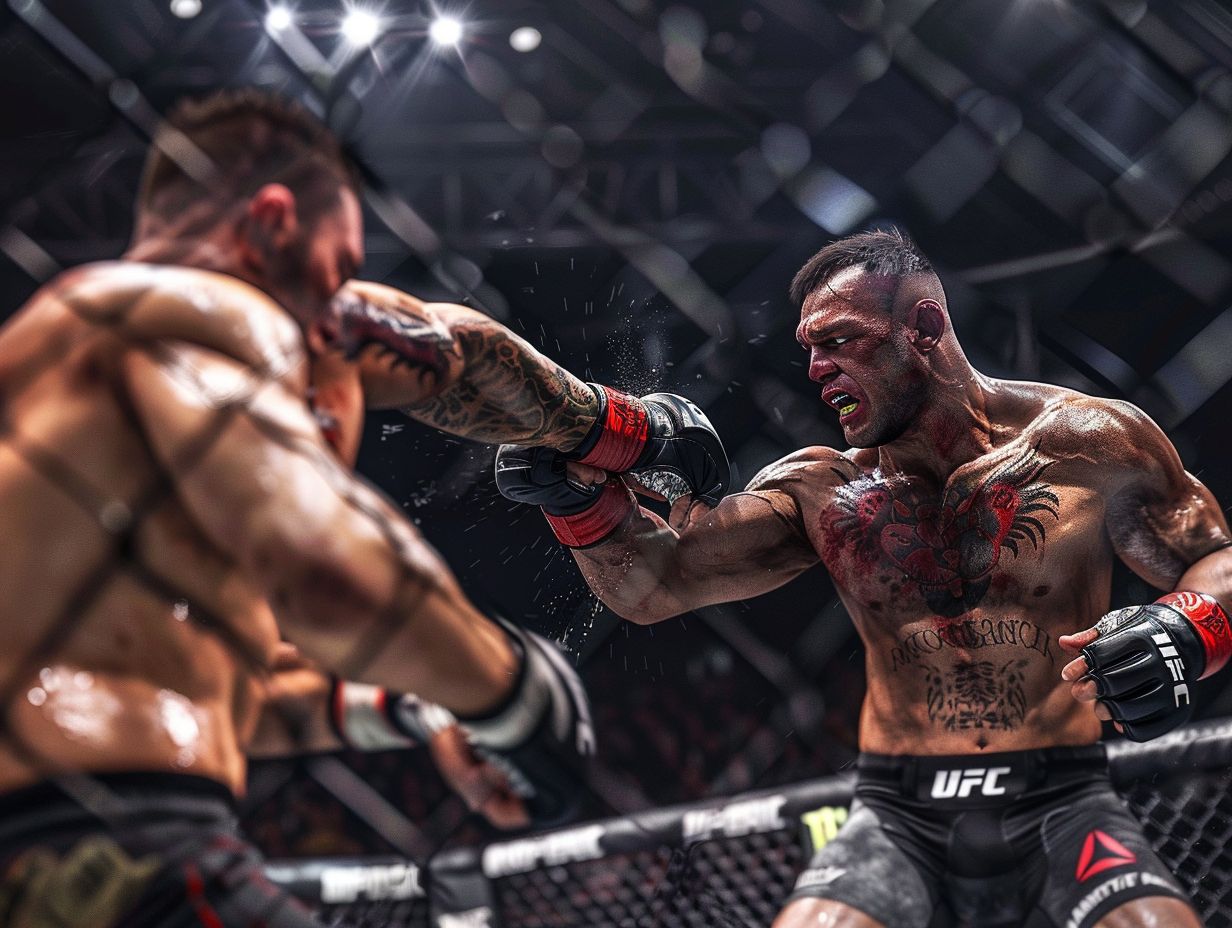
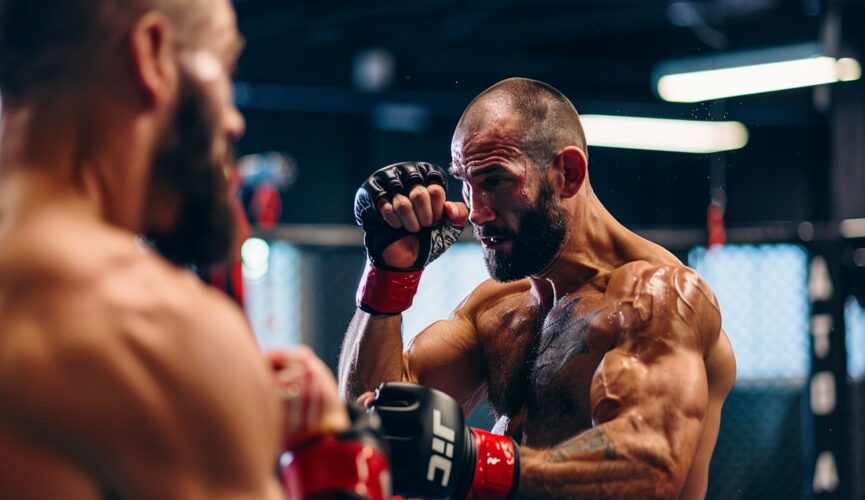
Training for an MMA fight is no walk in the park. You need to focus on physical conditioning, technical training, and mental preparation to come out on top. Your nutrition is crucial in giving you the energy and strength to perform at your peak.
Don’t forget about recovery and injury prevention – they’re vital in your training routine. From your intense training camp to the post-fight recovery period, every little detail matters for your success in the ring.
Come along with us as we dive into the realm of MMA training and discover what it really takes to get ready for a fight.
Training for an MMA Fight
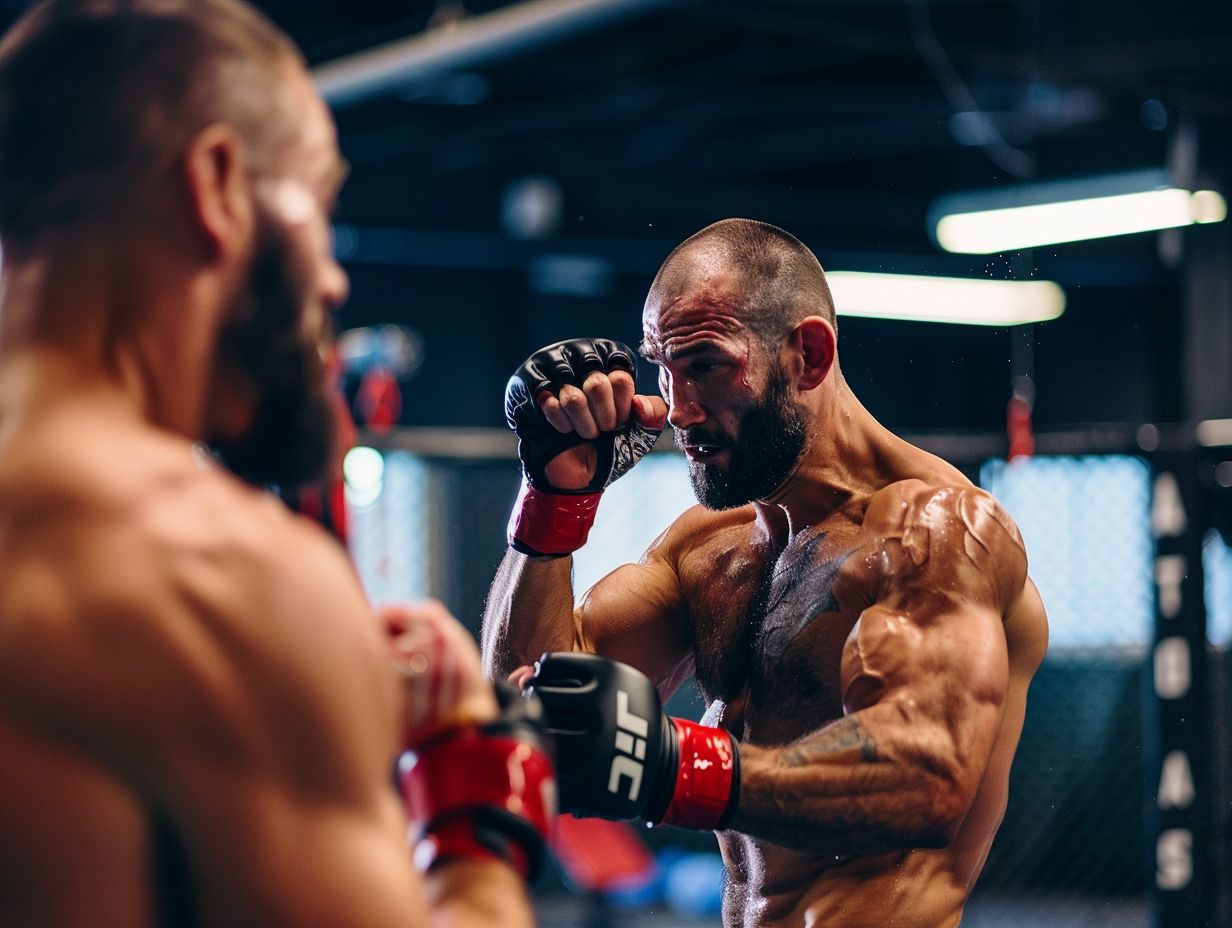
When preparing for an MMA fight, you need to focus on a mix of physical, technical, and mental prep to make sure you’re at your best when it’s time to step into the ring. This means sticking to tough training routines, mastering specific techniques, going all out in sparring sessions, and staying disciplined with your conditioning.
1. Physical Conditioning
When you’re training for MMA, don’t forget that physical conditioning is your best friend. It’s all about getting strong, building up your stamina, improving your agility, and boosting your speed – all to level up your overall fitness and performance when you step into that cage.
Cardio workouts are your secret weapon for increasing your endurance and keeping your heart healthy. They help you go the distance in those high-intensity fights without feeling like you’re running on empty.
You can’t skip out on strength training if you want to pack a punch in your strikes and dominate those grappling showdowns. Building up muscle mass and power is key to coming out on top.
Agility drills are your ticket to sharpening your reflexes and speed. Think of them as your ninja training – perfect for dodging your opponent’s moves and striking back lightning-fast.
Endurance exercises are a must for boosting your staying power in those long bouts and grueling training sessions. They’re what keep you going when the going gets tough.
And when it’s time to really kick things into gear, fight camps are where it’s at. They give you that structured space to dive deep into your training, tailored just for you. So when that big fight rolls around, you’ll be peaking at just the right moment.
2. Technical Training
When you’re diving into technical training in MMA, you’re all about sharpening those specific martial arts skills like grappling, striking, wrestling, jiu-jitsu, and kickboxing. It’s all about structured drills, sparring sessions, and getting ready to face different opponents.
As an MMA fighter, mastering these individual techniques is just the beginning. You’ve got to seamlessly blend them together when you’re in the heat of battle. Understanding each martial art inside out and being able to switch between them fluidly during a fight is key.
Your coaches are like your GPS, guiding you through this journey. They’re there to analyze your strengths and weaknesses, fine-tuning your skills to turn you into a well-rounded competitor. And don’t forget your training partners – they’re the ones challenging you, pushing you to get better, adapt, and keep evolving your game non-stop.
3. Mental Preparation
In the world of MMA, mental preparation is essential for you fighters to keep your focus, resilience, and strategic clarity intact through all the highs and lows of training, competition, and recovery.
They say in MMA, the battle isn’t just in the cage but also in your head. How you stay mentally sharp, cool under pressure, and tough as nails can be the deciding factor between winning and losing.
Your mindset as a fighter is all about being mentally prepared. That means knowing how to handle adrenaline, staying motivated, and turning setbacks into opportunities to grow. Recovery strategies are key too, helping you bounce back from losses and stay strong mentally as you work towards your goals in the fight game.
Nutrition for MMA Fighters
Your nutrition is key in how well you perform and recover as an MMA fighter. It gives you the fuel you need for training, helps with weight management, and keeps you in top physical shape.
1. Proper Macronutrient Intake

You need to nail your macronutrient intake to power through your MMA training sessions, boost your performance, and bounce back strong after those grueling workouts.
Carbs are your best buds as an MMA fighter, giving you that quick burst of energy for your intense training and helping refuel your glycogen stores to keep you going strong.
Proteins are like your muscle’s best friends, helping repair and grow your muscles after those tough training sessions.
And don’t forget about those healthy fats – they’re crucial for keeping your hormones in check and maintaining overall health.
It’s all about finding that sweet spot with your macronutrients to make sure you’ve got the energy, strength, and endurance to dominate in the MMA ring.
Oh, and let’s not forget about those weight class requirements – they can throw a wrench in your nutrition game. You’ve got to tweak your macronutrient intake to hit those weight cut goals while still performing at your best and recovering like a champ.
2. Hydration and Electrolyte Balance
To keep yourself at the top of your MMA game, it’s super important to focus on maintaining proper hydration and balancing your electrolytes. This will not only boost your performance but also help you avoid feeling fatigued and speed up your recovery after training.
When you’re putting your body through the intense workouts of MMA training, you’re sweating out a ton of water and electrolytes. Staying hydrated is key for keeping your body temperature in check, ensuring your joints stay lubricated, and helping with digestion. And don’t forget about electrolytes like sodium, potassium, and magnesium – they’re crucial for muscle function and nerve communication.
Without enough water and electrolytes, you might start feeling drained, have trouble focusing, and suffer from muscle cramps. Dehydration can mess with your coordination, slow down your reflexes, and zap your endurance, all of which can seriously impact your performance in the ring. So, make sure you’re keeping those hydration levels up and replenishing those electrolytes to stay on top of your game!
3. Supplements for Performance and Recovery
You can use supplements to give your performance, recovery, and overall well-being a boost as an MMA fighter. When you strategically add them to your nutrition and training routines, they can really make a difference.
These extra nutritional goodies can give you the essential nutrients you might be missing in your diet and help amp up your energy levels and muscle recovery. To make sure you’re getting the most out of them, consider chatting with pros like dietitians or sports nutritionists. They can help you figure out the right supplements in the right amounts to match your training goals.
Some supplements have been proven to help reduce inflammation, support your immune system, and improve your sleep quality – all super important for fighters pushing their bodies to the limit.
Recovery and Injury Prevention
You need to prioritize recovery and injury prevention to keep your performance at its peak as an MMA fighter. This will help you avoid setbacks and ensure that you can progress athletically in the long run in such a demanding combat sport.
1. Rest and Sleep
You need to prioritize getting enough rest and quality sleep as part of your recovery routine as a fighter. This will help with muscle repair, mental rejuvenation, and preventing injuries.
As an MMA fighter, the physical demands you face require you to get optimal rest for your body to fully recover. Quality sleep is key for supporting muscle growth and repair, which is crucial for building strength and endurance during training. Giving yourself enough downtime will also sharpen your cognitive function, helping you stay on top of your game during fights and training sessions.
To make sure you’re getting the best sleep possible, establish a consistent bedtime routine, create a relaxing sleep environment, and steer clear of stimulants before bedtime. And don’t forget to manage your training schedule effectively, making sure you build in enough rest periods to enhance your overall performance.
2. Stretching and Mobility Work
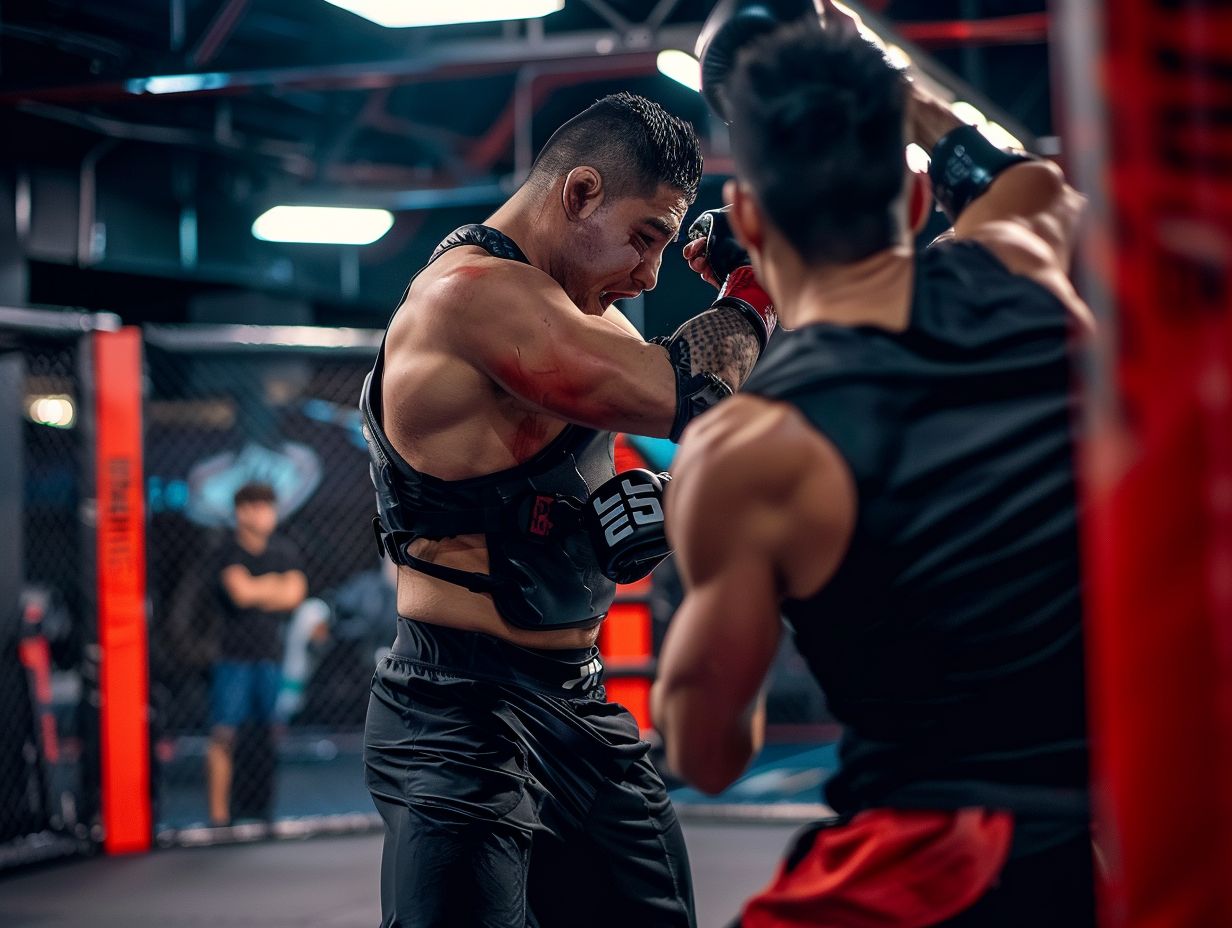
By adding stretching and mobility work to your training routine, you can give yourself a leg up – literally. It enhances your flexibility, lowers the risk of injuries, and boosts your overall physical performance.
You know, when MMA fighters make stretching and mobility exercises a regular thing, it really pays off. It keeps them light on their feet and injury-free. Plus, it makes pulling off those killer moves in the cage a breeze. These exercises also help prevent those pesky muscle strains and tears that are all too common in MMA.
By sticking to a regular stretching routine, you can speed up muscle recovery, say goodbye to soreness, and get back in the game quicker between training sessions.
3. Injury Prevention Techniques
To mitigate the risk of common injuries associated with combat sports and keep up with your training, you need to focus on injury prevention techniques in MMA.
Make sure you start your training sessions with a proper warm-up routine. This will get your body ready for the intense physical demands of MMA, decreasing the chances of muscle strains and joint injuries.
When you’re sparring or fighting, protect yourself by using the right gear like mouthguards, shin guards, and gloves. This extra layer of protection can make a big difference in your safety.
Getting feedback and coaching regularly can help you correct any technique errors. This not only prevents overuse injuries but also ensures that your movements are done correctly.
Additionally, include injury-specific exercises in your routine to target vulnerable areas. Strengthening these muscles will make your body more resilient against injuries in the long run.
Training Camp and Fight Preparation
If you want to level up your game in MMA, diving into a structured training camp is a must. It’s where you sharpen your skills, craft your fight strategies, and get yourself ready – both physically and mentally – for those upcoming battles.
1. Sparring and Drilling
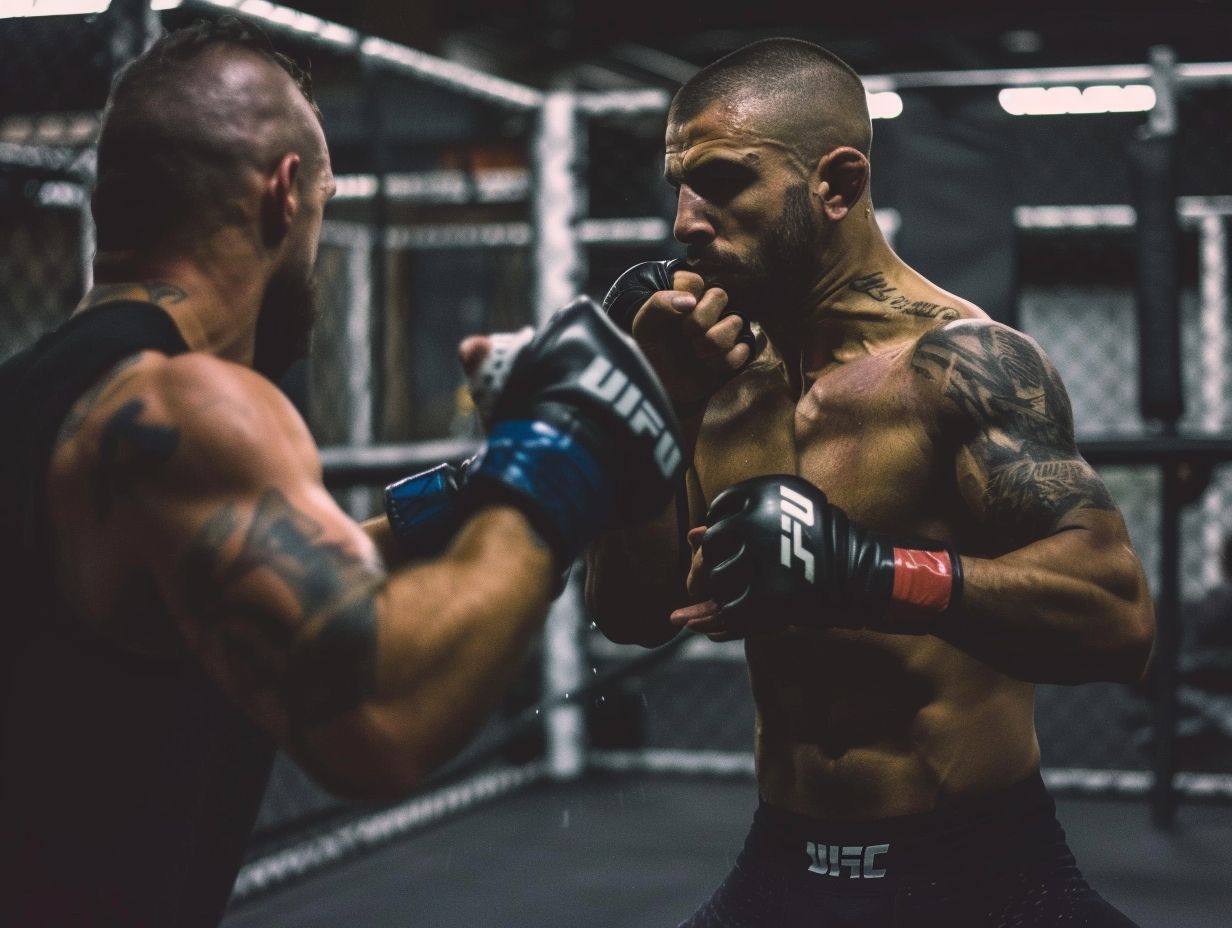
In your MMA fighter training camp, sparring and drilling are key components that help you level up your game. They give you the chance to try out techniques, test strategies, and recreate real fight situations in a safe setting.
When you go all out in sparring, you’re not just sharpening your striking and grappling skills. You’re also building up essential traits like timing, managing distance, and being adaptable. And drilling? That’s like the extra push-up for your technique, making sure your muscle memory is on point through repetitive practice.
Getting a mix of training partners is clutch. They bring in fresh challenges that take you out of your comfort bubble and help you adapt to different styles and approaches. Plus, the feedback you get from coaches during sparring sessions? Gold. It shines a light on where you can improve and steers you towards refining your tactics for peak performance.
2. Mental Visualization and Strategy Development
Engaging in mental visualization and strategy development is crucial for you as an MMA fighter. This helps you anticipate your opponent’s movements, plan your own approach, and keep a focused mindset during your fights.
When you visualize different scenarios in a fight, you’re essentially mentally rehearsing different techniques and responses. This gives you that competitive edge when it’s time to step into the octagon. By studying your opponent’s past fights, strengths, and weaknesses, you can tailor your training to make the most of opportunities and minimize any threats.
To really succeed, you need to develop a winning mentality. That means building up your self-belief, resilience, and adaptability so you can face unexpected challenges head-on. Understanding the psychological side of combat sports is crucial for executing your game plan with precision and staying composed under pressure.
3. Weight Cutting and Management
To meet specific weight class requirements and perform at your best while minimizing health risks, you need effective weight cutting and management strategies.
In the world of mixed martial arts, it’s a constant struggle to find the balance between dropping pounds for weigh-ins and staying strong for the actual fight. Many fighters resort to extreme tactics like intense calorie restriction and excessive dehydration to make weight, but these methods can really take a toll on your body and performance.
By focusing on proper nutrition, hydration, and recovery techniques, you can reach your weight goals more safely and sustainably. When you adopt healthy weight management practices, you not only boost your physical performance but also reduce the chances of harming your health and facing long-term negative effects on your body.
After all this preparation is it really worth it?
Post-Fight Recovery and Training
For any MMA fighter, the period after a fight is just as important as the battle itself. Recovery and structured training are what allow you to come back stronger, sharper, and ready for the next challenge. This stage isn’t just about healing—it’s about reflecting, rebuilding, and refining your strategy for future success.
1. Rest and Recovery
Your body has been through a war, and now it needs time to repair. Rest is the foundation of recovery. Adequate sleep gives your muscles the chance to heal, recharge, and grow. Deep sleep cycles are where much of the repair magic happens, so prioritize quality rest as much as training.
Hydration is another non-negotiable. After an intense fight, your body loses fluids and electrolytes that must be replaced to speed up recovery and keep energy levels stable. Pair that with nutrient-rich meals that replenish glycogen stores, repair muscle tissue, and reduce inflammation, and you’ll bounce back faster.
Recovery doesn’t mean lying still for days on end. Gentle movement, stretching, and light activity help maintain mobility and circulation. For serious bumps and bruises, consulting a sports therapist or physical specialist ensures minor injuries don’t become long-term setbacks.
2. Rehabilitation for Injuries
Injuries are part of the fight game, but how you deal with them determines how quickly and effectively you return. A structured rehabilitation plan helps you address damage, restore mobility, and reduce the risk of recurring problems.
Understanding injury timelines is key—you can’t rush healing. Work with professionals to ease back into training gradually, starting with mobility drills, proprioception work, and targeted exercises to rebuild strength.
At the same time, maintaining a base level of conditioning through low-impact strength and endurance training reinforces your musculoskeletal system, making you more resilient for future fights. Smart rehab isn’t just about recovery—it’s an investment in long-term performance.
3. Reflection and Improvement
The fight may be over, but the learning never stops. Taking time to reflect on your performance is crucial for growth. Break down the fight honestly: what worked well, and where do you need improvement?
Work with coaches and training partners to analyze tape, spot patterns, and adjust strategies. Use feedback to sharpen your technical skills, strengthen weaknesses, and evolve your game plan. Reflection keeps your mindset sharp and ensures every fight becomes a stepping stone to the next level.
Final Thought
Post-fight recovery isn’t just about healing—it’s about building. With proper rest, injury management, and self-reflection, you create a foundation that lets you step back into the cage better prepared, both physically and mentally. In MMA, the fight doesn’t end when the bell rings; it continues in how you recover, adapt, and rise again.