
Tag: get sponsored

How To Become A Professional Runner

Ever thought about what it takes to become a professional runner? From the physical requirements you need to the mental toughness you must have, we’re going to dive into all aspects of professional running.

Let’s chat about the ideal body type for runners, the average running speed of pros, and why endurance, speed, and strength training are crucial. We’ll also explore professional running schedules, the importance of rest and recovery, how to catch the eye of teams, and all the perks that come with being a pro runner.

So, grab your sneakers and come along with us on this journey into the world of professional running!

What is Professional Running?

What is Professional Running?

In the world of professional running, you’re stepping into a competitive arena that requires top-notch athleticism, dedication, and discipline. To shine in races and competitions, you’ve got to bring your A-game.

You’ll find yourself pushing your physical limits, hitting intense training sessions to boost your speed, endurance, and mental fortitude. The drive to win will push you to go all out, embracing the excitement of the race as you chase that top spot on the podium.

With every step you take and every breath you draw, you’re showing the world your unwavering determination and focus. It’s this dedication that propels you forward in the challenging realm of professional running.

What are the Physical Requirements to Become a Professional Runner?

If you want to become a professional runner, you need to have exceptional endurance, speed, and flawless running technique. You’ll need to focus on physical training, including strength workouts to strengthen your muscles, and pay attention to your running form if you’re aiming to go pro.

Endurance is key for a runner because it lets you keep going for longer periods without getting tired. Speed is crucial too, especially if you want to shine in races and competitions. And don’t forget about running technique – it not only makes you more efficient but also lowers the risk of injuries.

By adding strength training to your routine, you’ll build muscle power and boost your overall performance. And always keep an eye on your running form, from your posture to your foot strike and arm movement, to make sure you’re using your energy smartly and avoiding unnecessary strain on your body.

What is the Ideal Body Type for Professional Running?

In terms of professional running, you’ll find that the ideal body type varies depending on the specific discipline within the sport. If you’re into sprinting, you need explosive power and lean muscle mass to propel you down the track with maximum efficiency. Sprinters rely on having a higher percentage of fast-twitch muscle fibers to generate quick bursts of speed. It’s all about being strong yet flexible to excel in those short sprints.

On the flip side, if you’re more of a marathon enthusiast, you’ll benefit from a lean physique that enhances your endurance and long-distance performance. Endurance runners aim for lower body fat percentages to shed any excess weight that could slow them down. Their ideal body composition allows them to maintain a steady pace over extended periods, utilizing slow-twitch muscle fibers for sustained efficiency. It’s all about finding the right balance for your specific running goals.

What is the Average Running Speed for Professional Runners?

If you want to up your running game, it’s all about the training grind. You’ve got to focus on boosting your average speed by working on that race pace, hitting up some killer interval sessions, and fine-tuning your physiological game with things like hill repeats and other targeted workouts.

In terms of keeping that speed up over different distances, nailing your race pace strategy is key. Whether you’re aiming for a steady rhythm in a longer race or throwing in some quick bursts in shorter events, it’s all about pacing yourself right.

And don’t forget about those interval workouts – they’re like your secret weapon. Mixing up intense bursts with rest periods will do wonders for your speed, endurance, and overall efficiency.

Oh, and let’s not overlook your VO2 max. That’s the big daddy of aerobic capacity, so you’ll want to focus on training programs that’ll help you ramp up that oxygen utilization during those tough workouts. It’s all about fine-tuning those physiological factors to become the speed demon you know you can be.

What are the Mental Requirements to Become a Professional Runner?

To become a successful professional runner, you need more than just physical strength. It takes exceptional mental toughness, the ability to set goals, unyielding perseverance, and a deep motivation to push through challenges and setbacks.

If you want to excel as a professional runner, you have to be able to stay focused and overcome obstacles both on and off the track. The mental strength required for elite running is evident in the stories of athletes who faced tough times but never gave up. Take, for example, a well-known marathoner who dealt with injuries but stayed dedicated to rehabilitation and training. This shows the resilience and determination needed to endure the demanding nature of competitive racing. These individuals harness their inner drive and determination, using setbacks as motivation to propel them towards their goals.

What is the Importance of Mental Toughness in Professional Running?

In terms of professional running, mental toughness is key for your success. It’s what helps you not only tackle the physical demands of the sport but also break through those mental walls holding you back.

To build up that mental resilience, you need to connect with the supportive running community and use sports psychology techniques.

By jumping into a running community that’s got your back, you’ll be surrounded by folks who get the highs and lows of the sport. That sense of belonging and encouragement from your peers is gold when it comes to toughening up mentally.

And don’t underestimate the power of sports psychology tricks like visualization, positive self-talk, and setting goals. These techniques can fine-tune your mindset, amp up your confidence, and keep you focused during those races.

With a mix of community support and psychological strategies, you’ll not only crush it in your performance but also face obstacles head-on with a killer resilient mindset.

How Can One Develop Mental Toughness for Running?

How Can One Develop Mental Toughness for Running?

When developing mental toughness for running, you need to set clear goals, maintain a positive mindset, practice good sportsmanship, and prioritize injury prevention strategies to keep both your body and mind in top shape. Building mental resilience is an ongoing journey that requires your commitment and a mindset focused on growth.

As you set your running goals, make sure they are specific, measurable, achievable, relevant, and time-bound (SMART). This approach will help you stay on track and motivated, breaking down your big dreams into smaller, manageable steps.

View setbacks as chances to learn and grow, rather than failures. Use challenges to improve your performance, and don’t forget to celebrate every success, no matter how big or small. Recognizing your achievements along the way will give you a sense of accomplishment and boost your confidence.

Don’t forget to mix in some cross-training exercises and make time for proper rest in your routine. This will help prevent injuries and support your overall well-being, allowing you to keep up your peak performance levels.

How to Train for Professional Running?

When you’re training for professional running, you need to take a holistic approach. This means you should include exercises that build endurance, drills to boost speed, strength training sessions, and make sure you give yourself enough time to recover. This approach will help you perform at your best and reduce the risk of injuries.

Endurance is a big deal in professional running. To boost your endurance, you should do long-distance runs, tempo runs, and interval workouts. These activities will help increase your aerobic capacity, improve your heart health, and build mental toughness.

Don’t forget about speed! To get faster, focus on interval training, sprints, and hill repeats. These exercises will activate your fast-twitch muscle fibers and improve your overall speed.

Strength training is crucial too. Incorporate weight lifting, plyometrics, and core exercises into your routine to prevent injuries and generate power.

And last but not least, make sure you prioritize recovery. Rest days, quality sleep, proper nutrition, and taking care of your body are essential for muscle repair, adaptation, and optimizing your overall performance.

What is the Importance of Endurance Training for Professional Running?

Endurance training is key for your running game, especially if you’re eyeing those long-distance races like marathons. It’s all about ramping up that cardiovascular endurance with consistent long runs and nailing down your hydration game to keep your performance strong throughout those lengthy distances.

On top of your long runs, don’t forget about interval training – that’s your ticket to boosting speed and stamina for race day. Mix it up with high-intensity sprints and recovery jogs to level up your aerobic capacity and overall race performance.

And hey, don’t skimp on proper hydration strategies! Keeping that electrolyte balance in check before, during, and after your training sessions is a must to steer clear of dehydration during those grueling long-distance races.

Blend all these training techniques together and focus on your overall cardiovascular fitness. That combo is the winning recipe for marathon success.

What is the Role of Speed Training in Professional Running?

When you’re looking to ramp up your sprinting game, speed training is your best bet. It’s the secret weapon that professional runners use to shave off those crucial seconds, boost their performance, and up their game.

To really nail your speed training, you’ve gotta mix in some track workouts and cooldown routines – they’re the bread and butter of any good speed training plan.

If you want to hit that next level, you’ve gotta get specific with your training. Think interval runs, fartlek sessions, and hill sprints – these are the moves that’ll build your explosive power, crank up your stride frequency, and dial in your muscular endurance. Plus, they target those fast-twitch muscle fibers that you need to kick it into high gear during races.

To make the most out of your speed training, you’ve gotta keep it structured. That means mixing up your distances, intensities, and intervals during your track workouts. And don’t forget about those cooldown sessions – they’re key for keeping muscle soreness at bay, dodging injuries, and making sure you bounce back quickly for your next training sesh.

How to Incorporate Strength Training for Professional Running?

When you’re a pro runner, it’s crucial to incorporate strength training into your routine to boost your muscle power, endurance, and prevent injuries. Make sure you focus on interval training, throw in some stretching exercises, and pick the right footwear – these are all key components of a solid strength training plan for runners.

Strength training is your best buddy when it comes to upping your running game. It helps you build muscle strength and boost your overall endurance. Squats, lunges, deadlifts – these exercises target those key muscle groups like your quads, hamstrings, and glutes, which are all super important for running efficiently and with power.

You’ve gotta love interval training – it mixes things up with high-intensity running bursts and rest periods, giving your cardiovascular fitness and endurance a serious boost. Don’t forget to stretch before and after your runs – it’ll keep you flexible, reduce muscle soreness, and lower the risk of injuries. And, of course, investing in the right footwear is a must to get that support and cushioning you need, reducing the chances of getting hurt during your training or races.

What is a Professional Running Schedule?

In your professional running schedule, you’ll find a mix of structured training sessions, rest days for recovery and rejuvenation, and specific track and field workouts that are all about boosting your performance and tackling your strengths and weaknesses head-on.

All these pieces come together like a well-oiled machine to create a balanced training routine that not only amps up your speed and endurance but also helps keep injuries at bay. With a mix of track and field workouts like intervals, hill repeats, and technique drills, you can target different aspects of your running game and make noticeable improvements.

Don’t forget those rest and recovery days that are strategically placed in your schedule. They give your body the chance to heal up and adapt to all the physical demands of training, setting you up for some seriously awesome performances on race days.

How Many Days a Week Do Professional Runners Train?

How Many Days a Week Do Professional Runners Train?

You should aim to train like a pro by dedicating six to seven days a week to your fitness routine. Mix things up with running sessions, cross-training activities, and don’t forget those important warm-up and cooldown exercises to keep your fitness levels in top shape and prevent any pesky injuries.

It’s crucial to keep up with your workouts to improve your performance and reduce the risk of overuse injuries. Try adding some cross-training activities like swimming or cycling to give certain muscle groups a break while still staying active. Make sure to include dynamic warm-up exercises and thorough cooldown stretches in your routine to help prevent injuries, prepare your body for exercise, and promote muscle recovery after your workout. Your body will thank you later!

What is the Importance of Rest and Recovery in Professional Running?

Rest and recovery are crucial for you as a professional runner. They give your body the chance to repair, adapt, and steer clear of injuries. Prioritizing proper recovery time can even boost your performance naturally, without turning to banned substances like performance-enhancing drugs.

When you take a break, your body gets to work rebuilding those muscle fibers that took a beating during your intense training sessions. Giving yourself time to recover helps reduce inflammation, which in turn helps prevent overuse injuries that could knock even the most committed runners out of the game. By including smart recovery techniques in your routine, like staying hydrated, getting enough sleep, and adding activities such as stretching and foam rolling, you can up your game while keeping your health and well-being in tip-top shape.

How to Get Noticed by Professional Running Teams?

To get noticed by professional running teams, you need to be actively participating in competitions, following sports ethics and fair play, and showing off skills that make recruiting teams do a double-take.

When you’re looking to catch the eye of professional running teams, it’s all about embodying sportsmanship, both on and off the track. Your behavior not only shows who you are but also makes you stand out as a reliable and respected athlete. By focusing on fair play and acting with integrity, you not only increase your chances of getting scouted but also add to the positive competitive sports vibe. Keep in mind, achieving impressive feats while sticking to sports ethics can be a game-changer for team recruiters and your running career.

What are the Top Professional Running Teams to Join?

When you join the top professional running teams, you get the chance to compete at elite levels, take part in prestigious events like the Olympic Games, and be a part of supportive running clubs that boost camaraderie and skill development.

Belonging to a renowned running team isn’t just about showing off your talent globally – it’s also your ticket to competitions filled with top-tier athletes. The experience of competing at such high levels can really level up your skills and performance. Representing your country at events like the Olympics is a dream for many runners and a huge achievement. The running clubs’ sense of community creates a supportive space where members cheer each other on, swap training tips, and celebrate successes together.

What are the Qualifications and Requirements for Joining a Professional Running Team?

If you want to qualify for a professional running team, you’ve got to meet specific performance standards, lock down sponsorships to cover training and competition costs, and make sure you’re on top of your game with sports nutrition and injury recovery.

To join a pro running team, you need to have outstanding race times that meet the coaches’ or industry’s benchmarks. But it’s not just about performance – you also need to secure sponsorships to pay for travel, gear, and other financial needs.

It’s not just about how fast you can run – you’ve also got to focus on your overall well-being. Proper sports nutrition planning and injury prevention strategies are key. That’s why you need to show that you not only have speed and endurance but also the ability to attract financial support and take care of your athletic development as a whole.

What are the Benefits of Becoming a Professional Runner?

Becoming a professional runner offers you a ton of perks, like chasing down those personal best records, getting your hands on top-notch running gear, and getting a peek into the world of sports science to boost your performance and recovery.

When you break your own records, it’s not just a pat on the back – it’s solid proof of your progress and dedication. So, why not kick things up a notch by rocking those advanced running shoes with responsive cushioning and killer traction? They’ll amp up your performance and help prevent those pesky injuries on any kind of terrain.

And hey, keep yourself in the loop with the latest biomechanics and nutrition research. It’s like having insider knowledge to fine-tune your training and recovery game for maximum efficiency and killer endurance. So, lace up those shoes and hit the ground running!

What is the Average Salary of a Professional Runner?
What is the Average Salary of a Professional Runner?

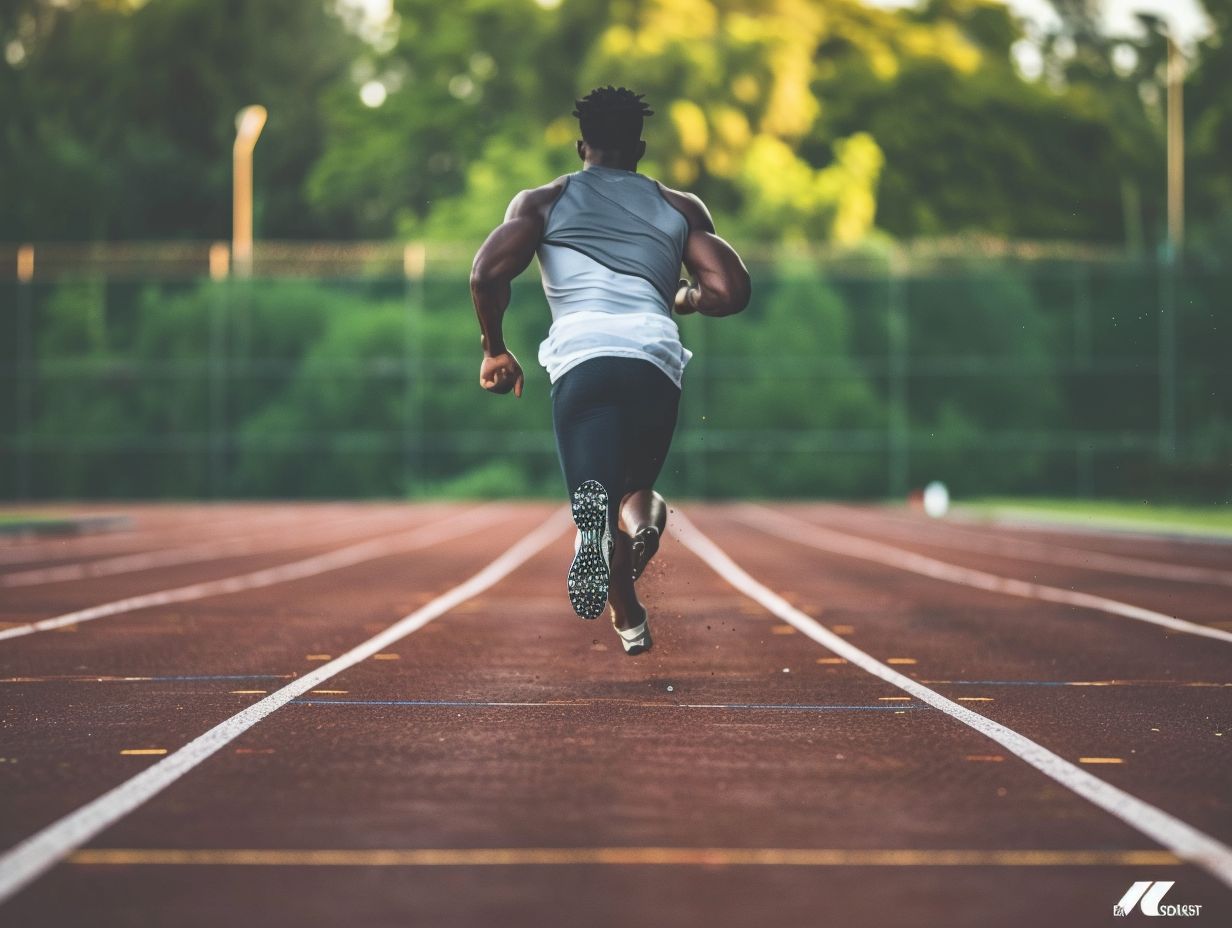
Your salary as a professional runner can fluctuate quite a bit, depending on factors like sponsorships, endorsement deals, and how well you stick to ethical standards, such as steering clear of doping and maintaining good running manners.

In the world of professional running, scoring those sweet sponsorships from big brands and locking in those high-paying endorsement contracts are key to your financial success. These partnerships don’t just bring in cash; they also boost your visibility through branding and marketing collaborations.

It’s crucial to always uphold ethical behavior because any connection to dodgy practices can damage your reputation and put your future earnings at risk. By staying honest and ethical, you can earn trust and respect in the running community, opening up doors to better opportunities and financial rewards.

What are the Opportunities for Sponsorship and Endorsements for Professional Runners?

As a professional runner, you have the chance to tap into some pretty sweet sponsorship and endorsement deals that can really help you out with your training, keep your finances in check, and give you that extra boost of motivation. But to attract the good sponsors, you gotta make sure your reputation is squeaky clean and you’re putting in the hard work.

These partnerships aren’t just about the money – they’re like having your own personal cheerleading squad, urging you on to reach new heights. In the world of pro running, it’s all about integrity. Staying true to ethical standards and steering clear of any performance-enhancing stuff isn’t just about you; it’s about keeping the sport legit.

Your drive as a runner, fueled by your goals and personal growth, is a big player in your success, both on and off the track. It’s what keeps you moving forward and smashing those milestones.

Frequently Asked Questions

What are the benefits of becoming a professional runner?

Becoming a professional runner can lead to improved physical health, opportunities for travel and competition, and potential financial rewards through sponsorships and prize money.

Do I need to have natural talent to become a professional runner?

While natural talent can certainly be helpful, dedication, discipline, and hard work are often more important factors in becoming a successful professional runner.

How can I improve my running speed and endurance?

Consistent training, incorporating intervals and hill work, and following a proper nutrition and hydration plan can all help improve your running speed and endurance.

What are some common injuries among professional runners?

Some common injuries among professional runners include shin splints, IT band syndrome, and stress fractures. It’s important to listen to your body and seek proper treatment if you experience any pain or discomfort.

How can I find opportunities to compete as a professional runner?

You can find opportunities to compete as a professional runner by participating in local races, joining a running club or team, and researching and applying for elite or professional races and events.

Is it possible to balance a full-time job and professional running career?

Yes, it is possible to balance a full-time job and professional running career. Many professional runners have part-time or full-time jobs that allow them to train and compete at a high level. Time management and prioritization are key in balancing both responsibilities.
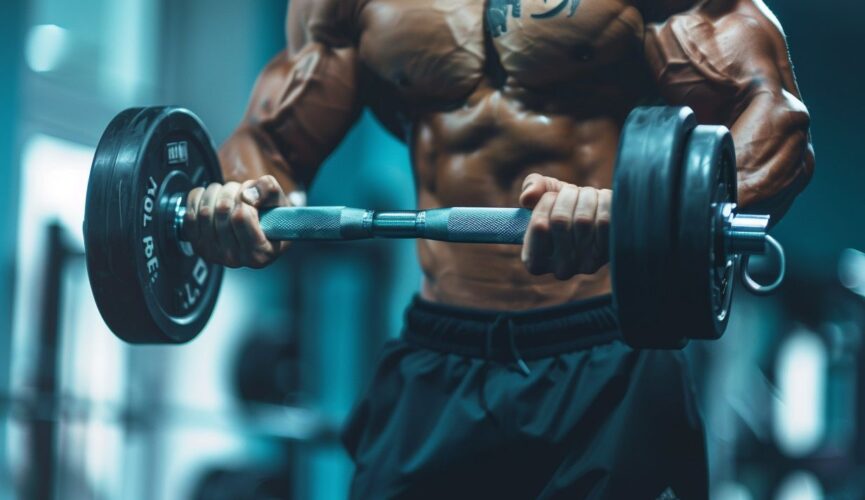
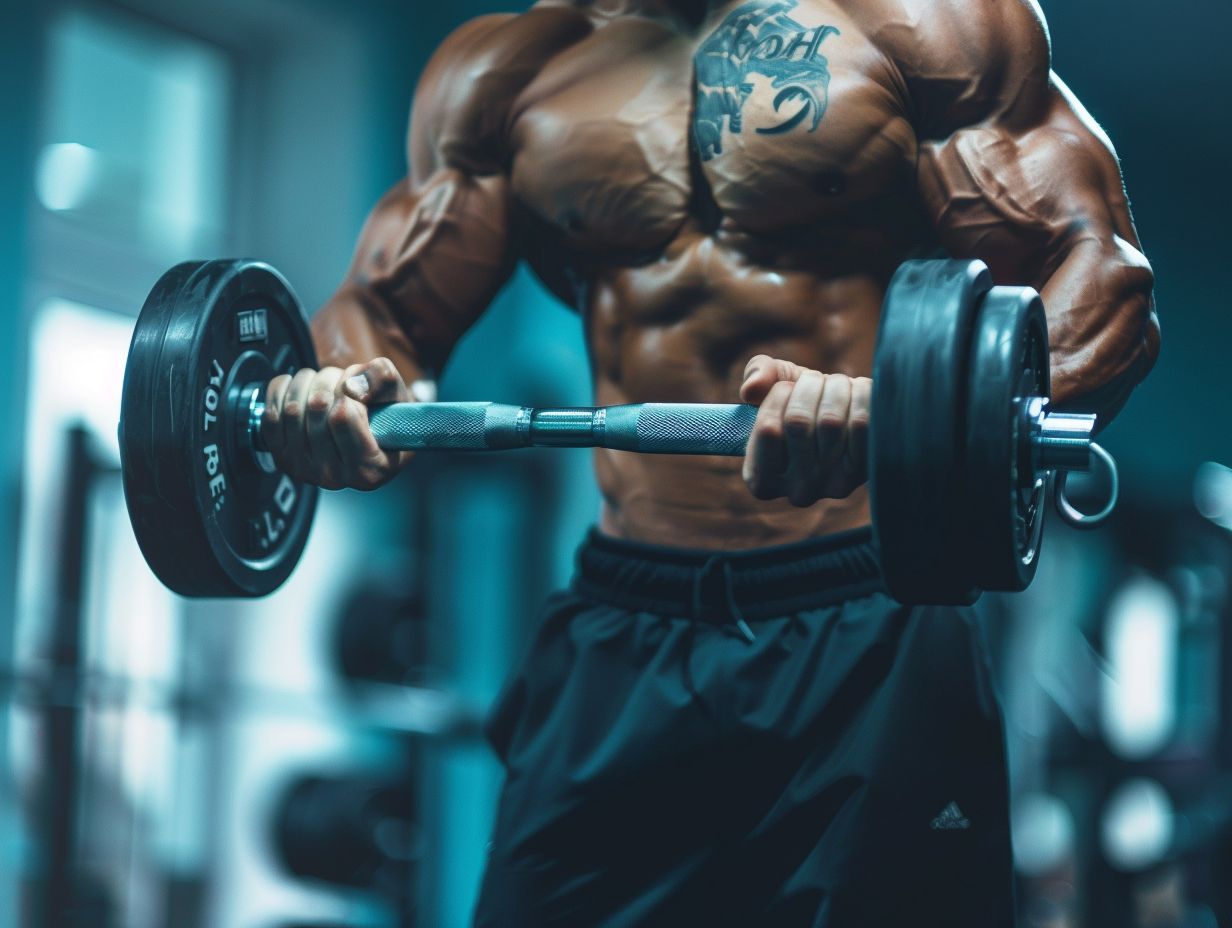
How To Get Sponsored Bodybuilding

If you’re a bodybuilder looking to kick things up a notch, getting sponsored could be a game-changer for you. It can hook you up with financial backing, exposure in the fitness world, and access to all sorts of resources and supplements.

So, how do you go about getting sponsored in the bodybuilding world? Well, it’s all about beefing up your online presence, competing in events, and rubbing shoulders with the right people in the industry. Companies dig athletes with killer physiques, a solid social media following, and a stellar reputation.

To land that sponsorship deal, you’ve got to do your homework, target the right companies, put together a pro proposal, and keep following up like your gains depend on it. Once you’re sponsored, make sure you deliver on your end, keep it pro, and always strive to level up to keep that partnership going strong.

Ready for more insider tips on how to crush it in the world of sponsored bodybuilding? Stay tuned!

Why Do People Want To Get Sponsored For Bodybuilding?

Why Do People Want To Get Sponsored For Bodybuilding?

If you’re into bodybuilding, you probably dream of snagging a sponsorship deal. Why? Well, besides the cash, these sponsorships offer exposure and perks that can really amp up your game in the cutthroat fitness world.

Athletes like you are constantly on the lookout for sponsorship opportunities to take their training, nutrition, and competition game to the next level, teaming up with brands to show off their gains, strength training, and fitness journey.

When you land a sponsorship, it’s not just about the money. You also get support for gym memberships, supplements, and expert trainers. Plus, you get to expand your reach through social media, events, and promotional stuff.

Sponsored athletes often get access to top-notch training facilities, elite coaching, and the latest gear, all of which can supercharge their performance and drive them to greater heights.

By teaming up with respected brands in the bodybuilding scene, athletes like you can score partnerships that don’t just fuel your physical growth but also boost your rep and credibility in the competitive fitness world.

1. Financial Support

In the world of bodybuilding, financial support is key. When you’re sponsored, you get that financial boost from fitness brands and companies. This helps you chase your fitness dreams without worrying about money.

Having that support lets you really focus on your training and getting ready for competitions. Plus, it gives you the chance to get in on high-level events and competitions that might’ve been out of reach financially. Sponsors hook you up with top-notch facilities, specialized training programs, nutrition plans, and all the gear you need to succeed in the competitive fitness world.

Being part of sponsorship programs also gets you noticed, respected, and trusted in the bodybuilding community. And that exposure could lead to cool collaborations and career opportunities down the line.

2. Exposure and Recognition

When you’re part of the bodybuilding community, exposure and recognition are what drive you to seek sponsorships. Being sponsored means you get to boost your visibility through social media, endorsements, and teaming up with fitness influencers, all of which help you stand out in the fitness world.

Having that visibility is crucial for you as an athlete. It’s what helps you build your personal brand and connect with a bigger audience. And the more eyeballs on you, the more chances you have to score sponsorships and partnerships with big-time fitness influencers. Thanks to social media, you can use platforms to your advantage, showing off your journey, engaging with fans, and catching the attention of potential sponsors. Plus, getting endorsements from top fitness influencers isn’t just a pat on the back—it’s a stamp of approval that boosts your credibility and puts you in front of new audiences who trust the word of these influential figures.

3. Access to Resources and Supplements

When you’re a sponsored bodybuilder, you’ve got the VIP pass to a whole arsenal of tools and supplements crucial for your training and nutrition. Picture this – you’ve got access to top-notch workout gear that hones in on specific muscle groups, giving you the edge in your progress and performance.

And let’s not forget those premium supplements custom-made to supercharge your recovery, muscle growth, and energy levels. With personalized nutrition plans at your fingertips, you can be sure you’re feeding your body the right stuff at the right times, fueling your training goals and hitting those peak results. It’s like having your own dream team behind you, guiding you to crush it in competitions and take your physical game to the next level.

How To Prepare For Sponsored Bodybuilding?

Preparing for sponsored bodybuilding involves building a strong online presence, actively participating in competitions and events, and networking with other bodybuilders and companies to enhance sponsorship opportunities.

To build a solid online presence, engage consistently on social media platforms by sharing workout routines, progress updates, and nutritional tips to showcase your dedication and expertise in the fitness industry. Actively participating in various competitions not only allows you to gain valuable experience but also increases your visibility among potential sponsors. Networking with fellow bodybuilders can open doors to collaboration opportunities and helpful advice, while connecting with companies can lead to potential sponsorships and endorsements to support your bodybuilding journey.

1. Build a Strong Online Presence

Establishing a robust online presence is crucial for you as an aspiring sponsored bodybuilder. Use social media platforms to showcase your fitness modeling, share workout routines, and connect with fitness influencers to broaden your reach in the fitness community.

When you actively share your fitness journey on platforms like Instagram, YouTube, and TikTok, you’re not just motivating others but also catching the eye of potential sponsors who want to team up with influential fitness figures like yourself. Social media is your playground to establish credibility, grow a loyal following, and craft a brand that truly connects with your target audience.

Collaborating with fitness influencers can supercharge your online presence, boost your visibility, and introduce your brand to a bigger network of fitness enthusiasts. This interconnected online world of engagement is key for locking in sponsorships and partnerships in the competitive fitness scene.

2. Participate in Competitions and Events

2. Participate in Competitions and Events

Engaging in competitions and events is a key step in preparing for sponsored bodybuilding. You should compete in fitness competitions, seek out workout sponsorships, and aim for recognition in prestigious bodybuilding championships to elevate your profile in the industry.

When you participate in these events, you get to show off all your hard work and dedication. Plus, it opens doors to potential sponsors and opportunities for growth. By competing in fitness competitions, you can showcase your skills and commitment to a wider audience, which can catch the eye of sponsors looking for motivated individuals.

Looking for workout sponsorships not only gives you financial support but also shows industry recognition and backing for your journey. Ultimately, striving for success in well-known bodybuilding championships can strengthen your position as a competitive force and a sought-after athlete in the bodybuilding world.

3. Network with Other Bodybuilders and Companies

Networking with fellow bodybuilders and health companies is crucial for creating sponsorship opportunities. You need to build connections to explore potential sponsorship deals, forge fitness brand partnerships, and expand your presence in the bodybuilding industry.

By engaging with like-minded individuals and industry professionals, you can not only gain valuable insights and knowledge but also establish meaningful relationships that can lead to lucrative sponsorship agreements. Leveraging your network allows you to showcase your skills and dedication, making you a more attractive partner for fitness brands seeking to align themselves with successful and influential figures in the bodybuilding community. Networking opens doors to collaborations and endorsements that can elevate your personal brand and help you reach a wider audience of enthusiasts and supporters.

What Are Companies Looking For In Sponsored Bodybuilders?

When companies are on the lookout for sponsored bodybuilders, they have certain traits in mind. They want someone with an aesthetic physique, a strong influence on social media, and a good reputation paired with a solid work ethic.

These companies totally get how important visuals are in the fitness world. It’s all about a bodybuilder who can rock that ideal physique with muscle definition, symmetry, and an overall appealing look that draws in consumers.

Having a solid social media game is a must in today’s digital world. It lets companies connect with a wider audience and engage with fans on a more personal level. And you’ve gotta keep that professional reputation in check – sponsors want athletes who bring their A-game in competitions and in their everyday behavior.

1. Aesthetic Physique

To attract companies looking for sponsored bodybuilders, you need to focus on building an aesthetic physique that stands out. Show off your muscle growth, make use of bodybuilder supplements, and get involved in fitness modeling to demonstrate your physical strength in the fitness industry.

Regarding sculpting a striking physique, it’s not just about getting big muscles – it’s also about achieving balanced proportions and visual appeal that catch the attention of sponsors. Incorporating a mix of bodybuilder supplements like protein powders, creatine, and BCAAs into your routine can help boost muscle growth and recovery, resulting in a more defined physique. Plus, taking part in fitness modeling gigs not only highlights your commitment to fitness but also gives you exposure to potential sponsors on the lookout for athletes who embody the perfect combination of strength and aesthetics.

2. Social Media Influence

Regarding catching the eye of companies looking to sponsor bodybuilders, having a solid social media following is key. You need to make the most of your presence on social platforms, team up with other fitness influencers, and dive into influencer marketing to really boost your reach and influence.

Being active on platforms like Instagram, YouTube, and TikTok is your ticket to showing off your hard work and progress. This is how you can grab the attention of fitness fans and potential sponsors. Partnering up with well-known fitness influencers can help you spread your message to a broader audience that fits your target market. By jumping into influencer marketing efforts, you not only get more exposure but also build up your credibility and trust in the fitness community.

This respect and trust can open doors to more brand partnerships and opportunities, cementing your status as a respected player in the industry.

3. Good Reputation and Work Ethic

To become a sponsored bodybuilder, you need to focus on maintaining a good reputation and a strong work ethic. Make sure you’re always professional and honest throughout your fitness journey to build credibility in the industry.

Look for endorsements that align with your values and fitness objectives – this not only boosts your public image but also shows your authenticity to your audience. Your consistent dedication to your training and nutrition is key, as it demonstrates a solid work ethic and reinforces your commitment to the fitness lifestyle that companies seek in brand ambassadors.

Embodying these qualities will lay the groundwork for your long-term success and growth in the competitive world of sponsored bodybuilding.

How To Approach Companies For Sponsorship?

How To Approach Companies For Sponsorship?

When you’re looking to secure sponsorship from companies, you’ve got to have a game plan and bring your A-game. Do your homework to find the right companies, put together a killer sponsorship proposal, and get out there and show off your stuff at fitness events to prove you’re a top-notch brand ambassador.

Before you start pitching to potential sponsors, make sure you’ve done your homework. You need to know their business goals inside and out and understand who their target audience is. This way, you can tailor your pitch to hit all the right notes. Show off what makes you stand out as a brand ambassador, highlighting your passion for fitness and how well you connect with their ideal customers.

When you’re putting together your sponsorship proposal, keep it snappy, make it look good, and make sure it’s all about the perks of teaming up with you. And don’t just sit around waiting for sponsors to come to you – get out there and strut your stuff at fitness events! Not only will you showcase your skills, but you’ll also have the chance to mingle with potential sponsors and make some industry connections.

1. Research and Target Specific Companies

When you’re on the hunt for sponsorship opportunities, start by doing some deep-dive research to find companies that share your values and goals. Look into partnerships within the fitness industry and check out existing sponsorships to customize your approach.

Take a closer look at market trends and what your competitors are up to with sponsorships. This will give you an inside look at successful strategies and where there might be room for your unique offerings. Understanding what companies in the fitness industry are after can help you build partnerships that work for both parties.

Dig into the audience reach and demographics of companies already sponsoring fitness-related ventures. This will help you pick the right brands to collaborate with that match your target market and personal brand image.

2. Create a Professional Sponsorship Proposal

Crafting a professional sponsorship proposal is crucial if you want to impress companies and snag those sponsorships. So, outline your strengths, pitch some cool collaboration ideas for workout sponsorships, and show off your potential as a fitness brand ambassador in your proposal.

To really stand out from the crowd, make sure to highlight your unique selling points and achievements. Share your fitness journey, accomplishments, and how you totally vibe with the sponsor’s values.

Think about teaming up on special workout events, product promos, or killer social media campaigns to sweeten the deal. By coming across as a super knowledgeable and enthusiastic brand ambassador who can genuinely represent the company’s products, you’ll seriously up your chances of scoring that sponsorship.

3. Follow Up and Be Persistent

When seeking sponsorships in the fitness industry, it’s crucial for you to follow up and demonstrate persistence. Keep engaged with companies, show your dedication to your fitness journey, and go after those fitness sponsorships with determination and consistent follow-ups.

Don’t forget to continuously reach out to potential sponsors and keep them in the loop with your progress. This not only demonstrates your commitment but also helps you build a strong relationship with these companies. Remember, securing sponsorships is a journey that requires perseverance and a proactive mindset.

By regularly connecting with sponsors, sharing your wins and struggles, and showcasing your love for fitness, you’ll be more likely to attract sponsorship opportunities that match your goals. Stay focused, stay consistent, and always be sure to follow up on leads to boost your chances of success in the competitive fitness sponsorship world.

What Are Some Tips For Maintaining A Sponsorship?

To maintain a sponsorship, you need to fulfill your obligations, give a shoutout to the sponsoring company, and keep it pro throughout your partnership. And hey, don’t forget to keep leveling up as a bodybuilder to bring even more value to the table.

Consistency is your best bud when it comes to keeping a successful partnership alive in the bodybuilding world. Make sure you’re pulling your weight in the sponsorship deal by getting involved with the company’s products and services. Share your workout routines, drop some nutrition know-how, and keep your followers updated on your progress across social media.

Getting in on promotions like events, contests, or online campaigns can pump up your brand exposure and show that you’re all in on this partnership. Show off your reliability, enthusiasm, and dedication, and you’ll be on track to building a strong, long-term relationship with your workout sponsor.

1. Fulfill Obligations and Promote the Company

To successfully maintain a sponsorship, you need to fulfill your commitments and actively promote the sponsoring company. Make sure your fitness goals align with the company’s values and embody a fitness lifestyle that resonates with your audience.

Consistently meeting your obligations as a sponsored athlete not only shows professionalism but also demonstrates loyalty to the brand. When your fitness journey matches the values and image of the sponsoring company, it creates a compelling story that engages your followers.

Promoting the company through social media, events, and other channels not only increases brand visibility but also strengthens the partnership. This alignment of goals and values establishes a mutually beneficial relationship that fosters long-term collaboration and success.

2. Stay Professional and Positive

2. Stay Professional and Positive

To have a successful sponsorship journey in the bodybuilding industry, you need to maintain a professional and positive attitude. By actively upholding professionalism and showing a positive mindset, you are not only demonstrating your dedication to your sponsors but also setting a high standard for others in the industry.

Engaging with the sponsor’s program in a proactive way helps you build a strong relationship based on mutual respect and trust. Collaborating with fitness influencers can also boost your reach and credibility, creating a synergy that benefits both parties. Remember, a positive brand image isn’t just about looks; it reflects your values and integrity, making you an attractive partner for potential sponsors.

3. Continuously Improve and Grow as a Bodybuilder

For you to maintain a successful sponsorship as a bodybuilder, it’s crucial to focus on continuous self-improvement and growth. Make sure to grab those workout sponsor opportunities, chase after fitness sponsorships, and work on improving both your skills and physique to open up more doors for yourself.

When you consistently push yourself in the gym, mentally and physically, you not only boost your own performance but also increase your chances of landing those sweet sponsorships. The trick is to show how committed you are to your craft, jump on any workout sponsor opportunities that come your way, and sharpen your skills to shine in a competitive market.

As you move forward on your fitness journey, remember that growth isn’t just about gaining muscle; it’s also about creating a strong brand and professional image that will catch the eye of potential sponsors.

Frequently Asked Questions

1. How can I get sponsored for bodybuilding?

To get sponsored for bodybuilding, you need to first build a strong and impressive physique through consistent training and competition. You should also establish a strong online presence through social media and create a professional portfolio showcasing your achievements and credentials.

2. What are some potential sponsors for bodybuilding?

Potential sponsors for bodybuilding include supplement companies, fitness brands, sports apparel companies, and fitness equipment manufacturers. You can also reach out to local businesses and gyms for sponsorship opportunities.

3. What do sponsors look for in a bodybuilder?

Sponsors typically look for bodybuilders who have a large following, a strong online presence, and a successful track record in competitions. They also look for bodybuilders who align with their brand values and can effectively promote their products or services.

4. How can I approach potential sponsors for bodybuilding?

When approaching potential sponsors for bodybuilding, it’s important to have a professional and well-crafted pitch. You can start by researching the company and their target audience, then tailor your pitch to showcase how you can help promote their brand to their desired demographic.

5. What benefits can I expect from being sponsored for bodybuilding?

Being sponsored for bodybuilding can provide you with various benefits such as free products, financial support for competitions, exposure and recognition, and potential endorsement deals. It can also open up new opportunities for networking and collaboration within the fitness industry.

6. How can I maintain a good relationship with my bodybuilding sponsor?

To maintain a good relationship with your bodybuilding sponsor, it’s important to fulfill your obligations and commitments to them, such as promoting their products or services and representing their brand positively. You should also communicate regularly and provide updates on your progress and future plans.