Tag: pickleball

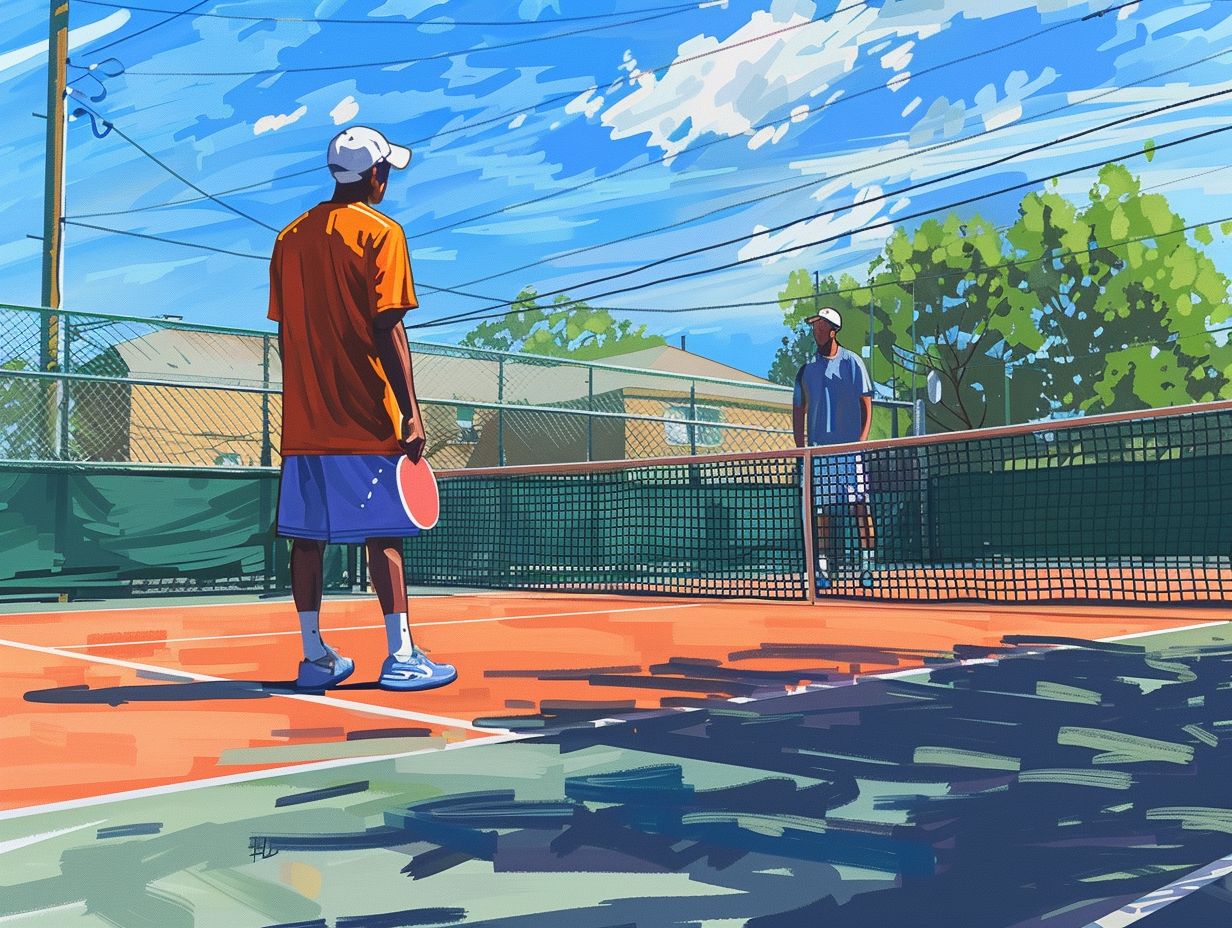
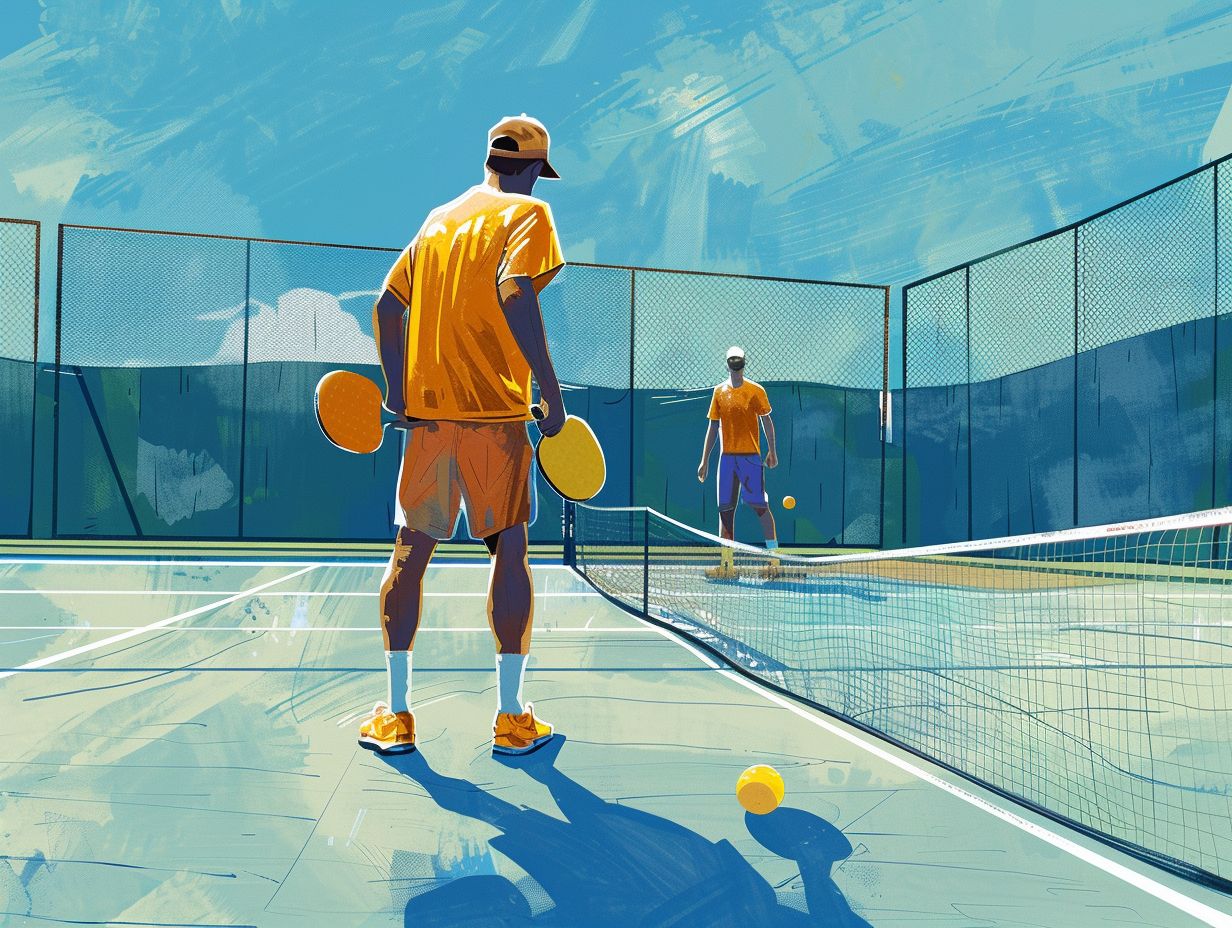
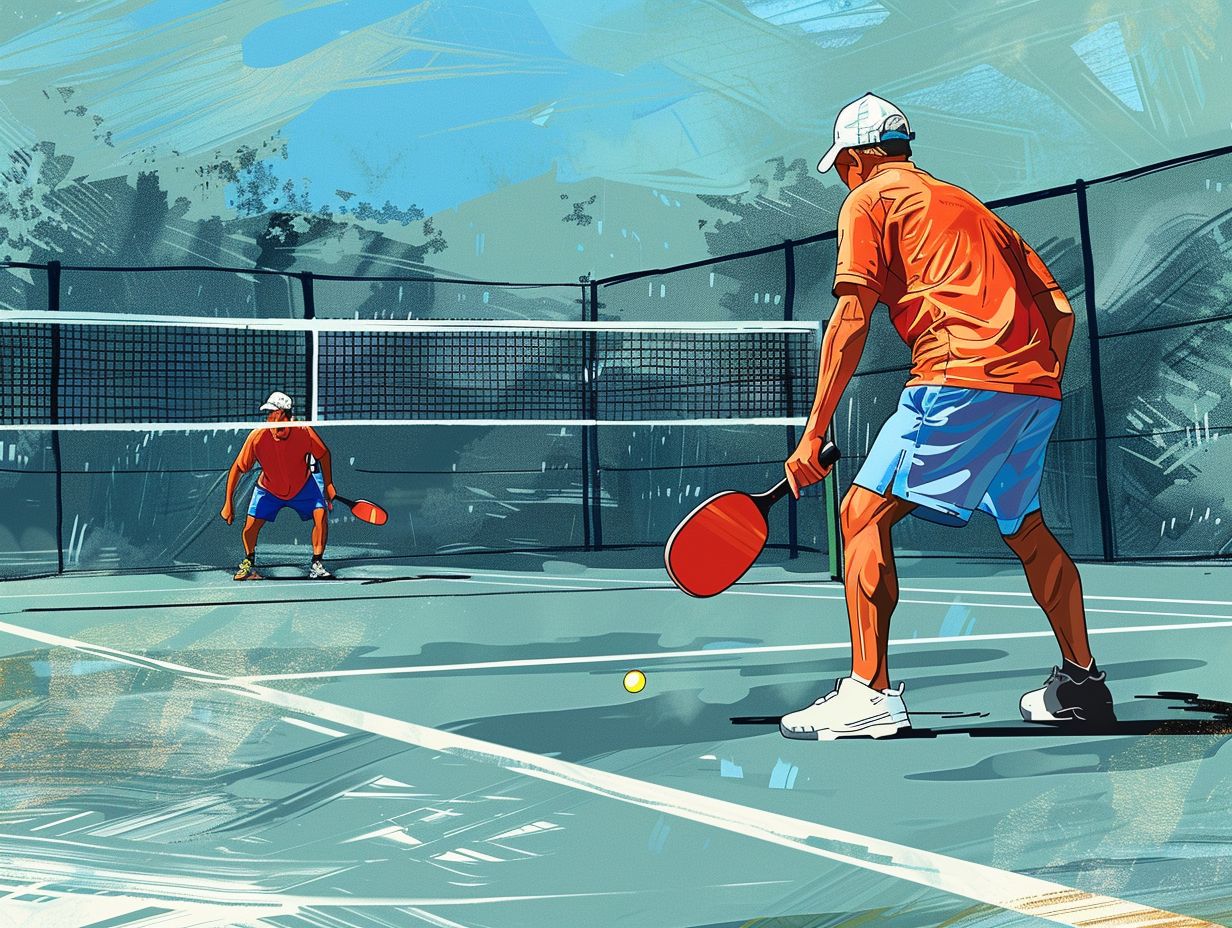
Best Pickleball Court Colors

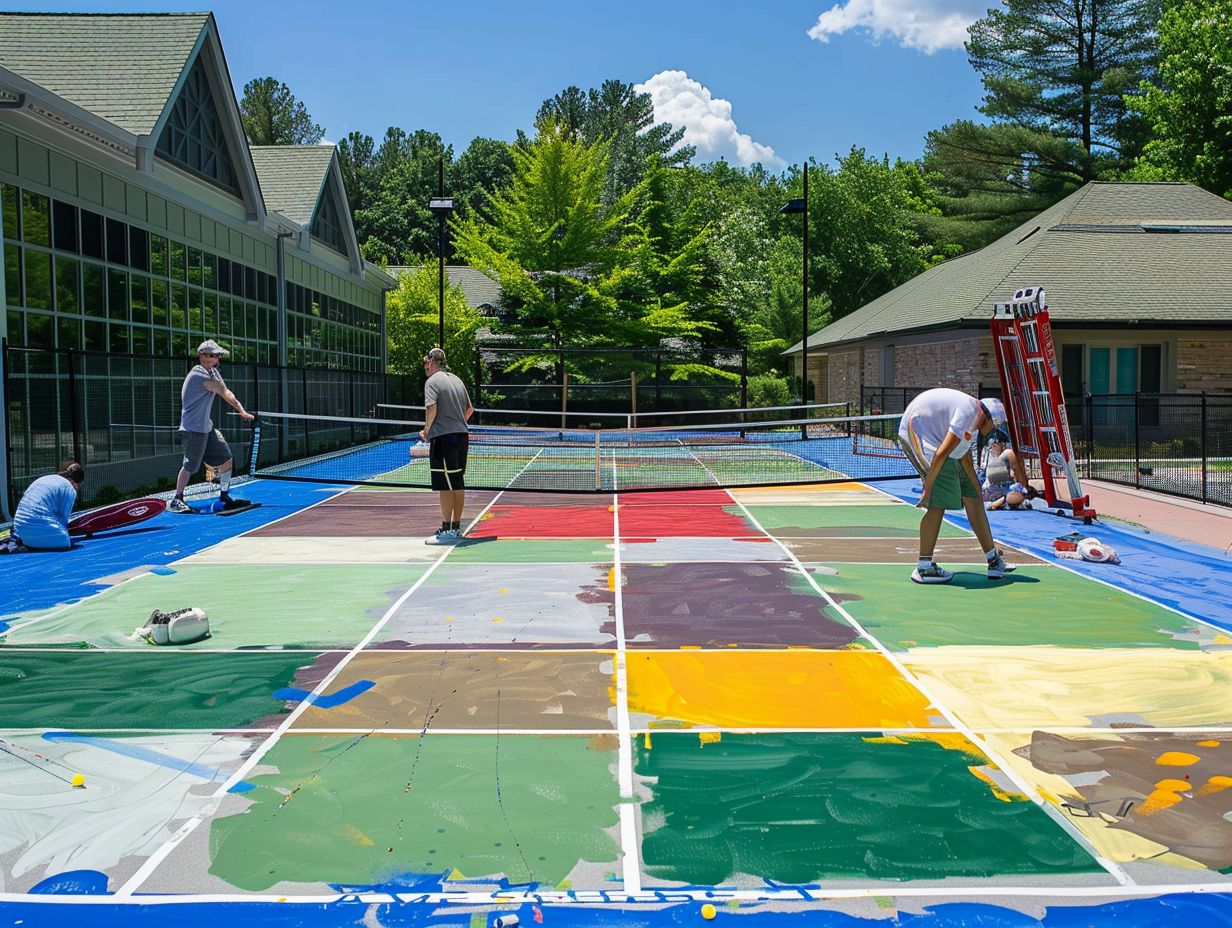
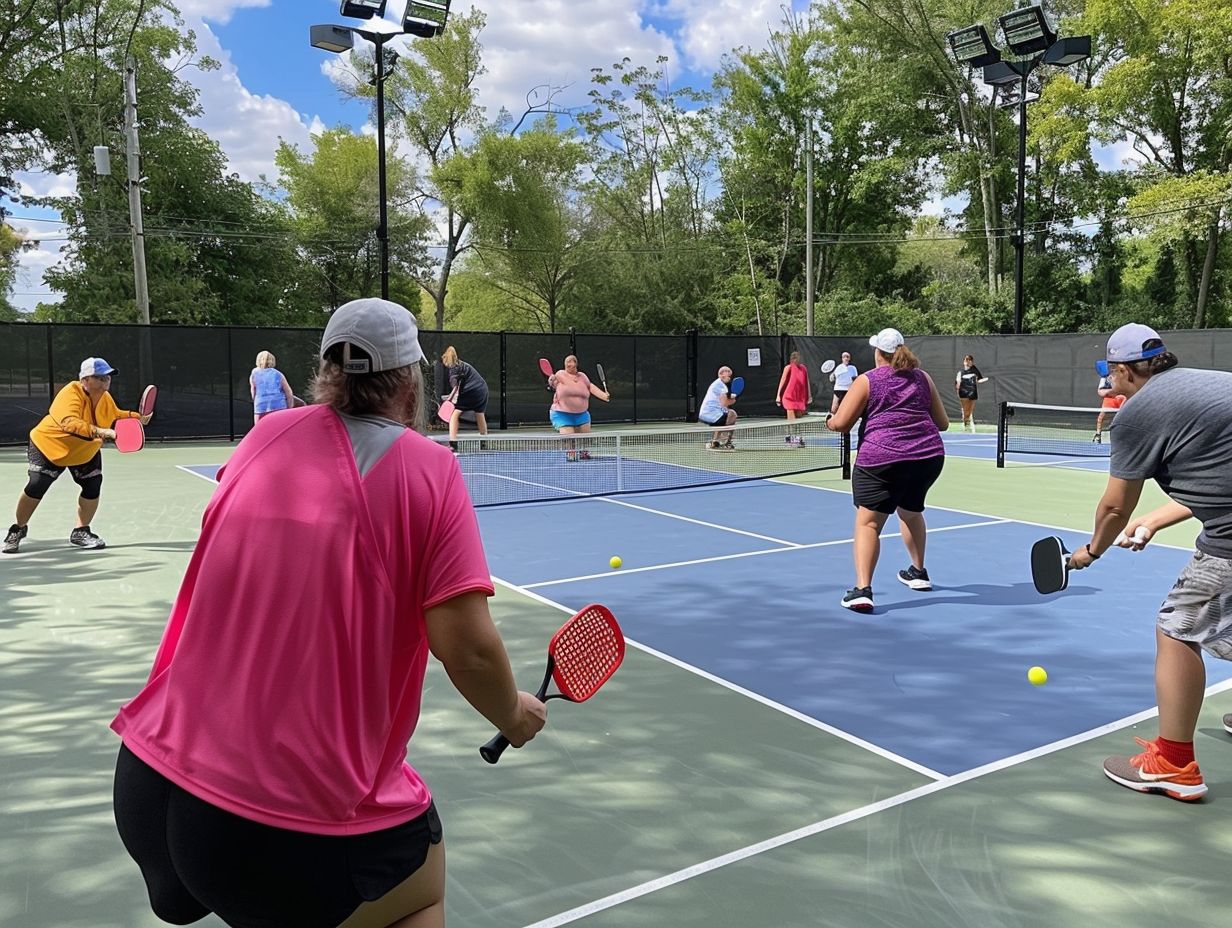
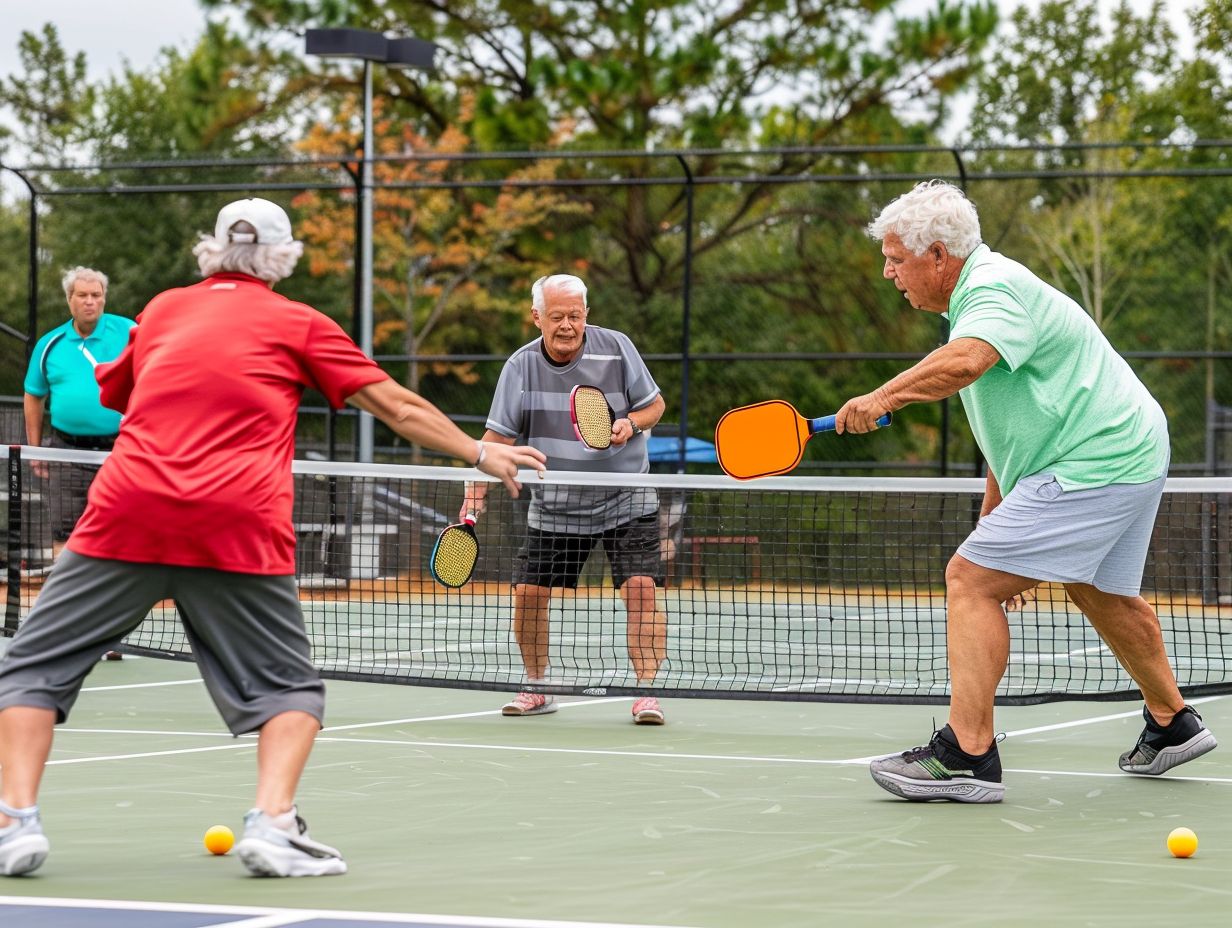
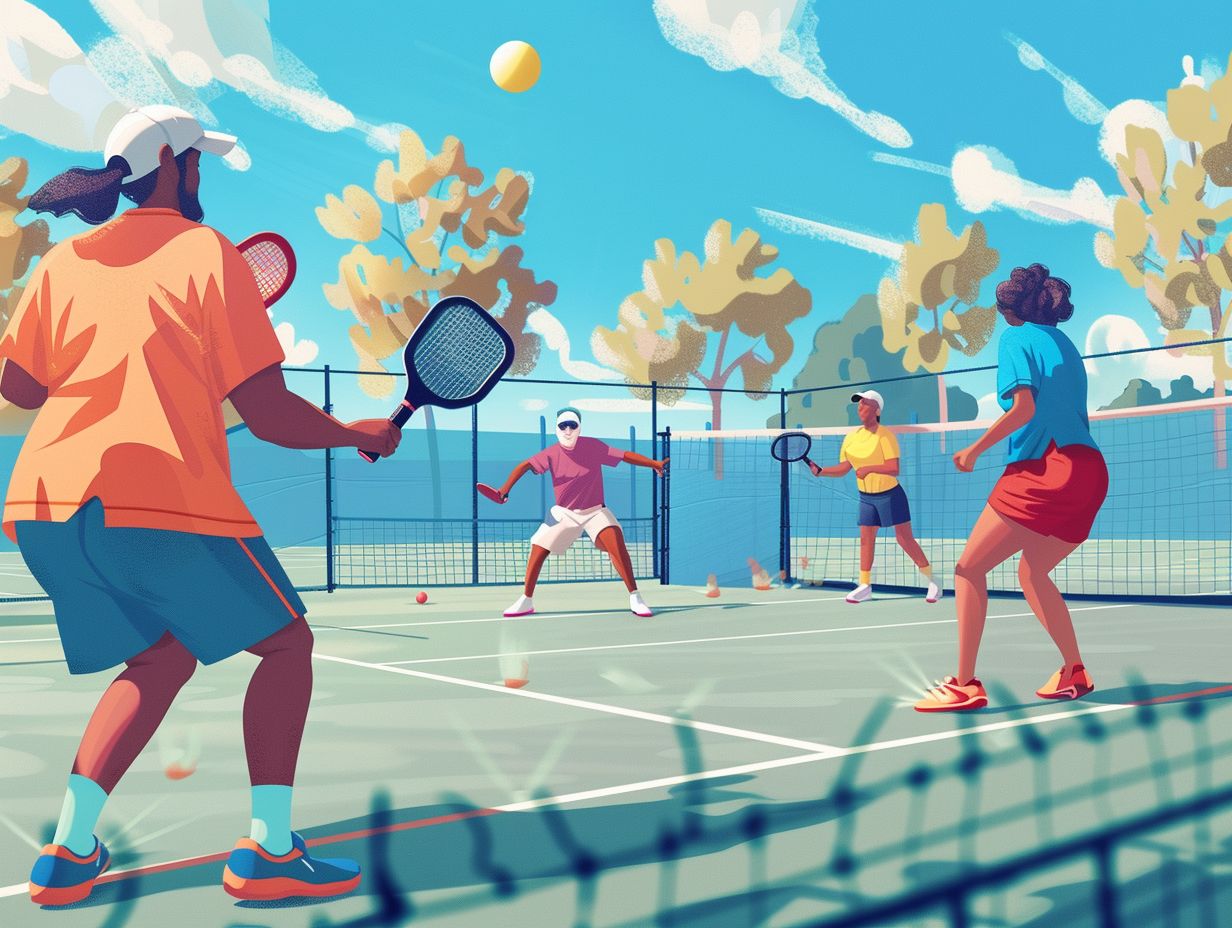
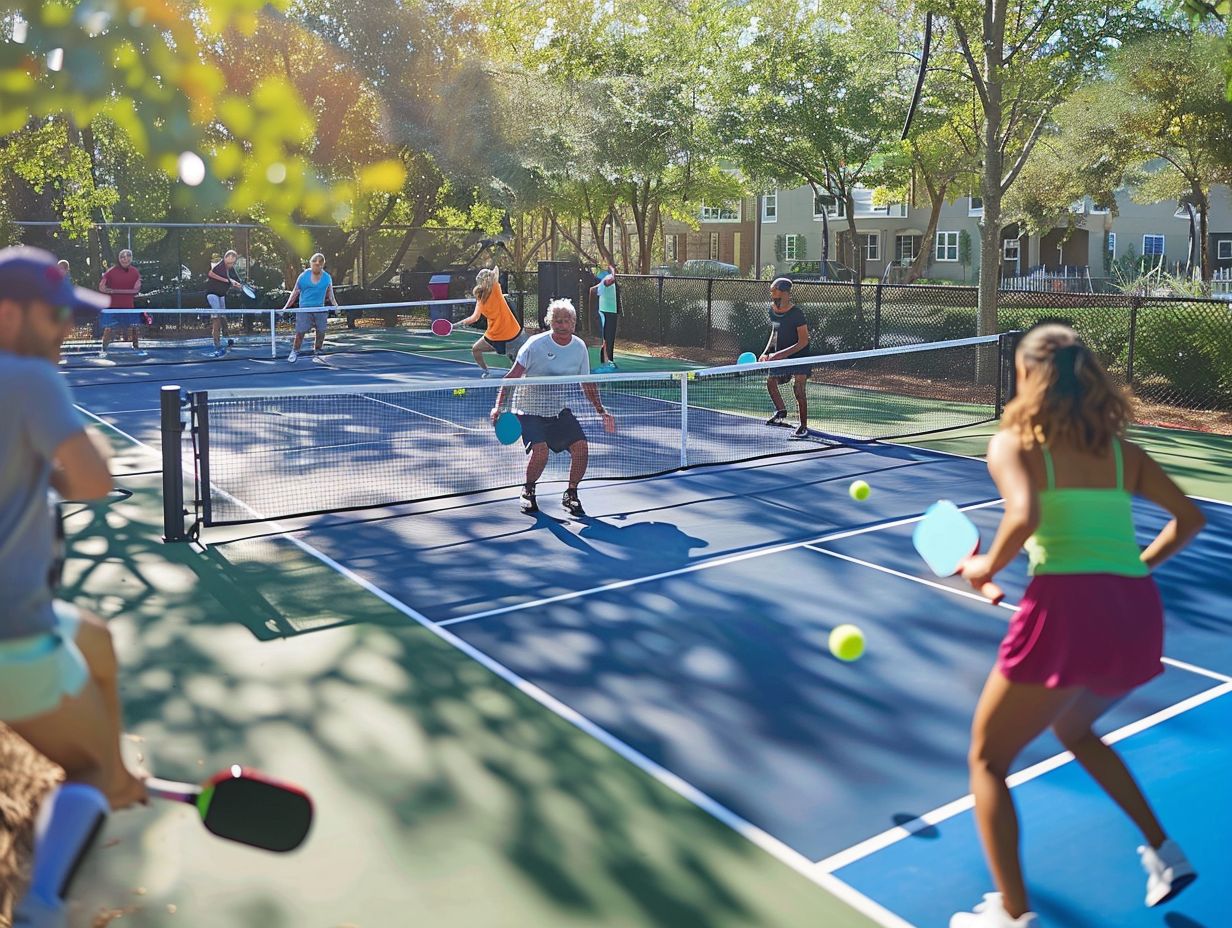
Looking to spruce up your pickleball court with a fresh new color? In terms of choosing the right color, it’s not just about looks – it can also impact your gameplay.

Let’s dive into the most popular pickleball court colors like blue, green, and red, and check out some other options too. Remember to think about factors like location, climate, cost, and maintenance when picking a color. And don’t forget to keep that color looking fresh with cleaning and protection tips.

Whether you’re a pro or just starting out, learn how to make your pickleball court stand out and own the court!

What are Pickleball Court Colors?
What are Pickleball Court Colors?

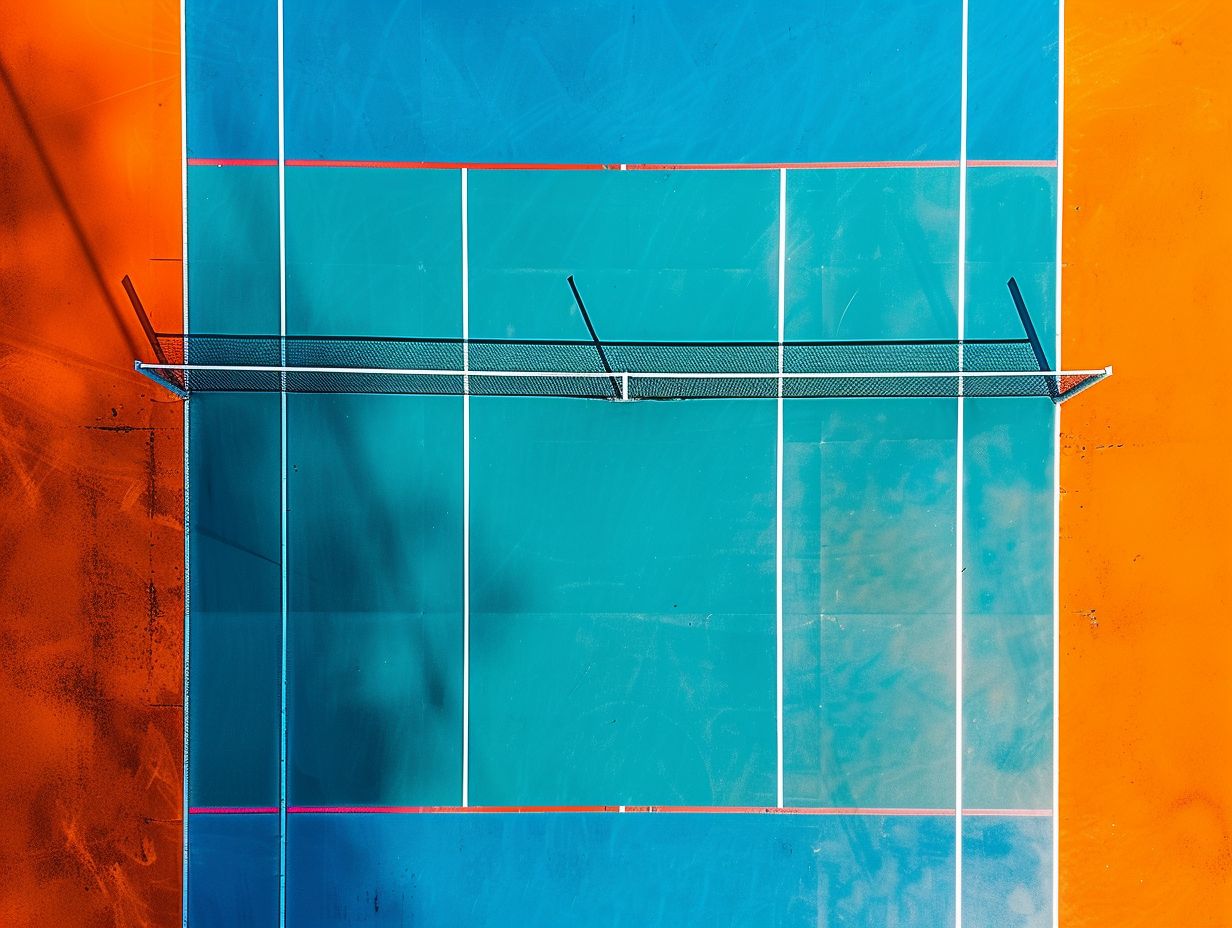
In terms of pickleball courts, the colors are more than just a pretty sight – they’re essential for both style and function. Choosing the right hues can make a big difference in how the court looks and performs.

Pickleball court colors aren’t just for show; they’re practical too. Bright, contrasting colors make it easy for players to see the court boundaries, especially during intense games, which can help prevent arguments over line calls. The right colors can also affect how well players can see the ball, making it easier to track its movements. Paying attention to these color details ensures that the court doesn’t just look good but also improves the gameplay experience for everyone involved.

Importance of Choosing the Right Color

In terms of picking the right color for your pickleball court, you’ve got a lot to think about. It’s not just about looks – the color can affect how well you can see, how you play, and how easy it is to maintain the court.

The color you choose can really make a difference in how you play. A color scheme with high contrast can help you see the ball better, making it easier to keep up with the game. Plus, picking practical colors that don’t show dirt or need constant cleaning can save you a lot of maintenance hassle. And don’t forget about durability – certain colors might fade or wear out faster with all that action on the court and exposure to the elements.

Impact on Gameplay and Aesthetics

When you’re choosing pickleball court colors, remember it’s not just about looks – it can also affect how you play the game. The colors you pick can influence player appeal, visual contrast, performance, and practicality, shaping your whole gameplay experience.

Imagine stepping onto a court with vibrant, contrasting colors – it can amp up your focus and agility, making you ready to take on the game. The color combos on the court can even mess with your depth perception, either making it easier to track the ball or adding an extra challenge to your game.

And let’s not forget the practical side of things. Court colors can affect visibility under different lighting conditions and play a role in how easy it is to maintain the court surface. So, when you’re choosing those colors, think about how they’ll impact your game and overall playing experience.

Popular Pickleball Court Colors

In terms of pickleball court colors, you have a variety to choose from, like shades of blue, green, red, white, and yellow. Each color brings its own style and visibility to the court.

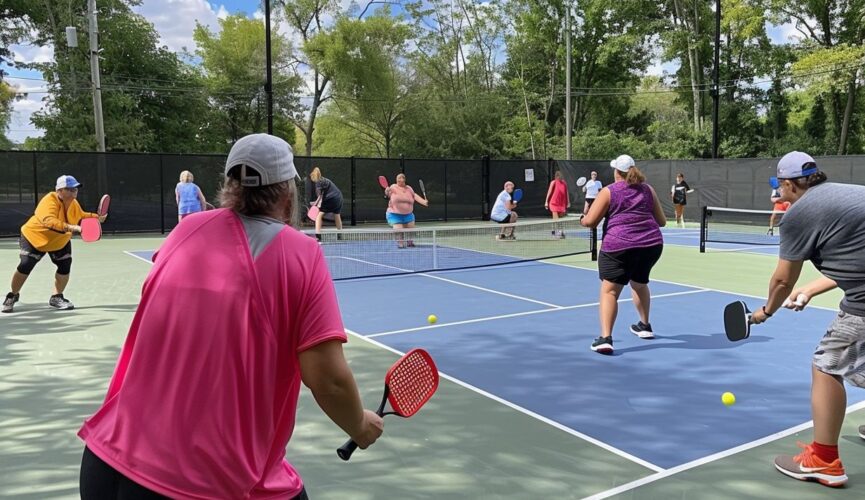
You might opt for a blue pickleball court if you’re looking for a calming vibe and better contrast with the bright yellow pickleball. It can help you keep track of the ball, especially during those intense, fast-paced games.

Alternatively, green pickleball courts give off a natural look that blends in nicely with outdoor settings and helps reduce glare from the sun. And if you’re into adding a pop of color, red pickleball courts bring a vibrant energy to the court that can amp up both players and spectators with their bold hue.

Blue

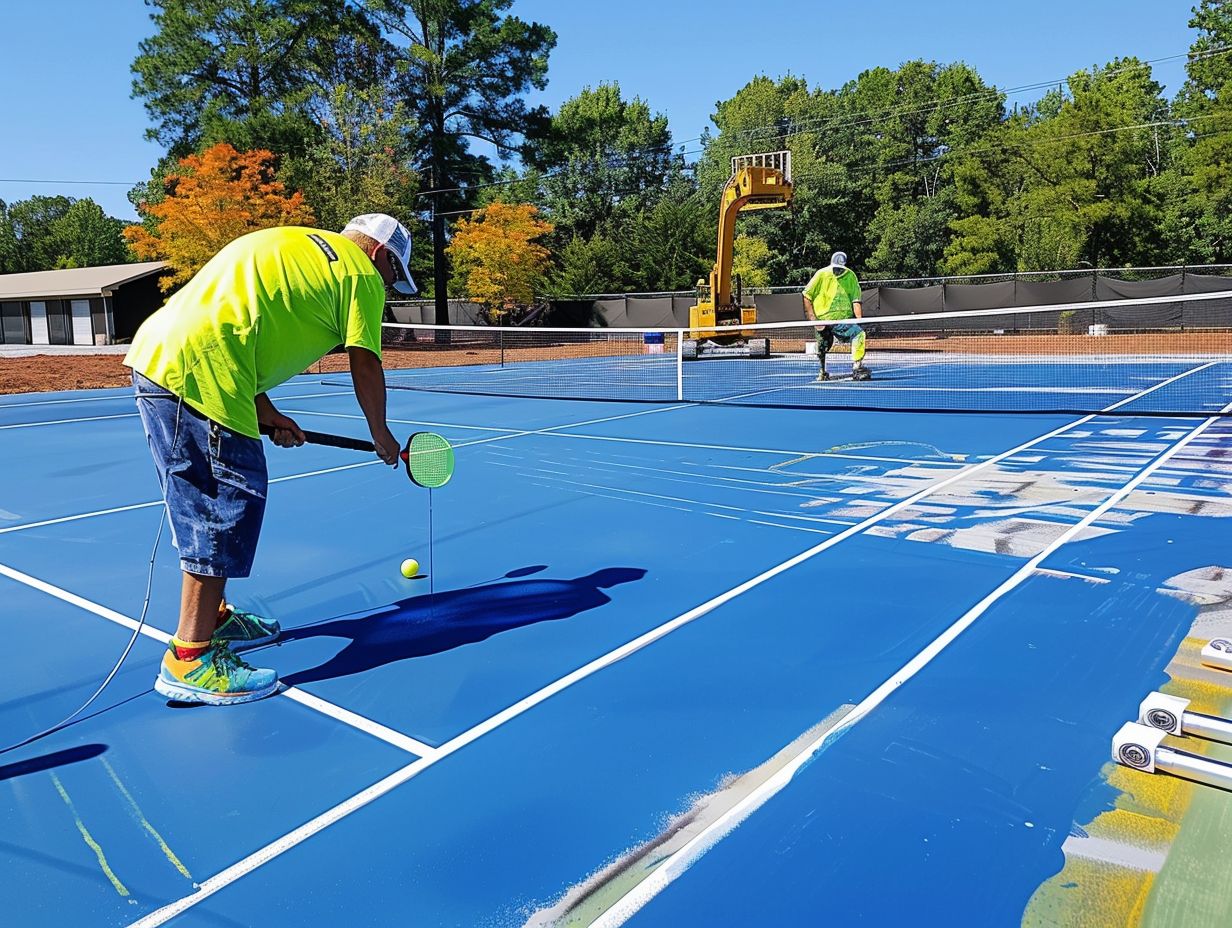
Opting for blue as the color for your pickleball courts is a smart move. It’s not just visually appealing, but it also helps players see the ball better, especially during tournaments.

The bright blue shade doesn’t just look cool on the court; it also makes it easier to spot the vibrant yellow pickleball. This contrast is a game-changer during intense matches, keeping players on top of their game. Plus, the calming vibe of blue sets the perfect tone for competitive play. It strikes a balance between focus and fun, creating an ideal setting for tournaments where precision and skill are everything.

Green
Green

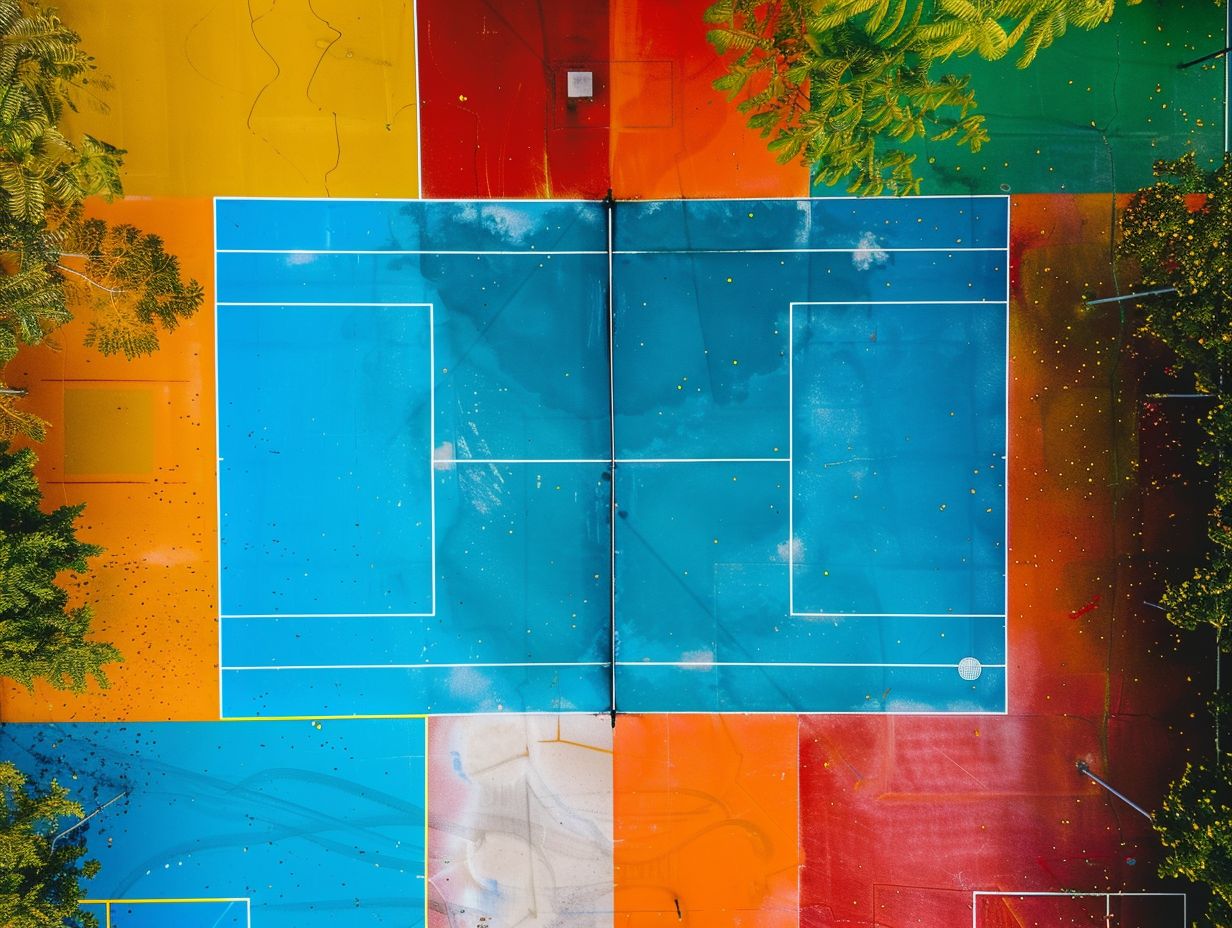
When you’re choosing colors for your pickleball court, green is a solid option that hits all the right notes. It’s got that perfect mix of visual appeal, contrast, player-friendly features, and practicality that players and organizers love.

Plus, that vibrant green really kicks up the look of the court and makes that bright yellow ball pop. It’s all about keeping your eye on the ball during those intense games, and the green court helps you do just that. And let’s not forget about how green can actually boost your game by helping you track that ball like a pro.

And hey, green courts are tough cookies too. They can handle the wear and tear of some serious play and are a breeze to maintain. So, when you’re thinking pickleball court colors, green is where it’s at – stylish, practical, and all-around player-approved.

Red

You should consider red pickleball court colors for a few key reasons. The striking aesthetics not only look cool but also make it easier to see the court and improve your game.

The vibrant red stands out against the lines and boundaries, helping you keep track of the ball during intense rallies. This visibility leads to smoother gameplay and fewer missed shots.

Plus, the color red can actually amp you up mentally, boosting your energy and focus to enhance your performance on the court. So, why not give red a shot next time you hit the court?

Other Color Options

When you’re on the pickleball court, you’ve got more color choices than just the usual blue, green, and red. Pickleball courts offer a whole rainbow of options for you to pick from, letting you jazz up your game and court style.

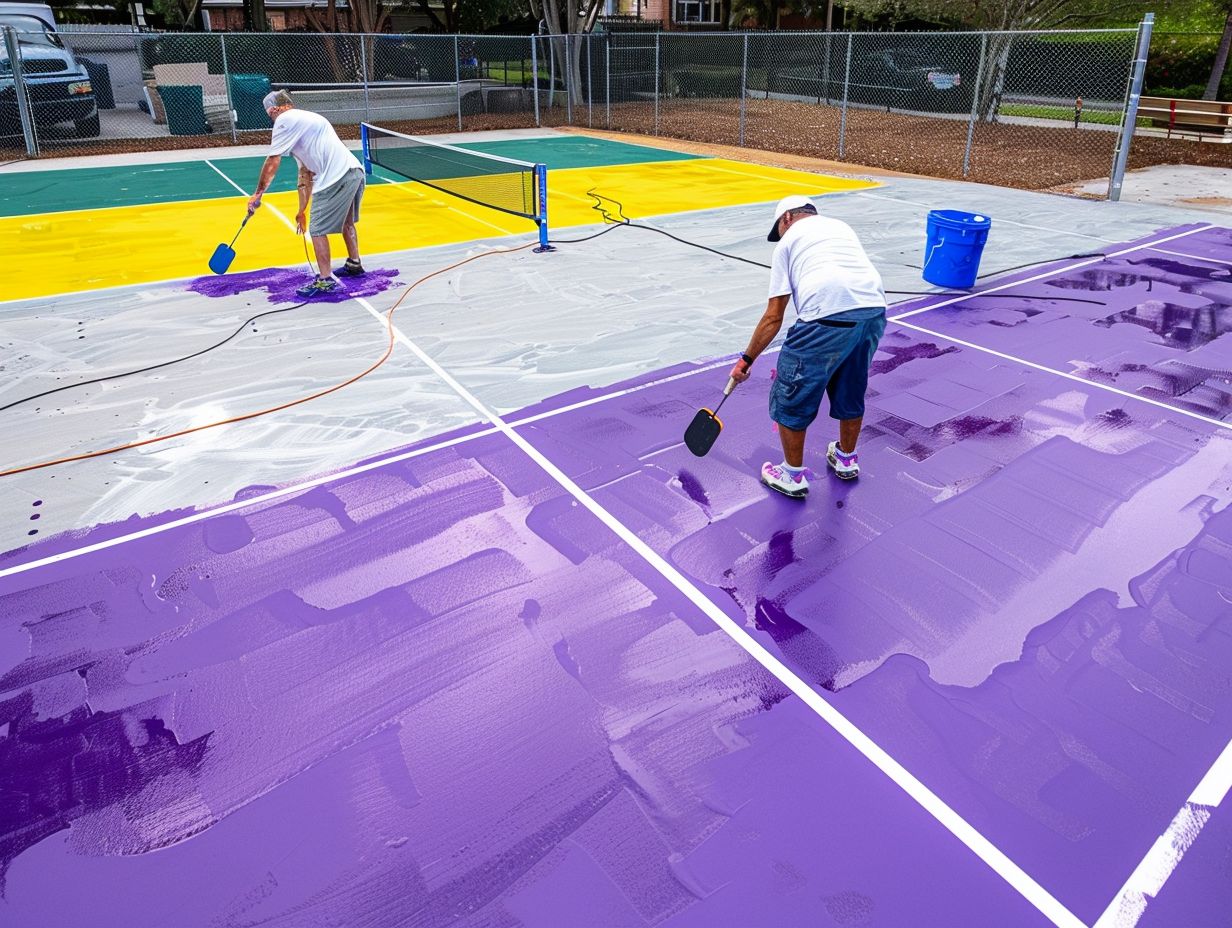
Whether you’re feeling the bright vibes of yellows and oranges or going for a more sophisticated look with greys and purples, the range of colors for pickleball courts is pretty diverse. When you’re deciding on the perfect colors for your court, you’ve got to think about things like how visible they’ll be in different lighting, how well they stand out against the ball, and the overall vibe you want for the court. Picking the right colors can help you track the ball better and make sure you see those court boundaries clearly. By adding some color customization, you can create a totally unique atmosphere that not only amps up your gameplay but also boosts the court’s overall appeal.

Factors to Consider When Choosing a Color

When you’re choosing a color for your pickleball court, you’ve got to think about a few key things like where the court is, what the weather’s like there, how much it’ll cost, and what kind of upkeep it’ll need.

The location of your court is a big deal when it comes to picking a color. If it’s an outdoor court in a sunny area, darker colors might soak up more heat, making the court scorching on hot days. On the flip side, in colder places, lighter colors could bounce back light and heat, helping with visibility and keeping players comfy.

Money matters too. Some color choices might need more touch-ups to keep looking fresh, which can drive up maintenance costs. It’s all about finding that sweet spot between looks, practicality, and making sure your court stays in top shape for the long haul.

Location and Climate

When choosing colors for your pickleball court, take into account the location and climate of the site. These factors are key in selecting colors that can withstand the weather, handle temperature changes, reflect light, and ensure the safety of players.

In areas with hot weather, you’ll want to go for lighter colors that don’t absorb as much heat, keeping the court surface cool for a more comfortable game. On the flip side, if you’re in a colder region, darker colors might be better to soak up warmth. And don’t forget about reflectivity – choosing colors that minimize glare can improve visibility and reduce the risk of accidents.

Safety is also a big consideration, so think about using contrasting colors to clearly mark the court boundaries and help players stay oriented during matches.

Cost and Maintenance
Cost and Maintenance

When you’re thinking about the cost and maintenance of a pickleball court, you’ve gotta find that sweet spot between looks, practicality, durability, and budget-friendly upkeep. The color you pick for your court can really set the vibe, affecting how players feel and even showing off your facility’s style.

As you decide on a color, think about the practical stuff too. You want to make sure players can see the lines clearly and that the color doesn’t blend into the background. It’s all about safety and making sure everyone has a good time. Plus, you need a color that can handle all the action, weather, and upkeep without fading or wearing out too quickly.

So, aim for a color that not only looks good but also won’t break the bank when it comes to maintenance. Finding that balance between aesthetics and cost-effective care is key when choosing the color for your pickleball court.

Tips for Maintaining the Color of Your Pickleball Court

To keep your pickleball court looking sharp and colorful, it’s important to use effective cleaning and protection methods to maintain the vibrancy and durability of the court surface.

You should make it a habit to clean the court regularly with a gentle detergent and water mix to prevent dirt buildup and keep those colors popping. Adding a UV-protective sealant will help shield the court from sun damage and preserve its original hues. Don’t forget to set up a maintenance routine to check for cracks or damages and fix them right away to keep the color quality intact. By following these cleaning, protection, and maintenance tips, you’ll be able to prolong the life and brightness of your pickleball court.

Cleaning and Protection Techniques

You need to make sure you’re taking care of your pickleball courts properly to keep them in top shape for the long haul. Stay in the loop about what’s trending in court maintenance, from lighting options to ideal dimensions and cleaning routines.

Don’t overlook how important lighting is for the overall pickleball experience. LED lights are getting all the hype for being energy-efficient and giving off a nice, bright glow.

And don’t forget about those court dimensions – sticking to the standard sizes is key for fair play and everyone’s safety.

In terms of cleaning, using the right methods isn’t just about appearances. It also helps prevent damage and makes sure your courts last longer.

Keep yourself informed about the latest court maintenance trends so you can keep your pickleball courts looking sharp for years down the line.

Frequently Asked Questions

What are the best pickleball court colors to use?

The most commonly used and recommended colors for pickleball courts are green and blue. These colors provide good visibility for players and are easy on the eyes.

Are there any other recommended colors for pickleball courts?
Are there any other recommended colors for pickleball courts?

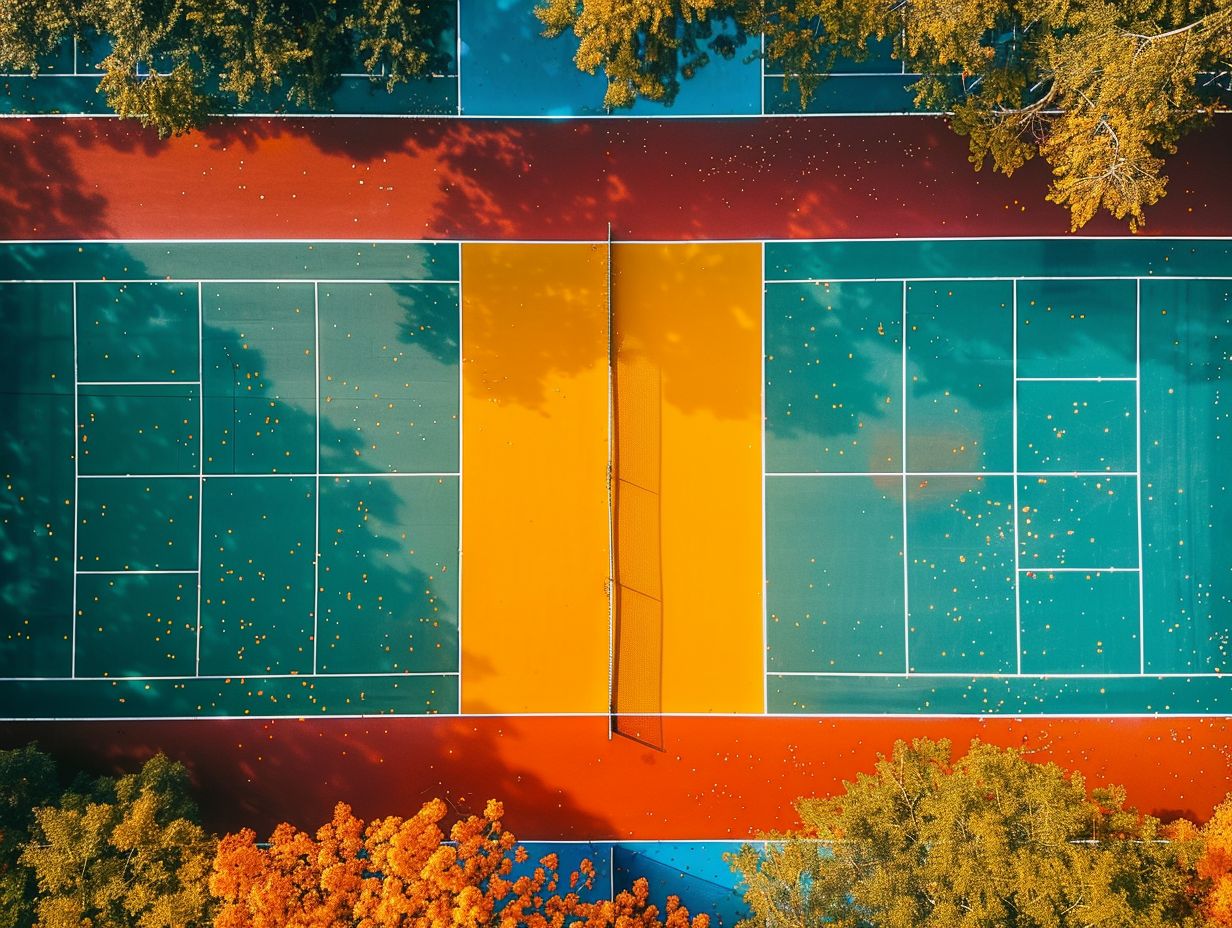
Some other popular colors used for pickleball courts include red, black, and even purple. However, it is important to consider the contrast with the surrounding environments and lighting conditions when choosing these colors.

Why are green and blue considered the best colors for pickleball courts?

Green and blue are the best pickleball court colors because they provide good contrast with the yellow pickleball and make it easier for players to track the ball during gameplay. These colors also tend to blend well with the natural surroundings of outdoor courts.

Do different court surfaces affect the choice of pickleball court colors?

Yes, the color of the court surface can also play a role in determining the best pickleball court colors. For example, if the court surface is already a bright color, a darker court color may be more suitable for contrast and visibility purposes.

Can I choose any color for my pickleball court?

While there are recommended colors for pickleball courts, you are free to choose any color you prefer for your personal court. Just keep in mind the importance of contrast and visibility for gameplay purposes.

Are there any colors that should be avoided for pickleball courts?

Yes, colors that blend in too much with the surroundings or are too bright and distracting should be avoided for pickleball courts. Examples include white, yellow, and orange, which can make it difficult for players to track the ball.

How To Become A Professional Pickleball Player

Curious about the world of professional pickleball? Let’s take you on a journey from being a beginner to becoming a successful pickleball player.

We’ll explore the steps you need to take in developing your skills, entering tournaments, and building a reputation in the pickleball community.

We’ll dive into the importance of training, physical conditioning, mental preparation, and strategy to help you excel in the sport.

Stay tuned for some valuable tips on maintaining a balanced lifestyle and continuing your growth as a professional player.

What is Pickleball?

What is Pickleball?

Pickleball is a paddle sport that’s all the rage these days, mixing up elements from tennis, badminton, and table tennis. You play it on a court with a net, smacking around a plastic ball with little holes in it. And hey, you can play it solo or partner up, so it’s super flexible and keeps things interesting.

What makes pickleball stand out is its smaller court size compared to traditional tennis. That means it’s open to players of all ages and skill levels, no sweat. Plus, the game is all about strategy and finesse, blending power and precision to outsmart your opponents. It’s that perfect combo that hooks both newbies and seasoned players alike.

The best part? Pickleball’s rules are simple and it’s super easy to get into. So, you can dive right in and start having a blast with the game from the get-go.

The Path to Becoming a Professional Pickleball Player

Embarking on the journey to becoming a professional pickleball player requires dedication, hard work, and a strategic approach to skills development and tournament participation. It’s a path that demands commitment and a passion for the sport, along with a focus on continuous improvement.

As you transition from a casual player to a professional athlete, it is vital to dedicate time to training sessions, refining techniques, and enhancing physical conditioning. Engaging in regular practice matches and seeking coaching feedback are instrumental in identifying areas for growth and fine-tuning gameplay strategies. Actively participating in local and regional tournaments provides invaluable experience, exposing you to different playing styles and fostering a competitive mindset. Developing a deep understanding of the game’s nuances and mastering advanced techniques are crucial steps towards achieving success in the professional pickleball circuit.

Starting as a Beginner

As a beginner in the world of pickleball, you need to focus on developing foundational skills like proper grip techniques, paddle control, and basic shot selection. Make sure you dedicate yourself to regular practice sessions to master these fundamental aspects of the game.

Consistent practice routines will not only improve your technical abilities but also help you develop strategic thinking and court awareness. Remember to stay patient with yourself as you progress because mastering pickleball is a journey that takes time and effort. Treat every mistake as an opportunity to learn and grow.

Surround yourself with experienced players who can provide guidance and support along the way. Embrace challenges and setbacks as part of the learning process, and maintain a positive attitude towards continuous improvement.

Developing Skills and Techniques

Building expertise in pickleball involves embarking on a journey of experience where you measure success by hitting your personal goals and milestones. It’s all about continuous learning, fine-tuning your techniques, and keeping a growth mindset to tackle those challenges.

As you navigate your pickleball journey, setting specific goals can be a game-changer in boosting your skills. Breaking down those big objectives into smaller, achievable targets lets you monitor your progress and keep that fire burning.

Every game and practice session is a goldmine of insights that can help you tweak your strategy and technique. Being able to adapt on the fly during a match lets you try out new tactics, sharpen your skills, and stay sharp when facing different opponents and game situations.

Entering Tournaments and Competitions

When you participate in pickleball tournaments, you open yourself up to valuable opportunities for player development. Teamwork and sportsmanship are key players in shaping your competitive spirit and ethical conduct on the court.

Being part of tournaments isn’t just about showcasing your skills; it’s also about learning from others, building camaraderie, and fostering mutual respect.

By going up against different opponents and facing challenging situations, you have the chance to develop resilience and adaptability – qualities that are not only essential in sports but in life, too.

Tournaments emphasize fair play and uphold the principles of sportsmanship, creating a positive environment where you can shine while maintaining integrity and showing respect for your fellow competitors.

Networking and Building a Reputation

Networking and Building a Reputation

Networking within the pickleball community can really help you show off your talent, love for the sport, and dedication to being the best you can be. When you build a positive reputation among your peers and other pros, you’re opening up all kinds of new doors for yourself.

By getting involved with the community, whether that’s through tournaments, hanging out at social events, or chatting online, you’re setting yourself up to make some valuable connections. These connections could lead to sponsorships, coaching gigs, or even cool partnerships for new projects.

Keep up the great work on the court and stick to your strong work ethic. Not only will you improve your skills, but you’ll also show everyone how committed you are to pickleball. That kind of dedication doesn’t go unnoticed – you’ll earn respect and recognition from your fellow players and influencers in the industry.

Building up a solid reputation is the key to long-term success and growth in the ever-evolving world of pickleball.

Training and Practice for Pickleball

In your pickleball journey, effective training and practice routines are your best buddies. They cover all bases, from boosting your fitness levels, agility, and speed to honing specific skills that’ll take your game to the next level. A well-rounded training plan is your ticket to reaching peak performance on the court.

In terms of physical fitness in pickleball, the name of the game is enhancing your overall health and maximizing your on-court potential. It’s all about incorporating exercises that amp up your agility, speed, and strength, giving you the edge in endurance and mobility during those intense matches.

For players like you, drills that focus on footwork, reaction time, and swift movements are golden. These drills help you position yourself like a pro for killer shots and returns. By sticking to consistent practice sessions that target these crucial elements, you’re building up that muscle memory and reflexes. This translates to sharper decision-making and laser precision in your gameplay. Trust me, it’s game-changing stuff.

Physical Conditioning and Endurance

When you’re gearing up for pickleball, don’t forget about the importance of physical conditioning and endurance training. You need those speed drills, agility exercises, and cross-training routines to make sure you’ve got the stamina and resilience to rock the court. It’s all about keeping your peak performance up when you’re in it for the long haul.

By adding speed drills into your routine, you’ll level up your footwork and reaction time, which are key for zipping around the court like a pro. Agility exercises? They’ll boost your coordination, balance, and overall agility, making those quick moves and tough shots a piece of cake.

And don’t sleep on cross-training! Whether you’re hitting the pool, hopping on a bike, or flowing through some yoga poses, mixing up your workouts will target different muscle groups and amp up your fitness game. Diversifying your routine with these activities will enhance your athletic skills and endurance, setting you up for a killer performance on the pickleball court. Time to get that all-around edge!

Improving Technique and Strategy

In terms of enhancing your technique and strategic gameplay in pickleball, it’s all about mastering shot selection, keeping your performance consistent, refining your footwork, and developing tactical strategies that can adapt to different opponents and game situations.

You’ve got to put in the practice and focus on mixing up your shots to not only challenge your opponents but also throw them off their game. Consistency is key when it comes to executing your strokes and movements – it’s like building a rock-solid foundation for your overall performance. And don’t forget about nailing your footwork to efficiently reach the ball and maintain proper court positioning.

Strategic planning is where you anticipate your opponent’s next move and adjust your game plan to stay one step ahead and gain that competitive edge.

Mental Preparation and Focus

In terms of elite pickleball performance, you need to be mentally prepared and focused. It’s all about having a strong mindset, staying resilient under pressure, understanding sports psychology principles, making quick decisions, and reacting fast to seize opportunities during those intense matches.

To keep your mental game strong on the court, having a positive mindset is key. Try using visualization techniques to picture yourself succeeding and boost your confidence. Deep-breathing exercises can also help you manage those nerves and stay cool in high-pressure situations. Don’t forget to stay in the moment and trust all that training you’ve put in during your matches.

Make sure to do regular mental exercises and practice mindfulness to take your mental preparation and overall performance in pickleball to the next level. It’s all about getting your head in the game!

Tips for Success as a Professional Pickleball Player

Tips for Success as a Professional Pickleball Player

To achieve success as a professional pickleball player, you need to find the right balance between your on-court performance, working on self-improvement, and leading a well-rounded lifestyle that takes care of your physical, mental, and emotional well-being.

It’s all about growing continuously and evaluating yourself to make sure you can keep succeeding in this competitive world.

Don’t be scared to reach out to experienced players and coaches for advice and mentorship as you go down this path. Embrace challenges as chances to learn and grow, no matter if you win or lose.

And always remember to take care of your body and mind, making sure to include rest and recovery in your training routine.

Keep yourself on track by setting realistic short-term and long-term goals to stay motivated. Keep a positive attitude and surround yourself with a network of supportive players and mentors to help you grow and excel.

Maintaining a Balanced Lifestyle

To maintain a balanced lifestyle as a pickleball athlete, you need to make mindful choices when it comes to nutrition, hydration, and recovery strategies. Fueling up right, staying hydrated, and practicing effective recovery techniques are key to keeping your performance at its peak and feeling your best both on and off the court.

In terms of nutrition, make sure you’re getting a well-rounded diet packed with lean proteins, complex carbs, healthy fats, and a mix of vitamins and minerals. Including colorful fruits and veggies, whole grains, and lean protein sources can give your body the nutrients it needs for energy and muscle repair.

Don’t forget about hydration! It’s crucial for athletes to keep that fluid balance in check by sipping on water regularly throughout the day and during training sessions.

After a tough match, focus on recovery by doing things like stretching, foam rolling, and getting plenty of rest. These activities help your body repair and adapt, setting you up for even better performance in the long run.

Continuing Education and Growth

In terms of your pickleball journey, it’s all about embracing growth and learning. Start by focusing on injury prevention strategies to keep yourself in top shape. By putting in the effort to understand how to prevent injuries, you’re not just taking care of yourself but also ensuring you can keep enjoying the game for years to come.

Consider getting coaching certifications to up your game. It’s a great way to deepen your knowledge, sharpen your teaching skills, and help out fellow players looking to improve.

And don’t forget about professional leagues! They’re not just about competition – they can also be a fantastic way to connect with other players, industry pros, sponsors, and maybe even discover new career opportunities outside the court. So, get out there, keep growing, and see where pickleball can take you!

Final Thoughts and Recommendations

In the grand scheme of things, you need to nurture both an athlete mindset and a competition mindset to thrive in the cutthroat world of pickleball. Embrace a mentality of always striving to get better, bouncing back from setbacks, and pushing yourself to be the best player you can be.

Keep a positive outlook on growth, and be ready to learn from both your wins and losses. Set goals that are challenging but doable, and make sure you stick to your training and practice routines. Getting advice from seasoned coaches, analyzing your opponents’ strategies, and getting out there in tournaments will give you the experience you need.

Having a strong work ethic, being able to adapt to different game conditions, and having a supportive group of fellow players by your side will give you that competitive edge you need in the thrilling world of pickleball.

Frequently Asked Questions

What skills do I need to become a professional pickleball player?

What skills do I need to become a professional pickleball player?

To become a professional pickleball player, you will need to have exceptional hand-eye coordination, speed, agility, and strategic thinking abilities. You should also have a strong serve, accurate shots, and the ability to anticipate your opponent’s moves.

Do I need to have prior experience in other sports to become a professional pickleball player?

While prior experience in sports such as tennis, badminton, or ping pong can be beneficial, it is not necessary to become a professional pickleball player. Pickleball is a unique sport and many professional players come from diverse sporting backgrounds.

What kind of training should I do to become a professional pickleball player?

To become a professional pickleball player, it is important to focus on developing your overall fitness, including strength, endurance, and flexibility. You should also dedicate time to practicing specific pickleball skills, such as footwork and shot accuracy, and play against opponents of varying skill levels.

Can I make a living as a professional pickleball player?

Yes, it is possible to make a living as a professional pickleball player. The sport is gaining popularity and there are opportunities for prize money, sponsorships, and endorsements. However, it is important to have a backup plan and be financially stable, as professional pickleball is still a relatively new and growing sport.

Do I need to compete in tournaments to become a professional pickleball player?

While competing in tournaments can be a great way to gain experience and exposure, it is not the only path to becoming a professional pickleball player. You can also focus on improving your skills and networking with other players and coaches to get noticed.

What mindset do I need to have to become a professional pickleball player?

To become a professional pickleball player, you need to have a competitive mindset and be willing to put in the hard work and dedication required. You should also be open to learning and continuously striving to improve your skills. Mental toughness and the ability to handle pressure and setbacks is also important in this sport.

How To Choose Pickleball Paddles

Are you new to the world of Pickleball and feeling overwhelmed by the variety of paddle options available? Don’t worry, we’ve got you covered.

In this article, we’ll break down the different types of Pickleball paddles, discuss key factors you should consider when choosing the right one for you, and share some helpful tips to make the selection process a breeze.

Plus, we’ll also throw in some expert advice on how to take care of your paddle so it lasts for many games to come. So, grab your paddle and let’s dive in!

What is Pickleball?

Types of Pickleball Paddles

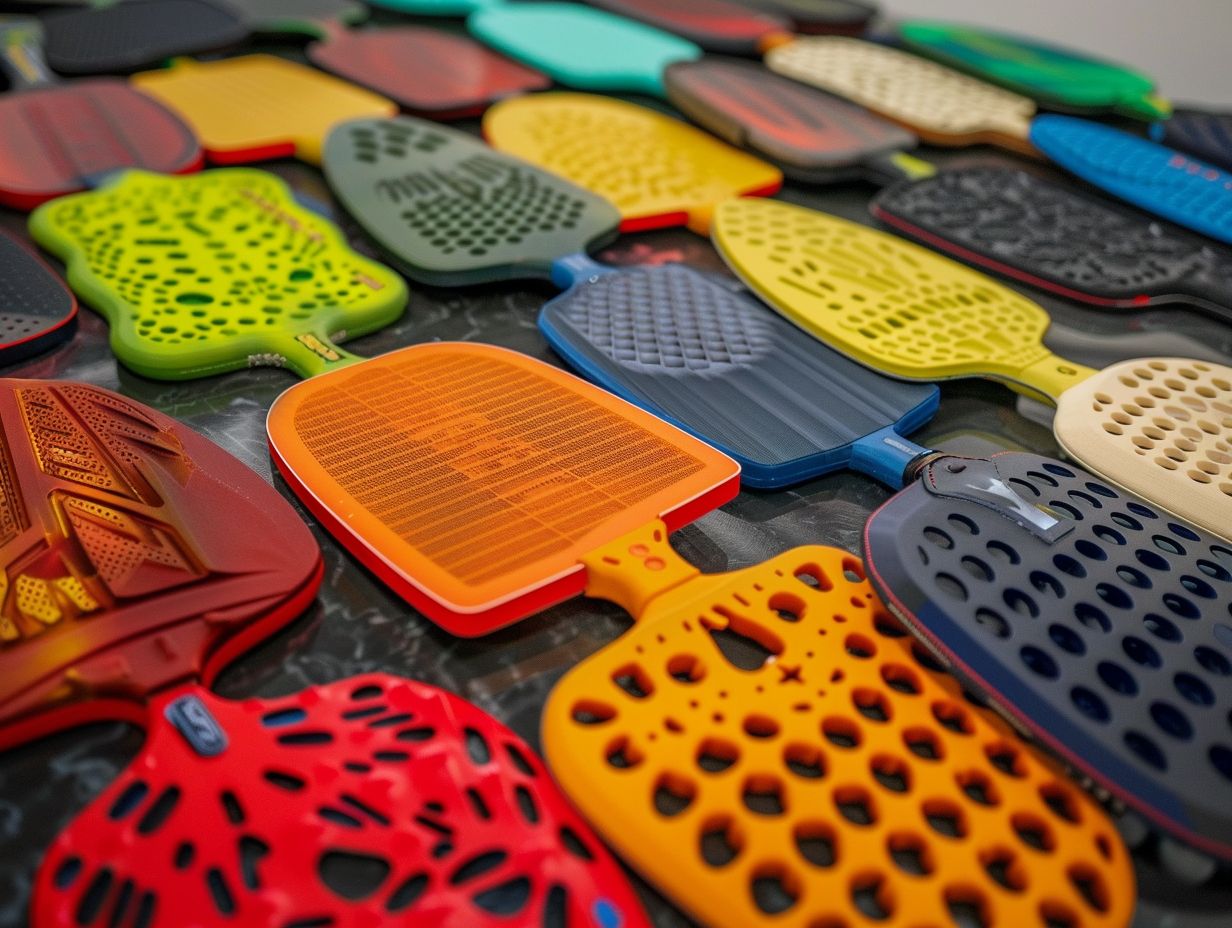
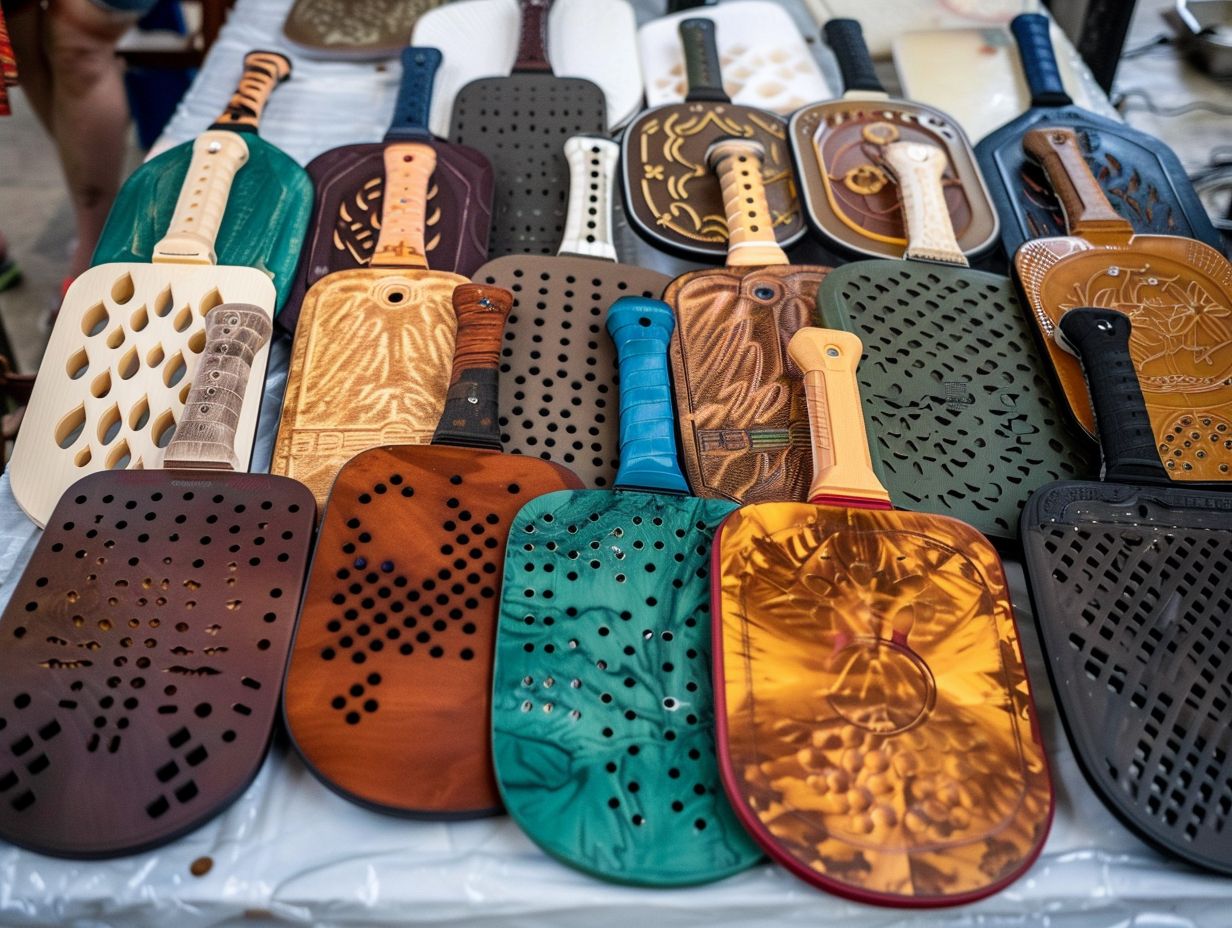
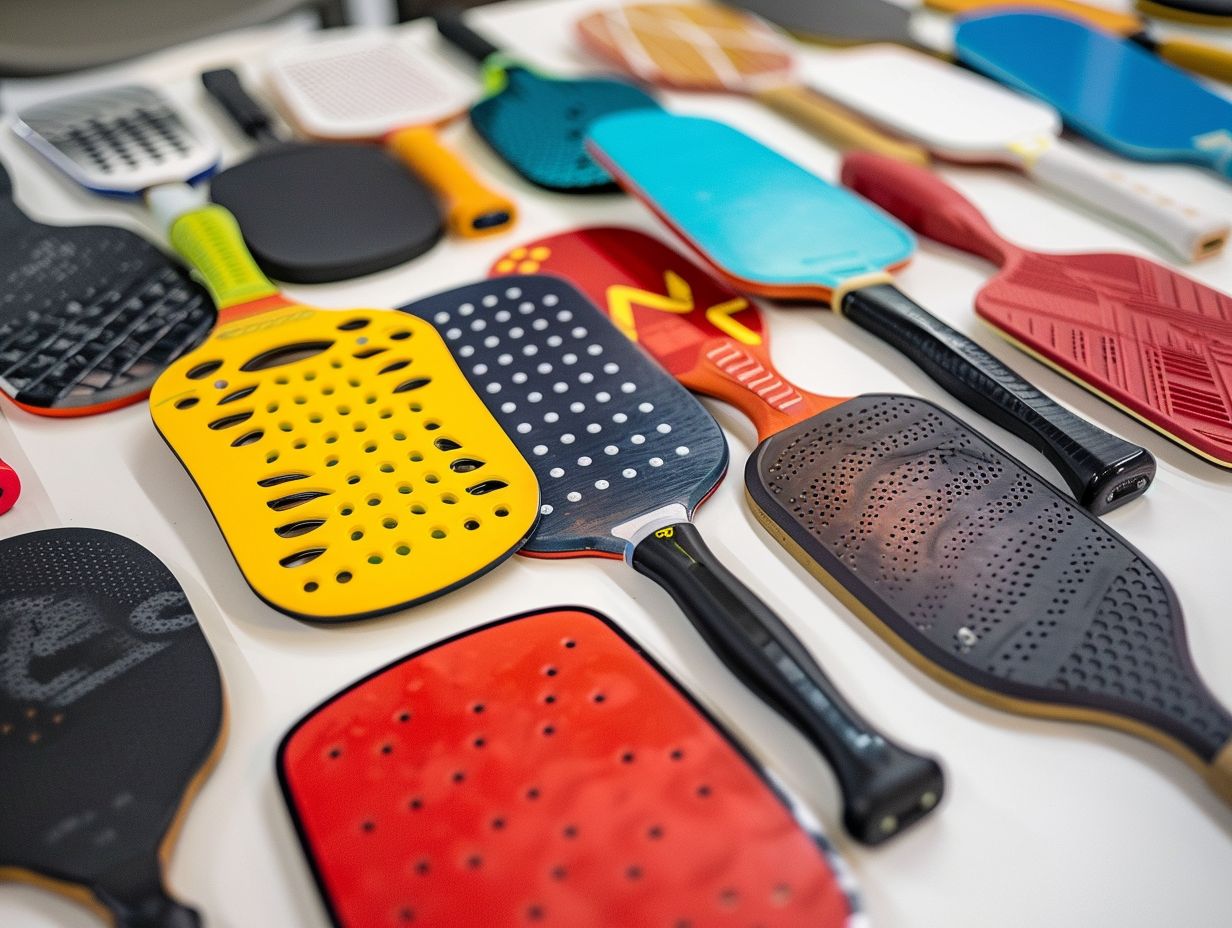
Regarding pickleball paddles, you have the freedom to choose from different types, each with its own set of cool features and benefits. The main types you’ll come across are wooden paddles, composite paddles, and polymer core paddles.

If you go for wooden paddles, get ready for that classic vibe and sturdy build that’ll give you killer control over your shots. But if you’re eyeing those composite paddles, you’re looking at a sweet combo of materials like fiberglass and graphite, offering up a nice mix of power and control. And don’t forget about the polymer core paddles, loved for their lightweight feel and wicked spin capabilities.

When you’re in the market for a new paddle, think about stuff like weight, grip size, and material to match your playing style and what you like. Just remember, the paddle you choose can totally amp up your game on the pickleball court!

Wooden Paddles

If you’re new to pickleball, wooden paddles could be right up your alley. They’re affordable and tough, making them a top choice for beginners. Sure, they might not have all the fancy features of composite or polymer paddles, but they’re a solid way to dip your toes into the sport.

With their lighter weight and bigger sweet spot, wooden paddles are a breeze to handle, especially for newcomers like you. They’re forgiving, helping you nail down your technique and get that form just right. Plus, they’re perfect for practicing all sorts of shots and honing your skills without breaking the bank. When you’re just starting out in pickleball, picking the perfect paddle is key, and wooden paddles give you a wallet-friendly option to kick off your pickleball journey.

Composite Paddles

If you’re an intermediate player looking for that perfect blend of power and control on the pickleball court, composite paddles might be just what you need. These paddles are all the rage thanks to their cutting-edge materials and innovative designs that take your game to the next level.

The best part about composite paddles? They’re super responsive, allowing you to react swiftly to the ball and tweak your shots with ease. Perfect for those intermediate players looking to up their game and fine-tune their skills. These paddles are all about maneuverability, helping you nail those precise shots and take control of the game like a pro.

Plus, the advanced tech packed into composite paddles has totally transformed the sport. Not only do they boost your performance, but they also offer up durability and consistency on the court. It’s a game-changer for players looking to dominate the pickleball scene.

Polymer Core Paddles

If you’re an advanced pickleball player looking to up your game, polymer core paddles are your best bet. These paddles are all about delivering top-notch performance and precision on the court. With a unique mix of stiffness, accuracy, and versatility, these paddles have got you covered.

The solid feel and excellent control of polymer core construction will have you nailing those powerful shots with pinpoint accuracy. Not to mention, the sweet spot on these paddles is perfectly positioned for effortless hits that always land where you want them to.

Regarding spin and control, the surface texture of polymer core paddles strikes a perfect balance. You’ll feel unstoppable on the court, confidently dominating every game. Plus, with customization options for grip size, weight, and shape, you can fine-tune your paddle to match your playing style and preferences perfectly.

Factors to Consider When Choosing a Pickleball Paddle

Factors to Consider When Choosing a Pickleball Paddle

When selecting your pickleball paddle, you need to take into account various factors like weight, balance, materials, durability, grip size, and comfort. Each of these factors will have a significant impact on your playing style and performance when you’re out on the court.

Weight and balance are crucial considerations when picking out a pickleball paddle. They directly affect your swing speed, power, and how easily you can move around during the game. The weight of the paddle can impact your control – heavier paddles pack more punch but might slow down your reaction time. On the flip side, lighter paddles allow for quicker responses but might sacrifice power. Finding the right balance between these factors is key to customizing your gear to match your playing style and technique.

Weight and Balance

Regarding pickleball paddles, the weight and balance play a crucial role in your gameplay. Opting for a lighter paddle gives you better maneuverability, while a well-balanced weight distribution means you’ll have more control and power when taking your shots.

Consider how the weight of the paddle affects your swing speed and the power you generate with each shot. The balance in your paddle can also make a difference in how much strain your arm muscles feel, leading to smoother and more controlled movements on the court. It’s all about finding that sweet spot to boost your performance and make your pickleball experience even better.

Materials and Durability

When you’re picking out a pickleball paddle, the materials you choose play a big role in how long it lasts and how well it performs. If you’re in it for the long haul, you’ll want to go for composite or graphite paddles – they’re like the workhorses of the pickleball world.

These materials give you the best of both worlds: strength and lightness. That means you can move around the court with ease and pack a punch in your shots. Composite paddles usually mix materials like fiberglass and polymer to create a tough yet flexible surface that gives you better control over your shots. On the flip side, graphite paddles are all about that killer strength-to-weight ratio. With these bad boys, you can nail those precise shots without breaking a sweat. Plus, thanks to their durability, these paddles can take a beating and still perform like champs, so you’ll get more bang for your buck in the long run.

Grip Size and Comfort

When you’re out on the pickleball court, making sure you’ve got the right grip size and comfortable gear is key to a top-notch playing experience. Look for a paddle that’s got a cushy grip and built-in vibration dampening to keep strain at bay and boost your control.

The size of your paddle’s grip can totally change up your game and how you perform on the court. A padded grip not only keeps you cozy during those marathon matches but also helps fight off hand fatigue. Plus, vibration dampening tech in your paddle works to soak up shock and vibrations from ball hits, giving you a smoother, more responsive feel. By focusing on grip size and comfort, you can cut down on the chances of wrist or elbow injuries and make your pickleball playtime way more fun and effective.

Tips for Choosing the Right Pickleball Paddle

When you’re on the hunt for the perfect pickleball paddle, it’s all about trial and error to find the one that really clicks with your playing style. Don’t be afraid to ask the pros for some tips and dive into reviews for some solid recommendations.

Give different paddles a go to really understand how each one’s design impacts your game. Chatting with seasoned players or coaches can give you that personalized advice tailored to your strengths and weaknesses, helping you make a smart choice.

And don’t forget about those expert reviews! They’ll break down all the paddle details – from features to materials to performance – so you can match it up perfectly with your preferences and playing needs.

Trial and Error

Trial and Error

When you’re diving into the world of pickleball, it’s all about finding that perfect paddle that vibes with your game. By experimenting with different paddles, you can dial in the one that feels just right for your playing style. Customization options are your best friend here, letting you tweak your gear to match your preferences.

Whether you’re all about control or you’re chasing that powerful shot, testing out various paddles is the way to go. Some players swear by a lighter paddle for zipping around the court, while others prefer the solid feel of a heavier one. Knowing your own moves and what you like is key to snagging the ideal paddle that plays to your strengths and amps up your game.

Seeking Expert Advice

When selecting a paddle, you want to gather insights from experts in the pickleball community and read reviews to make an informed decision. By comparing different paddle models and seeking advice from experienced players, you can gain valuable perspectives.

The experts in the pickleball community have a wealth of knowledge and experience that can guide you in understanding the key features to consider in a paddle. Their expertise can help you grasp the nuances that make a paddle suitable for your playing style.

Reading reviews offers real-life feedback from users who have tested the paddles in various settings. This feedback provides insights on performance, durability, and overall satisfaction. By conducting thorough comparisons of different paddles, you can weigh the pros and cons and make a well-informed choice that aligns with your preferences and playing needs.

Caring for Your Pickleball Paddle

Proper maintenance and storage are crucial for extending the lifespan of your pickleball paddle. Knowing when it’s time to swap out your paddle because of wear and tear can really make a difference in how you perform on the court.

You’ve got to keep up with regular maintenance tasks, like giving your paddle a good clean after every game to get rid of all the dirt and grime. This not only keeps your paddle looking fresh but also prevents damage and ensures you’re playing at your best. When you’re not using it, make sure to store your paddle in a protective case or cover. This shields it from accidental knocks and exposure to extreme temperatures that could weaken the materials over time. By keeping an eye on your paddle for any signs of wear, like cracks, chips, or a drop in performance, you can spot issues early and decide if it’s time to replace it.

Proper Maintenance and Storage

To keep your pickleball paddle in top shape, you’ll want to make sure you’re giving it some regular TLC. Start by cleaning the surface and giving it a once-over for any damage. Storing it in a protective case can also help shield it from any bumps or weather-related wear and tear.

Make a habit of cleaning your pickleball paddle with a damp cloth and gentle soap to get rid of any dirt, sweat, or grime that builds up after playing. Stay away from harsh chemicals or rough materials that could scratch or harm the paddle’s surface.

When it’s time to put your paddle away, find a cool, dry spot that’s out of direct sunlight and humidity. This will help prevent any warping or damage to the paddle caused by extreme temperatures or moisture. Taking these simple steps will help keep your pickleball paddle in top condition for the long haul.

Replacing Your Paddle

When your pickleball paddle starts looking worse for wear or has some damage messing with your game, it might be time to think about getting a new one. Getting a new paddle that’s durable and meets your performance needs can really level up your playing experience.

If your paddle is on its last legs, it can mess with your shots and control on the court, making it harder to pull off plays like a pro. Catching these signs early and picking a replacement that suits your style can help you avoid game-time hiccups and boost your performance overall. Switching to a new paddle that matches your skills and preferences can also make your time on the court more fun and satisfying, letting you bring out your A-game in pickleball.

Frequently Asked Questions

Frequently Asked Questions

What factors should I consider when choosing pickleball paddles?

When choosing pickleball paddles, you should consider the weight, grip size, material, shape, and price.

How do I determine the right weight for my pickleball paddles?

The weight of a pickleball paddle typically ranges from 6 to 14 ounces. The ideal weight for you will depend on your level of strength and skill. It is recommended to try different weight options to find the one that feels most comfortable and allows you to maintain control and power during gameplay.

What is the right grip size for pickleball paddles?

The grip size of a pickleball paddle refers to the circumference of the handle. It is important to choose a grip size that feels comfortable and allows you to maintain a secure hold on the paddle. A general rule is to measure the distance from the middle crease of your palm to the tip of your ring finger. This measurement can help determine the appropriate grip size for you.

What are the common materials used for pickleball paddles?

The most common materials used for pickleball paddles are wood, composite, and graphite. Wood paddles are typically the most affordable and durable, while composite and graphite paddles offer more power, control, and spin. Consider your playing style and budget when deciding on the material for your pickleball paddle.

What is the difference between a paddle with a wide body and a narrow body?

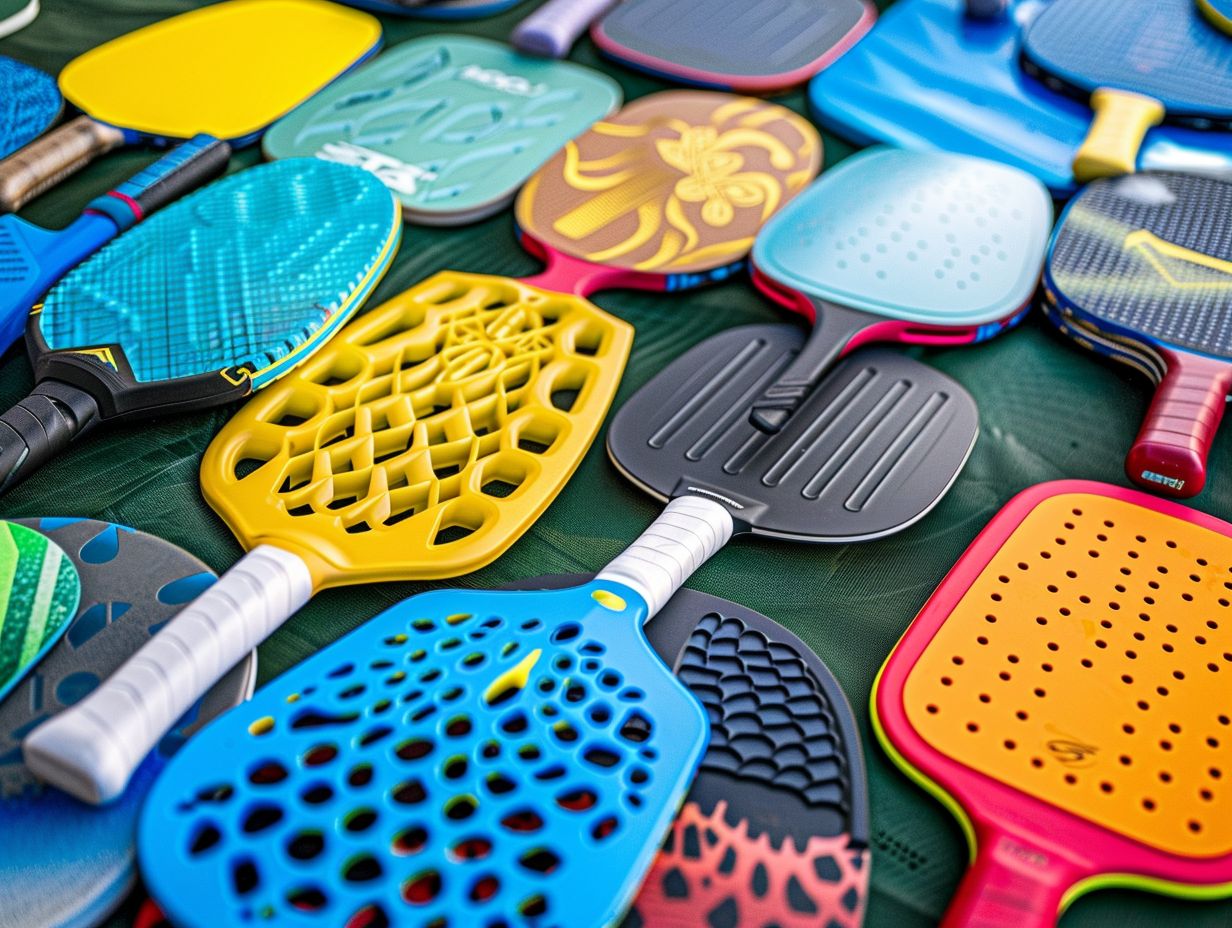
Pickleball paddles come in a variety of shapes, including wide body and narrow body. A wide body paddle has a larger surface area, providing more power and surface area for hitting the ball. A narrow body paddle, on the other hand, offers more control and maneuverability. Consider your playing style when choosing between a wide body and narrow body paddle.
How much should I spend on a pickleball paddle?

The price of pickleball paddles can range from $20 to over $200. It is important to consider your budget and your level of play when deciding how much to spend on a paddle. If you are a beginner, it may be best to start with a more affordable option and upgrade as you improve your skills.

How Much Does It Cost To Paint A Pickleball Court

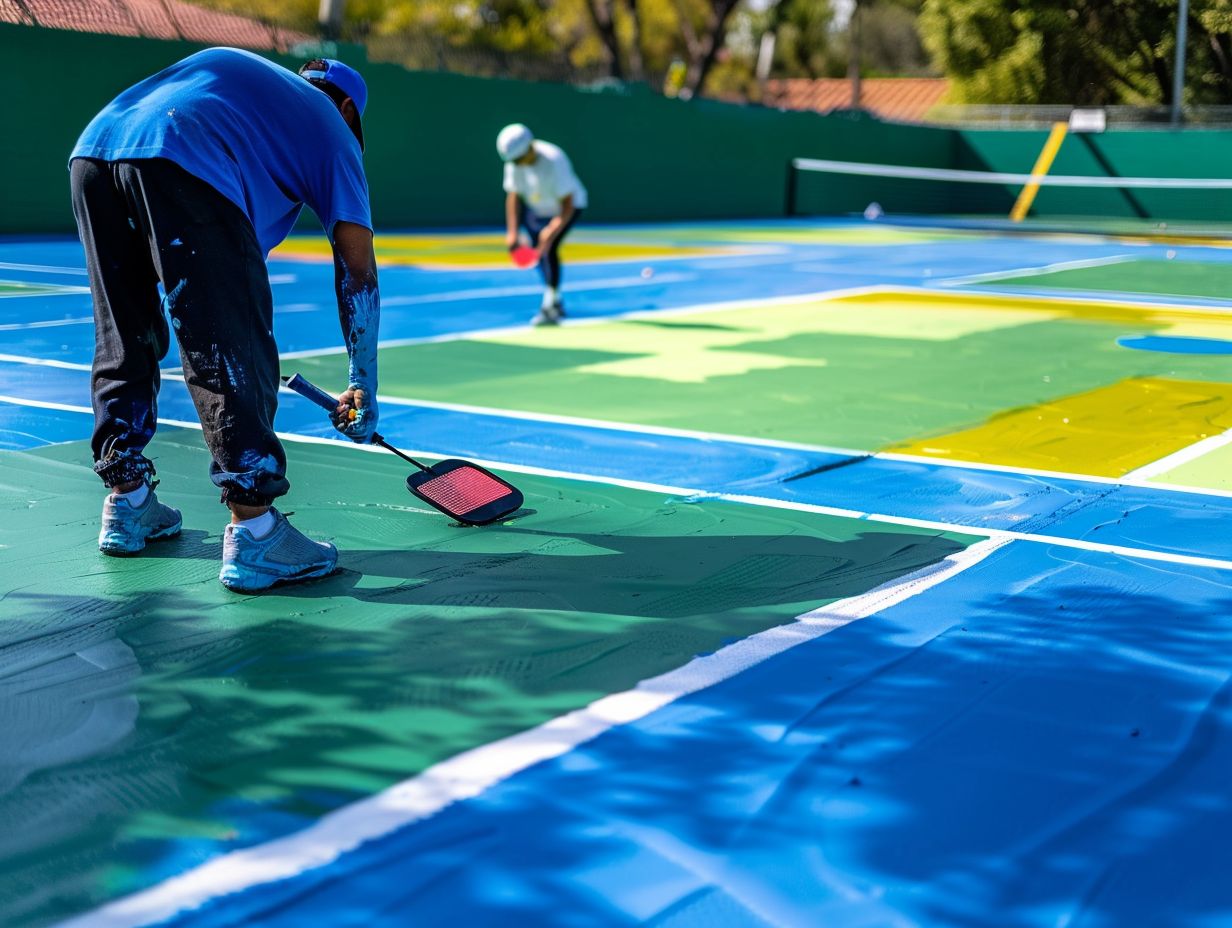
Looking to spruce up your pickleball court with a fresh coat of paint? Let’s dive into the factors that can sway the cost of painting your pickleball court, what materials you’ll need, and how to gauge the cost of those materials.

We’ll also chat about the upsides and downsides of hiring a pro versus rolling up your sleeves and tackling the project solo. Plus, we’ll share some money-saving tips to keep things budget-friendly along the way.

Whether you’re a seasoned DIYer or leaning towards bringing in a pro, we’ve got you covered on all things pickleball court painting.

The Cost of Painting a Pickleball Court

The Cost of Painting a Pickleball Court

When you’re thinking about how much it’ll cost to paint a pickleball court, there are a bunch of things that can sway the final price and estimate for the job.

Materials are a big deal when it comes to painting a pickleball court. The paint made specifically for sports surfaces can be on the pricier side. You’ve also got to factor in the labor costs. Professional painters might charge you by the hour or give you a set rate for the whole shebang. Don’t forget about the prep work, like cleaning and fixing up any damages – that can also change the final cost.

The size of the court is a key player here. Bigger courts mean more paint and more hours of labor, which can bump up the total cost. So, if you’re looking to keep things wallet-friendly, it’s important to get a grip on these cost elements before diving into your pickleball court painting project.

Factors that Affect the Cost

When you’re looking to paint a pickleball court, the cost can vary based on a few important factors that affect pricing. Things like the size and dimensions of the court and the type of surface preparation needed for resurfacing all come into play.

To estimate how much painting a pickleball court will set you back, you’ve got to think about factors like the quality of materials you’ll need, labor costs, and whether you’ll bring in the pros to do the job. Hiring professional painters can make a big difference in getting the job done right and fast, which can impact the final price tag. The size and dimensions of the court also matter a lot because they determine how much paint and materials you’ll need, ultimately affecting the total cost. By understanding these factors, you can get accurate estimates and make smart choices when planning out your pickleball court painting project.

Materials Needed for Painting a Pickleball Court

When painting a pickleball court, you want to make sure you pick the right materials to create a surface that’s both tough and easy on the eyes. Think about using acrylic paints with their durability and range of vibrant colors. And speaking of colors, choose ones that not only look good but also offer good visibility for players and blend in nicely with the surroundings.

Don’t forget about the line painting tools like stencils and tapes – they’re key for making sure your court markings are spot-on, setting clear boundaries and sections. Using seal coating products can help shield your court from the elements and keep it in top shape for longer.

And hey, regular maintenance is a must! Keep your court clean and do touch-ups as needed to maintain its appearance and functionality. It’s all about keeping that pickleball court looking sharp and ready for action.

Types of Paint and Other Supplies

When you’re tackling the task of painting a pickleball court, picking the right paint and supplies is key to nailing that pro look and making sure the surface can stand the test of time.

You’ve got a variety of paint options to choose from for your pickleball court project, each with its own perks. Acrylic paint is a go-to for its durability and fast drying, while latex paint offers great coverage and color retention. If you’re looking for something super tough, epoxy paint is the way to go. It can handle some serious action on the court.

And let’s talk colors! From classic green to bold blues, reds, and even custom designs, the options are endless. Don’t forget your line painting tools like court striping tapes and stencils to get those boundary lines looking sharp. And to keep your court looking fresh, seal coating supplies will protect it from UV damage and wear. You’ll also want to have some court cleaners and repair kits on hand for maintenance to keep your court in top shape for years to come.

Estimating the Cost of Materials

Estimating the Cost of Materials

When estimating the cost of materials for painting your pickleball court, you need to crunch some numbers. Calculate the quantities needed based on the court’s square footage, pay attention to the measurements for a precise job, and don’t forget about the cleanup supplies for that final touch.

To kick things off with the cost estimation, figure out the total square footage of the pickleball court that requires painting. Measure the length and width of the court to get the area just right.

Next up, chat with your go-to paint supplier or hardware store to get the scoop on the pricing for the specific paint recommended for outdoor courts. Think about the number of coats you’ll need for good coverage and durability.

Oh, and don’t overlook the costs of brushes, rollers, painter’s tape, and any other tools you’ll need for the painting job.

Oh, and one last thing – make sure to budget for those cleanup supplies like paint thinner, drop cloths, and brush cleaner. You want that final finish to be squeaky clean and totally pro.

Calculating the Amount of Paint Needed

When determining the exact amount of paint needed for your pickleball court, you’ll need to get down to some precise calculations. Start by measuring the length and width of the playing area in feet to figure out the square footage. Typically, a gallon of paint can cover about 250-300 square feet, but keep in mind this can vary depending on the type of paint and the surface texture.

You might also want to factor in things like applying multiple coats for extra durability and marking lines for the court boundaries. And don’t forget about the cost breakdowns – consider paint prices, any additional supplies you might need, and labor costs if you’re thinking about hiring pros.

Oh, and when it comes to cleanup, make sure you’re storing your paint materials properly, disposing of used supplies correctly, and keeping your work area clean and safe.

Hiring a Professional vs. DIY

When deciding whether to hire a professional or tackle painting a pickleball court yourself, you need to consider a few things. Think about the costs involved, whether you have the right tools, and weigh the benefits of professional know-how versus your own elbow grease.

If you decide to bring in a pro for the pickleball court painting job, you can expect a top-notch finish without breaking a sweat. But be prepared to pay a bit more for that expert touch compared to doing it yourself. Professionals come equipped with skills, experience, and all the right tools for the job, leaving you with a court that looks like it’s straight out of a magazine. On the flip side, going the DIY route can be budget-friendly, letting you add your personal flair to the project and work at your own pace.

If you do choose the DIY path, remember that attention to detail, proper prep work, and a good chunk of your time are essential for getting those satisfying results.

Pros and Cons of Each Option

When you’re deciding whether to hire a professional or tackle painting a pickleball court yourself, it’s all about weighing the pros and cons. DIY might save you some cash, especially if you’ve got the tools already. But, pros bring expertise and convenience, plus they can get the job done faster and give you accurate quotes.

The cost is a big deal when you’re making this choice. DIY can be easier on the wallet, but pros have the skills and tools to make sure the job looks top-notch. And let’s not forget reliability – pros work on contracts and timelines, so you know the project will get done on time. DIY projects, on the other hand, might hit some roadblocks if you’re not experienced or if unexpected issues pop up.

Cost of Hiring a Professional

Cost of Hiring a Professional

When you’re looking into hiring a pro to paint your pickleball court, there are a bunch of things to think about. First off, you’ve got the pricing to consider, along with how experienced the contractor is, what kind of warranty they offer, the different acrylic surfacing options, and the range of colors you can choose from to jazz up your court.

Now, when it comes to figuring out the cost of hiring a professional for painting your pickleball court, one big factor is the size of the court. The bigger the court, the more materials and labor it’s gonna need, which can really affect the overall price tag. And don’t forget about the prep work – like getting the surface all cleaned up and fixed before painting – that can definitely play a part in the cost.

Sure, you might have to shell out more for an experienced contractor, but their know-how can mean a top-notch job. And check out those warranty policies – they can vary, so make sure you know what’s covered. Plus, the different acrylic surfacing options aren’t just about looks – they can also affect how long your court lasts and how well it performs, which can impact the cost in the long run.

And hey, picking out the colors isn’t just about making your court look cool. It can also affect how much upkeep your court needs and how visible it is, so it’s a pretty important thing to think about as you plan out your project.

Factors that Affect the Cost

When you’re looking to hire a professional to paint a pickleball court, there are a few key factors that can sway the cost. Things like pricing considerations, the experience level of the contractor, warranty options, your preference for acrylic surfacing, and the range of colors available for customization all come into play.

The price you’ll pay depends on factors like the court’s size, how intricate the design is, and the quality of materials being used. The contractor’s experience isn’t just about the cost but also about ensuring you get a top-notch finish.

Warranty details are super important because they give you peace of mind and protect your investment. Your choice of acrylic surfacing can impact both how the court looks and how long it lasts.

And don’t forget about the color options! Picking the right colors can really spruce up the court and make it feel like your own.

Tips for Saving Money on Painting a Pickleball Court

If you’re looking to cut costs on painting a pickleball court, there are a few tricks you can try out. First off, check out affordable options, take advantage of seasonal discounts from contractors, and ask for recommendations on cost-effective solutions that still meet quality standards.

One smart move is to go for non-brand name paint and supplies – they can work just as well as the pricier stuff. You can also save some cash by buying materials in bulk or shopping during off-peak seasons when prices tend to be lower. Thinking about doing some of the prep work yourself before painting? That’s a good way to keep labor costs down. By combining these strategies, you’ll be able to get a slick-looking pickleball court without going broke.

DIY Tips and Tricks

If you’re thinking about tackling a DIY project to paint your pickleball court, make sure you have all the tools you need. You’ll want quality paint brushes, masking tape, a pressure washer for prepping the surface, and markers for outlining the court lines.

Start off by creating a realistic project timeline. Set clear milestones to help you stay on course from the beginning to the end. Having specific start and completion dates will keep you motivated and accountable throughout the project.

And hey, don’t forget that it’s totally okay to ask for professional advice if you hit any roadblocks. Whether you’re dealing with tricky surface imperfections or complex line markings, getting some expert help can ensure that your pickleball court ends up looking polished and professional.

Frequently Asked Questions

Frequently Asked Questions

How much does it cost to paint a pickleball court?

The cost of painting a pickleball court can vary depending on several factors, such as the size of the court, the materials used, and the location. On average, it can cost anywhere from $500 to $2000.

What factors can affect the cost of painting a pickleball court?

The main factors that can affect the cost of painting a pickleball court include the size of the court, the materials used, and the location. Other factors such as labor costs and additional services may also impact the overall cost.

How does the size of the court affect the cost of painting?

Generally, the larger the court, the higher the cost of painting will be. This is because more materials and labor are required to cover a larger surface area. However, some painting companies may offer discounts for larger courts.

What materials are typically used to paint a pickleball court?

The most common materials used to paint a pickleball court include acrylic paint, sealant, and primer. These materials are durable and designed to withstand the wear and tear of pickleball gameplay.

Are there any additional costs associated with painting a pickleball court?

Depending on the condition of the court, there may be additional costs for repairs or cleaning before the painting process can begin. Some painting companies may also offer optional services such as line striping and surface repairs for an additional cost.

Can I save money by painting the pickleball court myself?

While it may seem like a cost-effective option, it is not recommended to paint a pickleball court yourself unless you have experience and proper equipment. Improper painting techniques can result in a poor-quality finish and potentially costly repairs in the future.

How Did Pickleball Get Its Name

You might be interested to know that pickleball, a paddle sport that mixes tennis, badminton, and ping-pong, has quite the origin tale dating back to the mid-1960s.

Let’s dig into how this quirky game was created and how it’s changed over time. We’ll also uncover the cool story behind why it’s called “pickleball” and how it’s become more and more popular since it first started.

Come along with us as we explore the history, current status, and future of pickleball.

The Origins of Pickleball

The Origins of Pickleball

The Origins of Pickleball can be traced back to the mid-1960s when Joel Pritchard, Bill Bell, and Barney McCallum, three fathers on Bainbridge Island, Washington, invented the game as a combination of badminton, tennis, and table tennis.

You might find it interesting that this unique mix of sports elements led to the creation of a new, exciting game that quickly gained popularity among their friends and families. With a lowered badminton net, modified paddles, and a plastic ball, the trio developed the game to be accessible and enjoyable for players of all ages and skill levels. The simplicity of the rules and the fast-paced, energetic nature of pickleball made it a hit, eventually spreading beyond the boundaries of Bainbridge Island to become a well-loved sport worldwide.

How the Game was Invented

When you think about it, Pickleball has a pretty quirky origin story. It all started when some parents got tired of their kids moping around on a boring summer day. They decided to mix things up by creating a new game using bits and bobs from badminton, tennis, and table tennis.

Picture this: Joel Pritchard, Barney McCallum, and Bill Bell are hanging out in their backyard in Bainbridge Island, Washington back in 1965. They grabbed a badminton net, ping pong paddles, and a plastic ball with holes in it, and boom – a mini tennis court was born. This mishmash of sports gear gave birth to a game that’s part tennis strategy, part badminton finesse, and part table tennis reflexes. At first, they called it ‘Paddle Rackets,’ but then they switched it up to ‘Pickleball’ as a nod to their dog, Pickles, who had a thing for chasing stray balls.

Early Years of Pickleball

In the early years of Pickleball, you’d see the game going through some serious glow-ups. They were refining everything – rules, equipment like paddles and balls, court dimensions, and even gameplay techniques, all to make sure that playing was top-notch.

During that time, big changes were happening in the game. They were bringing in standardized court sizes and net heights to keep things consistent. And as more people got into Pickleball, players started tinkering with different paddle materials to get that sweet spot between power and control. Strategies were changing too, focusing on court positioning, nailing shot placement, and working together as a team. These shifts laid down the groundwork for a more structured and competitive side to Pickleball, paving the way for its big breakout and all the changes that were still to come.

Development and Evolution

In the Early Years of Pickleball, you saw the game transform from a backyard hobby to a proper sport with rules, court sizes, and specialized gear to keep all the players happy.

One big change at that time was setting standard court dimensions, making sure everyone played by the same rules. And let’s not forget about the non-volley zone, or the kitchen, which brought a whole new level of strategy to the game. Plus, with better paddles and special pickleball balls, the equipment got a big upgrade, making the sport even more popular with fans. These milestones from pickleball’s early days set the stage for its future success, turning it into a competitive and exciting sport loved by many.

The Naming of Pickleball

The Naming of Pickleball

In terms of the Naming of Pickleball, you’re in for a whimsical tale! Some folks say it all goes back to the Pritchard family dog, ‘Pickles,’ while others bet on the ‘pickle boat‘ term from crew racing.

Even though the name’s origins are a bit fuzzy, these two popular theories sure keep pickleball fans intrigued. The ‘Pickles’ theory is all about the Pritchard family pooch, supposedly a ball-chasing enthusiast that inspired the name ‘pickleball.’ On the flip side, the ‘pickle boat’ theory links the game’s makeshift gear to the art of ‘pickling,’ where you mix different wood pieces to craft a unique oar, kind of like the diverse elements that come together in pickleball equipment.

The Story Behind the Name

The fascinating tale of how Pickleball got its name revolves around multiple theories that have surfaced over the years, connecting it to the Pritchard family’s pet dog ‘Pickles’ and the term ‘pickle boat’ from rowing, giving the game a unique touch.

You might have heard enthusiasts claiming that the sport was named after the ‘pickle boat’ crew, representing a boat made up of leftover oarsmen. Others suggest that ‘pickle’ pays tribute to the blend of sports like tennis, badminton, and ping pong in the game, possibly inspiring the quirky name.

The mystery surrounding Pickleball’s name has turned it into a topic of curiosity and discussion among players and fans, adding to the game’s rich lore and history.

Spread of Pickleball

As you dive into the world of Pickleball, you’ll see how its popularity has exploded, bringing together a lively community of players, fans, and serious competitors who jump into local and national tournaments, even big ones like the USAPA Nationals.

This surge in interest is all thanks to how easy Pickleball is to pick up, making it a game for everyone, no matter their age or skill level. The camaraderie and fun competition among players have led to pickleball clubs and leagues popping up all over the country, strengthening the sport’s community spirit. Big tournaments like the US Open Pickleball Championships and the Tournament of Champions attract top-notch players from across the globe, showing off the serious skills and passion that drive the competitive side of pickleball.

Popularity and Growth of the Game

The phenomenal popularity and exponential growth of Pickleball have transformed the sport into a global sensation, attracting a diverse community of players and fostering a competitive environment marked by prestigious tournaments like the USAPA Nationals.

If you’ve noticed the surge in interest, it’s all because of pickleball’s inclusive nature. This sport draws players of all ages and skill levels to participate in engaging matches. The sense of camaraderie and friendly competition within the pickleball community has been a driving force behind its widespread appeal. Hosting major tournaments like the US Open Pickleball Championships has brought even more attention to the sport. These events showcase top-tier talent and fuel the competitive spirit among players globally.

Pickleball Today

Pickleball Today

At the intersection of skillful gameplay, strategic mastery, and sheer enjoyment stands Pickleball Today. Here, you and fellow players showcase your techniques, execute tactical strategies, and engage in spirited rallies to score points, embodying the fun and competitive spirit of the sport.

The contemporary pickleball scene gets an extra boost from organizations like the USAPA, which actively promote the game’s growth and development through tournaments, clinics, and community initiatives. On top of that, the esteemed Pickleball Hall of Fame recognizes outstanding players and contributors who’ve left a lasting mark on the sport. This acknowledgment acts as proof of the evolving skillsets and achievements within the pickleball community, motivating players of all levels to aim for greatness and revel in the camaraderie that defines this lively and rapidly expanding sport.

Current State and Future of the Sport

When you look at the Current State and Future Outlook of Pickleball, you see a community that’s all about growth and innovation. Players, coaches, and fans are coming together to refine strategies, improve techniques, and introduce exciting new elements to the game, making sure that pickleball stays dynamic and engaging for enthusiasts everywhere.

Embracing technology is key to the sport’s evolution. With innovations like vibration-dampening paddles and smart court sensors for instant performance feedback, pickleball is on the brink of a new era focused on precision and data-driven gameplay. Imagine integrating virtual reality training simulations and AI-powered coaching tools – these advancements could completely change how players develop their skills and plan their strategies, making pickleball more inclusive and competitive for everyone.

And let’s not forget about the sport’s growing popularity across different age groups and countries. With this kind of global reach, there’s even talk of pickleball becoming an Olympic sport, solidifying its reputation as a respected and celebrated athletic pursuit. This is just the beginning for pickleball.

Frequently Asked Questions

What is the history behind pickleball’s name?

Pickleball got its name from the family dog of its inventors, who was named Pickles. They would play the game in their backyard and Pickles would often chase after the stray balls, giving the game its unique name.

Was the game originally called pickleball?

Was the game originally called pickleball?

No, the game was initially named “Pickle’s Ball” after the dog who inspired its name. However, over time the name was shortened to pickleball.

Who invented pickleball?

Pickleball was invented in 1965 by Joel Pritchard, Bill Bell, and Barney McCallum in Washington state. They wanted to create a game that the whole family could play and that would be less strenuous than traditional sports.

Were other names considered for the game?

Yes, the game was almost named “Paddle Ball” or “The Pickleball Game” before it settled on its current name. The inventors also briefly considered naming it after a street in Bainbridge Island, where they first played the game.

Did the name “pickleball” have any specific meaning?

No, the name was simply chosen because the inventors thought it was catchy and unique. However, some people believe that the word “pickle” in the game’s name is a nod to the word’s meaning as a confusing or difficult situation, as pickleball is often described as a combination of different sports.

Is pickleball related to any other sport that has a similar name?

Yes, pickleball is often compared to the game of badminton, which is also played with paddles and a small plastic ball. However, pickleball has different rules and a different court size, making it a unique sport in its own right.

What Is Stacking In Pickleball

Curious about stacking in pickleball? This technique can give you a leg up on the competition, helping you cover more of the court and refine your strategy.

You’ll learn how to incorporate stacking into your game and pick up tips and techniques for mastering it. Find out when to use stacking strategically and be aware of any potential drawbacks. Whether you’re just starting out or seeking to elevate your game, this article will give you the lowdown on stacking in pickleball.

Explanation of the Technique

Explanation of the Technique

When you’re playing pickleball, ‘stacking‘ is a smart move you can use in doubles to make sure you and your partner are in the best spots on the court.

This trick is all about switching up who serves and receives to give you a better advantage, especially when one of you has a killer shot or skill. By stacking, you can use your strengths and cover more of the court without wasting energy. It messes with how your opponents see the court, maybe making them mess up or leaving openings. When you stack effectively, you’re not just improving your court coverage, you’re keeping a strong offense and defense going all game long.

Advantages of Stacking

If you start using the stacking technique in pickleball, you’ll notice a bunch of benefits that can really level up your game. You’ll see better teamwork, improved coordination, and rock-solid performance on the court.

Improved Court Coverage and Strategy

One of the key advantages of stacking in pickleball is the improved court coverage it provides you, allowing you to strategically position yourself for both offensive and defensive plays, enhancing your overall technique on the court.

By utilizing the stacking technique, you can effectively control the tempo of the game by constantly adjusting your positioning in relation to your partner. Offensively, this strategic alignment enables you to execute powerful shots from different angles, keeping your opponents on their toes. Defensively, stacking allows for seamless coverage of the court, minimizing gaps that opponents could exploit. This technique fosters better communication and coordination between players, creating a more cohesive gameplay experience.

How to Implement Stacking in Your Game

To master stacking in your pickleball game, you need to:

  1. Communicate clearly with your partner
  2. Work together as a team
  3. Really get the technique down to squeeze out all the benefits on the court

Tips and Techniques for Successful Stacking

Tips and Techniques for Successful Stacking

When you’re aiming for successful stacking in pickleball, you’ve got to really know your stuff. Think about your skill level, nail down your tactical positioning, and be ready to switch up your strategies on the fly.

First things first, take a good look at your skill set. This will help you figure out who should be the stacker and who should be the partner. The stacker needs to own that court and bring some aggressive gameplay, while the partner’s role is to complement those moves.

Tactical positioning is another biggie. You’ve got to know when to shift from defense to offense, keep the right distance, and coordinate your shots. Stay adaptable and be ready to tweak your tactics based on your opponents’ strengths and weaknesses. Oh, and don’t forget to chat it up with your partner to make sure your game plan is on point.

When to Use Stacking

You should know when to use the stacking technique in pickleball – it can completely change the game for you. This strategy can give you a leg up in competitive play and boost your odds of scoring those key points on the court.

Strategic Situations for Stacking

In pickleball, you can really up your game by strategically stacking with your partner. This tactic works wonders in defensive scenarios, during net play, and when you need to smoothly switch positions to keep a solid defensive stance on the court.

When you find yourself on the defensive, using stacking helps you cover more ground efficiently, making it harder for your opponents to find weak spots in your defense. And when you’re up at the net, mastering the stacking technique can build a strong wall at the kitchen line, putting pressure on your opponents and limiting their offensive moves. Plus, seamlessly switching positions with your partner can throw your opponents off their game, messing with their rhythm and setting the stage for some killer strategic plays.

Potential Drawbacks of Stacking

When you’re stacking in pickleball, you’ve got a lot of perks on your side. But, watch out for those tricky teamwork dynamics, positioning hurdles, and making sure your movements are efficient. Keep those in check to level up your game and ace your performance!

Considerations and Alternatives

Considerations and Alternatives

When you’re thinking about stacking in pickleball, it’s important to really weigh the pros and cons. Consider things like the coordination challenges you might face, the need to stay aware of the court dynamics, and how consistent you need to be in your gameplay. And don’t forget to keep an open mind about other strategies that might work better for your style of play.

One thing you should definitely think about when deciding on stacking is how well you and your teammates can work together. Stacking requires everyone to be on the same page, anticipating each other’s moves, and smoothly switching between offense and defense. Court awareness is key too, as you have to adjust to the ever-changing positions and dynamics while making sure you’re in the right spot strategically. And of course, consistency is crucial for stacking to pay off in the long run.

Frequently Asked Questions

What is stacking in pickleball?

Stacking in pickleball is a strategic positioning technique used by doubles teams to gain an advantage over their opponents. It involves one player positioning themselves closer to the net while their partner stays back at the baseline.

How does stacking work in pickleball?

When a team is stacking, the player at the net takes on a more aggressive role, intercepting shots and putting pressure on the opposing team. Meanwhile, the player at the baseline provides coverage and creates a strong defensive stance.

Why is stacking used in pickleball?

Why is stacking used in pickleball?

Stacking is used in pickleball to create confusion and disrupt the opposing team’s rhythm. By having one player at the net and one at the baseline, it forces the other team to constantly adjust their shots and can lead to more unforced errors.

Is stacking allowed in pickleball?

Yes, stacking is an allowed strategy in pickleball. However, it is important for players to communicate and switch positions when necessary in order to avoid any confusion or penalty points.

Can stacking be used in singles pickleball?

No, stacking is a strategy specifically used in doubles pickleball. In singles, players must stay in their designated areas and are not allowed to cross the centerline of the court.

Are there any downsides to stacking in pickleball?

While stacking can be an effective strategy, it also leaves one player vulnerable to angled shots and lobs. It is important for the player at the net to have good reflexes and for both players to communicate effectively in order to avoid any weaknesses in their defense.

Best Pickleball Paddle Weight

If you’re new to the game of pickleball and trying to figure out the ideal paddle weight for your playing style, you’re in the right place. It’s all about understanding how pickleball paddle weight can really amp up your game on the court.

In this article, we’re going to dive into what pickleball paddle weight means, why it’s so important, and the key factors to think about when picking the right weight for you. We’ll also chat about the pros and cons of different paddle weights and offer some advice on how to figure out the best weight for your game.

Whether you’re just starting out or a seasoned pro, keep reading to learn how you can level up your pickleball game with the perfect paddle weight.

Understanding Pickleball Paddle Weight

Understanding Pickleball Paddle Weight

Understanding Pickleball Paddle Weight is crucial for enhancing your gameplay performance. The weight of your pickleball paddle plays a significant role in determining your control, power, and maneuverability on the court.

Your paddle’s weight can influence how quickly you react to shots, your ability to generate spin, and how comfortable you feel during long games. It’s important to find the best pickleball paddle weight that suits your playing style to improve your skills and reduce the risk of fatigue or injury.

The weight of the paddle doesn’t just affect your swings but also impacts your wrist and arm movements, which can affect your endurance and accuracy. That’s why choosing the right paddle weight that matches your strength and playing technique is key to reaching your peak performance on the pickleball court.

What is Pickleball Paddle Weight?

When looking at Pickleball Paddle Weight, you’re basically checking out how heavy or light the paddle is, and this all depends on what it’s made of. The materials used in the paddle’s construction play a big role in determining its weight – the core material, surface material, and overall design.

If you’re into maneuverability and control, you might want to go for a graphite paddle. They’re super light and perfect for those looking to zip around the court with ease. On the flip side, polymer paddles are a bit heavier but they offer killer touch and power. Then there are composite paddles that mix things up, combining materials like fiberglass with polymer or graphite for a nice balance between weight and performance.

You’ve got options when it comes to weight – you can go for a lightweight paddle (under 7.5 ounces) if you’re all about speed, a mid-weight paddle (7.5-8.4 ounces) for a bit of everything, or a heavyweight paddle (over 8.5 ounces) if you’re all about that power play. It’s all about picking what fits your playing style and preferences.

Why Does Weight Matter?

In pickleball, the weight of your paddle is a big deal because it directly impacts how you perform on the court. It affects things like control, power, spin potential, maneuverability, balance, hitting sweet spot consistency, and even how much vibration you feel.

When your paddle is heavier, you’ve got more oomph behind your shots, giving you extra power to slam that ball. But if you’re using a lighter paddle, you’ll have an easier time zipping around the court and making those precise shots in a flash.

It’s not just about the overall weight, though. How that weight is distributed across your paddle can make a world of difference. The right balance can give you that perfect mix of power and control. And don’t forget about vibration dampening – it’s all about finding that sweet spot in weight distribution for a smoother, more comfortable play.

Factors to Consider When Choosing Paddle Weight

When you’re picking out a pickleball paddle weight, remember to think about your player skill level, playing style, and physical ability. Your game can be seriously affected by the weight of the paddle, depending on these factors.

For example, if you’re an aggressive player, you might find a heavier paddle gives you that extra power and stability you need for your shots. But if you rely on quick reactions and being nimble, a lighter paddle could help you up your speed and control.

Your physical abilities also come into play when choosing a paddle, with things like handle length and grip size affecting how comfortable and how well you perform. With so many weight options out there, it’s all about experimenting to figure out the best paddle weight for you, one that fits your unique needs and makes your playing experience even better.

Player Skill Level

Your skill level as a player is a key factor in choosing the right paddle weight. Whether you’re playing in tournaments, casual matches, or professional competitions, different skill levels call for specific weight distributions to get the most out of your performance.

If you’re just getting started or playing for fun, a lighter paddle weight might be the way to go. It gives you better control and maneuverability, making it easier to work on your technique and accuracy.

But as you level up and dive into competitive play or the pro scene, you might want to consider a slightly heavier paddle weight. This can give you more power and stability, allowing you to pull off faster shots with pinpoint precision.

Knowing how your skill level affects your paddle weight choice is crucial for bringing out the best in your game on the court.

Playing Style

Playing Style

Your playing style is crucial when it comes to picking the right paddle weight for your game. Things like the type of edge guard, surface texture, and shot accuracy requirements all play a part in determining the best weight for your playing style.

Regarding edge guard options, if you tend to have a defensive style of play, you might find that a heavier paddle gives you better control and stability during defensive shots. But if you lean more towards an offensive style, a lighter paddle could be the way to go for added maneuverability and power in your attacking moves.

The surface texture of the paddle is another key factor. A smoother surface can help you generate more spin, while a rougher texture offers better grip for precise shots. Finding the right balance between all these factors ensures that your paddle weight matches up perfectly with the demands of your gameplay.

Physical Ability

Your physical ability is key in figuring out the best weight range for your pickleball paddle. Make sure that factors like handle circumference, hitting surface, and overall weight range match up with what you can handle.

Regarding handle circumference, getting it right is crucial for a good grip and moving around the court with ease. If the handle is too thick or thin, you might end up feeling uncomfortable and it could mess with your game.

Your preference for a textured or smooth hitting surface matters too, affecting the spin and control you can have over the ball. You’ll want to strike a balance between power and control that fits how you play.
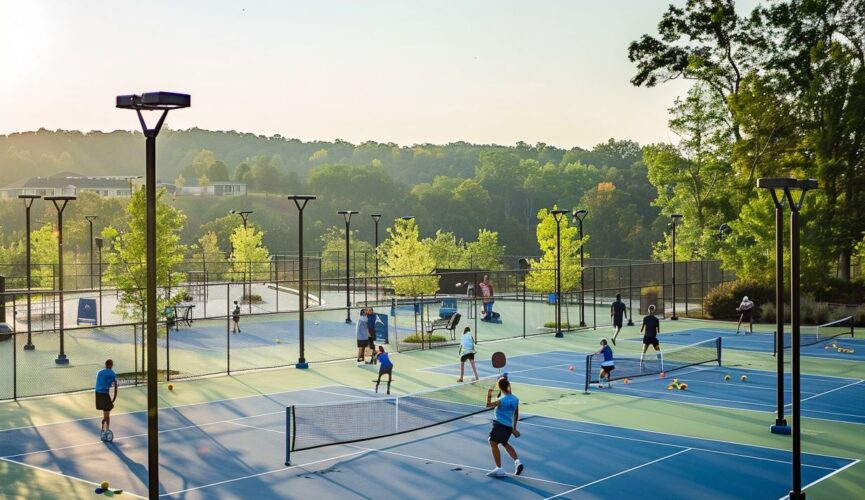
Choosing the right weight range is key to pulling off shots effectively without straining your muscles or losing out on accuracy. It’s all about finding that sweet spot that matches your physical abilities.

Benefits and Drawbacks of Different Paddle Weights

To pick the perfect paddle that matches your playing style, you need to understand the benefits and drawbacks of different paddle weights. Whether you lean towards a lightweight, heavy, or midweight paddle, each weight category has its own perks and things to think about.

If you go for a lightweight paddle, you’ll enjoy the agility and quick moves it offers. Perfect for players who value speed and finesse, though they might lack power as there’s less weight behind each shot. On the flip side, heavy paddles bring the muscle and stability, allowing for powerful shots but sacrificing some maneuverability.

Midweight paddles strike a balance between power and control, giving players a versatile choice. Don’t forget to consider how the weight is spread across the paddle – it can affect how the paddle feels and responds when you’re in the game. Also, the shape of the paddle is key, influencing spin potential and the hitting surface.

Lightweight Paddles

You prefer Lightweight Paddles for their agility and quick maneuverability on the court. The lightest paddle options usually come with improved surface textures for better spin control and increased shot accuracy.

These fancy surface textures not only boost grip but also help you generate more spin on the ball, giving you better control over the trajectory of your shots. This extra control is key in improving shot accuracy, letting you put the ball right where you want it on the court. Plus, the lightweight design of these paddles lets you make swift moves, stepping up your agility and maneuverability during those intense gameplay moments.

Middleweight Paddles

When you pick up a Middleweight Paddle, you’re getting the best of both worlds – control, power, and maneuverability all rolled into one. These paddles are designed to give you a versatile playing experience, often packed with advanced core materials to take your game up a notch.

With a Middleweight Paddle, you’ll have more control over your shots while still being able to pack a punch when you need to. The core materials used in these paddles make them super responsive, giving you a great feel for the ball and lightning-fast reflexes during those nail-biting rallies.

These paddles are all about agility and quick movements on the court. They’re perfect for players who want to zip around and make lightning-fast transitions. Middleweight paddles offer a well-rounded playing experience that suits different playing styles and skill levels.

Heavyweight Paddles

Heavyweight Paddles

When you’re out on the court, Heavyweight Paddles are your go-to for that extra punch and stability. These paddles are all about durability and top-notch vibration dampening, perfect for players who want a strong hitting experience.

Thanks to their hefty build, you can really pack a punch with your shots, nailing the ball with power and precision. Plus, that weight adds a whole lot of stability to your game, giving you better command over your hits. Heavyweight paddles are built tough, so they can handle all the action without wearing down too quickly. And with their advanced vibration dampening tech, you’ll feel less of that impact feedback, giving you a smooth and comfy experience with every shot.

How to Determine the Best Paddle Weight for You

When determining the best paddle weight for your playing style, you need to think about a few key factors. Consider things like weight distribution, paddle construction, shot accuracy requirements, and what you personally prefer. Getting the weight just right is important for making sure you perform well and feel comfortable during your games.

Take a look at the materials used in paddle construction. Whether it’s wood, carbon fiber, or composite blends, the materials can affect the weight and durability of the paddle. How the weight is spread out across the paddle matters too. Whether it’s evenly distributed or concentrated in certain areas can impact how easy it is to move the paddle and how much power you can put behind your shots.

The weight of the paddle also plays a role in shot accuracy. Factors like control and spin can be influenced by paddle weight. Lighter paddles are usually easier to maneuver for quick shots, while heavier paddles might provide more stability for powerful strokes. Finally, what you prefer is crucial when picking the right paddle weight. It’s all about finding what works best for your playing style and comfort.

Testing and Adjusting

When you’re on the court, testing out different paddle weights can give you a leg up by unlocking the competitive edge each weight brings to your game. Why not give top-rated paddles from well-known brands a shot and factor in user reviews to fine-tune your choice for top-notch performance?

By playing around with different paddle weights, you can really dial in your gear to match your playing style and up your game on the court. Top-rated paddles from trusted brands give you a whole range of options to explore – from lightweight paddles for nimble moves to heavier ones for more powerful shots. Checking out user reviews can give you the inside scoop on things like paddle durability, control, and spin potential, helping you make smart choices when it comes to picking the perfect paddle for your game.

Tips for Using a Paddle of a Different Weight

When you’re dealing with a paddle that’s a different weight than what you’re used to, you’ll need to tweak your technique a bit and put in some time practicing with different paddle weights. These tips will help you make a smooth transition and up your game, no matter the weight variation you’re facing.

If you’re holding a paddle that’s heavier or lighter than your usual one, pay attention to your grip and stroke mechanics. A heavier paddle might require more core and upper body strength, while a lighter one could need faster and more precise movements.

Try out paddles of different weights during your practice sessions to build up muscle memory and flexibility. It’s not just about power—it’s also about finesse and control. The key is to practice consistently with various paddle weights to improve your overall playing skills.

Adjusting Your Technique

When you’re switching to a paddle with a different weight, you need to tweak your technique to get the best out of it. Things like balance, handle length, grip size, and overall feel are crucial to focus on for optimizing your performance with the new paddle weight.

Getting the right balance is key when you’re making the switch to a paddle with a different weight. It affects how smoothly you can handle the paddle and hit the ball. The length of the handle is also important as it determines your comfort and reach while playing. And don’t forget about the grip size – it directly impacts your control and power when taking shots. By making these technical adjustments, you can level up your game and make playing with a paddle that suits your style and abilities feel just right.
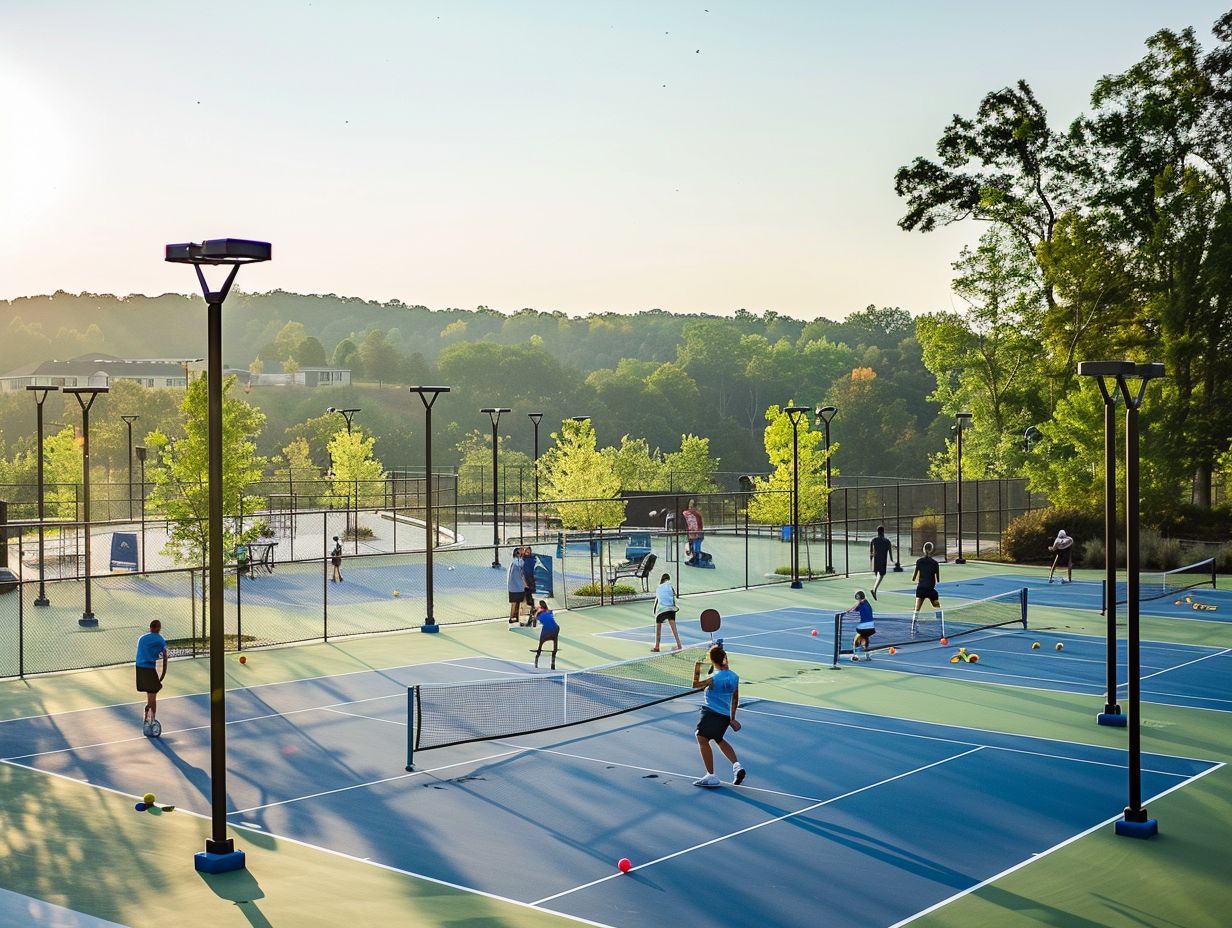
Practicing with Different Paddle Weights

Practicing with Different Paddle Weights

When you practice with Different Paddle Weights, you get to try out a range of paddle shapes, sizes, weights, and technical specs. This helps you get used to different paddle features and level up your overall gameplay skills.

When you incorporate various paddle weights into your training, you start to understand how different paddle shapes and specs can impact your game. Getting familiar with different weight ranges improves your ability to handle any paddle that comes your way on the court.

Regular practice helps you grasp the ins and outs of each paddle type, making you sharper in your strategic gameplay and more responsive during those intense matches.

Frequently Asked Questions

What is the ideal weight for a pickleball paddle?

The best weight for a pickleball paddle is a personal preference and can vary depending on the player’s strength and playing style. The average weight for a pickleball paddle is between 7.3-8.4 ounces.

How does the weight of a pickleball paddle affect performance?

The weight of a pickleball paddle can greatly impact performance. A heavier paddle can provide more power and stability, while a lighter paddle can offer more control and maneuverability.

What are the benefits of a lightweight pickleball paddle?

A lightweight pickleball paddle can be easier on the arm and shoulder, reducing the risk of injury. It also allows for quicker reaction times and easier control of shots.

Are there any disadvantages to using a heavy pickleball paddle?

Using a heavy pickleball paddle can put more strain on the arm and shoulder, leading to potential injuries. It can also be more challenging to maneuver and may require more strength to use effectively.

What is the recommended weight for beginner pickleball players?

For beginners, it is recommended to start with a lighter weight paddle (around 7.3-7.8 ounces) to allow for easier control and to prevent strain on the arm and shoulder. As players become more experienced and develop their skills, they can experiment with different weights to find what works best for them.

How can I determine the best weight for my pickleball paddle?

The best way to determine the best weight for your pickleball paddle is to try out different weights and see which one feels most comfortable and effective for your playing style. You can also consult with a pickleball coach or experienced player for recommendations.

How Long Has Pickleball Been Around

If you’re curious about pickleball, a sport that’s been making waves lately, you’ll love learning about its intriguing history. From its simple roots to becoming a favorite pastime, we’re diving into the journey of pickleball.

We’ll also cover the game’s rules, the equipment you need to play, and the fantastic physical and mental health perks it brings. Whether you’re new to the game or a seasoned pro, there’s something in this article for everyone keen on the world of pickleball.

The History of Pickleball

The History of Pickleball

You can trace the history of pickleball back to 1965, when it was invented in the Pacific Northwest by Joel Pritchard, Barney McCallum, and Bill Bell. This dynamic paddle sport combines elements from various racquet sports and quickly became popular for its unique mix of fun and competitiveness.

Originally just a backyard game to keep their families entertained, pickleball soon made its way to local recreational centers and YMCA facilities. People of all ages were drawn to its easy-to-learn rules and engaging gameplay. As its fanbase grew, tournaments and leagues started popping up, shaping pickleball from a casual hobby into a structured sport with standardized rules and competitive events. Nowadays, pickleball is enjoyed all over the world, with players dedicating themselves to honing their skills and participating in professional-level competitions.

Origins of the Game

If you’re curious about how pickleball came to be, let me tell you a fun story! Back in 1965 in the Pacific Northwest, Joel Pritchard, Barney McCallum, and Bill Bell put their heads together to create a new recreational activity. They wanted something that mixed elements of tennis, badminton, and table tennis to make it super fun and exciting.

Pickleball was actually born out of a cool idea to make these popular sports more accessible and enjoyable for everyone. What really made pickleball stand out was its unique court size – smaller than a tennis court but bigger than a badminton court. Plus, they used a special plastic ball with little holes that made the game slower and more controlled. The inventors even came up with rules that promoted friendly competition and teamwork, making pickleball a welcoming and inclusive game for people of all skill levels and ages.

Evolution of Pickleball

Since you started playing pickleball, you’ve seen it change from a laid-back hobby to a sport recognized worldwide. The creation of the USAPA (USA Pickleball Association) back in 2005 really gave pickleball a competitive edge, setting solid rules and structure in place that fueled its fast growth.

This was a huge shift for pickleball, moving it from just being a backyard or community center game to a well-organized sport with official tournaments and standard rules. Thanks to the USAPA, players now have a platform for organized competitions and a full-blown competitive circuit that brings in players of all levels. With these changes, pickleball gained more attention and credibility, not just in the US but across the globe. It’s no wonder we’re now seeing pickleball clubs and associations popping up all around the world.

Popularity of Pickleball

The popularity of pickleball has surged in recent years, becoming a fast-paced sport craze embraced by players of all ages. It has particularly resonated with seniors looking for a fun and engaging way to stay active, while also attracting a growing number of young players eager to experience its dynamic gameplay.

If you’re thinking about giving pickleball a shot, you’re in for a treat! This sport’s got something for everyone, whether you’re just starting out or you’ve been playing for years. The game’s court size and rules are designed to be beginner-friendly yet still offer a challenge to seasoned pros, so no matter your skill level, you’ll find pickleball to be a blast.

One of the coolest things about pickleball is how social it is. It’s all about teamwork, friendly competition, and building a supportive community. So, whether you’re a newbie or a seasoned player, you’ll love the inclusive and welcoming vibe that pickleball brings. It’s a great way for people from all walks of life to come together, have a good time, and enjoy the game.

Growth in Recent Years

In recent years, you’ve probably noticed pickleball skyrocketing in popularity, going from a casual pastime to a seriously competitive sport. Just take a look at all the new players signing up for tournaments and leagues – it’s clear that the pickleball community is thriving and everyone’s got that competitive fire burning.

This surge in interest has really shaken up the pickleball scene, bringing in players of all ages and skill levels to compete in matches, both local and international. The sport’s fast pace and easy accessibility have even caught the attention of athletes from other sports, adding more talent to the mix and stepping up the competition. Now, pickleball is seen as this dynamic and tough sport that calls for some serious strategic thinking, physical prowess, and mental sharpness from all players involved.

Celebrities Who Play Pickleball

Celebrities Who Play Pickleball

You’ve probably noticed that pickleball has caught the eye of various celebrities, who see it as a great way to connect with others and build a sense of community. Their support not only brings more attention to the sport but also adds to the inclusive and fun vibe that the pickleball community is known for.

When celebrities join in pickleball events or share their love for the game on social media, it has a ripple effect. Their fans get inspired to give pickleball a shot too. This surge in interest not only gets more people playing the sport but also helps to create new bonds and friendships among players of all levels.

With celebrities shining a light on pickleball, it’s becoming a trendy and approachable activity. It encourages folks to get involved in friendly competition and enjoy some recreational playtime.

Rules and Equipment

To enjoy pickleball to the max, you gotta understand the rules and gear first. It’s all about nailing the right serve technique and knowing the court’s layout to really rock that pickleball game.

In pickleball, serving rules are where it’s at to keep things fair. You gotta stand behind that baseline and serve diagonally to your opponent’s service court. If your serve goes out or touches the non-volley zone, you’re looking at a fault.

And don’t forget about court dimensions! A typical pickleball court is 20 feet wide and 44 feet long, with a non-volley zone on each side. That kitchen area stops players from busting out those volleys right at the net.

Official Rules of Pickleball

In pickleball, you need to know the official rules like the back of your hand. These rules cover everything from how to serve properly to the boundaries set by the kitchen line and non-volley zone. Following these rules is key to keeping the game fair and enjoyable for everyone.

When you’re serving in pickleball, make sure you stick to that underhand swing and hit the ball below waist level. And when it comes to volleying, remember that you have to be outside the non-volley zone, or the kitchen, to make your shots. This zone, marked by a clear line, is crucial for keeping the game balanced and preventing players from getting too close to the net. By following these guidelines, you’ll not only level the playing field but also amp up the competition in the game.

Essential Equipment for Playing

When you’re a pickleball enthusiast, having the right gear is key. Your paddle and ball are like your trusty sidekicks on the court, so it’s essential to understand those equipment ratings like 4.0 and 5.0 to make sure you’re picking the perfect gear for your skill level and play style.

Pickleball paddles come in different materials like graphite, composite, or wood, each with its own perks in power, control, and spin. You’ll want to choose a paddle that matches how you like to play and what feels right for you.

Just like paddles, pickleball balls also have their differences. Indoor balls are all about that precise control, while outdoor balls are tough enough for those rough surfaces. Those equipment ratings, like 4.0 or 5.0, are there to help you figure out the gear that suits your level and experience, so you can really up your game on the court.

Benefits of Pickleball

Pickleball doesn’t just offer you a great workout – it goes way beyond that. It’s like a total package deal, giving you benefits that cover everything from sharpening your thinking skills and agility to boosting coordination and building connections with others, no matter your skill level.

When you play pickleball, you’re not just working on your game strategy – you’re also giving your brain a serious workout. This fast-paced sport forces you to make split-second decisions, which can really improve your quick thinking skills. Plus, all that hand-eye coordination you need for those precise shots? It’s like a brain workout that helps you focus better and think sharper in your daily life. And don’t forget about the social side of things – playing with others builds a sense of community and friendship that can really boost your overall well-being.

Physical and Mental Health Benefits

Physical and Mental Health Benefits

Engaging in pickleball gives you a unique mix of physical exercise and mental stimulation, which promotes overall fitness, skill improvement, and better coordination. The sport’s dynamic nature ensures that you not only keep active but also have a fulfilling and challenging recreational experience.

The repetitive yet strategic movements in pickleball help refine your hand-eye coordination and agility. As you make quick decisions and swift moves on the court, you boost your cognitive abilities and reflexes.

The mental focus needed during gameplay can improve your concentration and give you a sense of accomplishment as you master different shots and strategies. The social side of pickleball allows you to connect with fellow enthusiasts, which adds to your emotional well-being and overall happiness.

How to Get Started with Pickleball

Embarking on your pickleball journey is such a thrilling adventure, whether you’re just starting out and trying to nail down the basics, or if you’re already in the intermediate stage looking to polish your skills, or even if you’re a pro aiming to master all the ins and outs of the game. It’s all about getting a good grip on the learning process and finding the right tools to get your pickleball experience rolling.

If you’re a beginner, your focus should be on getting those fundamental techniques down pat – think serving, volleying, and footwork. Get started by mastering the right grip, stance, and getting a handle on the basic rules of the game.

For you intermediate players out there, honing your shot placement, strategy execution, and beefing up those serves is the way to go. Dive into practicing different shots like dinks, drives, and smashes to take your gameplay up a notch.

And if you’re an advanced player, it’s all about fine-tuning that mental game, predicting your opponents’ moves, and honing those advanced techniques like spinning shots and controlled power hits. It’s time to level up your pickleball game!

Finding Courts and Partners

To get the most out of your pickleball experience, it’s crucial to find the right courts and partners. Whether you’re into the competitive scene of tournaments, the teamwork of doubles matches, or the strategic play of singles games, having the perfect venues and players can really enhance your game.

Indoor facilities are great for playing year-round without having to worry about the weather, while outdoor courts give you that fresh air and beautiful views that many players enjoy. Tournaments are perfect for testing your skills against different opponents and maybe even winning some prizes. On the other hand, casual doubles matches are all about having fun and working together as a team.

If you’re up for the challenge, singles games focus on individual strategy and skill development. Look into online platforms, community centers, or local clubs to join leagues and connect with other pickleball enthusiasts who share your love for this exciting sport.

Frequently Asked Questions

How long has pickleball been around?

Pickleball has been around since 1965.

When was pickleball invented?

When was pickleball invented?

Pickleball was invented in 1965 by Joel Pritchard, Bill Bell, and Barney McCallum.

Who invented pickleball?

Pickleball was invented by Joel Pritchard, Bill Bell, and Barney McCallum in 1965.

Is pickleball a new sport?

No, pickleball has been around for over 50 years and continues to grow in popularity.

How did pickleball get its name?

The game was originally played with pickleball paddles, which were made by cutting the handles off of a badminton racket. The inventor’s dog, Pickles, would often chase after the ball during the game, giving the sport its name.

What is the history of pickleball?

Pickleball was invented as a backyard game for the families of Joel Pritchard, Bill Bell, and Barney McCallum. It quickly gained popularity and is now played in over 6,200 locations worldwide.

Graphite Vs Composite Pickleball Paddle

If you’re trying to step up your pickleball game but feeling lost about which paddle to go for, we’ve got your back.

Let’s break down the distinctions between graphite and composite pickleball paddles. We’ll chat about the composition, features, pros, and cons of each type, plus the perks and drawbacks of composite paddles.

Our goal is to help you figure out which paddle suits your playing style best. So, let’s jump right in and discover the ideal paddle for you!

What are Pickleball Paddles?

What are Pickleball Paddles?

When you’re stepping onto the pickleball court, don’t forget that pickleball paddles are your trusty sidekicks. They’re specially crafted for the game of pickleball, with a unique design and material that cater to the game’s dynamics.

Whether you’re just starting out or you’re a seasoned player, having the right paddle can really level up your performance. With different styles, materials, and grips to choose from, you can pick a paddle that matches your playing style and techniques. These paddles are super versatile, letting you customize your gear to fit your gameplay preferences. It’s all about enhancing the fun and competition for everyone out there on the court!

Understanding Graphite Paddles

When you’re looking for a pickleball paddle, you want one that’s top-notch. That’s where graphite paddles come in. They’re made with the latest materials and technology to boost your game and make sure your paddle lasts. These paddles are all about being light and bringing some fresh design to the court.

Composition and Characteristics

The composition of graphite paddles contributes to their lightweight nature, providing you with maneuverability and control. The stiffness of the material offers excellent impact resistance, while the textured surface enhances spin and shot accuracy.

These characteristics make graphite paddles a popular choice among players seeking precision and power on the court. The weight of graphite paddles allows for quick reactions and swift movements during gameplay, giving you an edge in fast-paced exchanges. The stiffness of the material ensures consistent performance and durability, with minimal flex for enhanced control over shots. The textured surface of graphite paddles creates more friction with the ball, resulting in improved spin generation for aggressive plays and accurate placements. The unique composition of graphite paddles significantly influences your style and effectiveness on the pickleball court.

Pros and Cons

When you’re out on the court, graphite paddles are your go-to for top-notch performance. They help you crank up the power and nail those shots with precision. Sure, they’re durable and deliver the goods in terms of performance, but they do come with a few downsides like a higher price tag and a bit less ‘feel’ compared to other paddle materials.

Even with those drawbacks, plenty of players swear by graphite paddles because they’re all about that power and accuracy. The fact that graphite paddles are lightweight means you can zip around the court faster and play those long matches without wearing out your arm. And let’s not forget how tough graphite paddles are – they can handle some serious play without falling apart. Of course, the higher cost might put off some players, especially those ballin’ on a budget or just dipping their toes into the sport.

Exploring Composite Paddles

Exploring Composite Paddles

When you’re out there on the pickleball court, composite paddles are your best friend. They mix up different materials to give you that perfect combo of strength, flexibility, and control. Not only do these paddles feel great in your hand, but they also help you get some serious spin going during the game.

Composition and Advantages

Composite paddles are designed to give you the perfect balance of power and control during gameplay, so you can handle those intense shots like a pro. The great thing about composite paddles is their versatility – they can adapt to your playing style, no matter how you like to hit the ball.
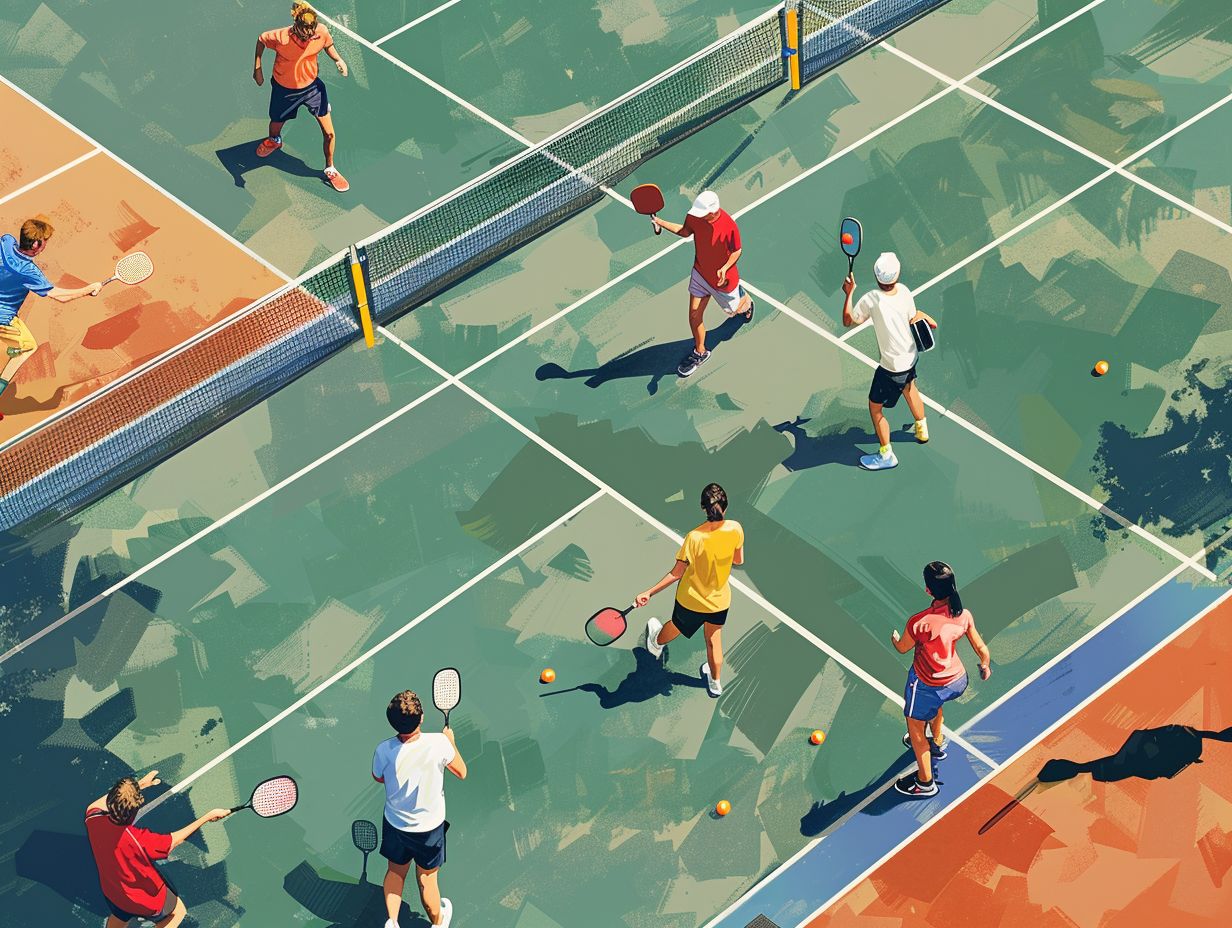
These paddles are built with some pretty cool materials, like fiberglass, carbon fiber, and polymer cores, which make them super responsive and durable. That means you get a solid hitting surface and a comfy grip for those long matches.

Because of their unique construction, composite paddles give you awesome spin control and maneuverability on the court. You’ll be able to place your shots exactly where you want with precision and finesse. That’s why pickleball enthusiasts love using composite paddles to take their game to the next level.

Limitations and Considerations

While using composite paddles can give you great power and control on the court, you might notice that they aren’t as easy to maneuver due to how they’re made. Plus, these paddles can be a bit pricier than others, so it’s important for you to think about your budget and playing style before making a choice.

The stiffness of composite paddles could change how you feel the ball during play, especially if you’re all about those finesse shots. And when it comes to flexibility, these paddles might not have the same give as wooden ones, affecting how much spin you can put on the ball.
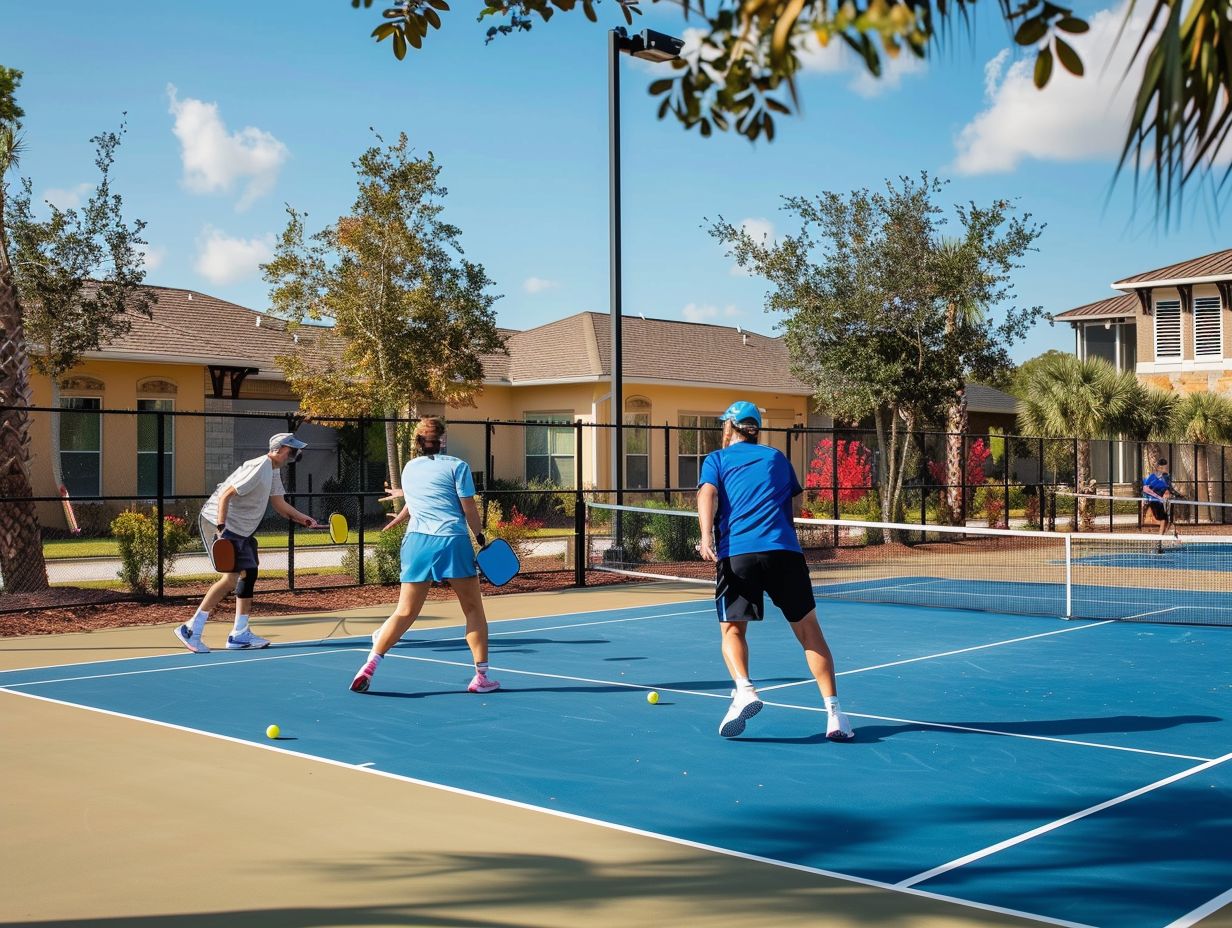
Don’t forget that composite paddles are more prone to damage from accidental drops or hits, so you’ll need to handle them carefully if you want them to last and perform well in the long run.

Comparing Graphite and Composite Paddles

When you compare graphite and composite paddles, you’ll see clear variations in surface texture and materials, but you’ll also spot some shared performance-boosting features. Each type of paddle brings its own set of perks, catering to various player preferences and playing techniques.

Key Differences and Similarities

Key Differences and Similarities

In terms of graphite and composite paddles, the difference is all about how they play and feel when you hit the ball. Graphite paddles have a more rigid feel, while composite paddles give you a softer touch. Both types of paddles let you customize them to boost your game and match your strengths.
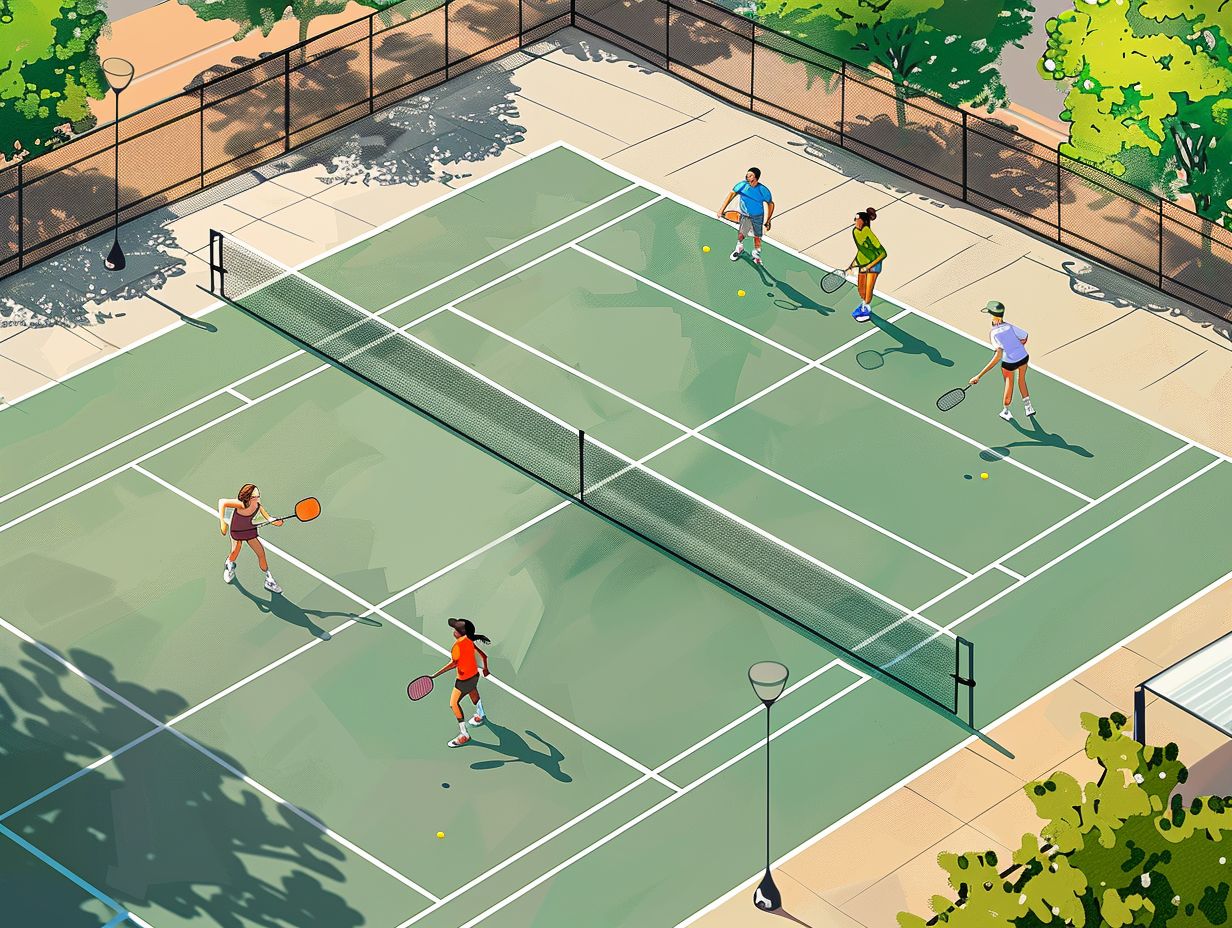
Graphite paddles are all about strength, which makes them a hit with players who want a stiff paddle for big, powerful shots. On the flip side, composite paddles are great at absorbing shock, so you won’t feel as much strain on your wrists and elbows during long matches.

And whether you go with graphite or composite, you can tweak the grip size, weight, and surface texture to fit your style and preferences, so you can play your best game.

Which Paddle is Right for You?

In terms of choosing the right paddle, it all comes down to you and what you need. Your skill level, how you play, and what kind of customization you’re looking for all play a part.

Whether you’re just playing for fun and want something comfortable or you’re aiming to dominate the competition as a pro, finding the perfect paddle is all about thinking about what suits you best.

Factors to Consider

When you’re looking for a pickleball paddle, think about things like build quality, power potential, shot accuracy, and any customization options available. These factors are super important in figuring out if the paddle will match your game style and how well you’ll perform on the court.

You’ve gotta pay attention to the construction quality because it affects how durable and comfortable the paddle feels while you’re playing. A solidly built paddle can handle all the action on the court like a champ.

Don’t forget about power – some paddles pack a punch to give you that extra oomph for killer shots. And shot accuracy is crucial for nailing those precise placements and keeping control over the ball. If you can customize the paddle, that’s a major bonus. You can tweak things like weight, grip size, and surface textures to make sure the paddle feels just right and helps you play your best game.
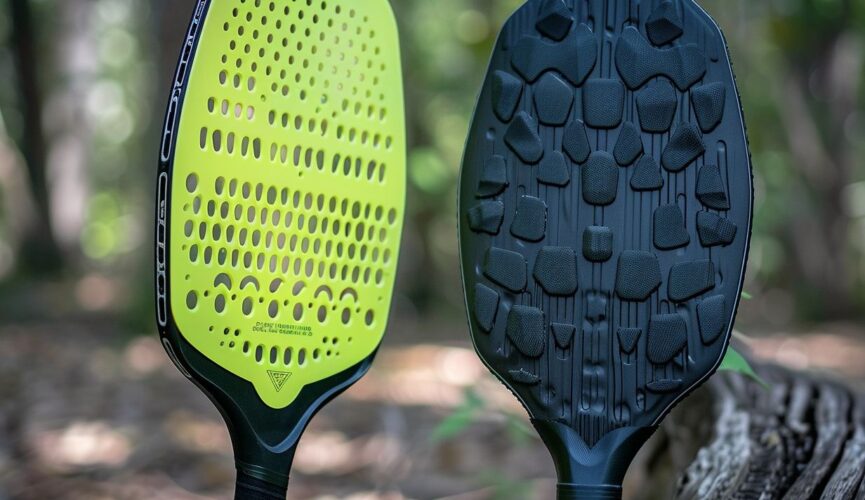
Frequently Asked Questions

What is the difference between a graphite and composite pickleball paddle?

What is the difference between a graphite and composite pickleball paddle?

A graphite pickleball paddle is made entirely of graphite material, while a composite pickleball paddle is made with a combination of different materials such as fiberglass, carbon fiber, and polymer.

Which one is better, graphite or composite pickleball paddle?

It ultimately depends on personal preference. Graphite paddles are typically lighter and have a more responsive feel, while composite paddles offer more power and control.
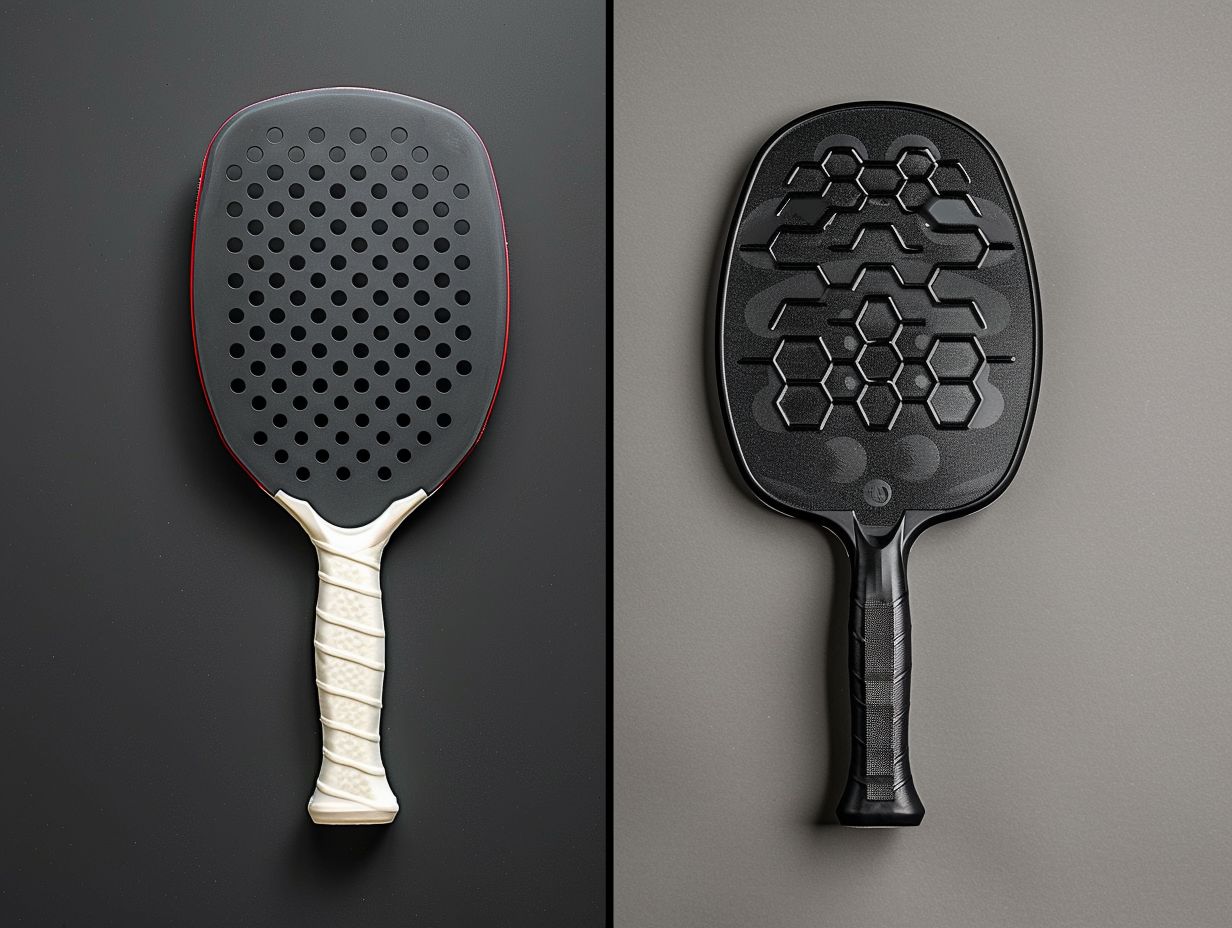
Do graphite and composite paddles have different levels of durability?

Yes, graphite paddles are known to be more fragile and susceptible to cracking, while composite paddles are generally more durable and can withstand impact better.
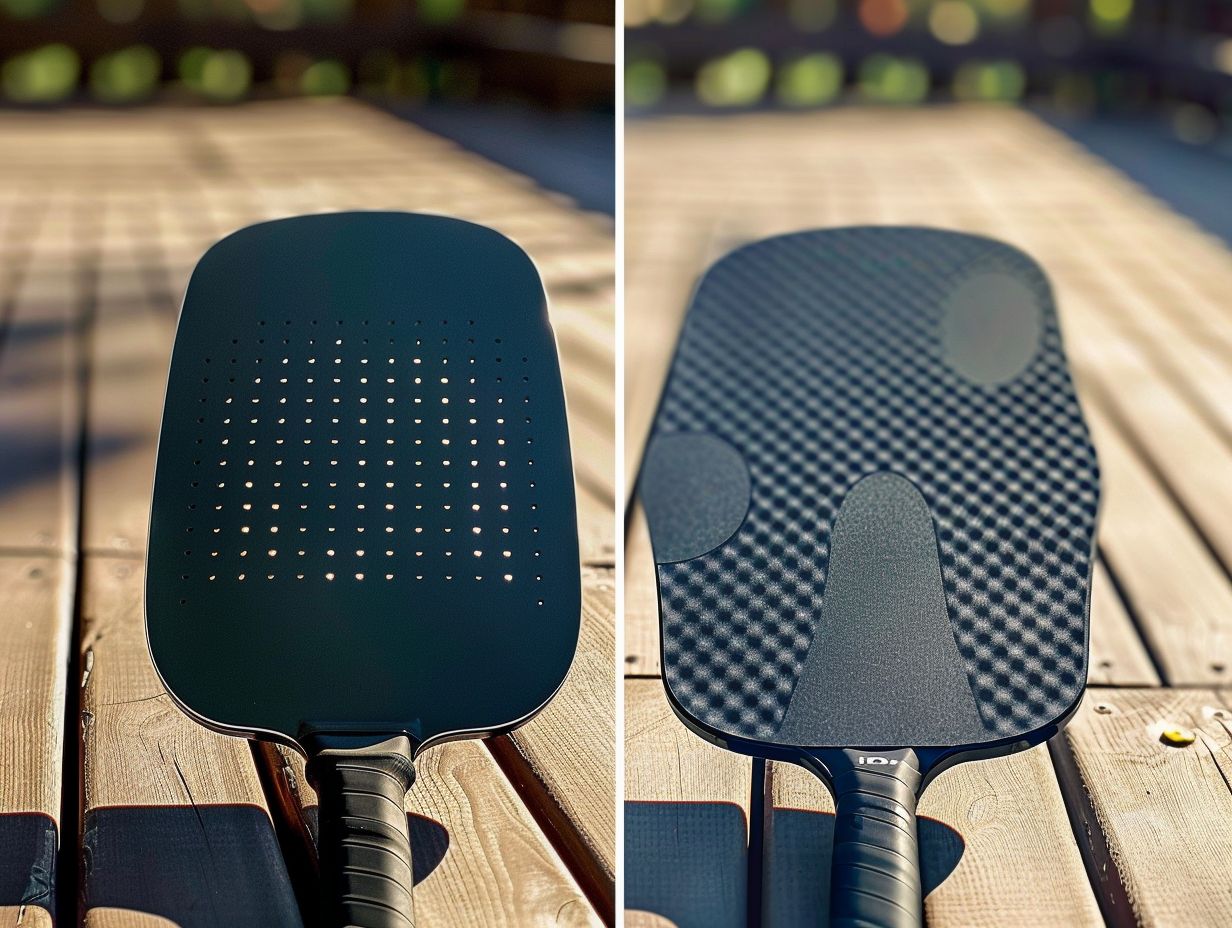
Can I find both graphite and composite paddles in different sizes and shapes?

Yes, both graphite and composite paddles come in a variety of sizes and shapes to cater to different players’ needs and playing styles.

Are graphite and composite paddles allowed in all pickleball tournaments and leagues?

Yes, both graphite and composite paddles are approved for use in all pickleball tournaments and leagues, as long as they meet the required standards.

How can I determine which paddle is right for me, graphite or composite?

The best way to determine which paddle is right for you is to try out both types and see which one feels more comfortable and suits your playing style better.