
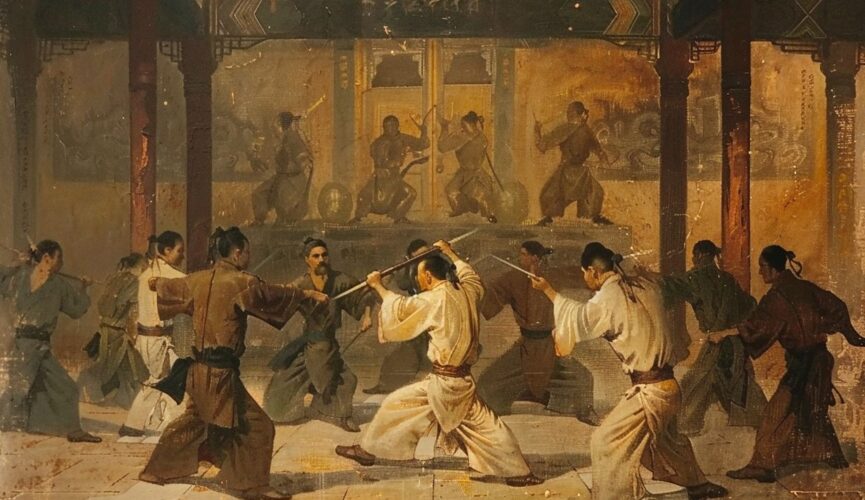
Explore the rich history and evolution of Korean martial arts through the origins of Tang Soo Do. From its development and influential figures to its core philosophy and principles, this article delves into the training techniques, basic forms, and weapons training associated with this traditional martial art. Discover how Tang Soo Do has spread and gained popularity in modern times, as well as its incorporation in other martial arts practices. Dive into the world of Tang Soo Do and uncover its enduring legacy.
The Origins of Tang Soo Do
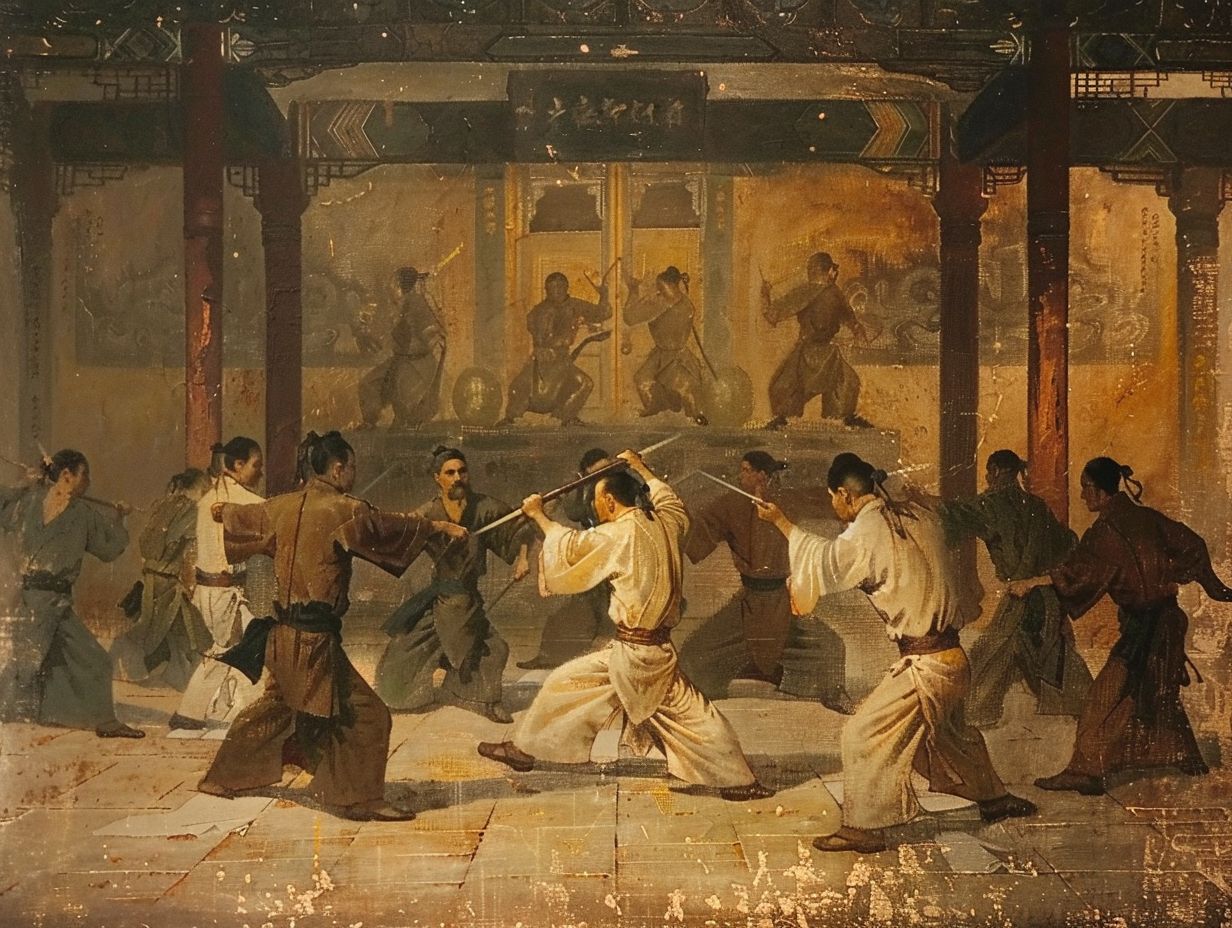
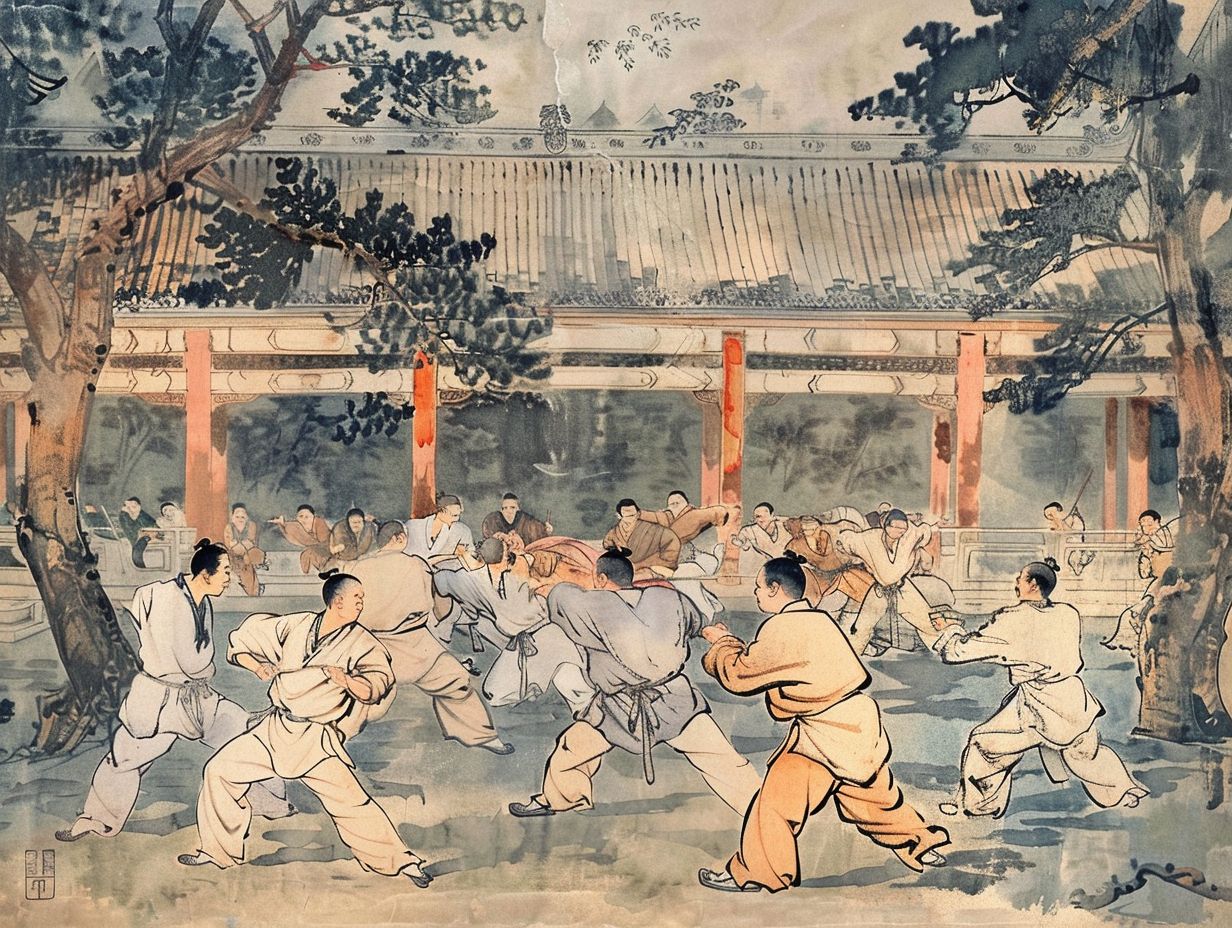
When you delve into Tang Soo Do, you’re stepping into a world with a fascinating history that traces back to ancient Korea. This martial art is more than just punches and kicks—it’s a tapestry of combat techniques, philosophy, and cultural values that have been handed down through the ages.
You can thank Grandmaster Hwang Kee for the development of Tang Soo Do. His vision and unwavering dedication were instrumental in molding the art into what it is today. Back in 1945, Kee founded the Moo Duk Kwan, a martial arts school that played a huge role in spreading the practice of Tang Soo Do across the globe. Tang Soo Do isn’t just about the physical moves; it’s also about instilling values like honor, respect, and self-discipline. It’s a holistic art form that goes beyond just learning self-defense techniques.
History and Evolution of Korean Martial Arts
In terms of Korean martial arts, you can see a rich history and evolution that spans centuries in East Asia. These martial arts have been influenced by forward-thinking founders and philosophical beliefs that focus on discipline, respect, and personal growth.
If you delve into the roots of Korean martial arts, you’ll find yourself travelling back to the Three Kingdoms period in ancient Korea. It was a time when battlefield combat techniques were refined and eventually transformed into the diverse range of martial arts practices we know today. At the core of these arts lies a deep philosophy that stresses the harmonious balance of mind, body, and spirit.
This holistic approach is reflected in values like integrity, perseverance, and an unbeatable spirit, which have become synonymous with Korean martial arts. As these traditions spread across East Asia, they have not just thrived but also maintained their fundamental principles and cultural significance.
Development of Tang Soo Do
Your journey in Tang Soo Do has been shaped by influential figures and schools that have helped mold it into a respected martial art with a structured belt system. As you progress from a white belt to a black belt, you’re symbolizing your growth through mastering techniques and showing your dedication to the art.
This evolution can be seen by exploring the rich history of martial arts, where each technique carries the wisdom passed down by previous masters. The introduction of the belt system added a new layer of symbolism, with each belt denoting a stage of progress and accomplishment. The black belt, in particular, holds immense importance as it represents the achievement of a high level of skill and knowledge in Tang Soo Do.
Earning that black belt isn’t just about physical abilities; it’s also about embracing the values of discipline, respect, and perseverance that are deeply ingrained in martial arts traditions. It’s a true testament to your dedication and growth in Tang Soo Do.
Influential Figures and Schools
In the realm of Tang Soo Do, influential figures like Grandmaster Hwang Kee have shaped the art through their expertise in techniques, sparring methods, and mastery of kicks, punches, and blocks. Their contributions have left a lasting impact on the training and principles of Tang Soo Do.
These influential figures played a pivotal role in refining your technical proficiency as a Tang Soo Do practitioner. They introduced innovative sparring skills that revolutionized the way you approach combat in your training sessions. By focusing on perfecting essential elements like kicks, punches, and blocks, they raised the standards of excellence within the art. Through their dedication and passion, they instilled a sense of discipline and precision in you, ensuring that the tradition of Tang Soo Do continues to flourish and evolve.
Philosophy and Principles of Tang Soo Do
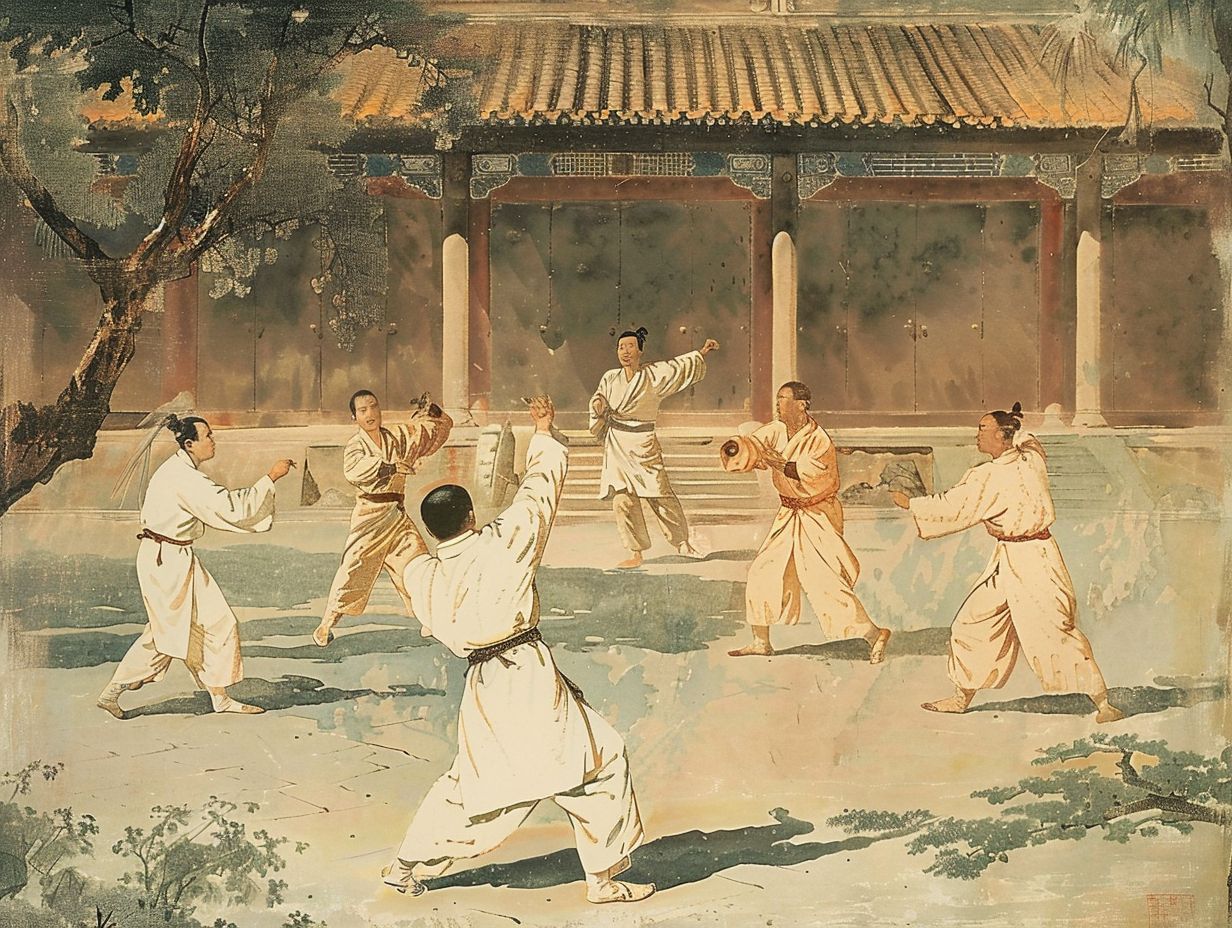
At the heart of Tang Soo Do, you’ll find profound philosophical values that emphasize the importance of discipline, respect, and honor in your journey as a practitioner. These principles will be your compass, guiding you and shaping your character as you develop your physical skills.
These values aren’t just theories to memorize; they’re meant to be woven into your everyday life, influencing how you carry yourself in and out of the dojang. By honing your discipline, you’ll build mental strength to tackle any obstacles that come your way. Respect will be the cornerstone of your interactions, fostering positive relationships and understanding with your peers. And let’s not forget about honor – it’ll be your compass, guiding you to always choose integrity and kindness in your actions.
Core Tenets and Values
In Tang Soo Do, you’re all about that continuous self-improvement, mental sharpness, and mastering combat techniques like a boss. It’s not just about rocking the physical side of things, but also about building up that mental resilience and chasing after personal growth.
In terms of Tang Soo Do, mental toughness is where it’s at. They’re all about discipline and inner strength, alongside the physical grind. By diving into meditation, breathing exercises, and mindfulness techniques, you’re beefing up that mental clarity and learning to keep cool under pressure. Balancing mental and physical skills sets you up for a well-rounded martial arts game that goes way beyond just throwing punches and kicks.
Training and Techniques in Tang Soo Do
In Tang Soo Do training, you will experience a wide range of techniques that cover everything from graceful forms that blend power and elegance to intense sparring sessions that focus on perfecting your kicks and strikes. Each aspect of your training is all about sharpening your precision, agility, and combat skills.
When you practice forms in Tang Soo Do, you’re not just showing off the art’s beauty – you’re also building up muscle memory and honing your movements. These Hyungs (forms) challenge you to perform a series of specific movements with precision and control.
On the flip side, sparring sessions in Tang Soo Do give you the chance to put those technical skills into action in a dynamic and realistic environment. It’s all about speed, timing, and footwork to make sure you’re combat-ready and proficient.
Basic Forms and Movements
In Tang Soo Do, the basic forms and movements lay the groundwork for your training, mixing traditional techniques with modern strategies to amp up your combat game. These foundational forms are all about discipline and precision, getting you ready to handle any combat scenario.
Think of these basic forms as your training wheels, helping you sharpen your skills and dial-in your focus for combat situations. By practicing these fundamental elements over and over, you’ll build muscle memory and boost your ability to whip out techniques with speed and accuracy. Tang Soo Do really hammers home the importance of these basic forms, teaching you to respect the tradition and lineage of the martial art and instilling a strong sense of discipline that goes way beyond the physical side of things.
Weapons Training
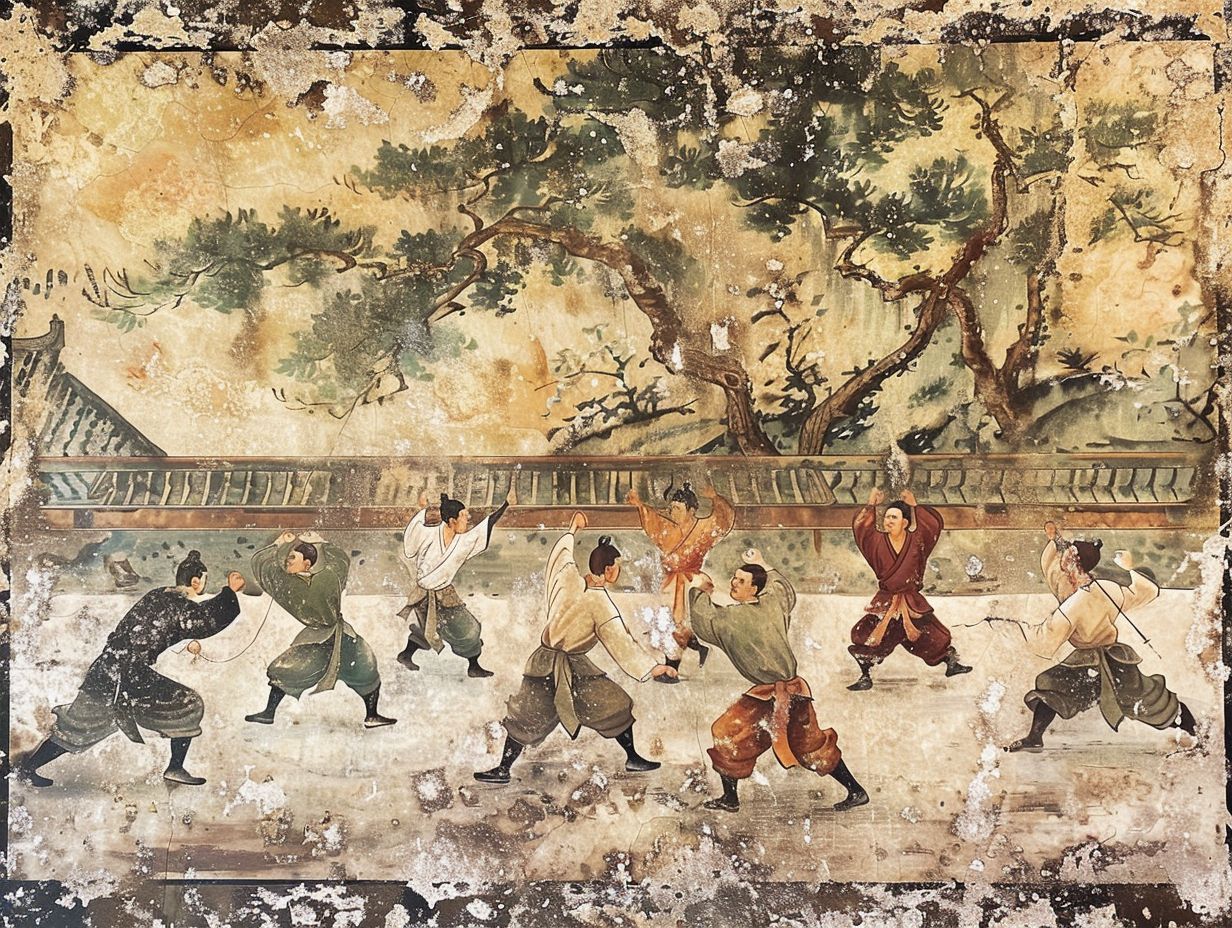
In Tang Soo Do, you get to dive into the world of martial arts weaponry while also learning modern combat techniques. This combo gives you a solid grasp of both traditional and contemporary self-defense strategies. The focus during weapon training is all about discipline, control, and paying homage to the art’s historical background.
When you’re training with weapons, the key is to embody discipline and control. You’re always pushing yourself to perfect your moves with pinpoint accuracy. Mixing old-school weapons with modern combat styles doesn’t just level up your physical skills—it also sharpens your mind and strategic thinking. By exploring the ins and outs of weapon-based combat, you start to appreciate the deep history and cultural importance of martial arts weaponry. It creates a sense of respect and admiration for these ancient tools of self-defense.
Tang Soo Do in Modern Times
In modern times, Tang Soo Do has spread its influence globally, captivating martial arts enthusiasts like you with its dynamic techniques and rich heritage. Its integration into other martial arts disciplines like Soo Bahk Do has further enriched the martial arts landscape.
The adaptability of Tang Soo Do has been a key factor in its integration into diverse martial arts practices, contributing to the evolution of the overall martial arts community. By incorporating elements of Tang Soo Do into your own techniques, practitioners of Soo Bahk Do like you have embraced a new dimension of training and skill development. This cross-pollination of styles not only enhances your individual martial arts repertoire but also fosters a spirit of collaboration and mutual learning among different disciplines.
Spread and Popularity of the Art
Your journey into the world of Tang Soo Do goes beyond borders, immersing you in the richness of Korean culture and revealing the art’s technical brilliance and organized belt system. The reason this martial art form has captured hearts worldwide is its perfect mix of tradition, modernity, and a systematic approach to martial arts training.
Tang Soo Do, deeply rooted in ancient Korean customs, puts a strong emphasis on discipline, respect, and personal growth. As you practice Tang Soo Do, you’re not just mastering physical moves but also embracing values like persistence and modesty.
The belt system, starting from white and progressing to black, showcases your evolution through different learning stages. Each belt color signifies a step forward and reflects your commitment and expertise. This structured ranking system adds a sense of accomplishment and motivation, pushing you to constantly improve and excel in your training.
Incorporation in Other Martial Arts
When you incorporate Tang Soo Do principles into other martial arts like Taekwondo, you’re not just adding a new flavor – you’re strengthening the core of your self-defense skills and keeping the spirit of tradition alive in today’s combat techniques. This blend of styles really shows how Tang Soo Do’s philosophy can stand the test of time in modern martial arts.
By mixing Tang Soo Do principles into Taekwondo and other martial arts, you’re not just improving your physical combat abilities – you’re also developing a strong sense of respect for tradition and discipline. The focus on self-defense techniques in these combined practices ensures that you’re ready to defend yourself in any situation. This fusion honors the martial arts legacy while adapting to the demands of the present day, showcasing the lasting impact and flexibility of Tang Soo Do philosophy.
Frequently Asked Questions
What is the history of Tang Soo Do?
Tang Soo Do is a Korean martial art that originated from the ancient martial arts of Koguryo, Silla, and Baekje dynasties. It was developed by Grandmaster Hwang Kee in the 1940s and is a combination of Chinese martial arts and traditional Korean martial arts.
Who is the founder of Tang Soo Do?
Grandmaster Hwang Kee is recognized as the founder of Tang Soo Do. He studied various martial arts styles and combined them to create Tang Soo Do in 1945.
What is the meaning of Tang Soo Do?
The term “Tang Soo Do” can be translated to mean “the way of the Chinese hand deriving from the Chinese martial arts that influenced its creation.
How did Tang Soo Do spread globally?
In 1968, Grandmaster Hwang Kee established the World Tang Soo Do Association (WTSDA) with the goal of spreading the art to the world. Today, there are over 600,000 members in over 60 countries practicing Tang Soo Do.
What are the principles of Tang Soo Do?
The five principles of Tang Soo Do are: integrity, concentration, perseverance, respect, and humility. These principles are meant to guide practitioners not only in their training but also in their daily lives.
What are the different forms in Tang Soo Do?
Tang Soo Do has various forms, including basic forms, advanced forms, weapon forms, and energy forms. The forms are a series of movements that simulate combat situations and allow practitioners to practice techniques and improve their skills.