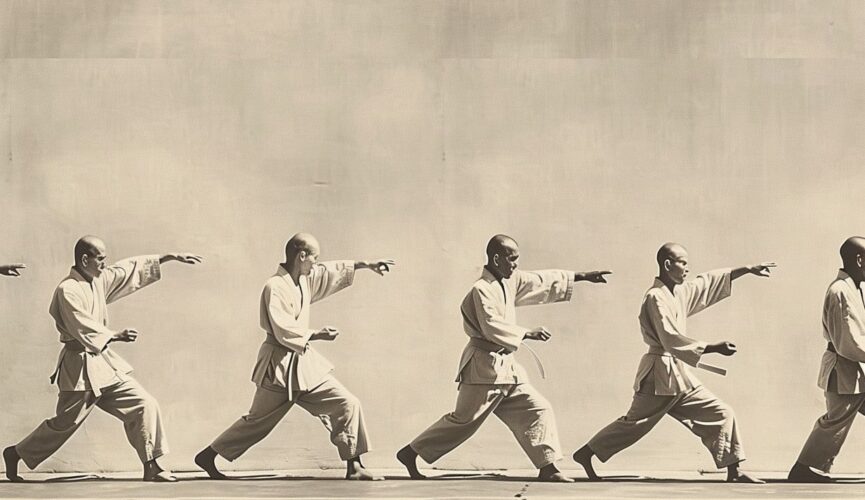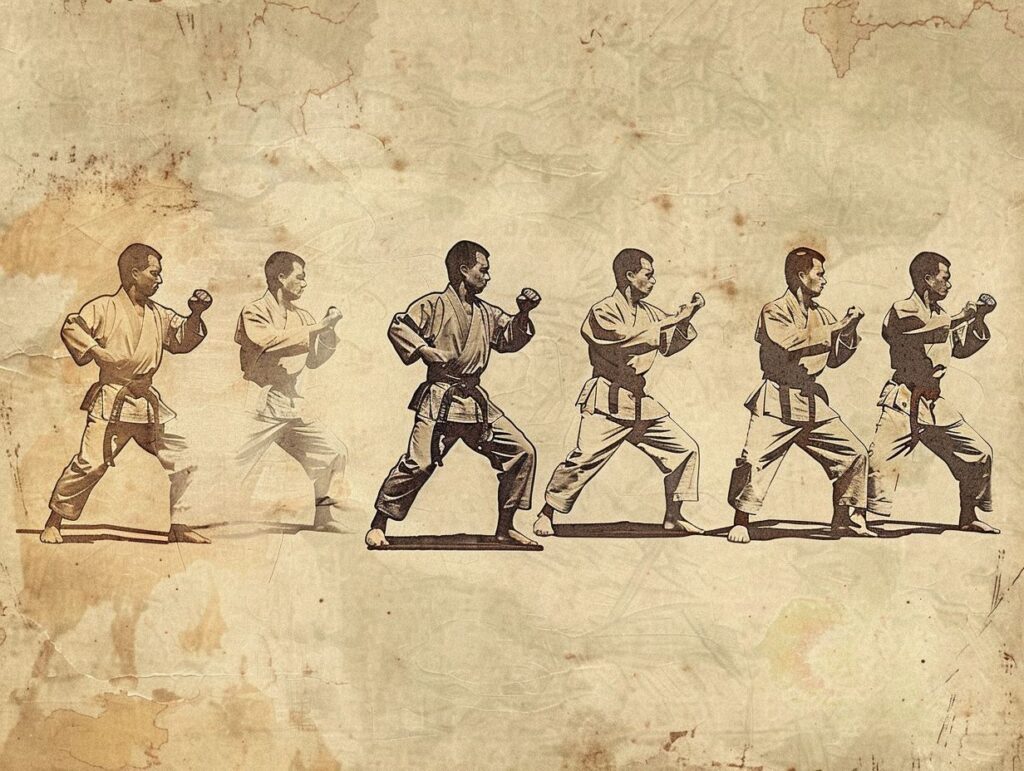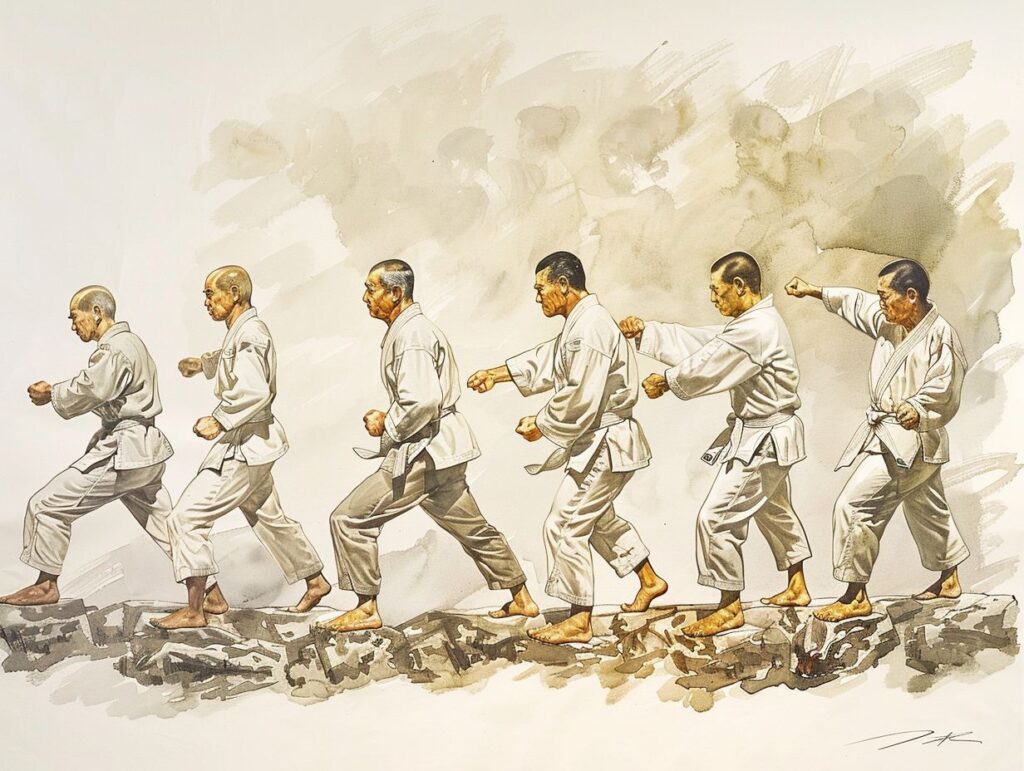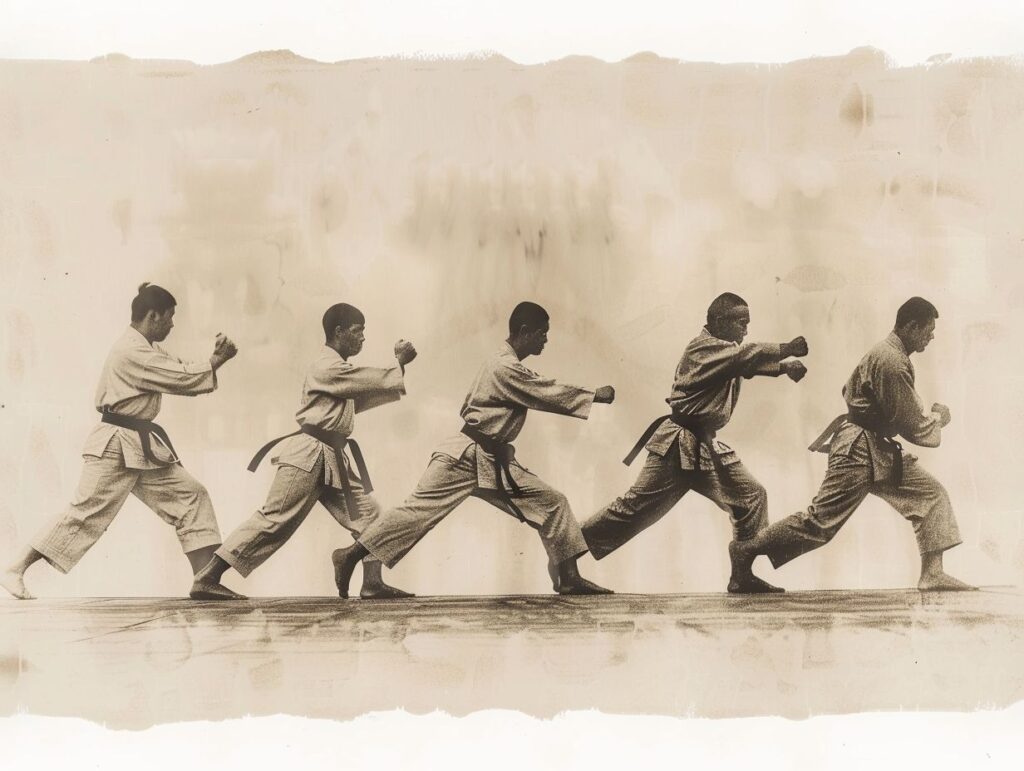
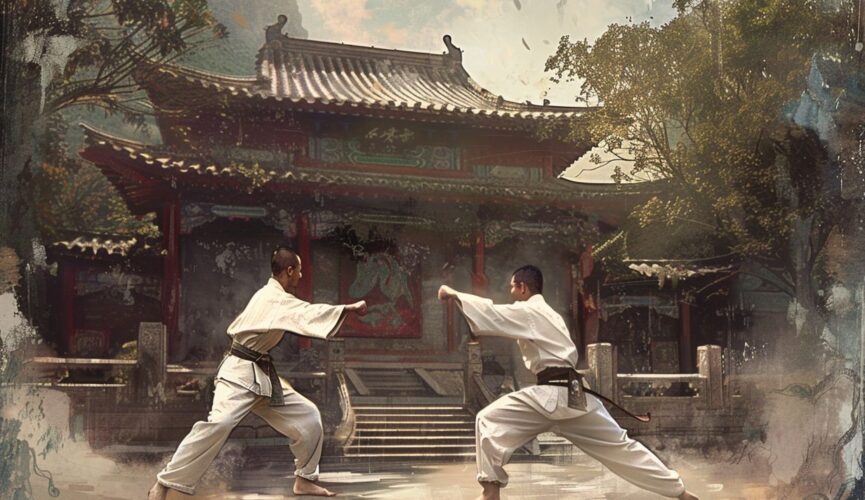
Discover the fascinating history of Wing Chun, a traditional Chinese martial art with a rich and storied past.
- From the legendary tale of Yim Wing Chun to the historical roots and development of the art, learn about the key influences and changes that have shaped Wing Chun over the centuries.
- Explore the core principles and techniques, as well as the notable figures who have made their mark in Wing Chun history.
- Find out how this ancient martial art has spread around the world and evolved into modern adaptations and variations.
- Join us on a journey through the origins, evolution, and impact of Wing Chun.
The Origins of Wing Chun
Regarding Wing Chun, you’re diving into a world of tradition with this Chinese martial art that has its roots deep in the history of Southern China. This martial art has a backstory that’s a mix of legend and historical facts, molding its evolution over many centuries.
The legendary origins of Wing Chun are often linked to Yim Wing Chun, a figure from folklore who is credited with creating this martial art after watching a battle between a crane and a snake. This event sparked her to develop a fighting style that focused on agility, speed, and practicality. As Wing Chun grew in popularity, it became intertwined with the broader landscape of Chinese martial arts, blending elements of Taoist philosophy and effective self-defense techniques.
Legend of Yim Wing Chun
You’ve probably heard of the legendary Yim Wing Chun, right? It’s this fascinating story about a young woman named Yim Wing Chun who created a martial art style known as Wing Chun Kuen. As the legend goes, Yim Wing Chun was taught by a Buddhist nun who witnessed her standing up to a local bully.
The meeting between Yim Wing Chun and the nun was pretty life-changing. The nun saw Yim’s potential and her natural fighting skills, and she was really impressed by her courage and determination. So, she decided to share her wisdom and expertise with Yim.
Thanks to the intense training and guidance from the nun, Yim Wing Chun perfected her techniques, blending grace and power, balance and agility. This led to the birth of the Wing Chun Kuen system, which focused on efficiency, directness, and practicality in combat. It’s a truly unique and effective martial art style.
Historical Roots of Wing Chun
In the historical roots of Wing Chun, you can trace its origins back to the chaotic times of Southern China, where martial arts were thriving in the midst of social unrest. Influences from the famous Shaolin temple and the teachings of respected Grandmasters all played a part in shaping Wing Chun into its unique fighting style.
As things were heating up in that era, Wing Chun was taking form under the guidance of notable figures like Ng Mui and the legendary Ip Man. These Grandmasters were instrumental in refining the techniques and principles of Wing Chun, passing down their wisdom through the generations. The strong connection between Wing Chun and Shaolin martial arts is clear in how the style prioritizes practicality, efficiency, and adaptability in combat situations, making it a powerful form of self-defense.
Development and Evolution of Wing Chun
When you explore the development and evolution of Wing Chun as a martial art, you’ll find a fascinating mix of traditional training methods, combat techniques, and guiding principles that have stood the test of time. This evolution has given rise to a complete defense system that hones in on close-range combat and efficiency in self-defense situations.
As you delve into Wing Chun’s history, you’ll uncover how its training methods have adapted to meet modern needs while keeping the art’s essence intact. The incorporation of concepts like centerline theory, chi sao, and wooden dummy training has molded Wing Chun into a practical and potent fighting style. Its focus on defending and striking simultaneously, minimizing movement, and being attuned to the opponent’s actions makes it unique among martial arts. These fundamental principles have been handed down by legends such as Ip Man and Bruce Lee, further cementing Wing Chun’s enduring legacy.
Key Influences and Changes
The key influences and changes that have shaped Wing Chun over time are deeply rooted in its lineage, where masters and practitioners like you have passed down the Wing Chun system from generation to generation. These influences have contributed to the refinement of Wing Chun principles and techniques, ensuring its relevance in modern combat scenarios.
You can trace the evolution of the Wing Chun system back to the historical contexts and philosophical insights of its founders. Through your dedicated practice and adherence to core principles like centerline theory, economy of motion, and simultaneous attack and defense, Wing Chun has gained a reputation for its practicality and effectiveness.
The emphasis on sensitivity, structure, and efficiency in your Wing Chun training reflects the traditional values of respect, discipline, and continuous improvement instilled by its lineage. These enduring principles have not only sustained Wing Chun through centuries but also continue to shape its development in the contemporary martial arts landscape.
Principles and Techniques of Wing Chun
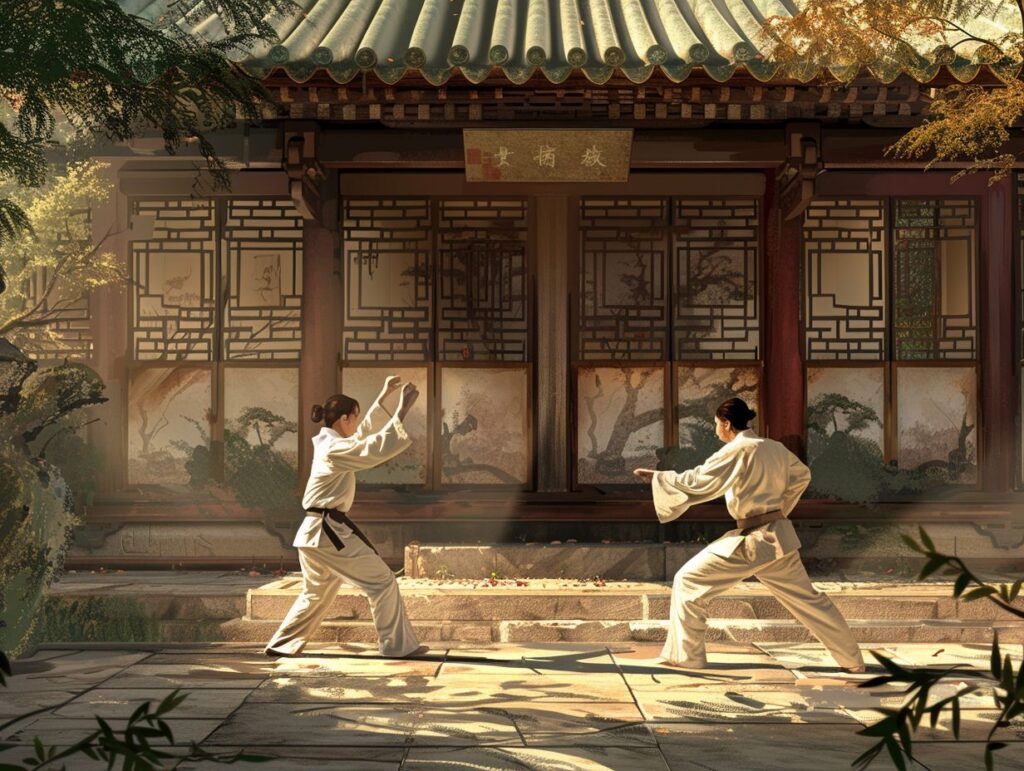
In Wing Chun, you’re all about efficiency, directness, and simplicity. Through forms like Siu Nim Tao, Chum Kiu, and Biu Jee, you’re sharpening your skills in applying the centerline theory, trapping, and striking with precision. The wooden dummy is your go-to training tool for perfecting punches, kicks, and defense techniques.
When you dive into understanding the centerline theory, Wing Chun teaches you to control that straight path between you and your opponent, making your strikes as efficient as possible. With precise footwork and compact movements, Wing Chun is all about deflecting attacks and landing strikes on those vulnerable spots.
During wooden dummy training, you’re boosting your hand-eye coordination, timing, and power generation, so you can smoothly blend complex combinations. Wing Chun values simplicity, focusing on quick, effective responses over flashy moves, making it a practical self-defense system for real-life situations.
Core Concepts and Philosophy
In Wing Chun, you’re all about combat effectiveness. It’s all about honing sensitivity, projecting forward energy, and nailing strategic positioning. By blending physical moves with sharp mental focus, Wing Chun practitioners take a well-rounded approach to martial arts that goes beyond just flexing muscles.
This martial art, born in China, is rooted in the idea that combat efficiency comes from relaxed yet precise movements, not just brute strength. Wing Chun’s combat tactics are all about using your opponent’s energy against them, turning their force into your advantage. The “seeking the bridge” concept, or forward energy, lets you take the reins in a fight by keeping the pressure on your opponent, throwing off their balance and timing.
Common Techniques and Forms
In Wing Chun, you’ll find techniques and forms that are all about stepping up your game in trapping your opponent’s limbs, landing precise strikes, and mastering the art of efficient self-defense. These moves are the bread and butter of Wing Chun, showcasing its practical approach to hand-to-hand combat.
Regarding Wing Chun, the focus is all about close-range combat, giving you the upper hand in swiftly neutralizing attacks. This martial art teaches you to redirect your opponent’s force instead of going head-to-head, using slick footwork and precise movements to stay in control. Trapping techniques are key in close-quarters combat, helping you dominate and take down your foes.
In Wing Chun, speed and precision are your best buds when it comes to delivering strikes. This martial art hones in on deflecting and countering incoming attacks, emphasizing the importance of agility and adaptability in self-defense scenarios.
Notable Figures in Wing Chun History
In the world of Wing Chun, you’ll find a bunch of big names who’ve made a real mark on the art. Think about legends like Bruce Lee, the guy who brought martial arts to the masses with his on-screen charisma, and Grandmasters like Wong Shun Leung, who are like rockstars in the Wing Chun world.
Bruce Lee was all about mixing Wing Chun with other martial arts styles, which he summed up in his Jeet Kune Do philosophy. That mix-up totally changed the game when it comes to fighting styles. Then you’ve got Wong Shun Leung, aka the “King of Talking Hands,” who really honed those Wing Chun moves and spread the word about them. Their passion for making Wing Chun more practical and powerful still influences folks today. There are loads of practitioners out there who are still learning and shaping this awesome martial art thanks to these guys.
Important Masters and Practitioners
As you dive into the world of Wing Chun, one of the standout figures you’ll encounter is Yip Man. He’s like the godfather of the art, keeping it alive and passing it on to future generations. His teachings have left a lasting impact, creating a tight-knit Wing Chun community that’s all about combat philosophy and martial arts history.
Yip Man wasn’t just about punches and kicks; he was all about efficiency and going straight for the jugular in combat. But his lessons went beyond the physical stuff. He instilled values like discipline, respect, and always striving to be better in his students. He wasn’t just shaping their martial skills; he was molding their character too. Yip Man’s influence on Wing Chun goes way beyond just training fighters; he embedded tradition and heritage into every fiber of the art.
Spread of Wing Chun Around the World
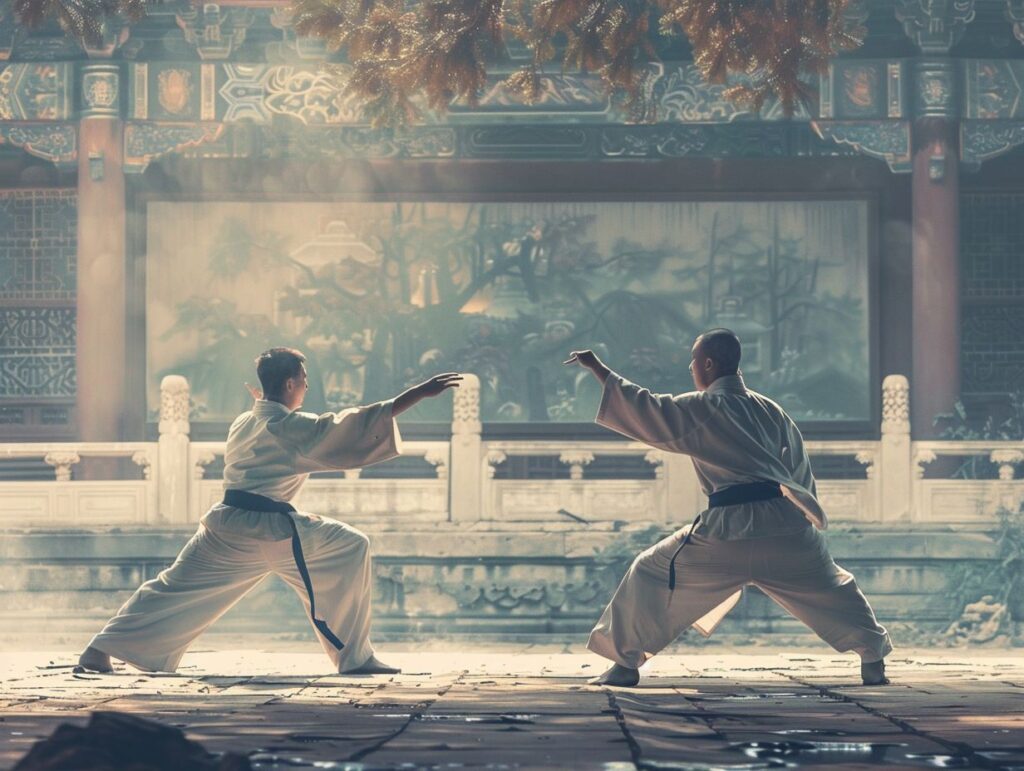
When you look at Wing Chun, you can see how it’s become a global phenomenon that brings people together from all over. Whether you’re in Asia or America, there’s a whole worldwide community out there dedicated to learning and keeping alive this powerful fighting style.
As you dive into the intricate moves and philosophy of Wing Chun, you’ll find it’s like a universal language that connects folks from different backgrounds. It’s not just something you see in traditional settings either – Wing Chun is getting love in modern self-defense classes and combat sports gyms all around the globe. This shared love for Wing Chun has really built a strong bond among those who practice it, creating a welcoming community that embraces diversity and respects the deep history of this martial art.
Impact and Popularity of Wing Chun
When you dive into the world of Wing Chun, you’ll quickly see that it’s more than just punching and kicking – it’s got a whole philosophy behind it. This martial arts style isn’t just about throwing down in a fight; it’s about a mindset and approach that goes beyond combat.
Wing Chun’s philosophy is all about weaponless combat, giving you a whole different perspective on martial arts. Instead of just defending yourself, Wing Chun teaches you to intercept attacks while striking back at the same time. This unique approach helps you adapt to all kinds of combat situations, focusing on speed, timing, and efficiency in your moves.
And it’s not just about the physical stuff – Wing Chun also works your brain. It teaches mental discipline and strategic thinking, so you’re not just a fighter in the ring, but in life too. So, when you practice Wing Chun, you’re not just learning to throw a punch – you’re becoming a well-rounded warrior, ready for anything.
Modern Adaptations and Variations of Wing Chun
In the modern era, you see Wing Chun undergoing various adaptations and giving rise to contemporary styles and schools that incorporate innovative approaches while still holding onto traditional Wing Chun concepts. These changes show how martial arts practices have evolved to suit the changing combat landscapes.
If you’re a practitioner of modern Wing Chun, you probably mix in elements from different combat disciplines to level up your skills and handle all sorts of fighting situations. By blending traditional Wing Chun principles with modern techniques, you get these cool, dynamic styles that focus on practicality and efficiency in self-defense. And as this martial art keeps on evolving, you and other practitioners are out there trying new training methods and technologies to fine-tune your techniques and keep up with the ever-changing world of martial arts.
Contemporary Styles and Schools
In contemporary styles and schools of Wing Chun, you’ll find a strong focus on the art’s fundamental principles of close-range combat and the efficiency of both offensive and defensive moves. These schools are all about blending traditional Wing Chun forms with modern training methods to keep pushing the boundaries of martial arts practices.
As you dive into these modern interpretations, you’ll see how they stick to the core of Wing Chun techniques while also picking up tricks from other close combat systems to up their game. The goal here is all about constant improvement and practical application, making sure practitioners are ready to handle any real-world self-defense situations.
The key in these modern approaches is to keep movements direct, simple, and straight to the point – all in line with the Wing Chun philosophy of maximum impact with minimal effort in combat. It’s a sweet mix of tradition and innovation that not only honors the legacy of Wing Chun but also keeps it fresh and relevant in today’s martial arts scene.
Frequently Asked Questions
What is the history of Wing Chun?
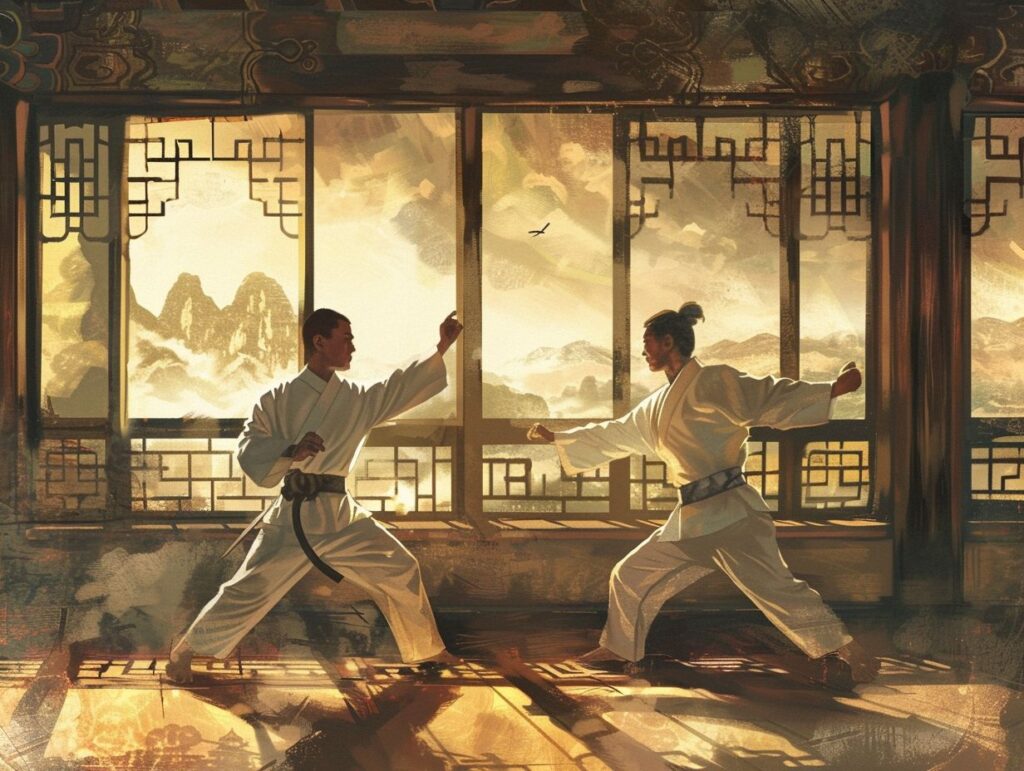
Wing Chun is a Chinese martial art that originated in the Guangdong province of southern China. It was created by a Buddhist nun named Ng Mui and has been passed down through generations for over 300 years.
Who is the founder of Wing Chun?
The founder of Wing Chun is believed to be a Buddhist nun named Ng Mui. She is said to have developed the martial art after witnessing a fight between a crane and a snake, and adapting their movements into a form of self-defense.
When was Wing Chun created?
The exact date of the creation of Wing Chun is unknown, but it is believed to have been developed in the late 17th or early 18th century. Some sources suggest that it may have originated as early as the 16th century.
Where did Wing Chun originate?
Wing Chun originated in the southern region of China, specifically in the Guangdong province. It is said to have been created in the Shaolin Monastery and was later spread to the nearby Foshan city.
What are the principles of Wing Chun?
The principles of Wing Chun include centerline theory, simultaneous attack and defense, economy of movement, and relaxation. These principles emphasize efficiency and effectiveness in combat, focusing on using the least amount of energy to achieve the greatest results.
Who brought Wing Chun to the United States?
Wing Chun was brought to the United States by Grandmaster Yip Man, who had learned the martial art from his teacher, Chan Wah-shun. Yip Man began teaching Wing Chun in Hong Kong and later brought it to the United States in the 1950s.